
In a land dominated by the “Big Boys”—the Toyota Prados, Land Cruiser V8s, and Defenders—the Suzuki Jimny stands out like a sore thumb. But don’t let its size fool you. This isn’t just a small car that looks like a jeep; it is a serious off-roader that has earned a spot in the occultic culture of off-roading, at a fraction of the competitors’ price and low running costs.
Whether you are looking for a daily driver that can handle potholes or a weekend warrior for L. Ellis on Mt Kenya, the Jimny makes a compelling case. Here is everything you need to know about owning the Suzuki Jimny in Kenya.
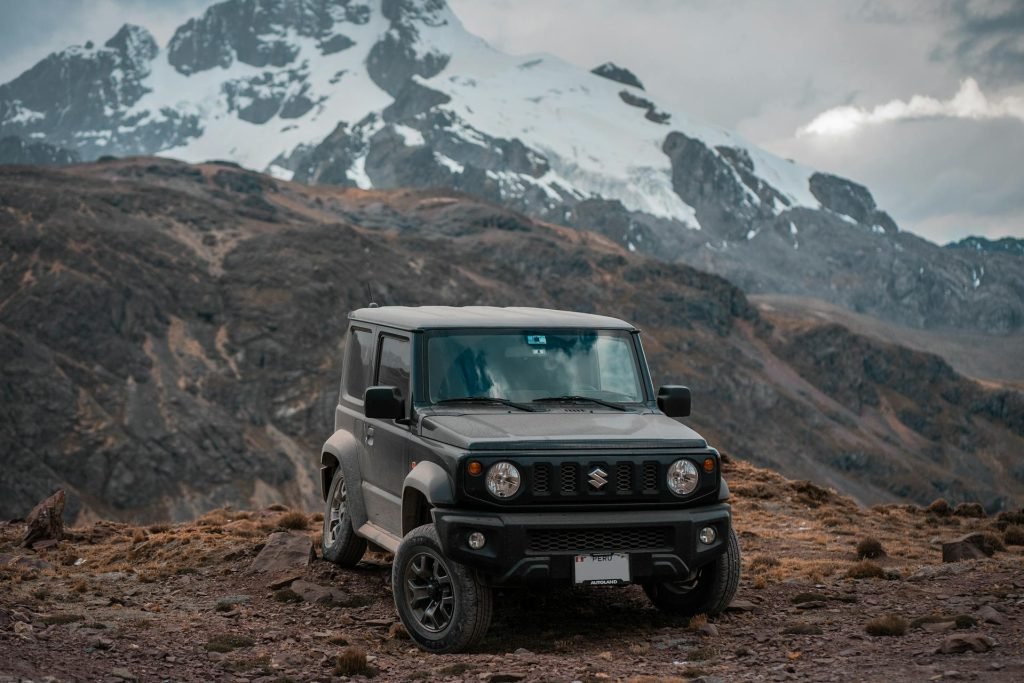
Exterior Styling: Retro Cool
The Jimny’s design is arguably its biggest selling point. It unapologetically rejects the “curvy” trend of modern crossovers (like the Nissan Juke or Toyota Raize) and embraces a boxy, rugged aesthetic that pays homage to the legendary Suzuki Samurai.
The Look: With its round headlights, vertical grille, and clamshell bonnet, it looks like a baby Mercedes G-Wagon.
The Versions: You will encounter two main body styles in Kenya:
The 3-Door: The classic, ultra-compact version. It is incredibly short (under 3.7 meters), making it a dream to park in Nairobi CBD.
The 5-Door (Jimny XL): Recently introduced to the Kenyan market, this version adds rear doors and a longer wheelbase (340mm longer). It retains the boxy charm but looks slightly more substantial on the road.
Practical Touches: It features scratch-resistant plastic bumpers and wheel arches—perfect for our boda boda infested traffic where minor scrapes are common.
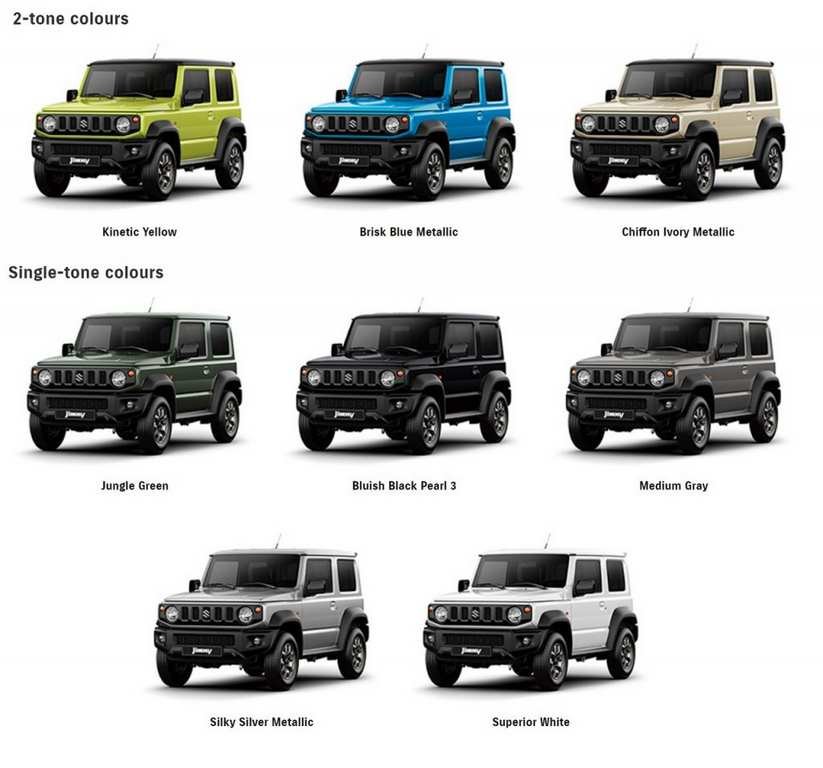
The Suzuki Jimny comes in a palette of retro-inspired colors designed to stand out in the bush or the city. In Kenya, availability depends slightly on whether you are buying the 3-Door (Japan/Global Spec) or the new 5-Door (India Spec).
Here is the breakdown of the colors you will find on Kenyan roads:
1. The “Hero” Colors (Most Popular)
These are the signature colors used in all marketing. They are designed for visibility and rugged appeal.
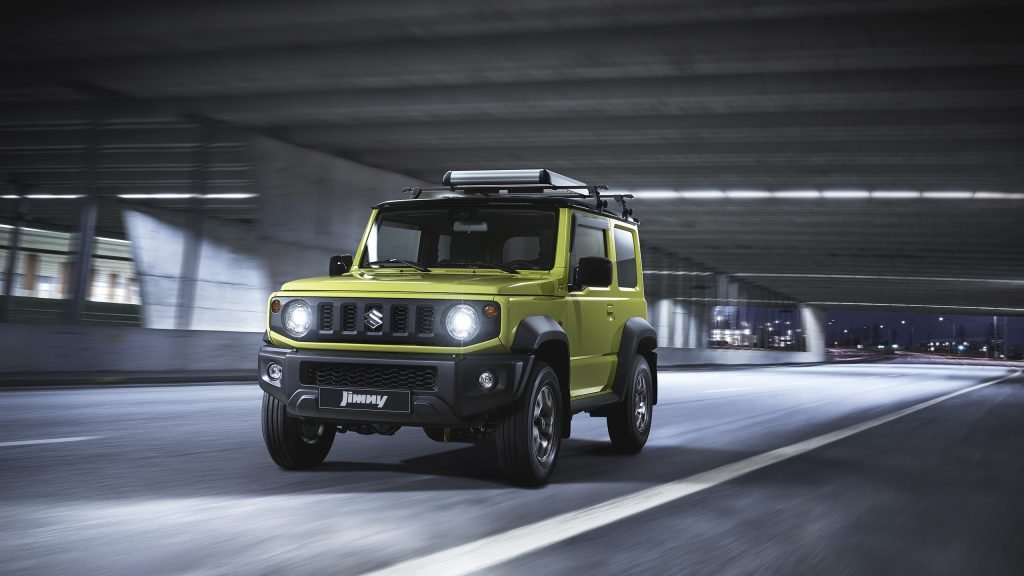
Kinetic Yellow: This is the neon-lime green color you see everywhere. It is designed to be highly visible in bad weather (fog/heavy rain). usually comes as a Dual-Tone with a Bluish-Black Pearl roof.
Jungle Green: A deep, matte-like forest green. This is for the purists who want that military/ranger aesthetic. It is fantastic for not showing dirt after a weekend in Naivasha.
2. Monotone Colors (Single Color Body)
These are standard, single-tone paint jobs available for both 3-door and 5-door models.
Jungle Green: (As mentioned above, standard on all trims).
Bluish Black Pearl: A very deep black with a slight blue flake in the sunlight. Looks aggressive but requires frequent cleaning in dusty Nairobi.
Medium Grey (or Granite Grey): A practical, flat grey color. Very popular in Kenya because it hides dust and scratches well.
Silky Silver Metallic: Classic silver. Good for heat reflection but less common on the new shapes compared to the older models.
Arctic White Pearl (or Superior White): Plain white. Often associated with fleet cars or UN/NGO usage, but looks very clean with dark window tints.
3. Dual-Tone Colors (Body + Black Roof)
These are usually reserved for the higher trim levels (GLX / Sierra JC) and cost slightly more.
Kinetic Yellow + Black Roof: The most iconic combo.
Brisk Blue Metallic + Black Roof: A vibrant, electric blue. (Common on 3-Door imports).
Chiffon Ivory Metallic + Black Roof: A creamy, beige coffee color. It gives a very retro “safari” vibe and hides dust incredibly well.
Sizzling Red + Black Roof: A bright, metallic red. (This is more common on the new 5-Door models).
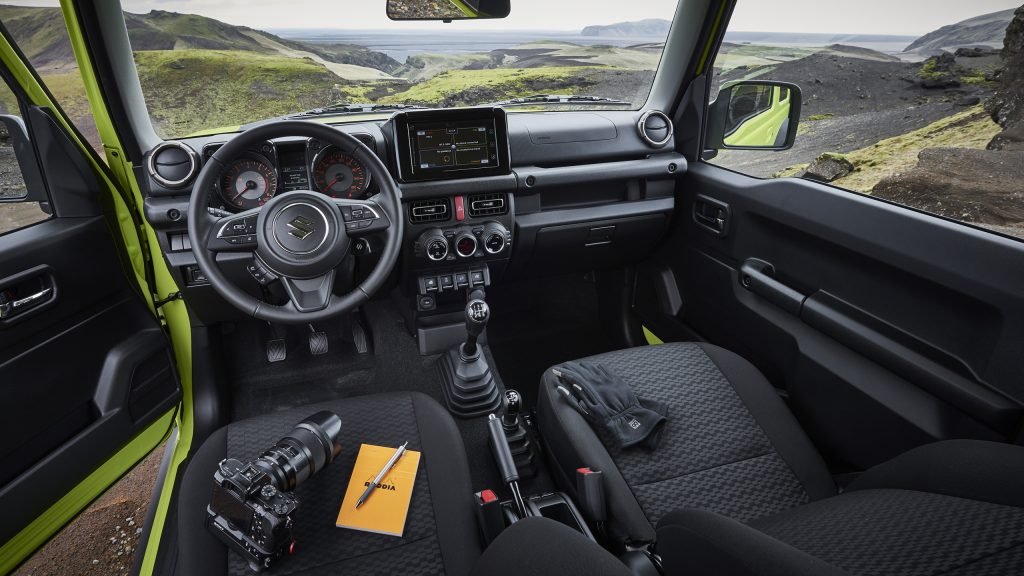
Interior: Built for Abuse, Not Luxury
If you are expecting the plush comfort of a Harrier, you will be disappointed. The Jimny’s interior is “utilitarian,” designed to be used, abused, and easily cleaned.
The Vibe: Everything feels solid and chunky. The dashboard has a horizontal design to help the driver sense the angle of the car when off-roading. The controls are big enough to be operated even while wearing gloves.
Tech: Modern units (especially the 1.5L Sierra models) come with a 7-inch or 9-inch touchscreen infotainment system supporting Apple CarPlay and Android Auto, which is a lifesaver for navigating the wild terrains of the Kenya’s Savannas
Space:
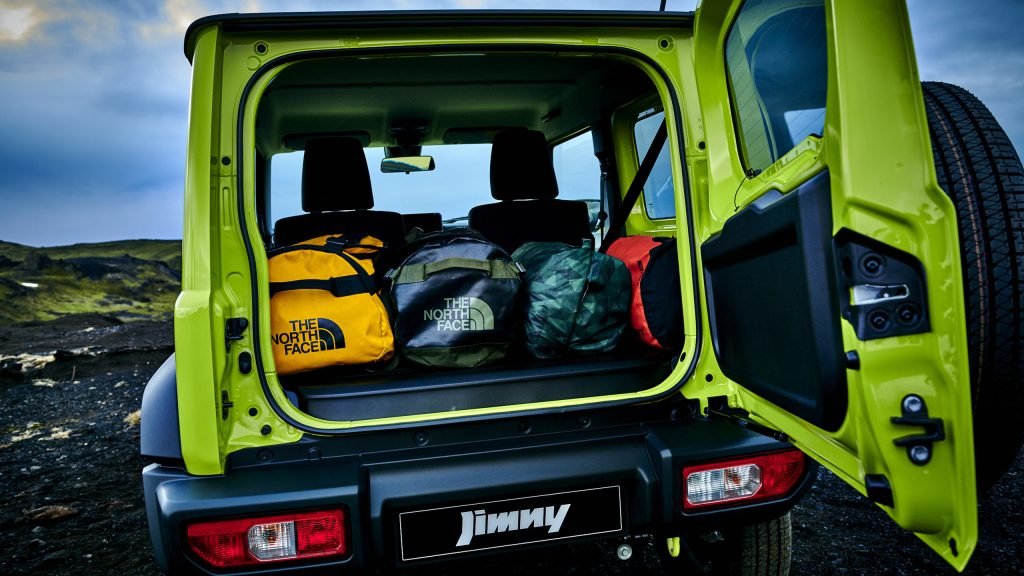
3-Door: The rear seats are tight. With them up, the boot space is virtually non-existent (85 liters)—barely enough for a gym bag. You will likely drive with the rear seats folded flat 90% of the time.
5-Door: This fixes the main complaint. You get usable rear legroom for adults and a decent boot (211 liters) that can actually fit weekend luggage without folding the seats.
Powertrain: The Off-Road Weapon
This is where the Jimny earns its stripes. It doesn’t use a powerful engine to go fast; it uses a clever system to go anywhere.
The Engine: Most units in Kenya (the “Sierra” grade) come with the K15B 1.5-liter petrol engine (100 HP).
Note: Be careful with “Grey Imports.” Some cheaper units from Japan are 660cc Turbo (Kei cars). These are fine for the city but struggle significantly on Kenyan highways or steep climbs like the Rift Valley Escarpments. Always go for the 1.5L if you can.
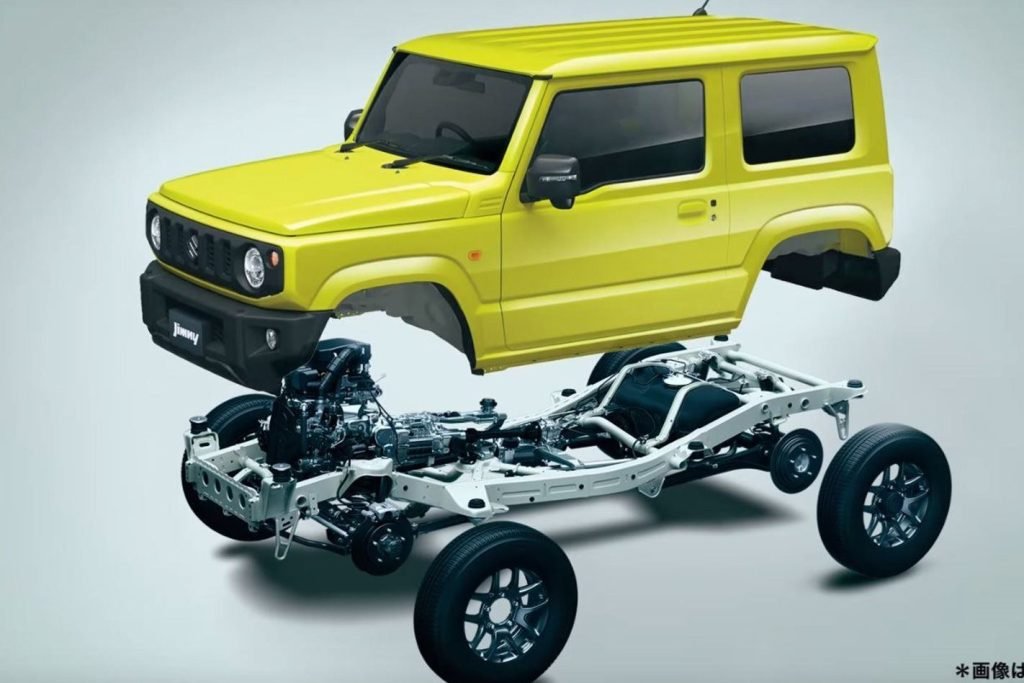
Transmission: Available in a 5-speed manual or a 4-speed automatic. The auto is old-school but reliable.
Off-Road Capability: This is not an AWD crossover; it is a proper 4WD. Whether you find yourself in the muddy jungles of Kakamega forest or the sandy beaches of Diani, you’re sure that the Jimny will always bring you back home in one piece. This is all possible due to its AllGrip Pro, which is a traditional part-time 4WD system. You normally drive in 2H (Rear Wheel Drive) to save fuel, and shift the mechanical lever into 4H or 4L (Low Range) for the times you need to the grip of all the wheels.
Clearance & Angles: With 210mm of ground clearance and short overhangs, the Jimny can climb over rocks and exit steep ditches that would rip the bumpers off a RAV4 or X-Trail. Its light weight (just over 1,100kg) means it “floats” over mud where heavy Land Cruisers might sink.
Prices in Kenya (2024/2025 Estimates)
Pricing varies heavily depending on whether you are buying a fresh import, a locally used unit, or brand new from the dealership (CFAO Motors).
| Model Year / Type | Estimated Price Range (KES) | Notes |
| 2018-2019 (660cc) | 1.3M – 1.6M | Economical city car, struggles on highway. |
| 2018-2019 (1.5L Sierra) | 2.2M – 2.8M | The “proper” global spec. Highly sought after. |
| 2020-2022 (Used/Import) | 2.8M – 3.5M | Newer imports, high grade (GLX/JC). |
| Brand New (5-Door) | 4.4M – 4.7M | Showroom price (CFAO/Dealers) for the new XL model. |
(Price ranges are estimates and have been quoted in November 2025. The actual figures might change over time due to various factors)
Tip: Resale value for the Jimny is surprisingly high. They depreciate much slower than standard sedans because demand always outstrips supply.
Running Costs & Maintenance
The Jimny is generally a wallet-friendly car to run compared to other 4x4s.
- Fuel Economy:
- City: Expect 9 – 11 km/L in Nairobi traffic. It’s not as efficient as a Vitz because of its boxy shape and gearing.
- Highway: Expect 14 – 16 km/L if you keep speeds reasonable (under 100kph).
- Maintenance:
- The K15B engine is simple and shared with the Suzuki Ertiga and Ciaz, meaning parts are relatively easy to find.
- Service intervals are standard (every 5,000 – 10,000km).
- Suspension components are robust (rigid axles), so you won’t be replacing bushings every month like you might on a delicate crossover.
- The “Wobble”: A known issue in older Jimnys is the “steering wobble” at around 70-80kph. This is usually fixed by balancing wheels or installing a steering damper, which is a common aftermarket upgrade in Kenya.
Sipitali’s thoughts…
The Suzuki Jimny is not a car you buy with your head; you buy it with your heart. It is bumpy on the highway, has a small boot, and isn’t very fast. But on a rainy Saturday in the Aberdares, or weaving through a chaotic Nairobi jam, there is no car more fun or capable for the price. Also, its tiny personality means you will bond with it fast. And unlike women, it won’t break your heart or cheat on you, but fill you with nostalgic memories of the adventures you’ll take together.