
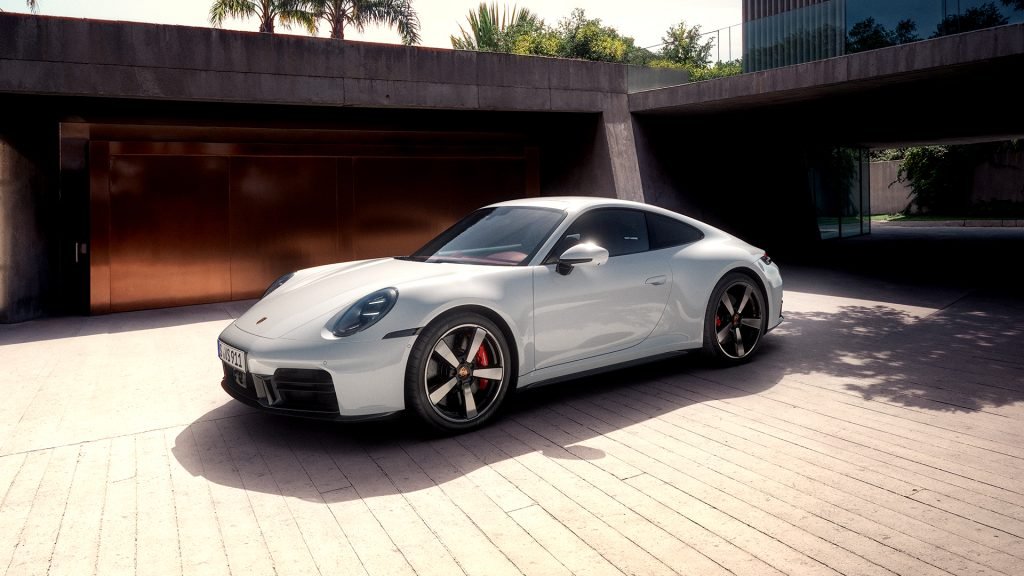
The recent news of hundreds of Porsche luxury vehicles in Russia suddenly turning into immobile “bricks” has sent shockwaves through the automotive world. Reports indicate that a failure in the cars’ satellite-based Vehicle Tracking System (VTS) — a feature designed for anti-theft and remote services — has triggered their immobilizers, leaving owners unable to start their own vehicles. While the exact cause is still under investigation, with theories ranging from deliberate remote disabling due to geopolitical tensions to the collateral damage of electronic warfare jamming, one thing is clear: our cars are no longer just mechanical beasts; they are computers on wheels.
This incident serves as a stark and timely case study for a broader trend that has been quietly revolutionizing personal transport: the complete digitization of the automobile.
The Era of Simplicity: When Cars Were Just Machines
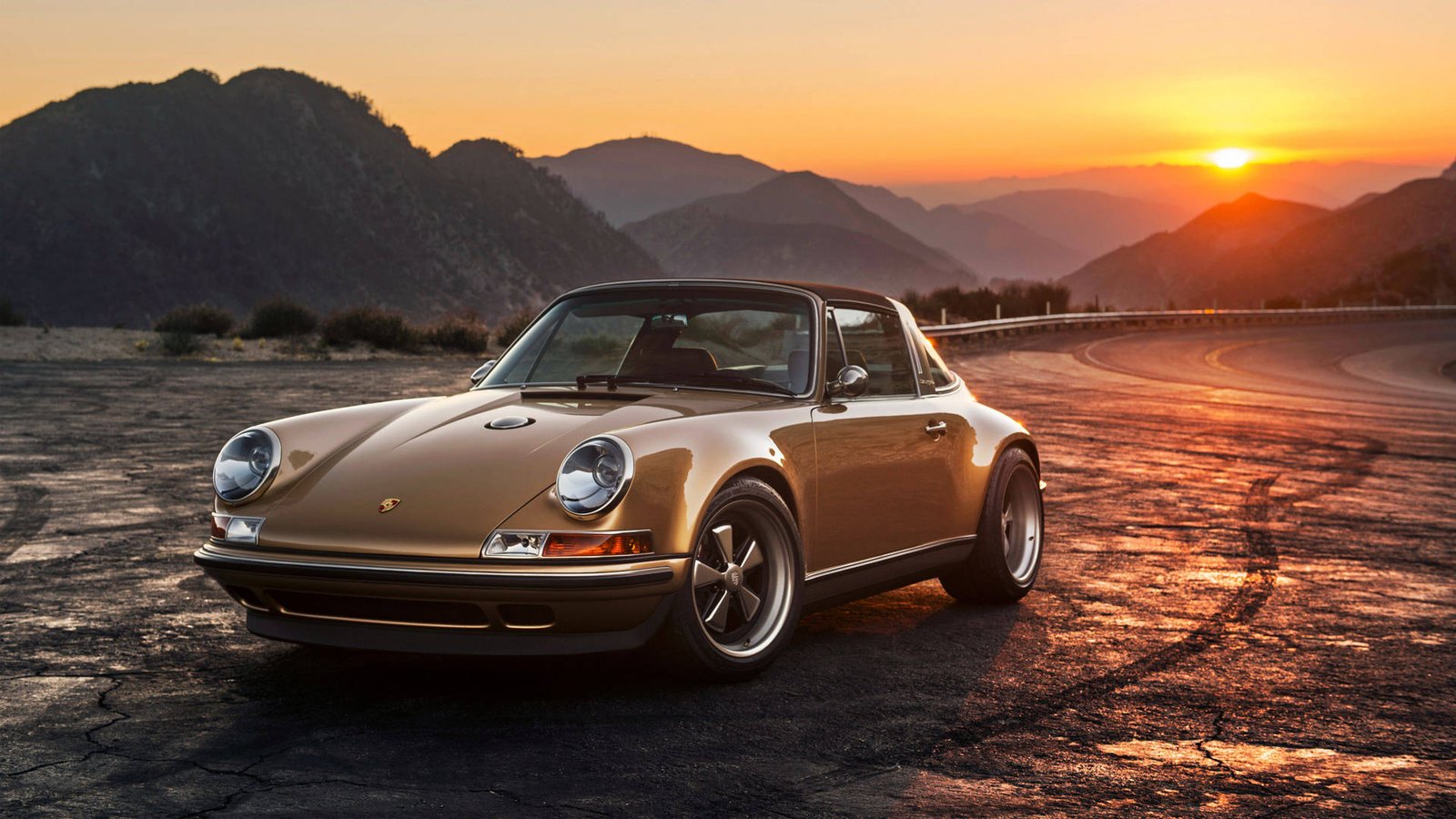
It wasn’t so long ago that a car was a purely mechanical device. Think of a classic 1960s Porsche 911. Its soul was an air-cooled flat-six engine, its nervous system a simple wiring harness for lights and ignition, and its brain was the driver.
- No Chips, No Code: There were no microprocessors, no lines of software code, and no internet connection.
- Mechanical Fixes: If something broke, you could often fix it with a wrench and a screwdriver. A skilled mechanic could diagnose an issue by sound and feel.
- Independence: Once you bought the car, it was yours. It had no tether to the manufacturer. No one in Stuttgart could press a button to stop your car from running in Siberia.
The Digital Revolution: The Computer Takes the Wheel
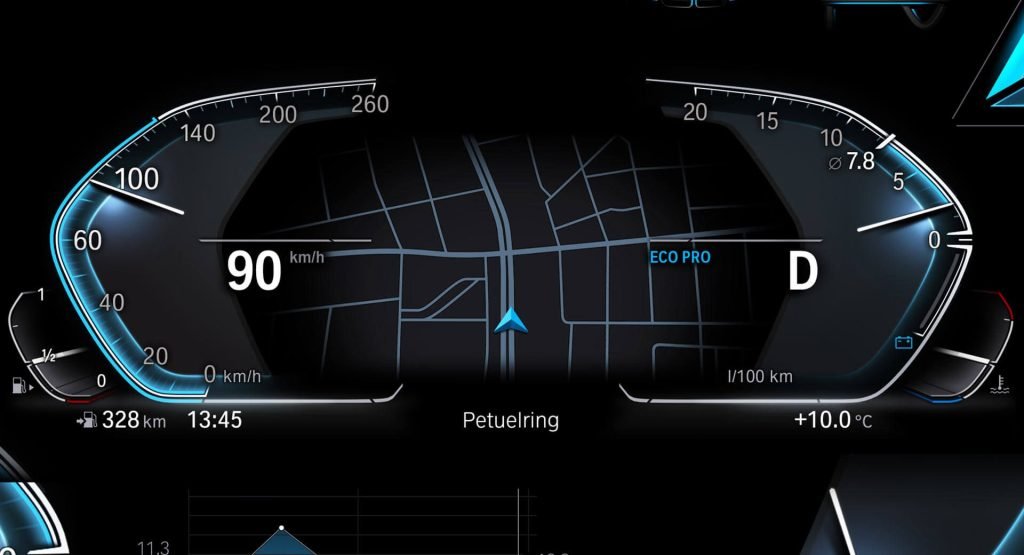
Starting in the 1970s and accelerating rapidly through the 90s and 2000s, microchips began to replace mechanical systems. First came Electronic Fuel Injection (EFI) for better efficiency, then Anti-lock Braking Systems (ABS) for safety. Today, a modern luxury car like a Porsche Panamera contains over 100 million lines of code—more than a fighter jet or a commercial airliner.
The modern car is a “Software-Defined Vehicle.” Everything from the engine’s power output and suspension stiffness to the ambient lighting and infotainment system is governed by computers. And crucially, these computers are connected to the internet via cellular networks.
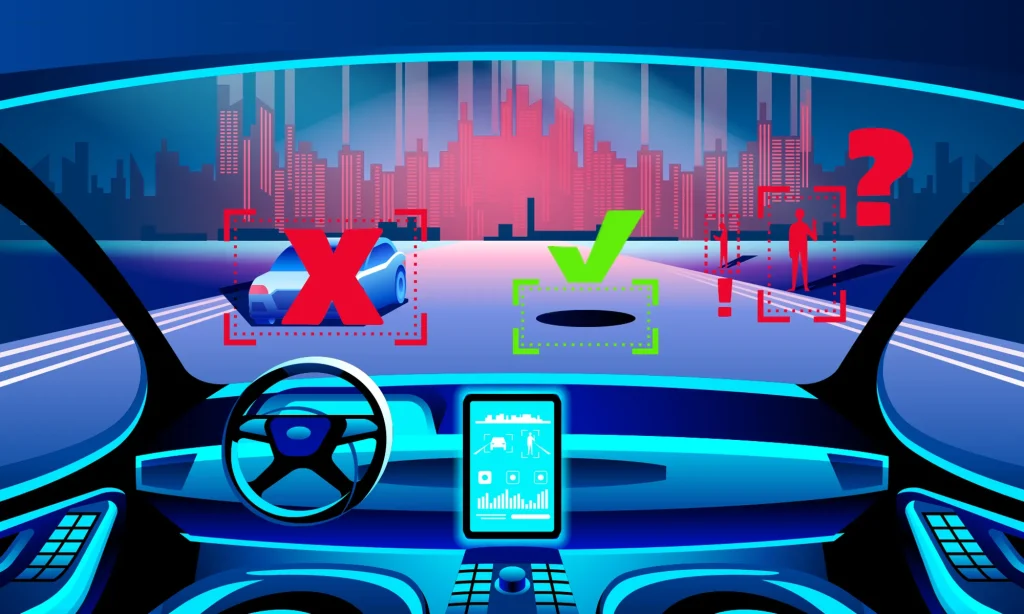
And it doesn’t stop there. With the advent of Artificial Intelligence, cars have now become independent think machines that are fully capable of making a decision by themselves. An example was a viral video of a Chinese based Huawei M9 driving itself away from flood waters autonomously without any human trigger. Then the vehicle texted its owner of its new parking spot. The big question is, to what extent?
The Pros: A New World of Convenience and Safety
This digitization has brought undeniably massive benefits:
- Unprecedented Performance & Efficiency: Computers can adjust fuel mixtures, ignition timing, and turbo boost thousands of times per second, extracting levels of power and fuel economy that mechanical engineers could only dream of.
- Advanced Safety: Systems like automatic emergency braking, lane-keeping assist, and adaptive cruise control rely on sensors and software to prevent accidents and save lives.
- Convenience & Updates: You can unlock your car with your phone, pre-heat the cabin on a cold morning from your kitchen, and get over-the-air (OTA) software updates that add new features or fix bugs without ever visiting a dealership.
- Anti-Theft & Recovery: As Porsche intended with its VTS, connected systems can track a stolen vehicle and even remotely disable it to aid recovery.
The Cons: The New Vulnerabilities
However, as the Porsche situation in Russia so dramatically illustrates, this connectivity is a double-edged sword.
- Loss of Ownership & Control: You may own the physical hardware, but the manufacturer controls the software that makes it run. Features can be added, removed, or disabled remotely. The “kill switch” is now a reality.
- Cybersecurity Risks: A connected car is a new target for hackers. Theoretically, a malicious actor could remotely unlock doors, disable brakes, or, as we’re seeing, brick an entire fleet of vehicles.
- Geopolitical Vulnerability: Cars are now part of the Internet of Things (IoT), making them susceptible to geopolitical fallout. Sanctions, data privacy laws, or even electronic warfare in a conflict zone can have unintended consequences for car owners, rendering their expensive property useless.
- Complexity & Repair Costs: You can’t fix a software bug with a wrench. Diagnosing and repairing modern cars requires specialized, expensive equipment and proprietary software, locking out independent mechanics and driving up costs for consumers.
The Future: Where Do We Go From Here?
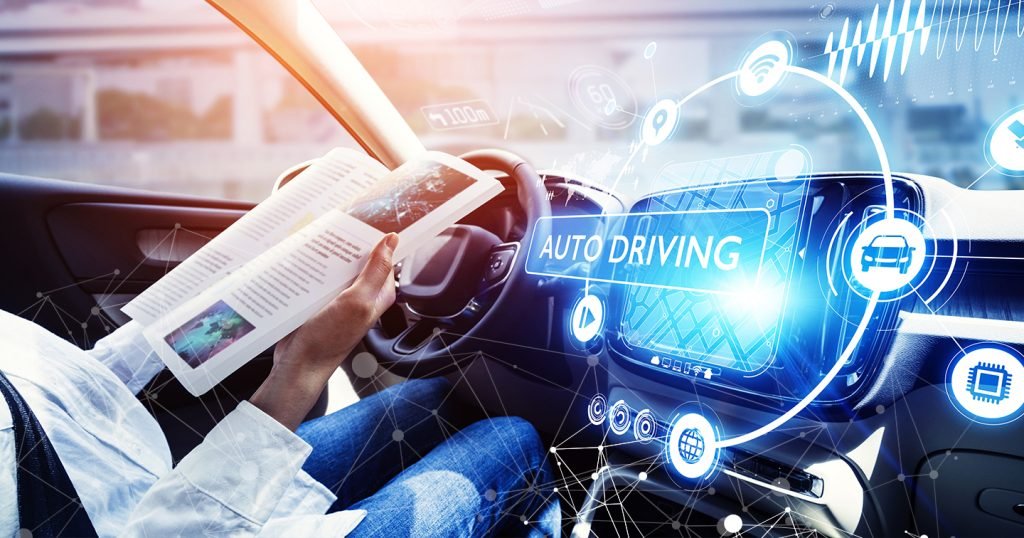
The digitization of the car is inevitable and irreversible. The future is one of even greater connectivity, leading ultimately to fully autonomous vehicles. The Porsche incident is a powerful wake-up call, highlighting critical questions that the industry and consumers must face:
- Who Really Controls the Car? We need a clearer legal and ethical framework defining the rights of car owners versus the powers of manufacturers over the vehicle’s software.
- Cybersecurity as a Priority: Security cannot be an afterthought. Manufacturers must build robust, military-grade security into vehicle architecture from day one to protect against both criminals and state actors.
- The Right to Repair: Consumers need access to the diagnostic tools and software required to maintain their own vehicles, preventing a monopoly on repairs.
Sipitali’s Thoughts…
The transition from mechanical simplicity to digital complexity has given us cars that are safer, faster, and more capable than ever before. But it has also introduced a new layer of vulnerability and a lack of personality gives car owners a special connection with their machines. The image of a high-tech Porsche sitting powerless in a Russian driveway is a potent symbol of this new reality—a reminder that in a connected world, even the ultimate driving machine is only as good as its digital connection.