
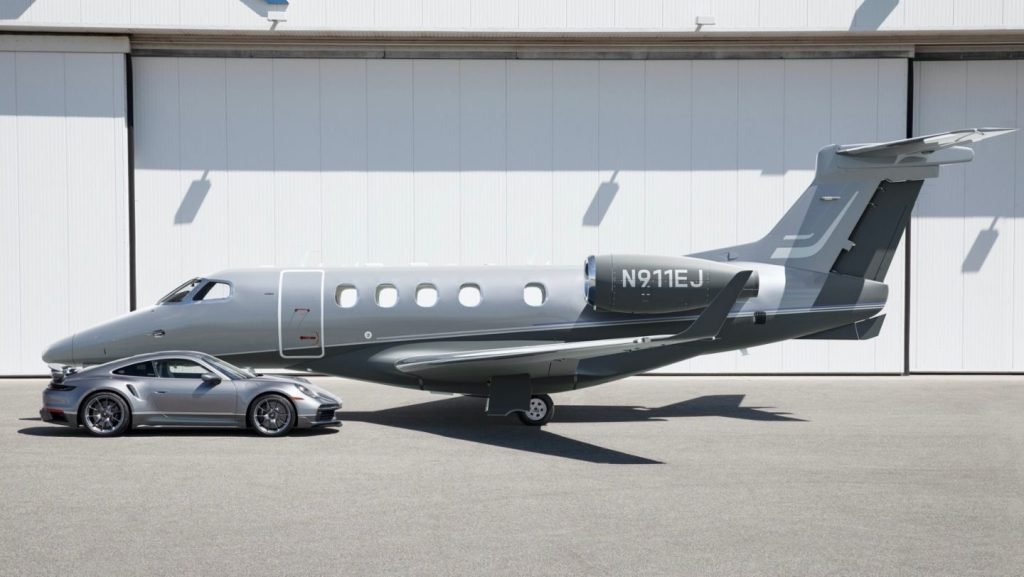
The name Porsche immediately conjures images of sleek sports cars, roaring engines, and blistering speeds on the open road. Yet, hidden beneath the iconic automotive legacy is another fascinating facet of the brand: Studio F.A. Porsche, a design powerhouse that extends the marque’s aesthetic principles far beyond asphalt, into the very skies themselves. While it might sound like a flight of fancy, Studio F.A. Porsche has a legitimate history of designing aircraft, culminating in their current, groundbreaking collaboration with aerospace giant Boeing on a premium electric flying car.
The Genesis of Design Beyond the Car
Studio F.A. Porsche was founded in 1972 by Ferdinand Alexander Porsche, the man who penned the legendary Porsche 911. His vision was to apply the same rigorous, minimalist, and functional design philosophy that defined Porsche cars to a wide array of products, from watches and sunglasses to industrial machinery and, yes, even aircraft. The core principle was always clarity, reduction to the essential, and a timeless elegance that transcended fleeting trends. This ethos proved surprisingly adaptable to the highly functional and safety-critical world of aviation.
For Studio F.A. Porsche, designing an aircraft isn’t merely about aesthetics; it’s about optimizing the user experience, enhancing functionality, and creating an environment that is both luxurious and intuitively ergonomic. Whether it’s the precise placement of controls in a cockpit or the thoughtful layout of a cabin, their approach mirrors the driver-centric design of their automotive counterparts. Every element is considered for its purpose and how it contributes to the overall sense of control, comfort, and sophistication.
Early Ventures into Aviation: Private Jets and Revolutionary Concepts
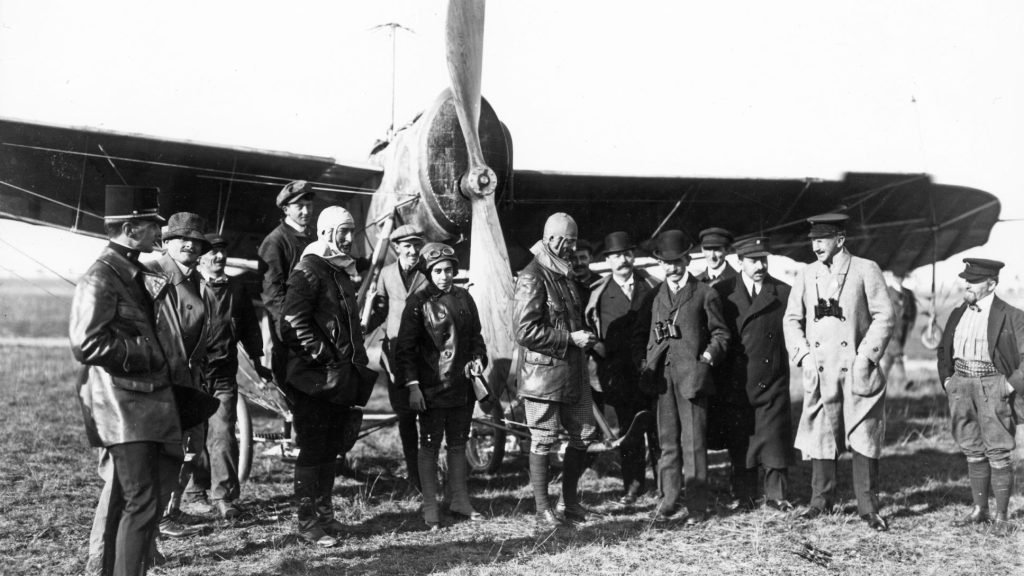
While not widely publicized, Studio F.A. Porsche quietly made its mark in aviation design long before the buzz of flying cars. One notable project involved the Grob SPn light business jet in the early 2000s. Grob Aerospace, a German aircraft manufacturer, enlisted Studio F.A. Porsche to design both the cockpit and the passenger cabin of their innovative jet.
The result was a testament to the studio’s ability to translate automotive luxury and ergonomics into an aerospace context. The cockpit, often a cluttered array of instruments, was streamlined for clarity and ease of use, reflecting the intuitive layout of a Porsche dashboard. Materials were chosen for both their durability and their premium feel, ensuring that pilots and passengers alike experienced the signature Porsche blend of functionality and understated elegance. The passenger cabin, meanwhile, offered a spacious and sophisticated environment, prioritizing comfort and connectivity for discerning business travelers. It was a clear demonstration that Porsche’s design language wasn’t just about speed, but about a holistic, high-quality user experience.
Beyond specific aircraft, Studio F.A. Porsche also engaged in conceptual work, pushing boundaries in airline interiors. They explored ideas for space-saving and comfortable economy seats, showing a willingness to tackle even the most challenging aspects of commercial air travel, always with an eye toward intelligent design solutions. These early forays laid the groundwork, proving that the Porsche design DNA had a legitimate and valuable place in the skies.
The Modern Frontier: Porsche and Boeing’s “Flying Car” Vision
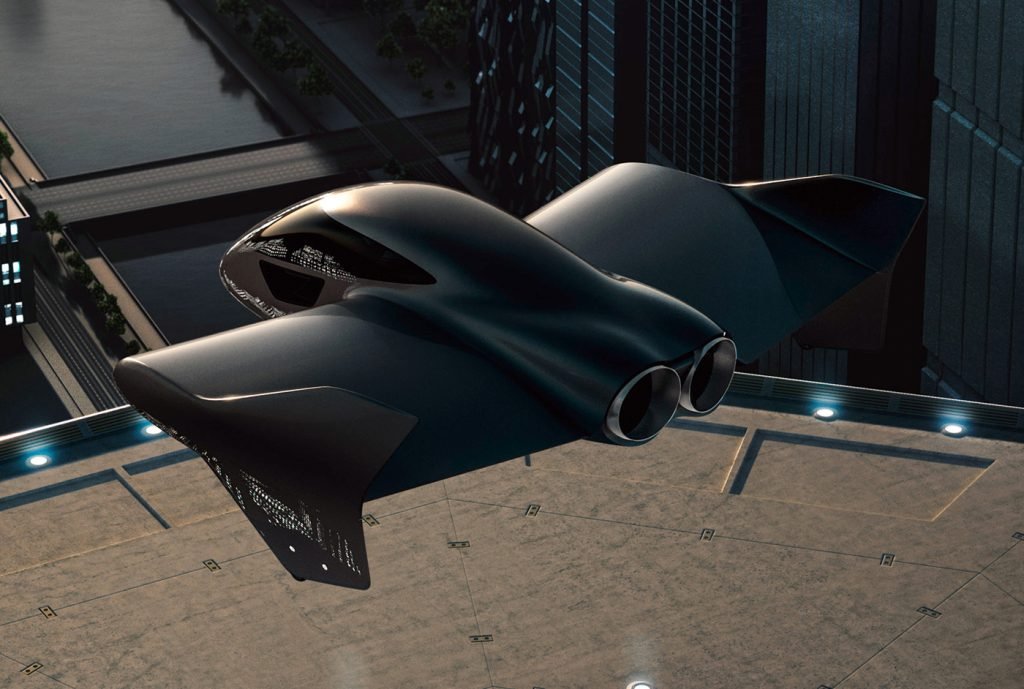
Fast forward to 2019, and Studio F.A. Porsche’s aviation ambitions took a monumental leap forward with the announcement of a strategic partnership between Porsche and Boeing. This collaboration isn’t just about branding; it’s a serious endeavor to explore and develop the premium urban air mobility (UAM) market, specifically focusing on an electric vertical takeoff and landing (eVTOL) vehicle—the much-anticipated “flying car.”
The core idea is to combine Boeing’s unparalleled expertise in aerospace engineering, flight systems, and certification with Porsche’s legendary capabilities in high-performance electric powertrains, luxury vehicle design, and precision manufacturing. It’s a marriage of two titans, each bringing indispensable skills to redefine personal transportation.
So, what is Studio F.A. Porsche’s role in this ambitious project?
Their involvement is absolutely crucial, particularly in shaping the interior and user experience of this revolutionary vehicle. While Boeing and its subsidiary Aurora Flight Sciences handle the complex aerodynamics, flight control systems, and fundamental aircraft structure, Studio F.A. Porsche is tasked with ensuring that this cutting-edge machine not only flies impeccably but also feels like a Porsche.
Imagine stepping into a flying vehicle that combines the intuitive controls of a modern sports car with the panoramic views of an aircraft. Studio F.A. Porsche’s mission is to:
- Craft the Cabin Interior: They are designing a cabin that is both futuristic and unmistakably premium. This means selecting materials that are lightweight yet luxurious, creating seating that is ergonomically perfect for both short hops and potentially longer aerial commutes, and ensuring every surface and touchpoint exudes quality.
- Develop the User Interface (UI) and Experience (UX): This is where the automotive DNA truly shines. Porsche is known for creating cockpits where every control is precisely where you expect it to be, where information is presented clearly, and where the driver feels connected to the machine. Studio F.A. Porsche is applying this philosophy to the eVTOL’s flight deck. The goal is an intuitive interface that simplifies complex flight information, making the experience feel natural and less daunting for future pilots (or even autonomous passenger systems). They are exploring innovative displays, haptic feedback, and voice controls to create a seamless interaction between human and machine.
- Define the Overall Aesthetic: Beyond the interior, their influence extends to the overall brand identity and styling. The “flying car” must look the part—sleek, aerodynamic, and imbued with that timeless Porsche elegance, even while defying gravity. It needs to convey luxury and innovation at first glance.
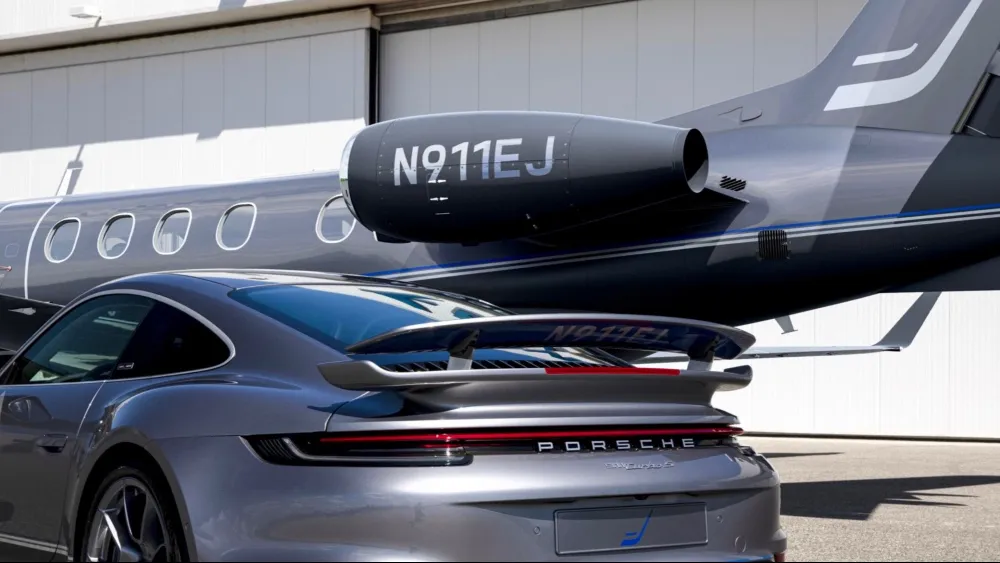
The Vision: A Premium “Flying 911”
The collaboration aims squarely at the “premium” segment of urban air mobility. This isn’t about mass public transport; it’s about creating a high-end personal mobility solution, perhaps for inter-city executive travel, luxury tourist experiences, or time-sensitive journeys for those who value efficiency and exclusivity. Think of it as the ultimate luxury commuter or a private air taxi that offers unparalleled speed and comfort.
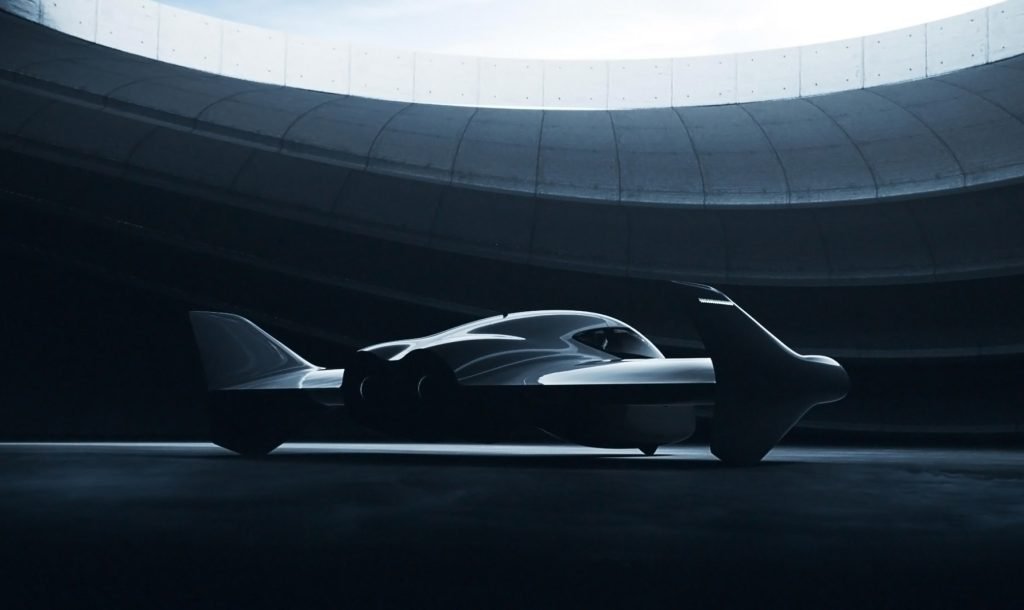
While the project remains in the research and concept phase, the initial renders and discussions paint a picture of a sleek, compact aircraft that combines the quiet efficiency of electric propulsion with the dynamic performance hinted at by the Porsche name. The partnership published images of a captivating concept for a premium electric vertical take-off and landing vehicle, indicating a multi-stage process from analysis to development and testing.
Conclusion: Porsche’s Enduring Design Legacy Takes Flight
Studio F.A. Porsche’s journey from designing iconic sports cars to shaping the future of air travel is a compelling narrative of design philosophy transcending mediums. Their involvement with Boeing in the eVTOL project isn’t just a gimmick; it’s a serious application of decades of design expertise to one of humanity’s most ambitious goals: personal flight.
As we look towards a future where urban air mobility could become a reality, it’s comforting to know that the same meticulous attention to detail, ergonomic precision, and timeless aesthetic that defines a Porsche on the road will likely define its successor in the sky. When the flying car finally takes off, it won’t just be an engineering marvel from Boeing; it will have the unmistakable touch of Studio F.A. Porsche, bringing a piece of the Autobahn’s elegance into the aerodrome.