
The air in the showroom feels different lately—quieter, more clinical, and missing the faint, metallic scent of a hard-run engine cooling down. For over a century, the heartbeat of the automotive world was measured in cylinders, gear ratios, and the visceral roar of a cold start at dawn. But as we cross the threshold into 2026, that familiar pulse is slowing. We are living through a profound “changing of the guard,” a moment where the posters on our childhood walls—from the high-tech snarl of the Nissan GT-R to the unyielding V8 rumble of the Land Cruiser 200—are being folded away. These weren’t just machines; they were milestones in our lives, the cars that took us on our first road trips, the ones we promised ourselves we’d own “one day,” and the ones that made us turn our heads every single time they passed.
As the industry pivots toward a silent, electrified future and the utilitarian dominance of the SUV, we find ourselves at a bittersweet crossroads. The departure of names like the Audi R8, the Jaguar F-Type, and even the steadfast Subaru Legacy feels like losing a piece of our collective history. This isn’t just a list of discontinued models; it is a tribute to the engineering marvels that defined our roads, challenged our limits, and sparked a passion for driving that no battery can quite replicate. Join us as we take one last look in the rearview mirror at the icons we are losing between 2020 and 2025—and celebrate the legacy they leave behind in the tire marks of history.
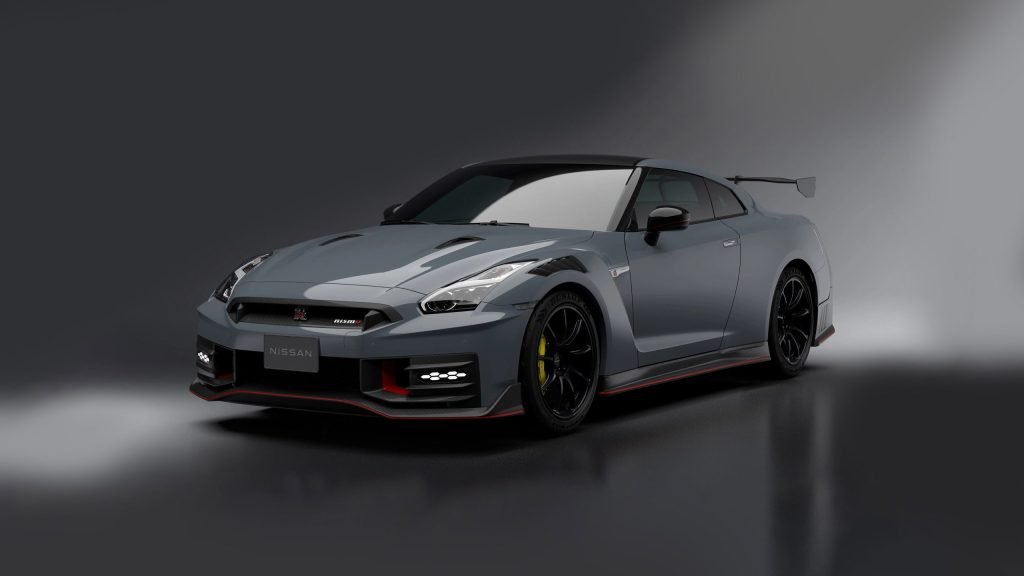
Nissan GT-R
The Nissan GT-R R35 first shocked the world in 2007, arriving as the high-tech successor to the Skyline GT-R lineage. Known as “Godzilla,” it redefined supercar performance by using a 3.8L twin-turbo V6 and an advanced all-wheel-drive system that could embarrass cars three times its price. Across nearly two decades, it saw numerous facelifts and power bumps, evolving from 480 hp to over 600 hp in Nismo trims.
After an incredible 18-year production run, Nissan officially announced the GT-R will be discontinued in 2025. While it remains one of the longest-lived performance platforms in history, the R35’s departure marks the end of an era for Japanese analog-digital engineering as the brand looks toward an electrified performance future.
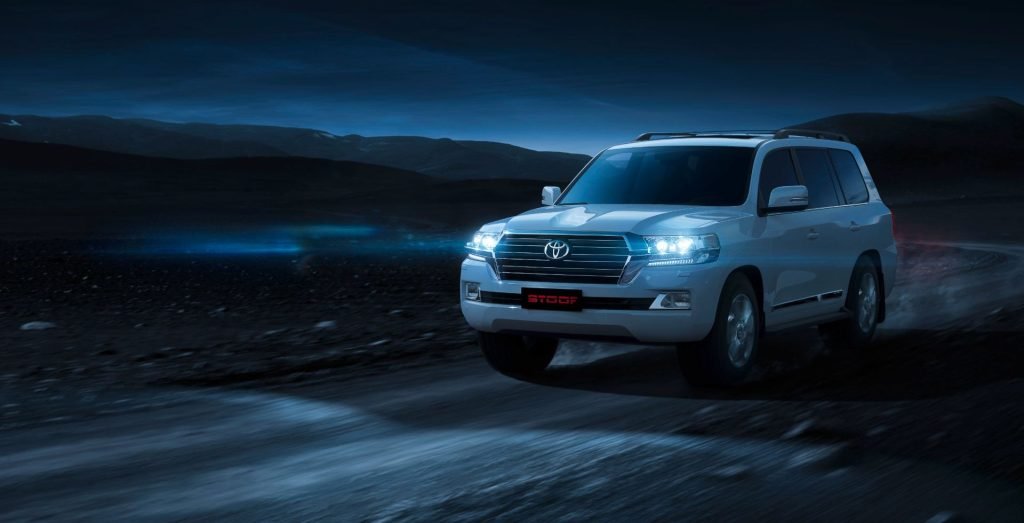
Toyota Land Cruiser 200 Series
Launched in 2007, the 200 Series took the Land Cruiser’s reputation for “indestructibility” and added a layer of V8 luxury. It replaced the 100 Series and introduced the legendary 4.5L V8 twin-turbo diesel (1VD-FTV) and the 5.7L petrol V8, becoming the gold standard for diplomats, off-roaders, and luxury buyers in markets like Kenya and Australia.
Despite its global popularity, Toyota ended production of the 200 Series in 2021. It was succeeded by the 300 Series, which swapped the beloved V8 engines for more efficient twin-turbo V6s. While the new model is more capable, the “200” remains a highly sought-after icon on the used market for those who refuse to let go of V8 power.
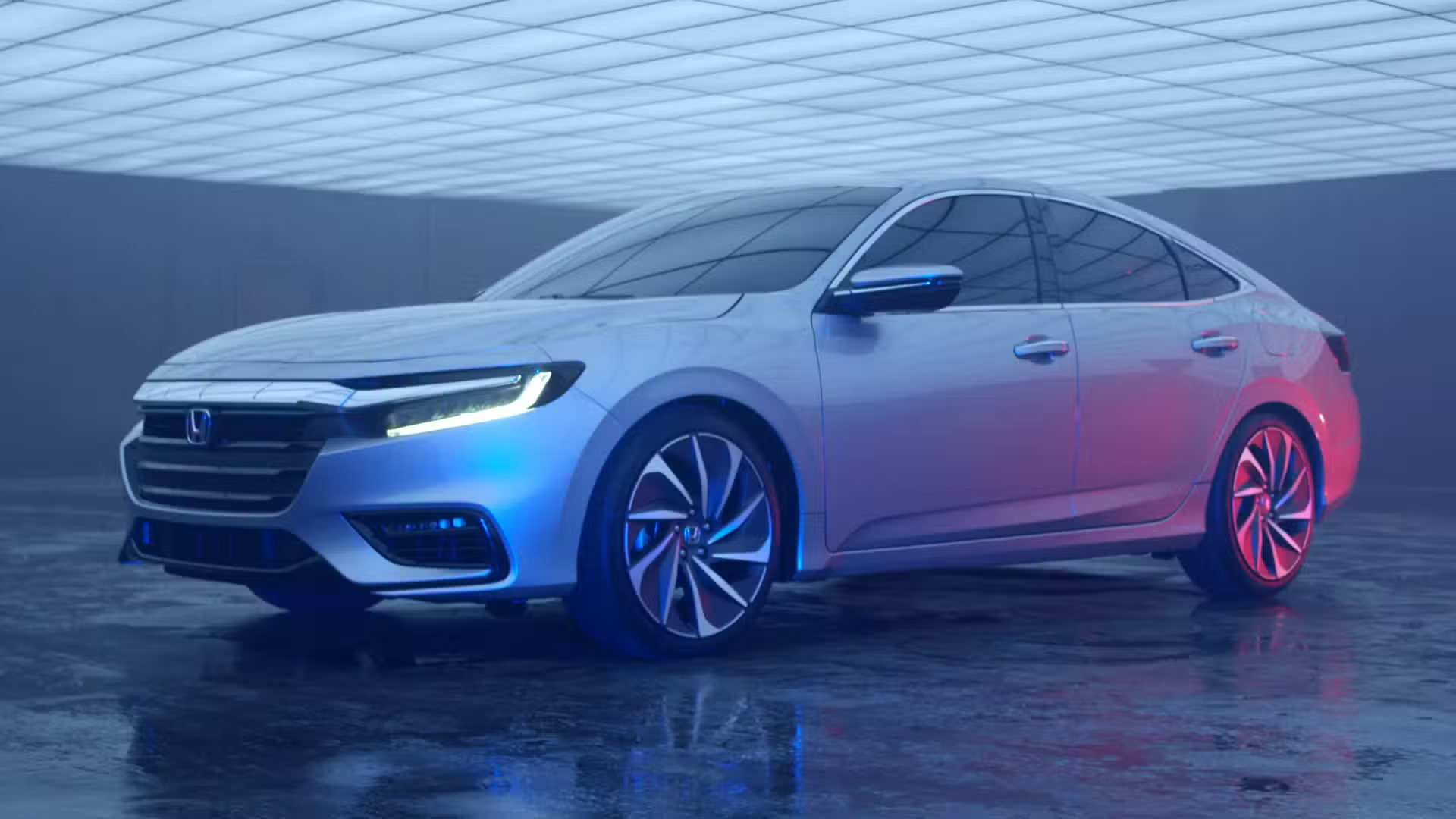
Honda Insight
The Honda Insight holds the title of the first hybrid car ever sold in the US, beating the Prius to market when it launched in 1999. The first generation was a quirky, aerodynamic two-seater with rear-wheel skirts. After a brief hiatus, it returned in 2009 as a five-door hatchback (Gen 2) and finally in 2018 as a sophisticated sedan (Gen 3) based on the Civic platform.
Despite its high efficiency and refined driving dynamics, Honda discontinued the Insight in 2022. The decision was strategic, as Honda chose to focus on hybrid versions of its core “nameplate” models, effectively replacing the Insight with the new Civic Hybrid.
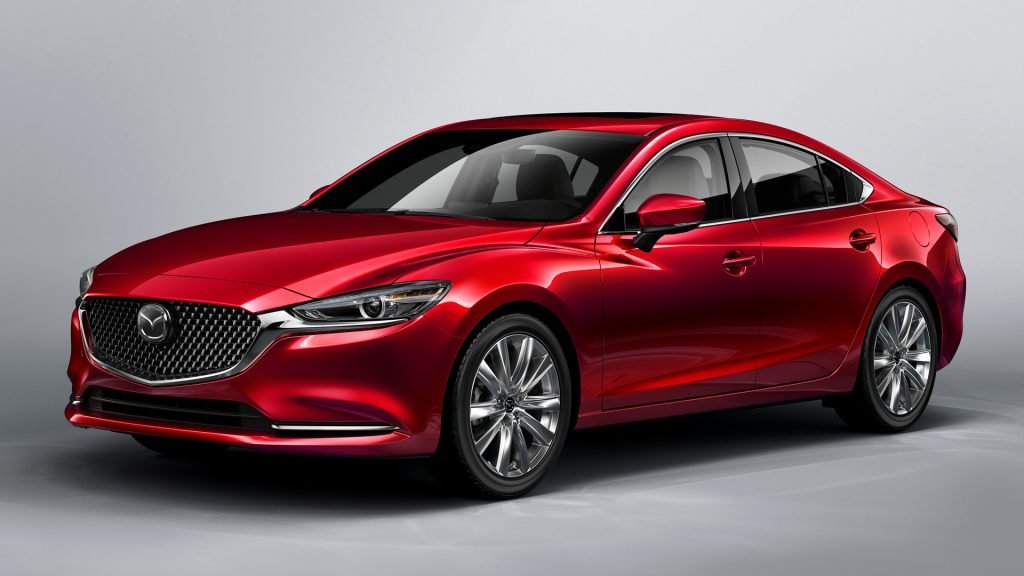
Mazda 6/Atenza
First launched in 2002 to replace the 626, the Mazda 6 (known as the Atenza in Japan) was the car that brought the “Zoom-Zoom” philosophy to the mid-size sedan segment. Over three generations, it became famous for its sharp handling and, in its final “Kodo” design phase (Gen 3, launched in 2012), its stunning premium aesthetics that rivaled German luxury brands.
After several years of declining sedan sales globally, Mazda pulled the 6 from North America in 2021 and officially ended Japanese production in 2024. While a spirit-successor exists in the form of the EZ-6 in China, the global Mazda 6 as we knew it has retired to make way for the CX-series SUVs.
Subaru Legacy
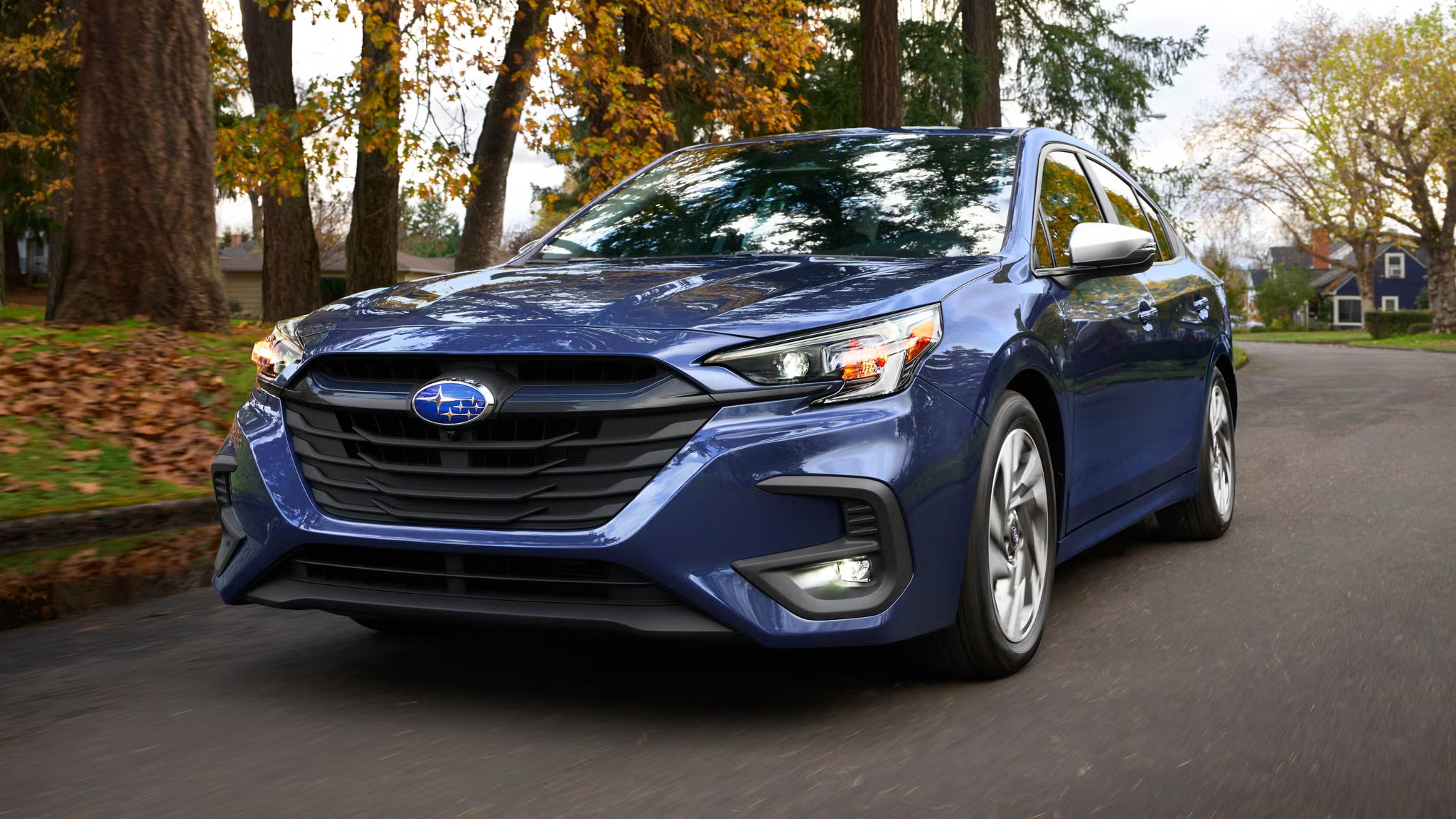
The Subaru Legacy debuted in 1989 as the brand’s flagship, tasked with moving Subaru upmarket. It was the model that pioneered the combination of a Boxer engine with Symmetrical All-Wheel Drive as a standard feature. Through six generations, it served as a reliable, weather-resistant alternative to the Camry and Accord, even spawning the famous Outback wagon.
Subaru officially ended production in Japan in 2020, but the model lived on in North America for a seventh generation. However, Subaru has confirmed that 2025 will be the final year for the Legacy, ending a 36-year legacy as the brand shifts its focus entirely to crossovers and electric SUVs.
Audi R8
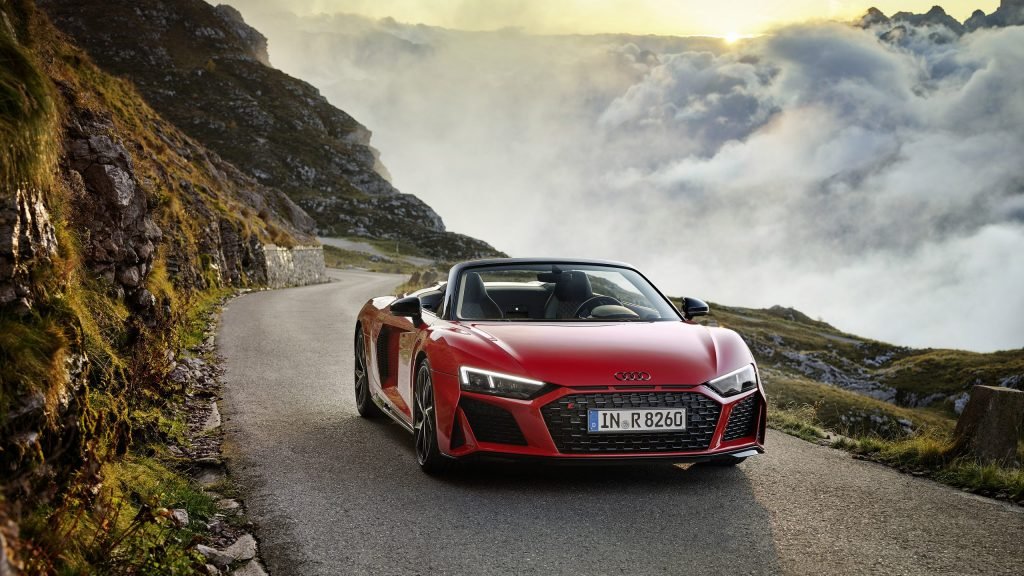
The Audi R8 changed the brand’s trajectory when it launched in 2006, famously appearing as Tony Stark’s car in Iron Man. Based on the Lamborghini Gallardo (and later the Huracán) platform, it offered everyday usability in a mid-engine supercar package. The first generation (Type 42) featured both V8 and V10 options, while the second generation (Type 4S, launched in 2015) focused exclusively on the screaming 5.2L V10.
Production of the R8 officially ended in March 2024 after a limited “GT” final edition. As Audi transitions to an all-electric “e-tron” future, the R8 leaves a void as one of the last naturally aspirated V10 supercars ever built.
Audi TT
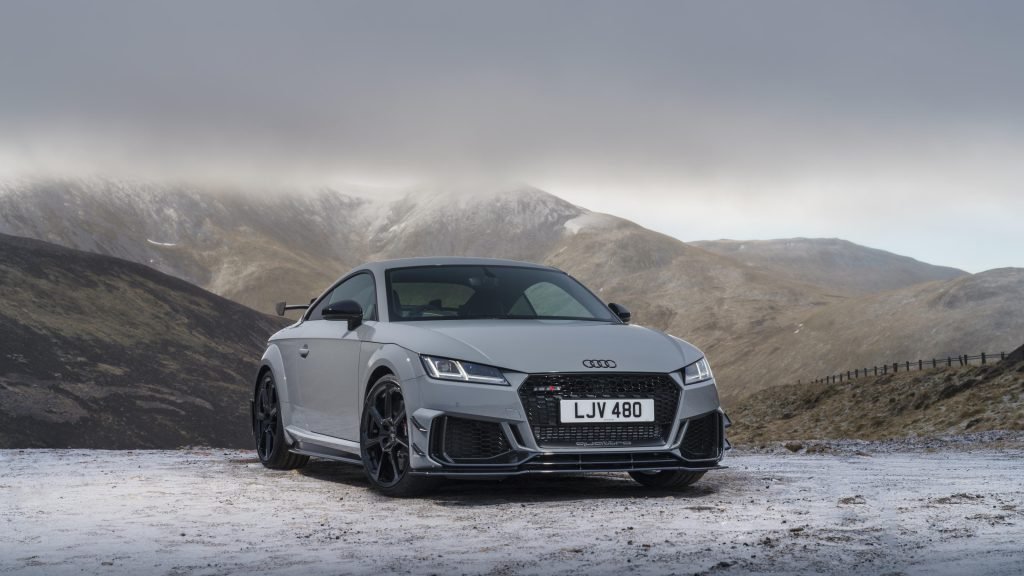
Launched in 1998, the Audi TT was a design revolution, bringing “Bauhaus” inspired geometry to the sports car world. Across three generations, it evolved from a stylish cruiser into a genuine performance threat, particularly in the 400 hp TT RS trim. Its MQB-based platform allowed it to be both practical and incredibly fast.
The final Audi TT rolled off the assembly line in November 2023. With over 660,000 units produced, the TT’s departure marks the end of Audi’s dedicated compact sports car era, as the company consolidates its sports car efforts into electric concepts.
Audi A5 Coupe & Cabriolet
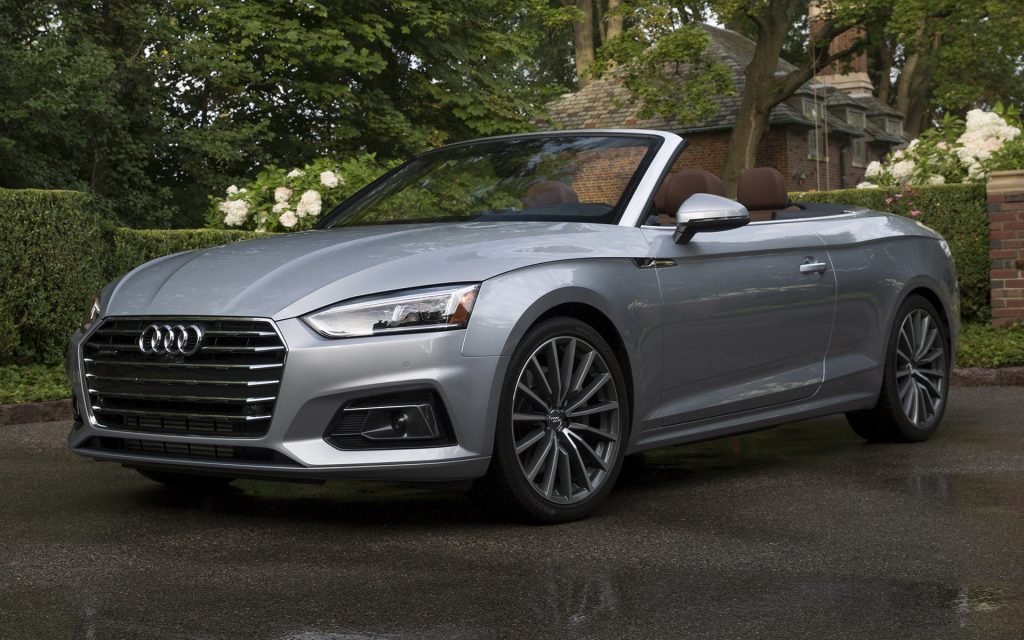
The Audi A5 was introduced in 2007 as a sleek, two-door alternative to the A4 sedan, designed by Walter de Silva who called it his most beautiful creation. It spanned two generations, offering Coupe, Cabriolet, and four-door Sportback variants. The model was praised for its timeless proportions and “tornado” character line.
In 2024, Audi confirmed the discontinuation of the A5 Coupe and Cabriolet for the 2025 model year. The “A5” nameplate is being repurposed for the successor to the A4 sedan, meaning Audi will no longer offer a traditional two-door luxury coupe or convertible in this segment.
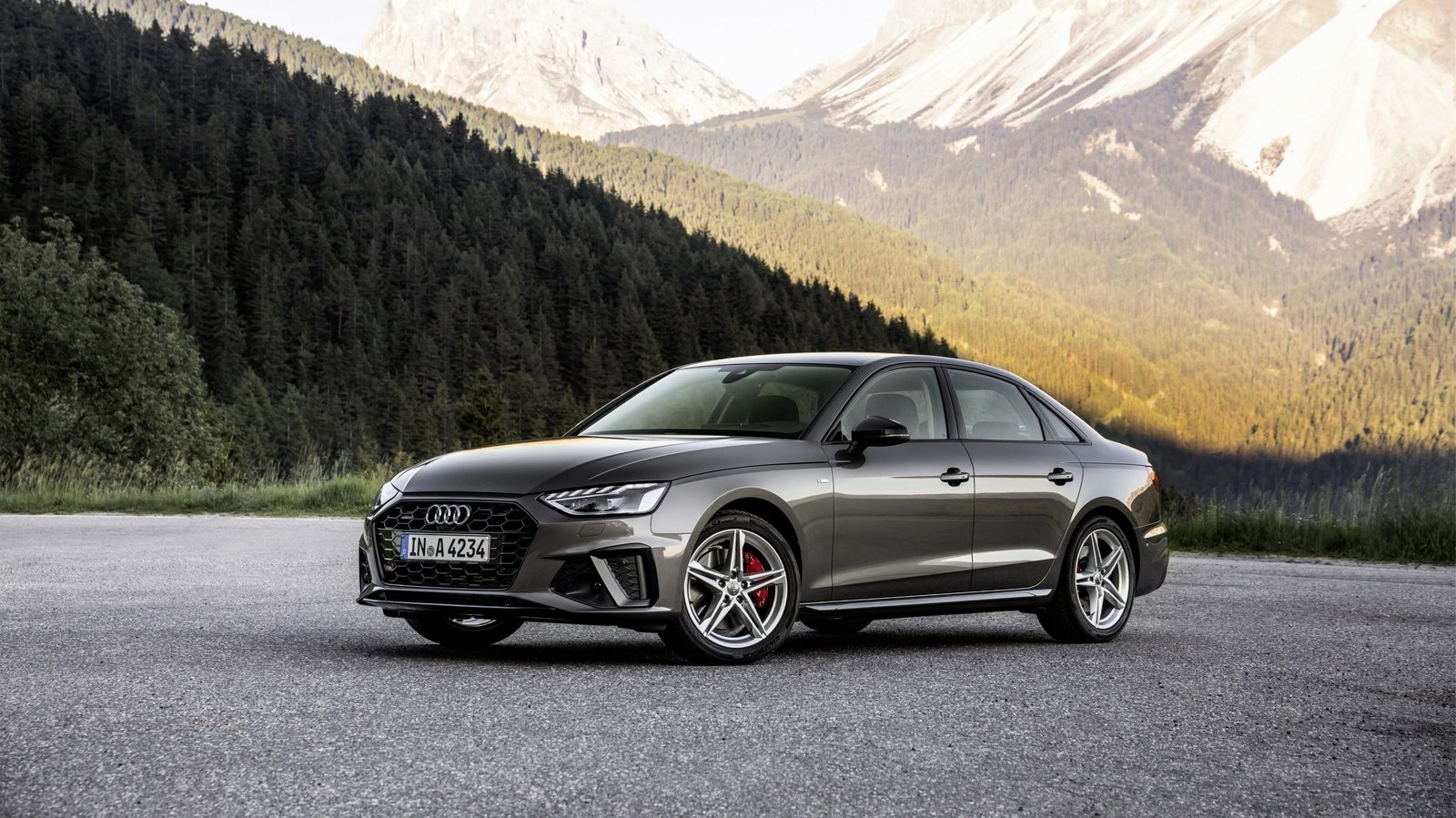
Audi A4 Sedan
The Audi A4 has been a cornerstone of the brand since it replaced the Audi 80 in 1994. Over five generations (B5 to B9), it defined the “compact executive” class with its tech-forward interiors and Quattro all-wheel drive. It was the car that brought Audi into direct, successful competition with the BMW 3 Series and Mercedes C-Class.
As part of Audi’s new naming strategy—where even numbers are reserved for EVs—the A4 Sedan as we know it is being discontinued in 2025. It is effectively being replaced by the new Audi A5, which will now feature a combustion engine in a sedan/sportback body style.
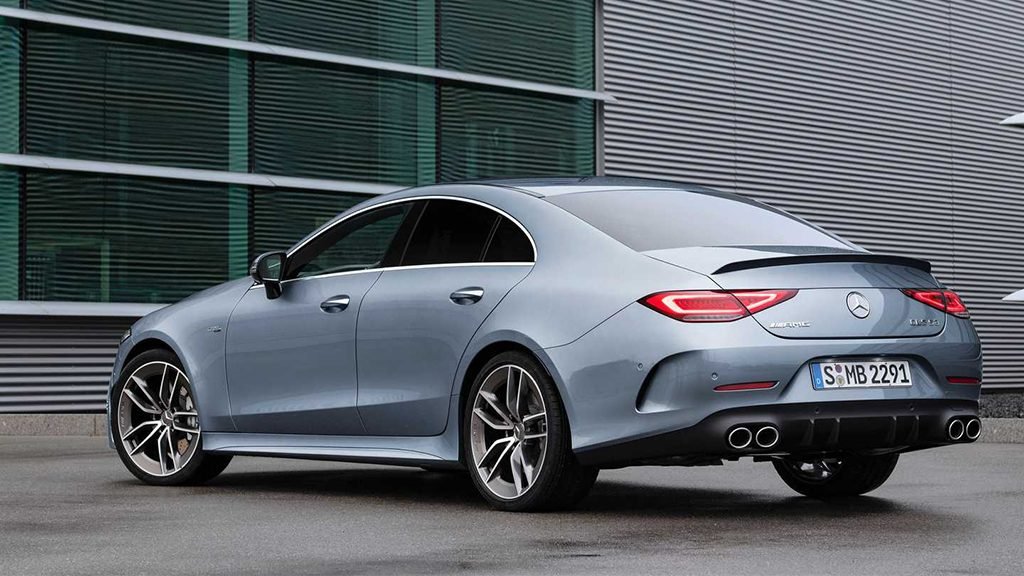
Mercedes-Benz CLS-Class
The CLS-Class shocked the industry in 2004 by creating the “four-door coupe” segment. By combining the chassis of an E-Class with a low, sweeping roofline, it prioritized style over rear-seat headroom. It saw three generations of production, with the second generation (W218) even offering a stunning “Shooting Brake” wagon.
Faced with internal competition from the AMG GT 4-Door and the electric EQE, Mercedes ended production of the CLS in 2023. It remains an icon of automotive design that forced almost every other luxury brand to create a competitor.
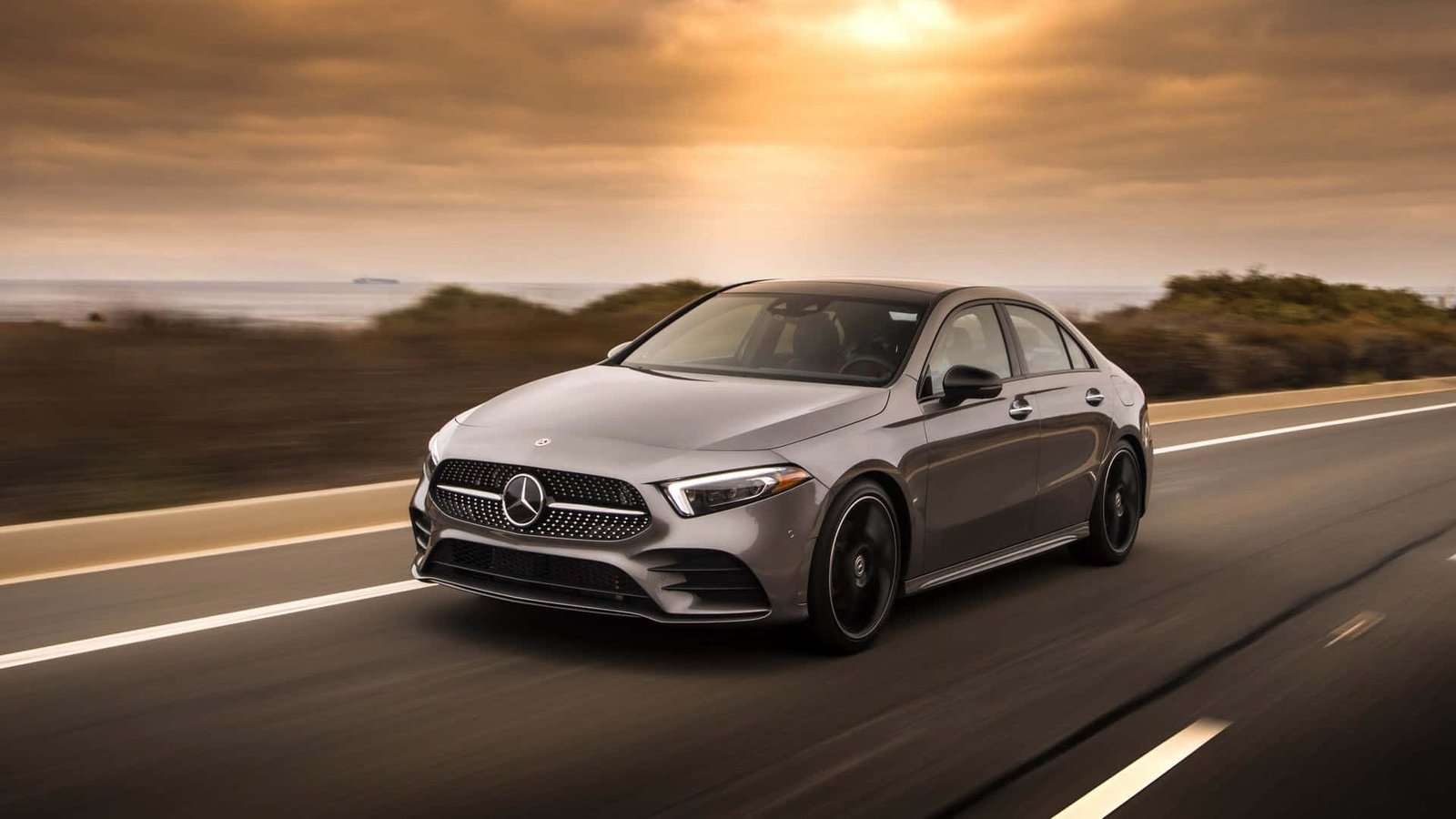
Mercedes-Benz A-Class Sedan
The A-Class nameplate has existed since 1997 as a hatchback, but the A-Class Sedan was launched globally in 2018 (V177) to act as the new “gateway” to the brand. It introduced the MBUX infotainment system and offered a more traditional luxury look than the “four-door coupe” CLA.
Mercedes discontinued the A-Class Sedan in North America in 2022 and is phasing it out globally by 2025. The brand is moving away from “entry-level” luxury to focus on higher-end “Top-End” and “Core Luxury” vehicles with better profit margins.
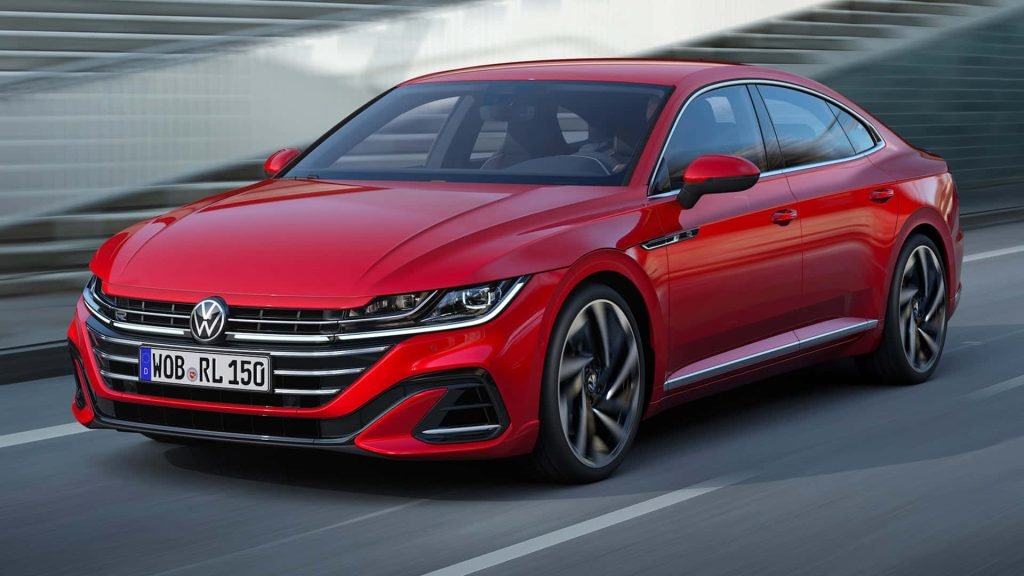
Volkswagen Arteon
The Arteon arrived in 2017 as the successor to the CC, serving as Volkswagen’s flagship “four-door coupe.” It was designed to be the “poor man’s Audi A7,” offering a liftback design, frameless windows, and a highly premium interior. Despite a facelift in 2020 that added a shooting brake variant for Europe, it struggled to find a significant audience.
Volkswagen ended production of the Arteon in 2024. Its place in the lineup is being filled by the ID.7, the brand’s flagship all-electric sedan, as VW moves toward a carbon-neutral portfolio.
Volkswagen Touareg
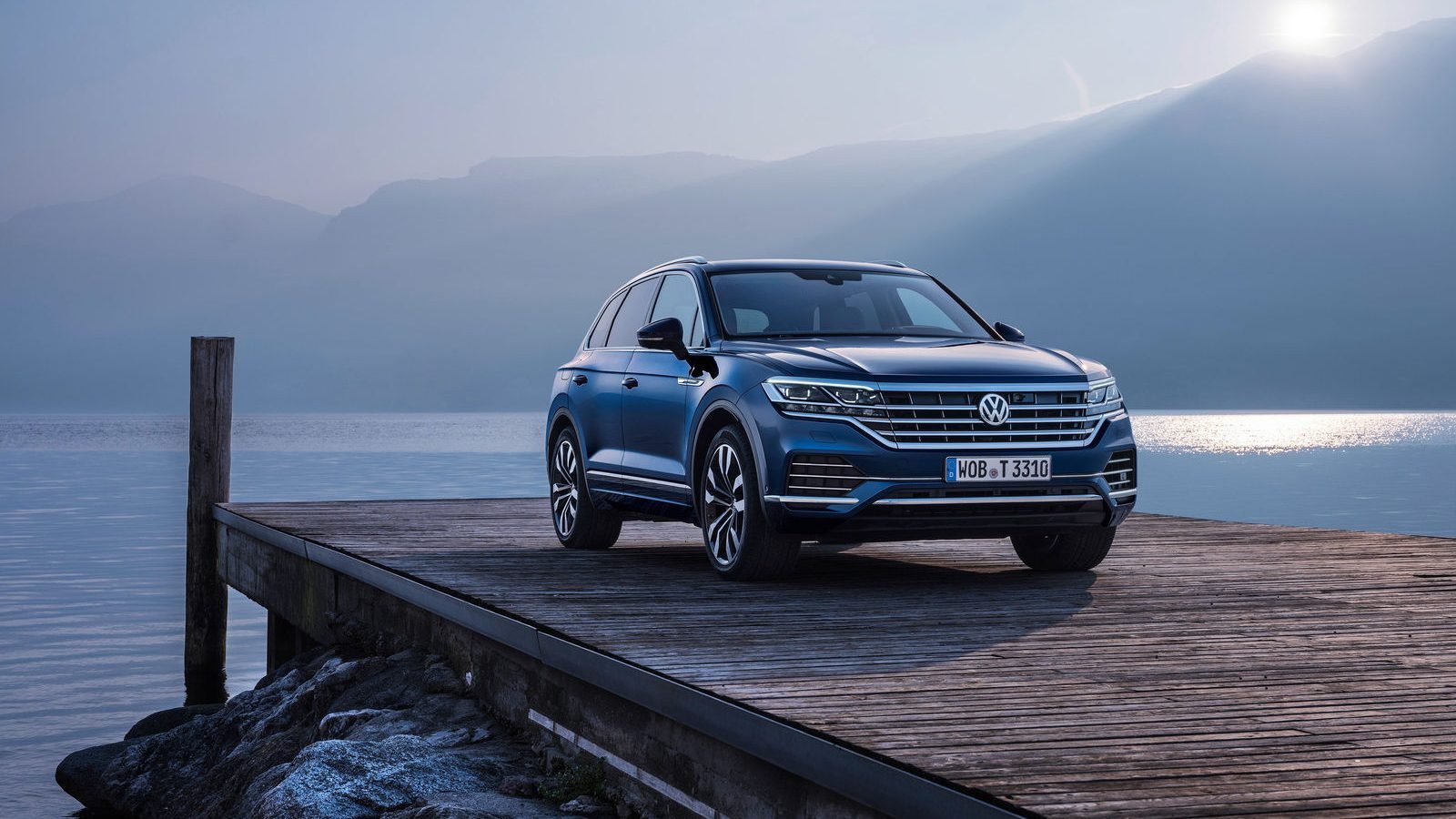
Launched in 2002, the Touareg was a joint project with Porsche (Cayenne) and Audi (Q7). It was a tour de force of engineering, once available with a massive V10 TDI engine that famously towed a Boeing 747. Through three generations, it has remained VW’s most luxurious and capable off-roader.
While the Touareg remains popular in Europe, Volkswagen has announced that production of the internal combustion Touareg will conclude in 2026 following a “Final Edition.” This marks the end of the brand’s heavy-duty luxury SUV era.
Volvo S60 & V60
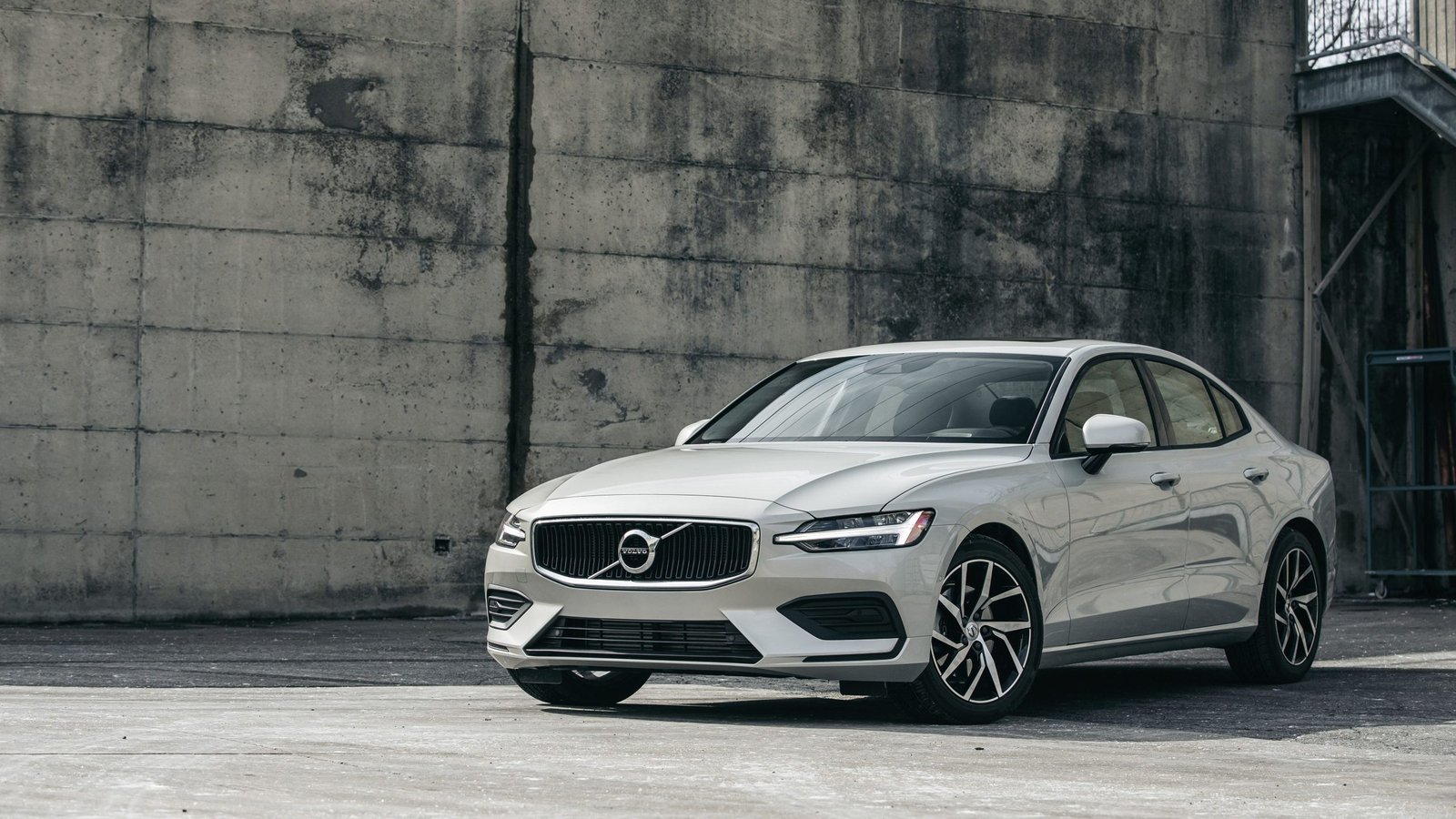
The Volvo S60 (sedan) and V60 (wagon) have been the heart of Volvo’s enthusiast lineup since 2000. The current third generation, launched in 2018, was the first Volvo built in the United States. They were known for class-leading safety, Scandinavian minimalism, and the high-performance “Polestar Engineered” plug-in hybrid variants.
As Volvo moves toward becoming a fully electric brand by 2030, production of the S60 and V60 ended for major markets in 2024. The brand is shifting all resources to its SUV-heavy electric lineup, including the EX30, EC40, and EX90.
The Jaguar Line-up (XE, XF, and F-Type)
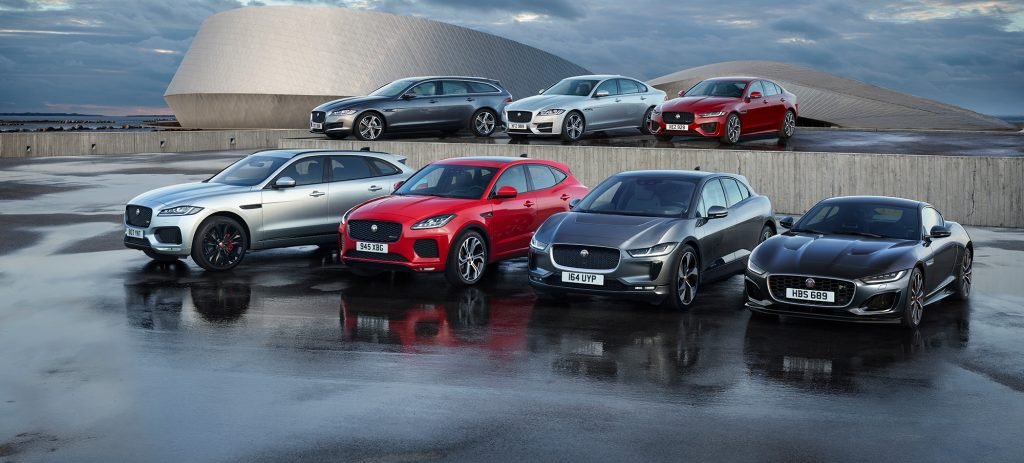
Jaguar’s modern era was defined by the XE (launched 2015), the XF (launched 2007), and the stunning F-Type sports car (launched 2013). These cars were designed to reclaim Jaguar’s “Grace, Space, and Pace” heritage, with the F-Type in particular being hailed as one of the most beautiful cars of the century.
In a move rarely seen in the industry, Jaguar discontinued nearly its entire lineup (XE, XF, F-Type, E-Pace, and I-Pace) in 2024 and 2025. The brand is “going dark” for a year to undergo a total brand reboot, relaunching in 2026 as an ultra-luxury, EV-only competitor to Bentley and Porsche.
Compiled By Sipitali Shitsukane
Car Enthusiast & Car Salesperson, Imports By Rigi