
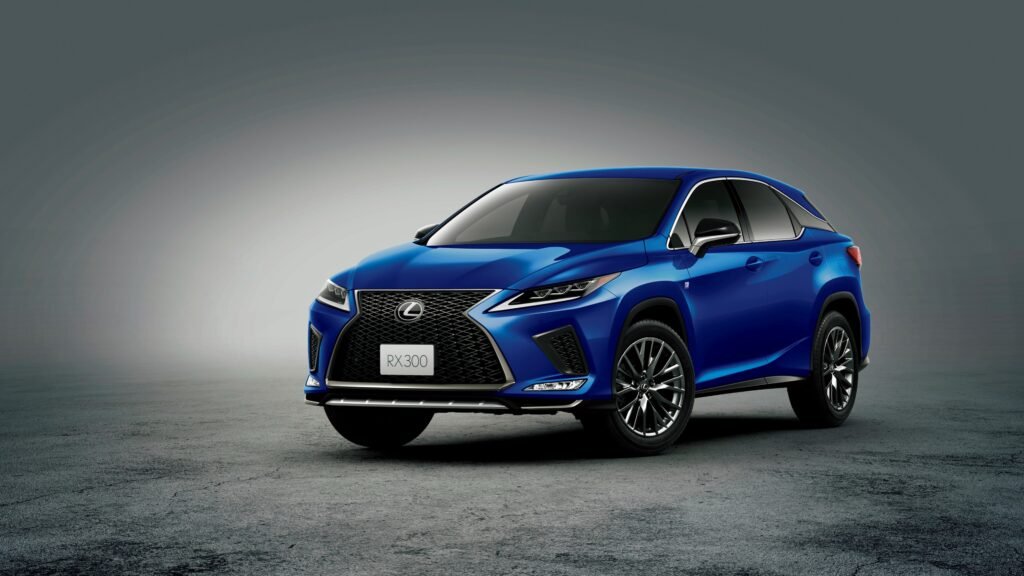
When looking at the 2020 Lexus RX lineup, the choice often boils down to a fundamental question of automotive character: Do you want the nimble, turbocharged energy of the RX 300, or the composed, high-efficiency power of the RX 450h? While they share the same DNA, these two crossovers offer vastly different driving experiences tailored to different types of owners.
Design Philosophy
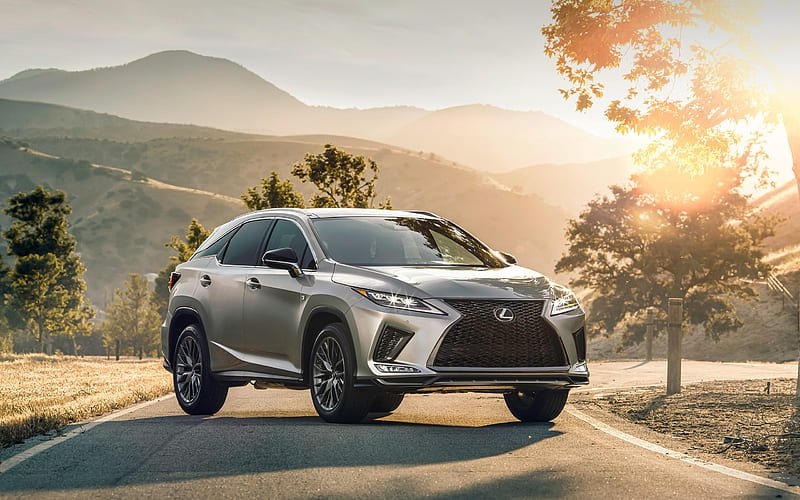
The 2020 refresh brought a more “sculpted” look to the entire RX family, but the RX 300 and RX 450h use design to communicate their differing missions. The RX 300 often leans into its role as the “sporty entry,” frequently seen in F-Sport trims that emphasize aggressive mesh grilles and visible dual-chrome exhausts. Its design philosophy is about “Visual Energy”—it wants to look as quick and light as its turbocharged engine feels.

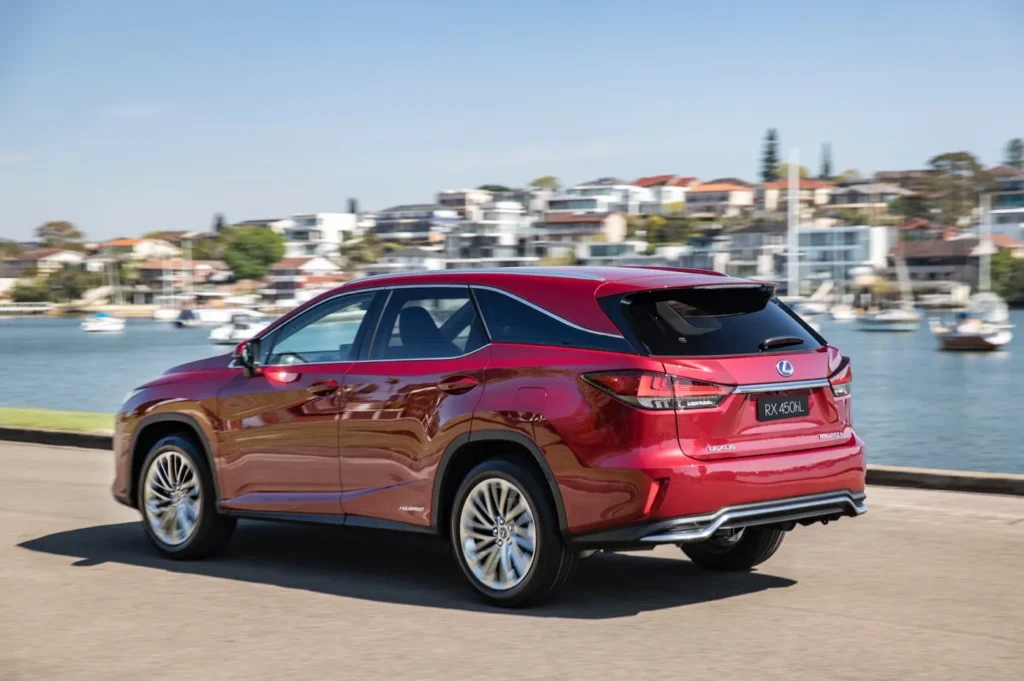
The RX 450h, conversely, adopts a philosophy of “Clean Elegance.” While it carries the same bold spindle grille, the hybrid model often features subtle blue accents within the Lexus logo and “Hybrid” badges along the lower rear doors. The most telling design difference is at the rear: while the RX 300 proudly displays its tailpipes, the 450h hides them behind a clean integrated bumper, signaling its more eco-conscious, quiet approach to luxury.
Powertrains: Turbocharged Punch vs. Hybrid Harmony
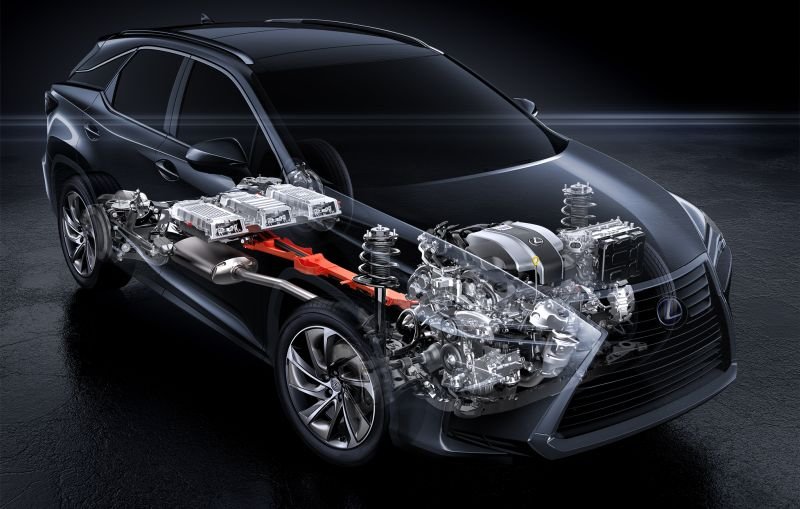
Under the hood, the two vehicles couldn’t be more different. The RX 300 utilizes a 2.0-liter turbocharged four-cylinder engine producing 238 hp. It is a powertrain designed for the “active” driver, offering a punchy mid-range torque that feels great for darting through city traffic. Paired with a 6-speed automatic, it provides a mechanical, tactile shifting experience that many traditional drivers still prefer.
The RX 450h is a different beast entirely, combining a 3.5-liter V6 with three electric motors to produce a combined 308 hp. It doesn’t “punch” like the turbo; instead, it provides a relentless, linear surge of power. Because it uses an e-CVT and an electric motor on the rear axle for All-Wheel Drive, the power delivery is seamless and eerily quiet. While the RX 300 feels like it’s working with you, the RX 450h feels like it’s doing the work for you.
Ride Quality
The ride quality of the 2020 Lexus RX series is a study in “isolated composure,” but the two models achieve this through very different mechanical means. In the RX 300, the ride feels lighter and more reactive due to its traditional mechanical setup; it utilizes a 6-speed automatic transmission that offers distinct, tactile gear changes, and a front-wheel-drive or mechanical AWD system that provides a direct, connected feel to the pavement. Conversely, the RX 450h delivers a “magic carpet” experience, thanks to the added weight of the battery pack which helps the SUV settle more deeply into the road, soaking up high-frequency vibrations. Its power is managed by an e-CVT that eliminates the sensation of shifting entirely, while the E-Four AWD system uses an independent rear electric motor to provide instantaneous, whisper-quiet torque to the wheels without the vibration of a traditional driveshaft. Both models benefit from the 2020 chassis stiffening and the new Friction Control Device in the shock absorbers, but while the RX 300 feels like a nimble athlete, the 450h feels like a heavy, silent vault moving effortlessly through space.
The Suspension System
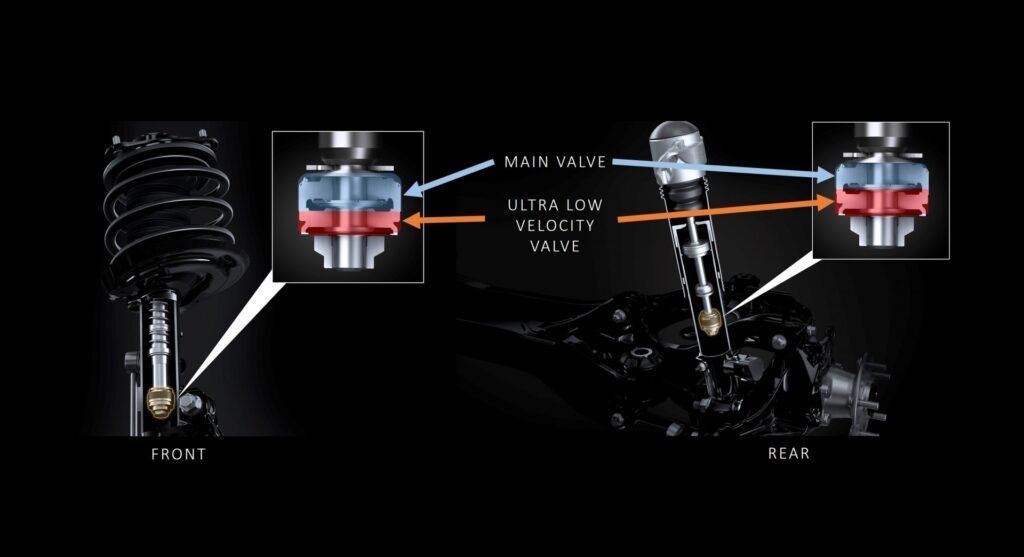
The suspension of the 2020 Lexus RX 450h is the unsung hero of its luxury experience, acting as a sophisticated filter between the road’s imperfections and the cabin’s serenity. For the 2020 refresh, Lexus moved beyond standard mechanical dampening by introducing a Friction Control Device within the shock absorbers. This internal rubber element works to suppress high-frequency vibrations that typical valves miss, effectively “ironing out” the micro-jitters caused by coarse asphalt or corrugated surfaces. Coupled with thicker, stiffer anti-roll bars and reinforced hub rigidity, the 450h manages to stay remarkably flat through corners despite the significant weight of its hybrid battery system.
For those seeking a more tailored experience, the RX 450h’s ride quality can vary significantly depending on whether it is equipped with the Adaptive Variable Suspension (AVS). Found primarily on the F Sport and higher-tier luxury trims, AVS uses electronically controlled actuators to adjust the damping force at each individual wheel in real-time—switching between 650 different levels of firmness based on steering input and road conditions. While the standard suspension is tuned for a consistent, pillowy softness, the AVS allows the 450h to transform its personality: it can be a soft, wafting cruiser in “Normal” mode or a buttoned-down, confident performer in “Sport S+” mode, ensuring the vehicle’s extra heft is always under precise control
Interior Luxury: The “Takumi” Standard
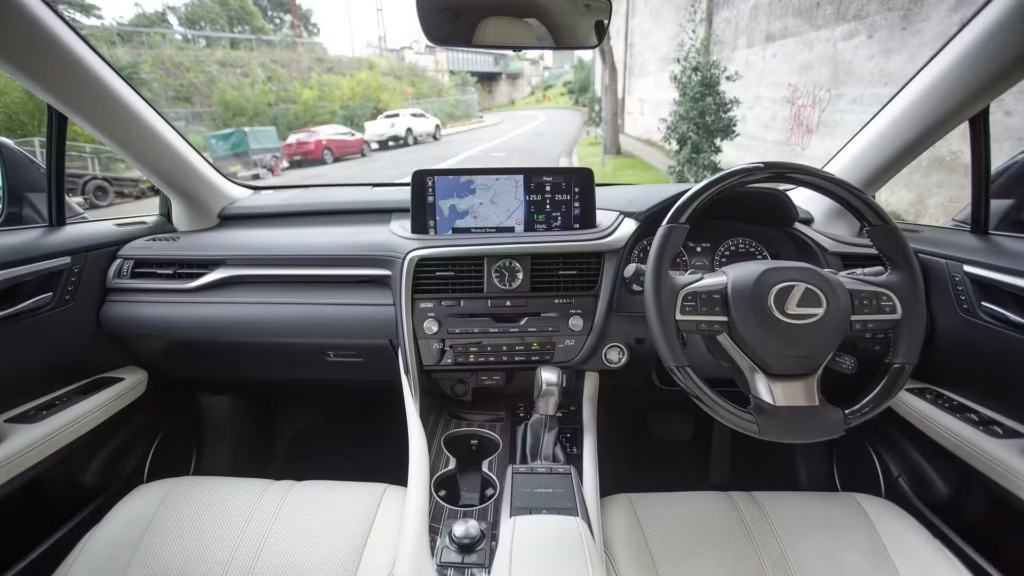
Inside, both models benefit from the 2020 update that finally introduced a touchscreen and standard smartphone integration. In the RX 300, you often find a more driver-centric cockpit, especially in the F-Sport variants with bolstered seats and aluminum pedals. It’s a space designed for focus. The layout is intuitive, though the base models may stick with the 8-inch screen unless the Navigation package is added.
The RX 450h interior is where Lexus’s “Omotenashi” (hospitality) truly shines. It often comes standard with higher-tier wood trims, like the laser-etched Sapele wood, and the 12.3-inch widescreen display is more common here. The hybrid’s cabin is objectively quieter; the extra sound deadening required to mask the silence of the electric motor makes the 450h feel like a rolling isolation chamber. Whether it’s the semi-aniline leather or the 15-speaker Mark Levinson audio, the 450h feels less like a car and more like a private lounge.
The Economic Reality: Fuel and Maintenance
When we talk about long-term ownership, the narrative shifts toward the “Hybrid Advantage,” even when accounting for the battery. In this case comparing a 4 year ownership journey.
Fuel Economy
The RX 300 is respectable for its size but requires premium fuel to keep that turbo happy, averaging roughly 12 km/l in combined cycles, though real-world city driving often pushes that higher. The RX 450h is the undisputed champion here, sipping just 14 km/l . Over a year of commuting, the hybrid can save a driver nearly Kes 50,000 per year on fuel costs over the RX300, especially in stop-and-go traffic where the engine stays off. This translates to around Kes 200,000 over a span of 4 years
Maintenance and the “Battery Factor”
Surprisingly, the RX 450h is often cheaper to maintain annually. Its regenerative braking system means brake pads can last over 150,000 km, whereas the RX 300 will likely need two sets in that time. The hybrid also lacks an alternator or starter motor—components that eventually fail on traditional cars like the RX 300.
The Hybrid Battery: This is the big question for many. In 2026, a replacement battery for a 2020 RX 450h typically costs between Kes 200,000 and Kes 400,000. With that in mind, the cost of replacing the entire battery is offset by the savings on fuel over time. Alternatively, there is the option of replacing a few spoilt cells of the battery pack, where a cell costs Kes 7,000 to 15,000. However, these batteries are engineered to last the life of the vehicle, often exceeding 200,000 to 320,000 km. With proper battery pack maintenance and reconditioning, there’s no need to worry about ever replacing the entire pack. Should there be a need to replace the entire pack, consider that the fuel savings alone can pay for a new battery in just 4–5 years of average driving, and the “risk” becomes a calculated and highly profitable investment.
| Feature | Lexus RX 300 | Lexus RX 450h |
| Engine | 2.0L Turbo I4 | 3.5L V6 + Hybrid |
| Horsepower | 238 hp | 308 hp |
| Fuel Economy | 12 km/l | 14 km/l |
| Brake Life | Standard | Extended (Regenerative) |
| Battery Risk | Low (Standard 12V) | Moderate (Hybrid Pack) |
| Best For | Driving enthusiasts | Long-term owners & commuters |
Compiled by Sipitali Shitsukane
Car Enthusiast and Imports Consultant at IBR