
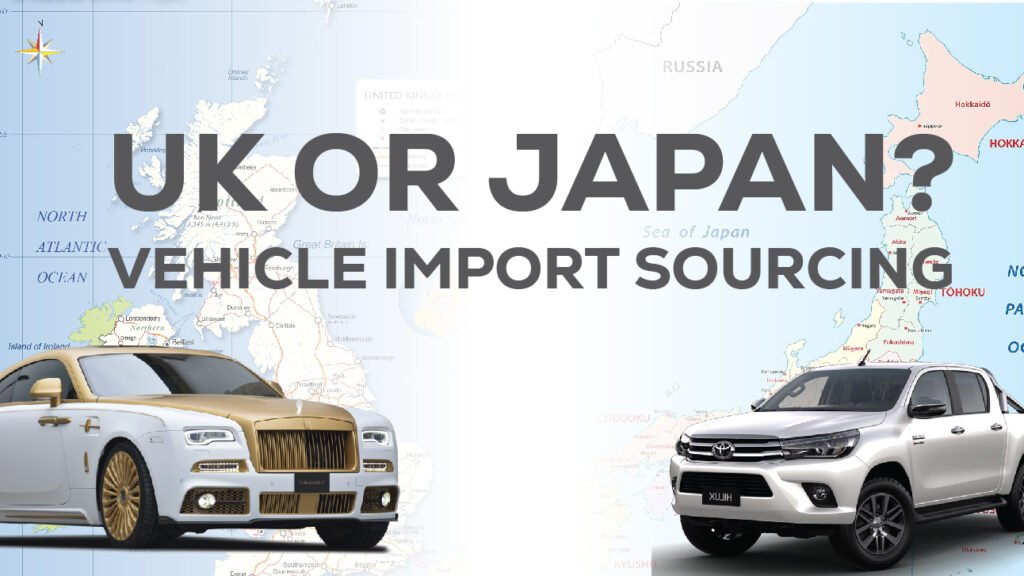
For a long time, buying a “foreign used” car in Kenya meant looking in one direction: Japan. But over the last few years, the UK market has emerged as a massive competitor. As a Kenyan car buyer or enthusiast, you’ve likely seen more and more “K” series registration plates attached to sleek British specs.
With Kenya’s strict 7-year rule strictly enforced by KEBS—meaning only vehicles first registered on or after January 1, 2019, are allowed into the country—choosing the right source market matters more than ever.
If you are stuck choosing between a Japanese auction unit or a UK showroom model, this breakdown covers the pros, cons, and hidden realities of both markets.
1. Quality and Specs: High-Tech vs. Bulletproof Reliability
The most immediate difference you will notice between UK and Japanese imports is what comes inside the car.
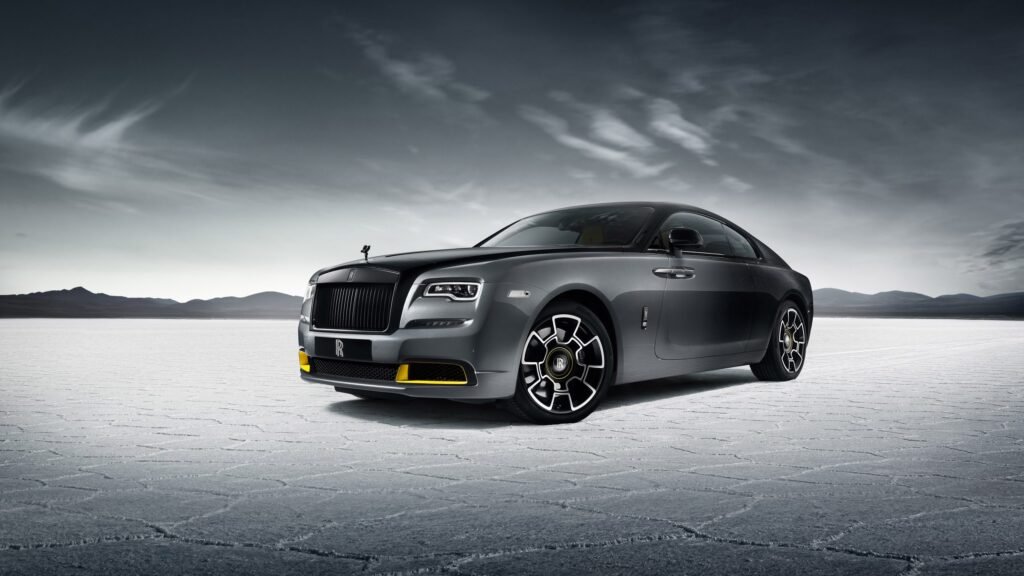
The UK Advantage: Luxury Specs & Clear Dashboards
UK vehicles are heavily favoured by buyers looking for premium luxury and bespoke features
- Premium Options: British buyers love add-ons and aftermarket bodykits. This is where you’ll find the Urban Kits on Land Rover Defenders, Brabus on Mercedes or Mansory on other premium brands.
- English Infotainment: You won’t need to pay a local technician to flash the radio or navigation system. The dashboards, instrument clusters, and voice commands are in native English from day one.
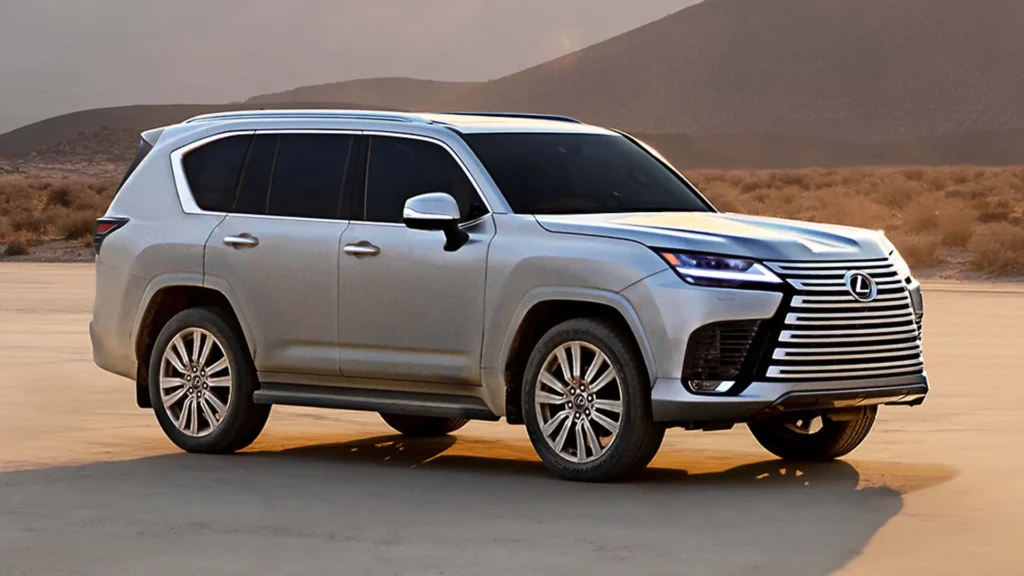
The Japan Advantage: Pristine Mechanical Condition
While Japanese specs tend to be simpler or more utilitarian, their mechanical upkeep is unmatched.
- The Shaken Factor: Japan enforces an incredibly rigorous periodic vehicle inspection system known as Shaken. To keep a car on the road, owners must fix even the minor mechanical flaws.
- Better Road Infrastructure: Japanese roads are notoriously smooth, meaning suspension wear and tear is minimal compared to almost anywhere else in the world.
2. The Enemy of the Underbelly: Rust and Weathering
This is where the two markets diverge drastically, and it’s a factor that trips up many first-time buyers.
Crucial Inspection Tip: Always check the chassis underneath the car, not just the shiny paint job on top.
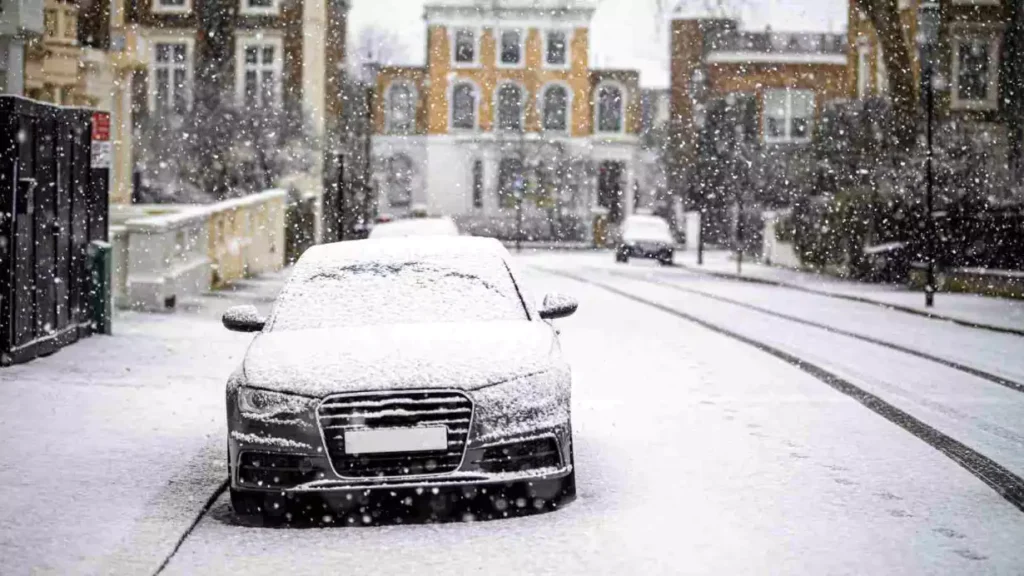
The UK Rust Problem
The UK experiences harsh winters with heavy snow. To keep roads safe, British municipalities spray massive amounts of salt and grit onto the asphalt. This salt kicks up into the undercarriage of cars, accelerating rust and corrosion on the chassis, brake lines, and suspension components. When sourcing from the UK, having a trusted agent physically check the underside of a 2019+ vehicle is mandatory.
The Japan Alternative
Japan also gets snow, but their rust issues are generally localized to the northern “Snow Country” regions (like Hokkaido). Most major auction houses are located in central or southern regions (like Nagoya, Tokyo, or Osaka) where salt damage is rare. Furthermore, Japanese auction sheets use a standardized grading system that clearly flags undercarriage rust.
3. Mileage Realities: Motorway Miles vs. Auction Gradients
Understanding how mileage works in both countries can save you millions of shillings in future garage bills.
UK: High Mileage, Less Engine Wear
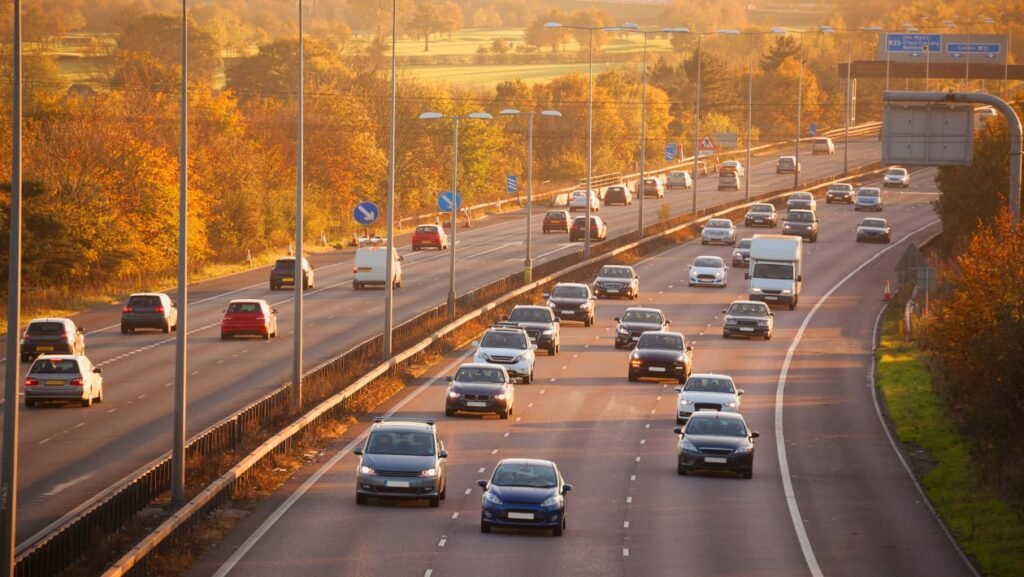
Because of the UK’s massive motorway network, many people commute long distances at high, stable speeds. A 2019 UK vehicle might have higher mileage on the odometer, but these are often “highway miles”—which cause significantly less engine and transmission wear than stop-and-go city traffic. Furthermore, verifying mileage in the UK is effortless through the digital UK Government MOT history portal.
Japan: Low Mileage, High Idle Times
Japanese cars are famous for incredibly low mileage. Many city dwellers only use their cars on weekends or for short grocery runs. However, keep in mind that Tokyo traffic involves intense idling. A car with only 30,000 km might have thousands of hours of the engine running in stationary traffic, which doesn’t reflect on the odometer.
4. Cost, Logistics, and Shipping Times to Mombasa
At the end of the day, importing comes down to your budget and patience.
| Feature | Sourcing from Japan | Sourcing from the United Kingdom |
| Primary Brands | Toyota, Mazda, Subaru, Nissan, Honda | High end luxury (Bentley, Rolls-Royce, Lamborghini) |
| Inspection Requirements | Mandated QISJ inspection before shipping | Mandated QISJ inspection before shipping |
| Typical Transit Time | 4 to 6 weeks to Mombasa | 3 to 5 weeks to Mombasa |
| Buying Process | Fast-paced wholesale dealer auctions | Retail dealers, private sales, or targeted brokers |
Tax Implication Warning
Remember that the Kenya Revenue Authority (KRA) calculates taxes based on the Current Retail Selling Price (CRSP) of the vehicle in Kenya, not what you paid for it abroad. Because 2019+ vehicles are newer, the duty brackets are higher regardless of whether the car sailed from London or Yokohama.
The Verdict: Which Market Wins?
There is no single “better” market; it entirely depends on what type of car you want to drive down the Waiyaki Way.
- Choose Japan if: You are importing a reliable daily driver or family SUV (like a Toyota RAV4, Mazda CX-5, or Nissan Note e-Power and Japan stocked German Cars). You want low mileage, a transparent auction sheet grading system, and an un-corroded undercarriage.
- Choose the UK if: You are looking for a premium European brand like a Mercedes-Maybach, Rolls Royce or Bentley. You want high-end luxury specs, a native English dashboard interface, and a fully verifiable digital service history.
Compiled by Sipitali Shitsukane
Car Enthusiast, Vehicle Imports Consultant