
The Small Driving Mistakes That Can Cost You More Than You Think
Owning a car is often associated with the freedom to travel, the convenience of everyday mobility and, for many people, the pride of owning a valuable machine. Yet while motorists spend considerable amounts of money purchasing, servicing and insuring their vehicles, small habits behind the wheel can quietly create expensive problems.
The problem is that many of these mistakes do not immediately feel like mistakes.
Driving with low tyre pressure may seem harmless. Ignoring a warning light for a few days may appear reasonable. Resting a hand on the gear lever or keeping a foot on the clutch may seem insignificant.
Individually, these actions can appear harmless. Repeated over months or years, however, they can contribute to premature wear, reduced fuel economy, expensive repairs and even safety risks.
Here are some of the seemingly small mistakes that can cost motorists more than they expect.
1. Ignoring Warning Lights
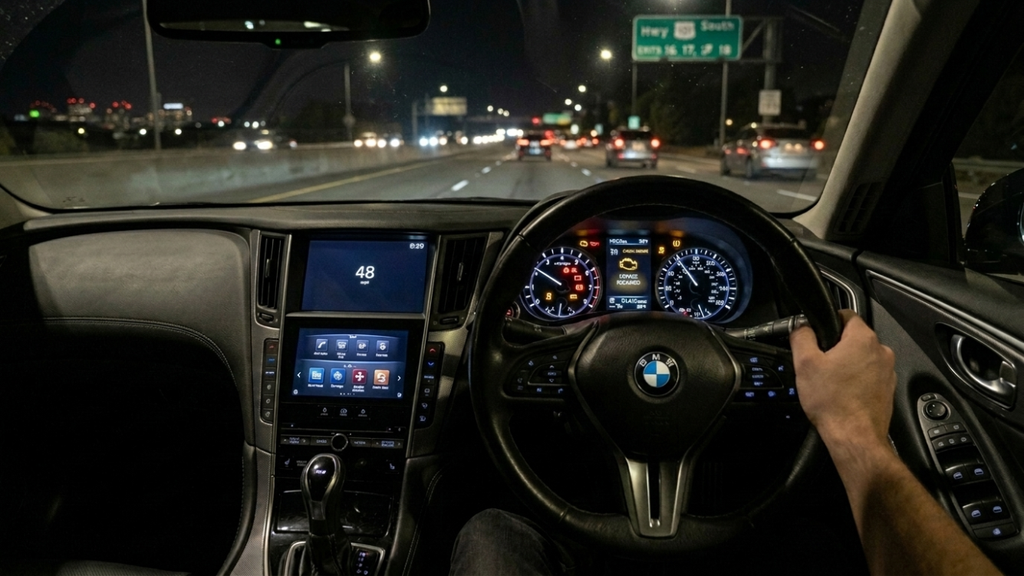
One of the most common mistakes is treating dashboard warning lights as suggestions rather than warnings.
A driver may see a warning light and think, “I’ll have it checked during the next service.”
Sometimes that may be fine. Other times, a warning is an early indication of a problem that can become significantly more expensive if ignored.
A small engine, transmission, braking or temperature-related issue can develop into a major mechanical failure.
The lesson is simple: when the car tells you something is wrong, investigate it.
2. Driving With Incorrect Tyre Pressure

Tyres are one of the most important points of contact between a vehicle and the road, yet tyre pressure is frequently neglected.
Underinflated tyres can increase rolling resistance, potentially increasing fuel consumption while also causing uneven tyre wear. Overinflation can affect ride comfort and handling.
Incorrect tyre pressure can also affect braking and stability.
Checking tyre pressures regularly is one of the easiest and least expensive ways to protect both the vehicle and its occupants.
3. Delaying Routine Servicing
Some motorists wait until the car develops a noticeable problem before taking it to a mechanic.
This approach can be expensive.
Routine servicing is designed to identify wear and potential problems before they become major failures. Oil, filters, brake components, fluids and other service items all play important roles in keeping a vehicle operating correctly.
Skipping maintenance may save money temporarily, but it can create a much larger bill later.
Preventative maintenance is almost always cheaper than corrective repairs.
4. Accelerating Hard When the Engine Is Cold
Modern engines are engineered to operate efficiently, but that does not mean they should immediately be driven aggressively after starting.
Engine oil needs time to circulate and reach the components that require lubrication.
Driving gently during the initial period allows the vehicle to reach its normal operating conditions without unnecessary stress.
The same principle applies to high-performance vehicles. A powerful engine does not mean it should be treated aggressively from the moment it starts.
5. Resting Your Foot on the Clutch
For drivers of manual-transmission vehicles, keeping the foot resting on the clutch pedal is a common habit.
Even slight pressure can contribute to unnecessary clutch wear.
The same applies to holding the vehicle on a hill using the clutch rather than using the appropriate braking technique.
A clutch is a wear component. Treating it correctly can significantly extend its service life.
6. Using the Wrong Gear
Selecting an inappropriate gear can place unnecessary stress on the engine and drivetrain.
Driving at very low engine speeds in a high gear, or constantly operating at unnecessarily high engine speeds, can affect smoothness, efficiency and mechanical stress.
Good driving is not simply about moving the car forward. It is about understanding how the engine and transmission work together.
7. Braking Aggressively and Too Late
Repeated hard braking can accelerate wear on brake pads and discs.
Of course, emergency braking is sometimes unavoidable. The issue is unnecessarily aggressive driving where the driver accelerates hard and then repeatedly brakes heavily.
Looking further ahead, maintaining an appropriate following distance and anticipating traffic can reduce unnecessary braking.
This is better for the brakes, fuel economy and passengers.
8. Taking Speed Bumps and Potholes Too Quickly
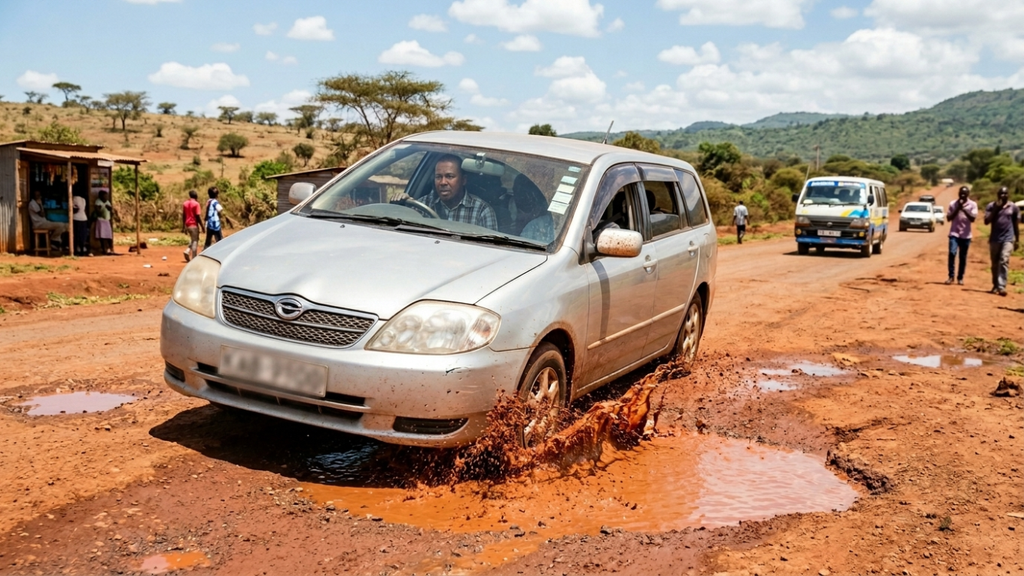
Road conditions can be particularly demanding for vehicles.
Speed bumps and potholes are not simply inconveniences. Hitting them aggressively can affect tyres, wheels, suspension components and steering alignment.
The damage may not be immediately visible.
A vehicle can continue driving normally while gradual wear or alignment problems develop underneath.
Reducing speed before obstacles is therefore not just about comfort—it can be a form of preventive maintenance.
9. Overloading the Vehicle
A family car can carry a considerable amount of luggage, but every vehicle has a maximum permissible load.
Consistently carrying excessive weight places additional demands on the suspension, tyres, brakes and powertrain.
Before a long journey, particularly with several passengers and luggage, drivers should consider the manufacturer’s recommended load limits.
More weight means more responsibility from the vehicle’s mechanical systems.
10. Ignoring Strange Sounds
A vehicle rarely develops a major mechanical problem without giving some indication.
A new squeak, knocking sound, vibration, grinding noise or unusual smell can be an early warning.
One of the biggest mistakes is becoming accustomed to the sound and assuming it is normal.
If your car suddenly sounds different, pay attention.
Investigating a small problem early can be considerably cheaper than repairing the consequences of ignoring it.
11. Driving With the Fuel Tank Almost Empty
Frequently operating a vehicle with very little fuel may not immediately cause a problem, but it is not a good habit.
The fuel system relies on proper operation of its components, and running extremely low leaves the driver with little margin when traffic, delays or unexpected circumstances occur.
More importantly, running out of fuel can create safety and logistical problems.
A little planning can prevent an unnecessary roadside emergency.
12. Neglecting the Air-Conditioning System
Many drivers only think about their vehicle’s air-conditioning system when it stops working.
Regular inspection and proper maintenance can help identify issues before the system develops a major fault.
In hot climates, air conditioning is not simply a luxury—it contributes significantly to passenger comfort and can make long journeys considerably easier.
13. Using the Car Only for Short Trips
Frequent short journeys can be harder on some vehicles than motorists realize.
The engine and other systems may not have sufficient time to reach their normal operating temperatures, depending on the vehicle and conditions.
This is particularly relevant to modern vehicles with sophisticated emissions and engine-management systems.
If most journeys are extremely short, regular maintenance becomes even more important.
14. Poor Parking Habits
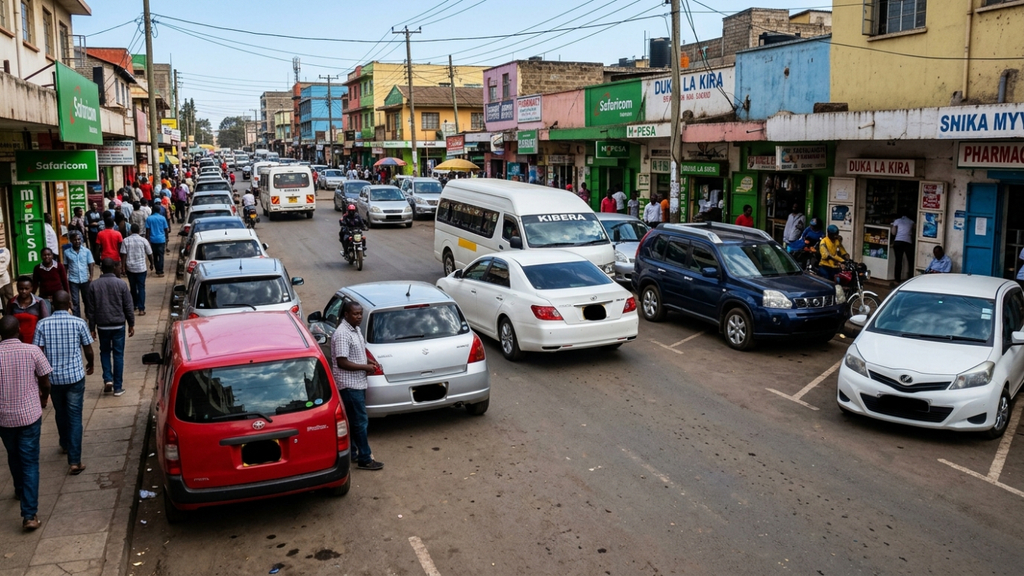
Parking may seem unrelated to vehicle maintenance, but careless parking can create problems.
Repeatedly hitting kerbs can damage tyres and wheels and potentially affect wheel alignment.
Parking with one wheel heavily positioned against a kerb can also place unnecessary stress on tyres and steering components.
Good vehicle handling continues even after the car has reached its destination.
15. Treating a Premium Car Like an Ordinary Car
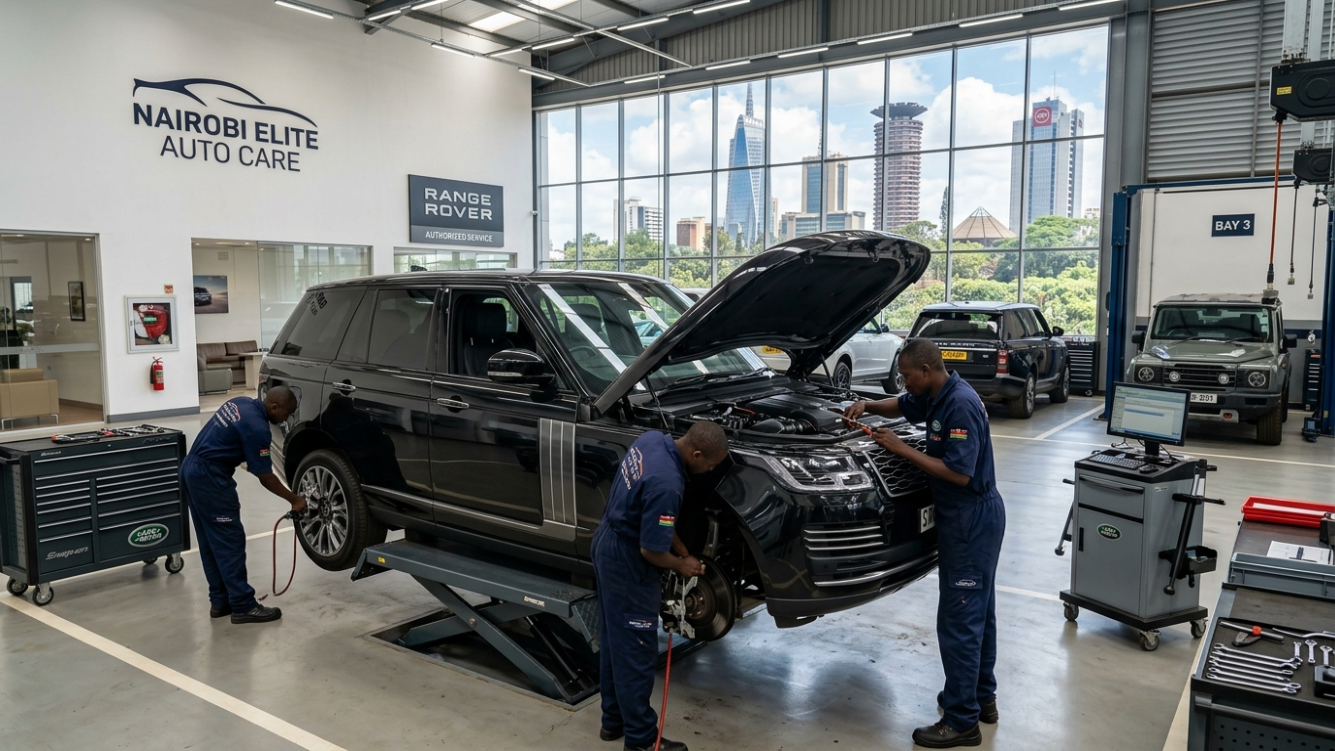
Luxury and performance vehicles often contain sophisticated technology and specialized components.
A premium SUV or performance sedan may have advanced suspension systems, complex transmissions, high-performance brakes and electronically controlled systems.
This does not mean such cars are fragile. It means they should be maintained according to the manufacturer’s requirements.
Using the correct fluids, parts, tyres and service procedures can be particularly important for sophisticated vehicles.
The Cost of Small Habits
The most important lesson is that vehicle ownership is not only about the large decisions.
It is the small decisions repeated every day that can determine how a vehicle performs over many years.
Checking tyre pressure takes minutes.
Responding to warning signs takes attention.
Reducing speed over potholes costs nothing.
Allowing the engine and vehicle systems to operate properly costs nothing.
Following the recommended maintenance schedule may actually save money.
These habits may appear insignificant, but together they can make a substantial difference.
Conclusion: Take Care of the Car Before the Car Takes from Your Pocket
A car is a machine made up of thousands of components working together. When one component experiences unnecessary stress or wear, the consequences can eventually affect other parts of the vehicle.
The most expensive car problems often begin with something surprisingly small: a warning light that was ignored, a tyre that was never checked, a strange noise that was dismissed or maintenance that was repeatedly postponed.
Good car ownership therefore goes beyond knowing how to drive.
It means understanding the machine, respecting its limits and paying attention to the small details.
Because when it comes to cars, the cheapest repair is often the one you prevent.