
We have German Cars, European Cars, American muscle cars and Japanese Cars. And now we have a new kid on the block, Chinese Cars
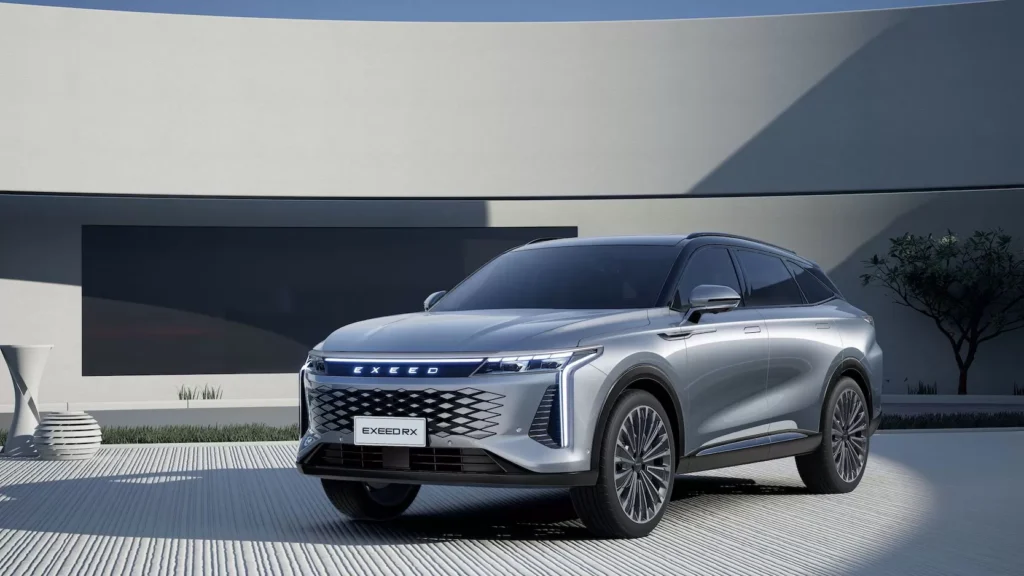
The global automotive industry is witnessing one of the most remarkable transformations in its modern history. Over the span of barely two decades, Chinese automakers have leapfrogged from producing cheap, shameless design knockoffs to establishing themselves as pioneering visionaries in electric vehicle styling, interior architecture, and user experience technology.
The Era of Imitation: A Forgotten Past
To truly appreciate where Chinese automotive design stands today, one must recall where it began. In the early 2010s, the domestic Chinese automotive market was heavily characterized by crude imitations of established European, Japanese, and American models. Enthusiasts and industry critics frequently mocked vehicles that appeared to fuse the front fascia of a Mercedes-Benz with the rear profile of a BMW or a Toyota. These early iterations were plagued by awkward proportions, poor build quality, and a complete lack of original brand identity. They were designed primarily for affordability within a rapidly motorizing domestic population, with little regard for international visual standards or design coherence.
The Mastermind Strategy: Poaching Global Talent
Recognizing that visual identity and emotional connection were critical to global success, major Chinese conglomerates executed a calculated and aggressive talent acquisition strategy. Rather than waiting decades to organically train local design cultures, brands like BYD, Hongqi, Geely, and Changan actively recruited heavyweights from prestigious European design studios.
The hiring of Wolfgang Egger—former head of design at Audi and Alfa Romeo—by BYD marked a major turning point. Egger introduced cohesive design philosophies such as BYD’s signature “Dragon Face” language, elevating the brand’s lineup into sleek, elegant machinery. Similarly, Giles Taylor, former design director at Rolls-Royce, took the helm at Hongqi to craft stately, imposing, luxury aesthetics tailored for executives and state dignitaries. Peter Horbury’s transformative work at Geely further proved that under the right artistic leadership, Chinese vehicles could comfortably stand shoulder-to-shoulder with Europe’s finest premium marques.
The Avant-Garde EV Era: Boldness Without Baggage
Legacy Western automakers are often burdened by decades of heritage. Brand heritage is a double-edged sword: while it provides timeless prestige, it also imposes strict design constraints. Brands like Porsche, BMW, or Mercedes-Benz must continually balance radical innovation with historical design cues like iconic grilles or silhouette ratios.
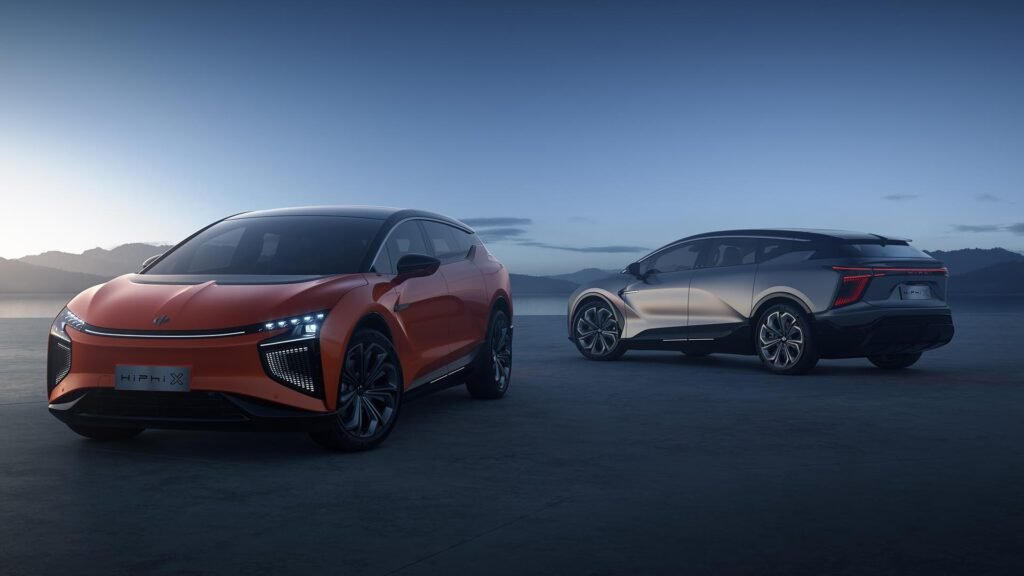
Chinese automakers face no such emotional baggage. Unencumbered by tradition, EV-native brands such as NIO, Zeekr, Avatr, and Xpeng have embraced hyper-futuristic visual languages. Vehicles like the Zeekr 001 shooting brake or the radical Avatr 11 SUV feature ultra-flush body panels, active aerodynamic components, frameless glass, and intricate light signatures that look like concept cars driven directly off an auto show turntable onto public streets.
The Tech-Centric Living Room Interior
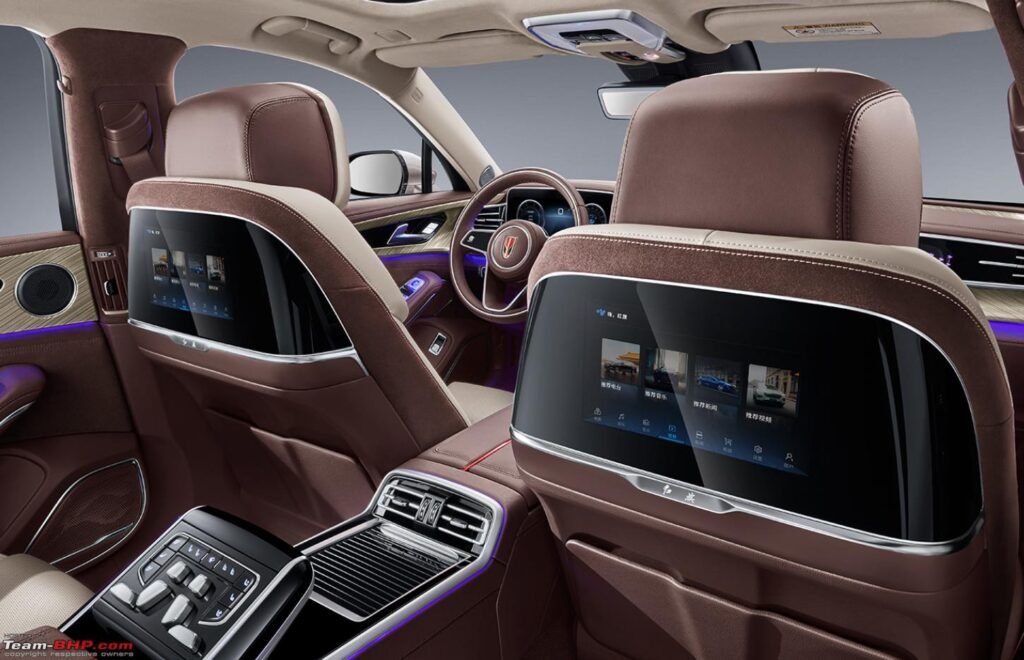
Perhaps the most profound shift in Chinese car design occurs inside the cabin. While traditional luxury brands focused on hand-stitched leather, brushed aluminum trim, and tactile mechanical switchgear, Chinese design prioritizes the cockpit as an extension of the digital lifestyle.
Vehicles like the Li Auto L9 and NIO ET7 reimagine the interior as a luxurious “third living space.” Dashboards are designed around ultra-thin OLED screens, ambient light diffusion, and zero-gravity reclining lounge seats. Rather than retrofitting infotainment systems into existing dashboard layouts, the entire interior architecture is sculpted around screens, AI voice assistants, and immersive multi-speaker audio arrays. Physical buttons have been almost entirely eliminated in favor of clean, minimalist surfaces and voice-controlled micro-actuators.
Mastering Rugged and Lifestyle Aesthetics
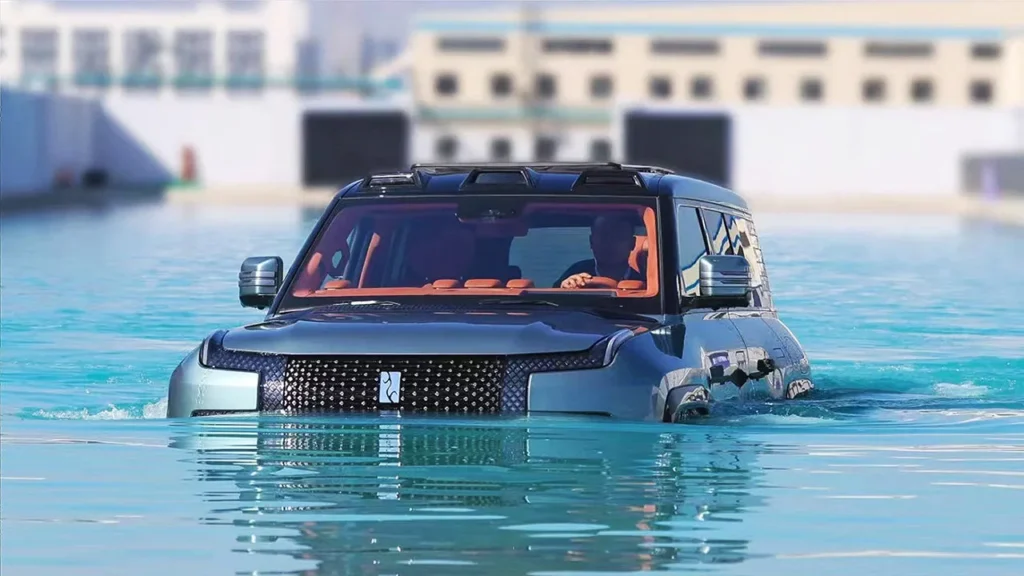
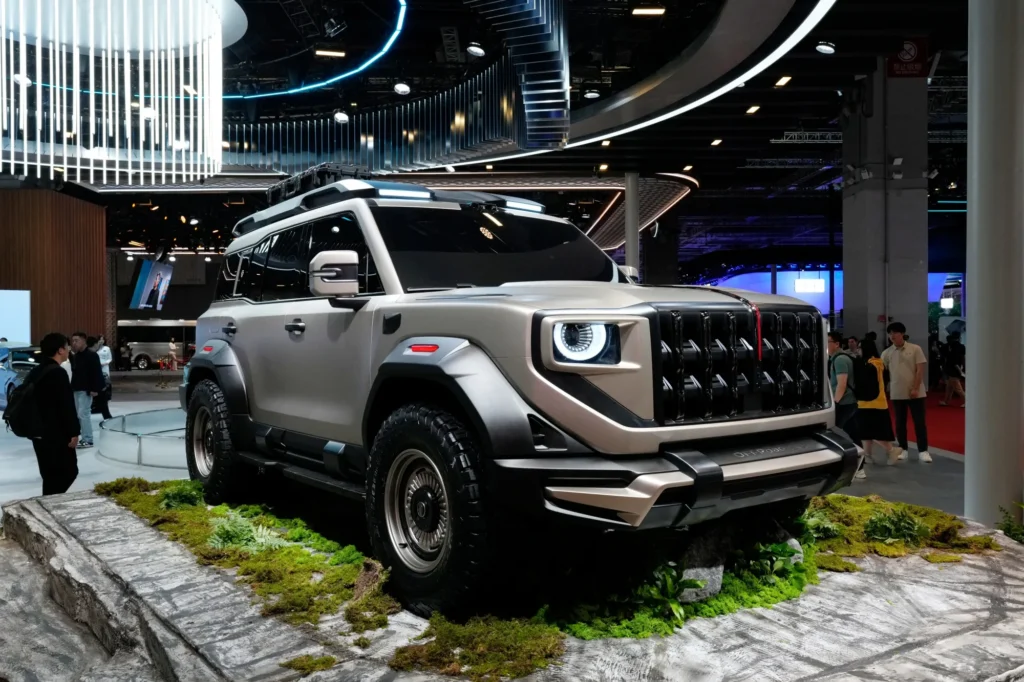
The design boom is not restricted solely to aerodynamic electric sedans. Chinese automakers have also mastered the growing global demand for lifestyle and off-road vehicles. Great Wall Motor’s Tank 300 and 500, alongside Chery’s Jetour T2, have successfully captured the rugged, boxy off-roader aesthetic popularized by the Ford Bronco and Land Rover Defender, but at significantly lower price points. These designs balance retro-futuristic styling cues with functional, heavy-duty utility.
Over-Styling & Ergonomic Pitfalls
Despite these monumental strides, modern Chinese car design is not without its flaws. In their eagerness to stand out in an extremely crowded domestic market, some manufacturers fall into the trap of over-styling.
Certain models feature an overwhelming mix of contrasting accents, aggressive faux vents, floating roof lines, and complex split-lighting clusters on a single vehicle. This can lead to busy visual designs that lack timeless elegance and may age rapidly compared to simpler European silhouettes. Furthermore, the obsession with digitizing every control has introduced ergonomic friction. Forcing drivers to navigate multiple sub-menus on a central touchscreen just to adjust side mirrors, aim air conditioning vents, or open the glovebox trades functional driver ergonomics for visual minimalism.
The New Global Benchmarks
The narrative around Chinese automotive design has officially flipped. What was once dismissed as a derivative industry has matured into a dominant force that is currently shaping global design trends. Legacy manufacturers in Europe, Japan, and North America are no longer just monitoring Chinese pricing—they are closely studying their exterior lighting innovations, interior packaging, and software integration.
While traditional brands still hold the upper hand in subtle proportion refinement, high-speed chassis dynamics, and tactile luxury detail, Chinese automakers are setting the pace for the next era of mobility. They have proven that with bold vision, world-class talent, and relentless iteration, it is possible to redefine the visual identity of an entire industry in record time.
Compiled by Sipitali Shitsukane
Automotive Enthusiast, Car Imports Consultant