
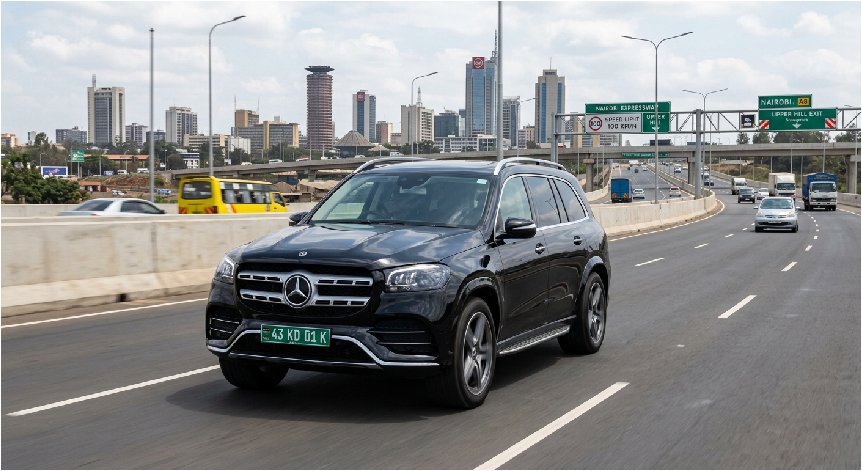
Buying a car in Kenya is often treated as the ultimate milestone of success. You save up, clear with the clearing agent at the Port of Mombasa or sign off with a showroom along Ngong Road, and finally collect the keys to your Mazda Demio, Toyota Premio, or Subaru Forester. But as any seasoned Nairobi driver will tell you, buying the car is merely the admission fee.
The true financial test lies in keeping that machine running on Nairobi’s unpredictable roads. While most buyers budget strictly for the weekly fuel pump visits, a web of recurring ownership costs quiet-drains bank accounts across the county. Here is a complete breakdown of what it actually costs to own and maintain a personal vehicle in Nairobi.
1. Insurance: Protection vs. Compliance
Before your car even hits the tarmac, Kenyan law requires cover. In Nairobi, drivers generally fall into two camps:
- Third-Party Only (TPO): The absolute minimum required by law, costing roughly KSh 5,000 to KSh 10,000 annually. While budget-friendly, TPO leaves you completely exposed if an accident is your fault or if your car is stolen, vandalized, or damaged by floods during the rainy seasons.
- Comprehensive Insurance: Typically calculated at 4% to 5% of the vehicle’s current market value annually. For a car valued at KSh 1.5 million, expect to pay KSh 60,000 to KSh 75,000 per year. Comprehensive cover protects against theft, fire, third-party liability, and self-damage—vital protection given Nairobi’s high rate of fender-benders and parking lot scrapes.
2. Annual Maintenance: Fighting Suspension Wear and Wear-and-Tear
Nairobi’s roads—a mix of pristine highways, aggressive speed bumps, and rim-bending potholes—take a heavy toll on mechanical components.
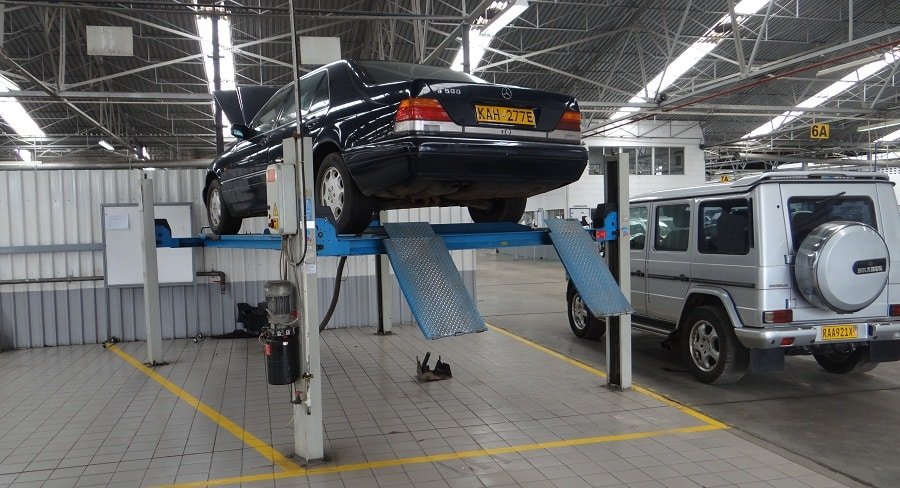
- Routine Servicing (Minor): Changing engine oil, oil filter, air filter, and cabin filters every 5,000 to 7,500 km. An average motorist doing 15,000 km annually will need 2 to 3 minor services a year, costing KSh 6,000 to KSh 12,000 per visit at a reliable garage (totaling ~KSh 25,000/year).
- Major Servicing & Wear-and-Tear: Including spark plugs, brake pads, transmission fluid, and suspension components (bushings, shocks, and link swivels). Suspensions wear out rapidly under local conditions; factor in an additional KSh 30,000 to KSh 50,000 annually for routine replacements and wheel alignment/balancing.
3. Parking Fees & Expressway Tolls: The Daily Commuter Tax
Parking in Nairobi is an unavoidable expense that adds up rapidly over twelve months:
Nairobi City County Daily Parking: Off-street daily parking in the CBD costs KSh 200 per day. For a commuter working 22 days a month, that totals KSh 4,400 monthly or KSh 52,800 annually.
Private Office/Mall Parking: Secure commercial parking spaces in Upper Hill, Westlands, or Kilimani range from KSh 5,000 to KSh 10,000 monthly.
Nairobi Expressway Tolls: For drivers commuting from Syokimau, Mlolongo, or JKIA to Westlands or the CBD to beat traffic, toll points cost between KSh 170 and KSh 500 per trip. A regular two-way commute on the expressway adds KSh 8,000 to KSh 15,000 per month to running costs.
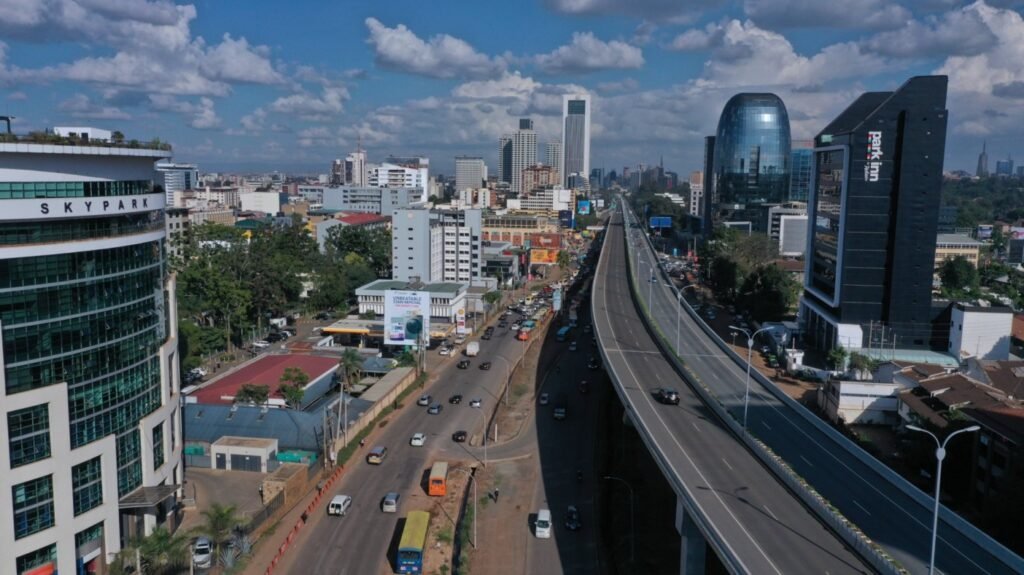
Parking in Nairobi is an unavoidable expense that adds up rapidly over twelve months:
- Nairobi City County Daily Parking: Off-street daily parking in the CBD costs KSh 200 per day. For a commuter working 22 days a month, that totals KSh 4,400 monthly or KSh 52,800 annually.
- Private Office/Mall Parking: Secure commercial parking spaces in Upper Hill, Westlands, or Kilimani range from KSh 5,000 to KSh 10,000 monthly.
- Nairobi Expressway Tolls: For drivers commuting from Syokimau, Mlolongo, or JKIA to Westlands or the CBD to beat traffic, toll points cost between KSh 170 and KSh 500 per trip. A regular two-way commute on the expressway adds KSh 8,000 to KSh 15,000 per month to running costs.
4. The Hidden “Nairobi Risks”: Vandalism and Security Upgrades
Nairobi presents unique risks that rarely feature in official manufacturer handbooks:
- Vandalism & Parts Theft: Side mirrors, wheel caps, side indicator lights, and logos are prime targets in busy areas. Installing mirror rivets, wheel-nut locks, and etching chassis numbers onto glass panels costs around KSh 5,000 to KSh 10,000 upfront. Replacement of stolen mirrors can easily run KSh 3,000 to KSh 15,000 per incident.
- Vehicle Tracking: Most insurance companies mandate anti-theft tracking systems for vehicles worth over KSh 1 million. Installation costs KSh 10,000 to KSh 20,000, with annual subscription fees around KSh 5,000.
Estimated Annual Cost Breakdown For Kes 5,000,000 Car (Excluding Fuel)
For a car valued at KES 5,000,000 in Nairobi (such as a late-model Toyota Land Cruiser Prado, Porsche Macan, executive Mercedes-Benz E-Class, or mid-size luxury SUV), the non-fuel operational budget increases significantly compared to entry-level vehicles.
Higher vehicle valuation directly drives up comprehensive insurance premiums, dealer-grade routine service costs, specialized wear-and-tear parts, and mandatory security/tracking hardware.
Cost Category Highlights
- Comprehensive Insurance (KES 225,000 / year): Premium insurance underwriters in Kenya typically charge 4.0% to 5.0% of the vehicle’s market value per annum. For a KES 5M car, expect to pay around KES 225,000 annually.
- Maintenance & Specialized Repairs (KES 175,000 / year): Premium oil grades, synthetic filters, specialized diagnostic scans, and high-spec brake pads for a KES 5M vehicle run significantly higher than standard Japanese hatchbacks. High-profile tires (e.g., 18-to-20-inch rims) cost between KSh 20,000 and KSh 35,000 each to replace.
- Commute & Parking Costs (KES 138,000 / year): Based on standard Nairobi CBD or Westlands private office parking permits (KES 6,000–8,000/month) combined with daily Expressway tolling.
- Security & Anti-Theft (KES 15,000 / year): High-value vehicles mandate dual-SIM telemetry tracking systems required by insurers, alongside headlight and mirror rivets to deter opportunistic theft.
Compiled By Sipitali Shitsukane
Automotive Enthusiast, Car Imports Consultant