
In an industry obsessed with reinvention, some of the most successful cars are the ones that refused to forget where they came from.
The automotive industry has always been fascinated with the future.
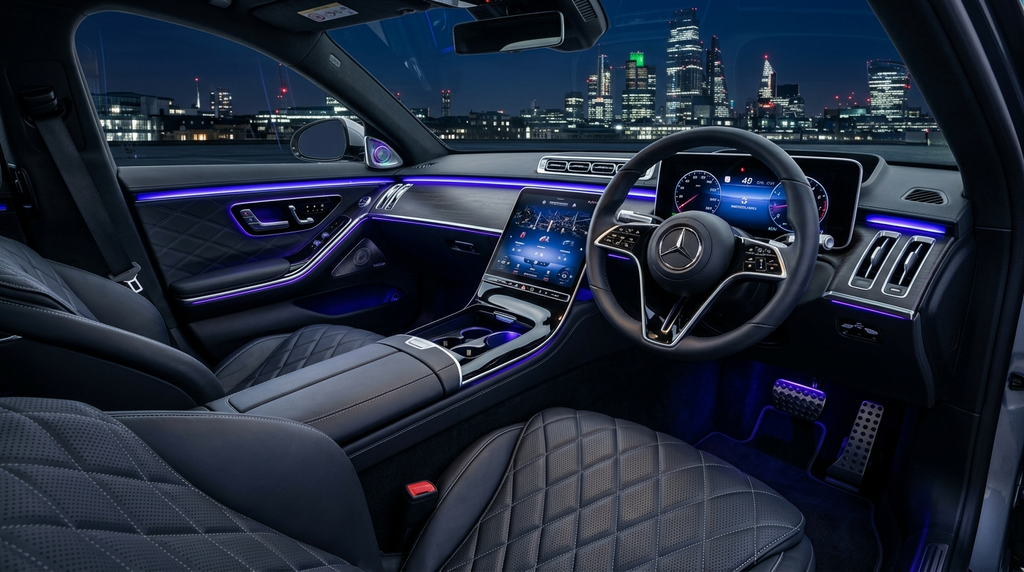
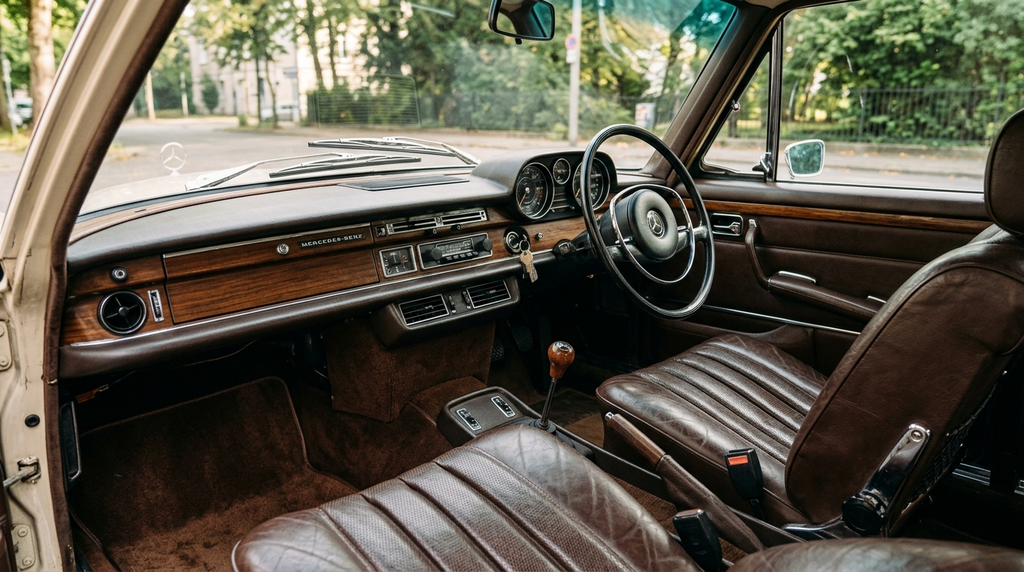
Every few years, manufacturers introduce new platforms, new powertrains, new technologies and increasingly sophisticated interpretations of what a car should be. Designs become sharper, screens become larger, engines become more efficient and electric motors increasingly redefine performance. Yet, despite all this change, there is something remarkably powerful about a car that still looks like itself.
Some automobiles have survived generations not because their designers kept reinventing their appearance, but because they understood something much more difficult: when a shape becomes an identity, changing it too much can mean losing the very thing people love about it.
These are the shapes that time couldn’t replace.
When a Car Becomes More Than a Design
Most cars are designed to serve a particular period. A manufacturer studies current trends, develops a shape that appeals to the market and eventually replaces it with something newer. Headlights change. Grilles grow. Rooflines become lower. Body lines become sharper.
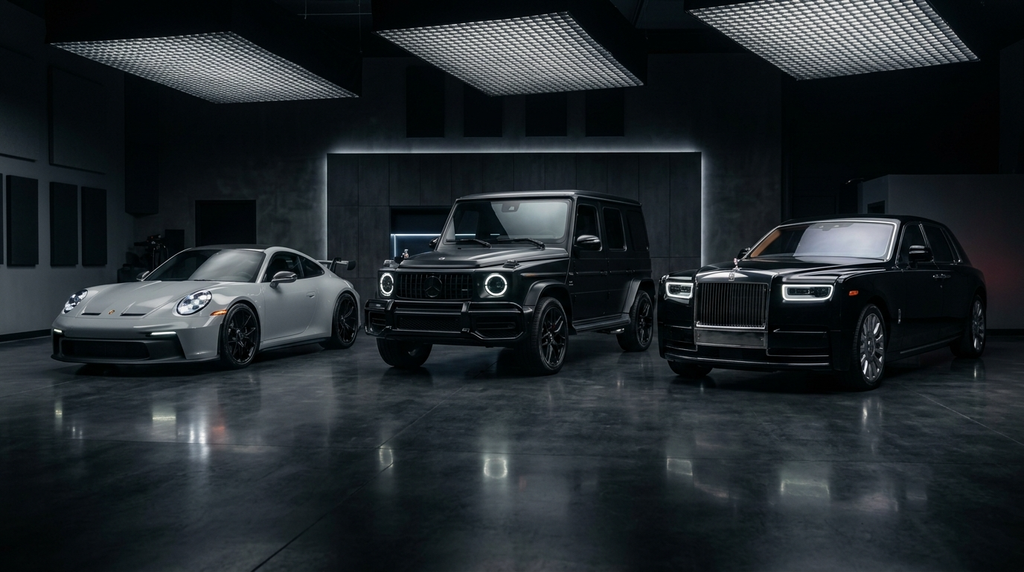
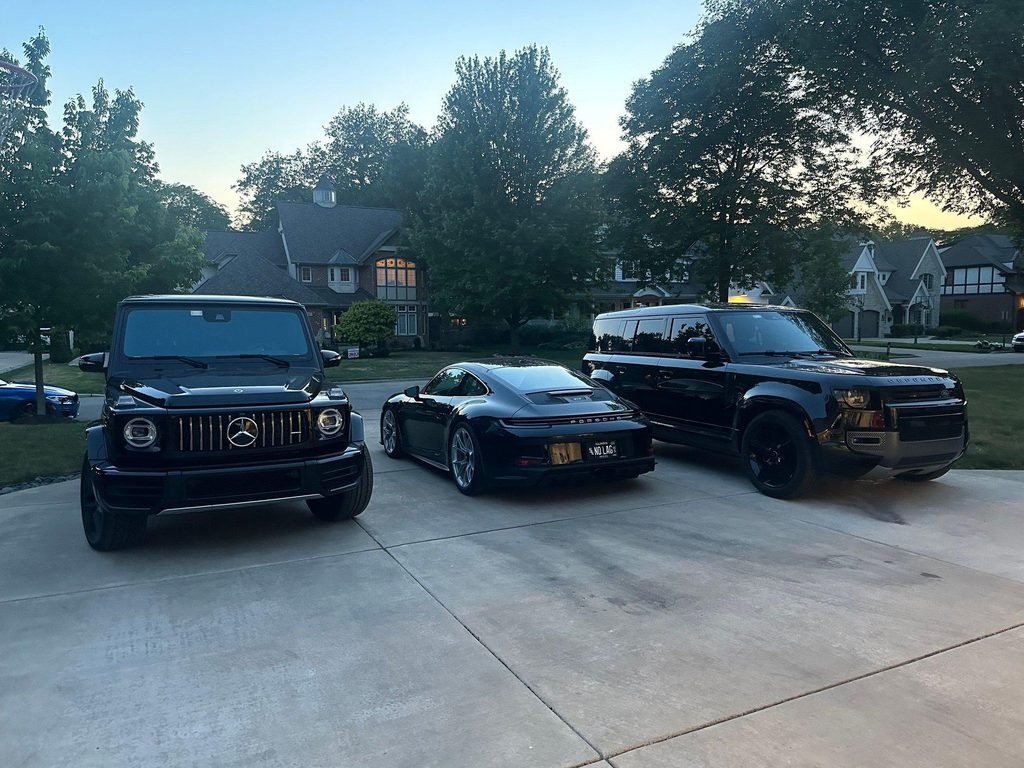
Then there are the exceptions. Certain cars develop such a strong visual identity that their design becomes inseparable from their name. You don’t necessarily need to see a badge to recognize a Porsche 911. You don’t need to read the grille to know you’re looking at a Rolls-Royce, and even from a distance, the upright proportions of a Mercedes-Benz G-Class can be unmistakable. That is the difference between a car design and an automotive icon. A design belongs to an era while an icon can belong to several generations.
The Art of Evolution Without Erasure
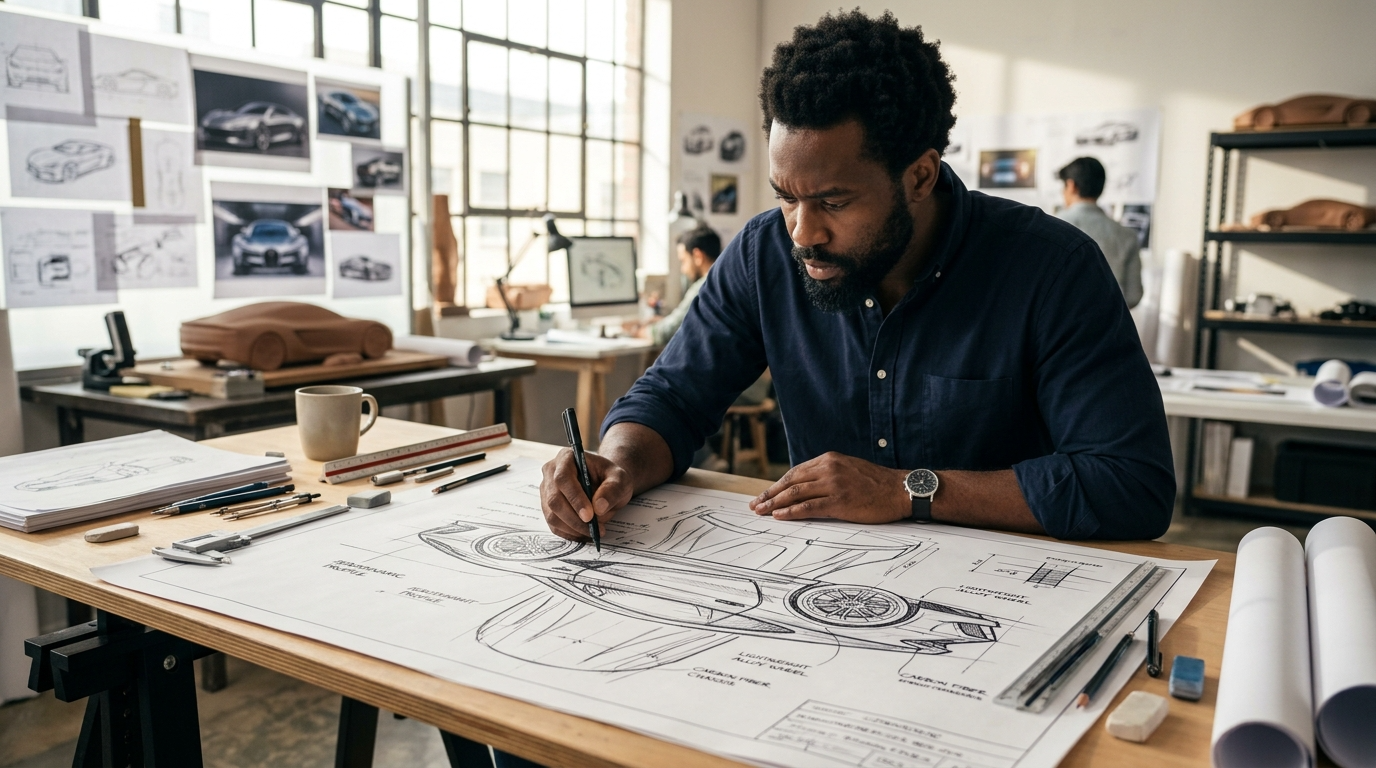
One of the greatest challenges for an established automotive manufacturer is knowing what to change and what not to change. Modern cars must meet requirements that their predecessors never faced. They need advanced safety systems, improved aerodynamics, stricter emissions compliance, sophisticated electronics, better fuel efficiency and increasingly complex driving technology. The engineering underneath can therefore change dramatically. But the exterior doesn’t necessarily have to.
This is where some of the industry’s most successful designs have taken a different approach. Instead of asking, “How do we make this car look completely new?”, designers effectively ask: “How do we make this car look modern without making it unrecognizable?”
That distinction is important. The latest generation may have completely different suspension, electronics, engines and safety systems, yet the silhouette can still communicate the same idea that the original did decades earlier. It is evolution without erasure.
The Porsche 911: A Shape That Learned to Grow
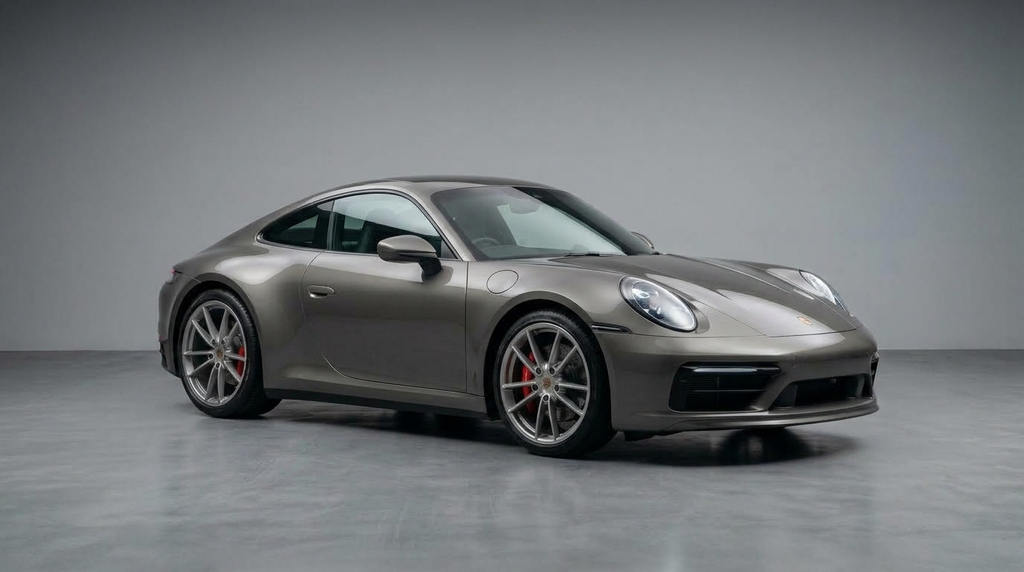
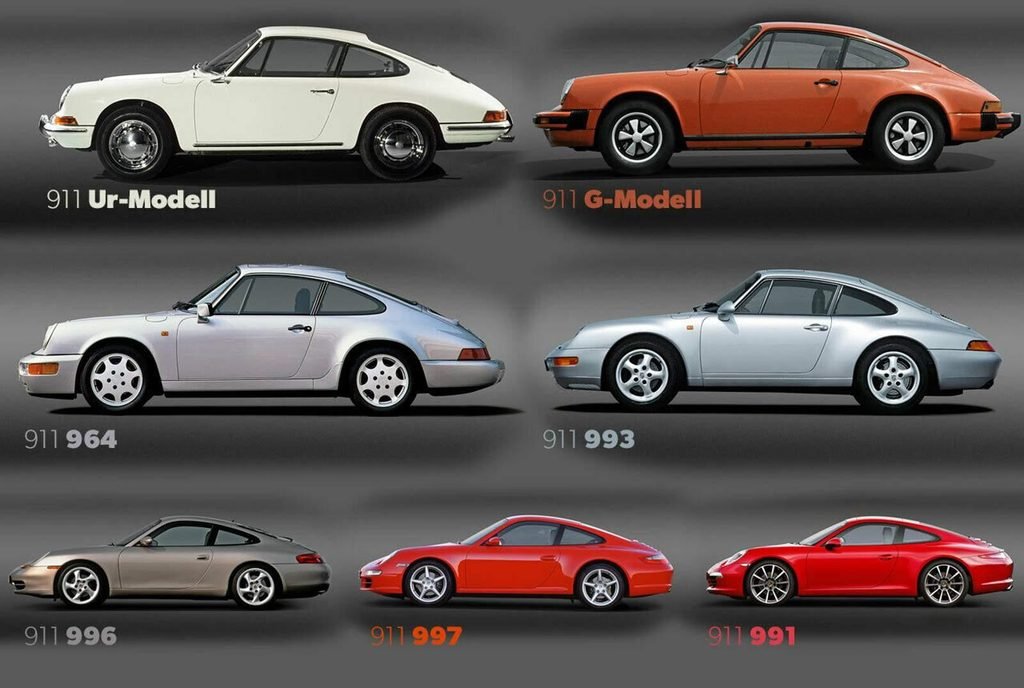
Few cars demonstrate this better than the Porsche 911. Since its introduction in the 1960s, the 911 has gone through enormous technological transformation. It has become faster, safer, more sophisticated and significantly more capable. Yet its fundamental visual formula remains remarkably familiar. The sloping bonnet, the distinctive roofline, the compact cabin, the rounded headlights, the unmistakable rear proportions. A modern 911 is technologically separated from its earliest ancestors by generations of engineering, but visually, the relationship is immediately apparent. That continuity is not accidental. Porsche understood that the 911’s shape had become part of the product itself. The company could modernize the details without abandoning the proportions that made the car recognizable. The result is fascinating: a car that can look contemporary without looking disconnected from its history.
The Mercedes-Benz G-Class: When Function Becomes Fashion
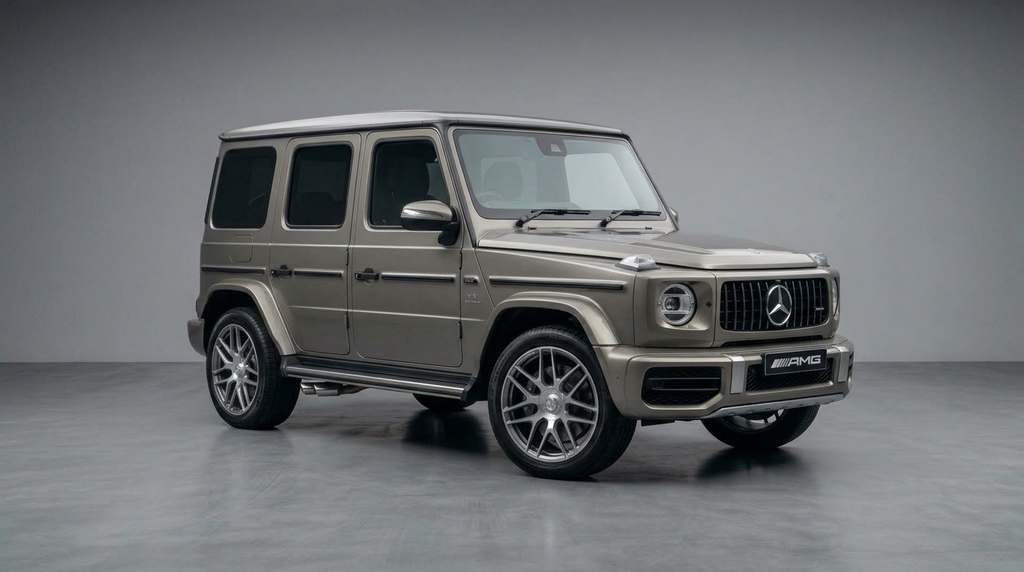
The Mercedes-Benz G-Class represents a different kind of timelessness. Its origins were rooted in utility rather than luxury. The original concept was built around durability, off-road capability and functionality. That purpose produced a very particular shape: tall, upright, square, practical. Decades later, the G-Class has become one of the world’s most recognizable luxury SUVs.
Its cabin is filled with modern technology. Its materials can rival some of the finest luxury vehicles. Its performance variants can produce extraordinary levels of power. But underneath all that evolution remains a silhouette that still communicates its original character. The irony is that a shape created primarily for function eventually became a symbol of luxury. The G-Class demonstrates that sometimes the most powerful design language isn’t created by trying to look expensive. It is created by being unmistakably itself.
The Defender: From Tool to Icon

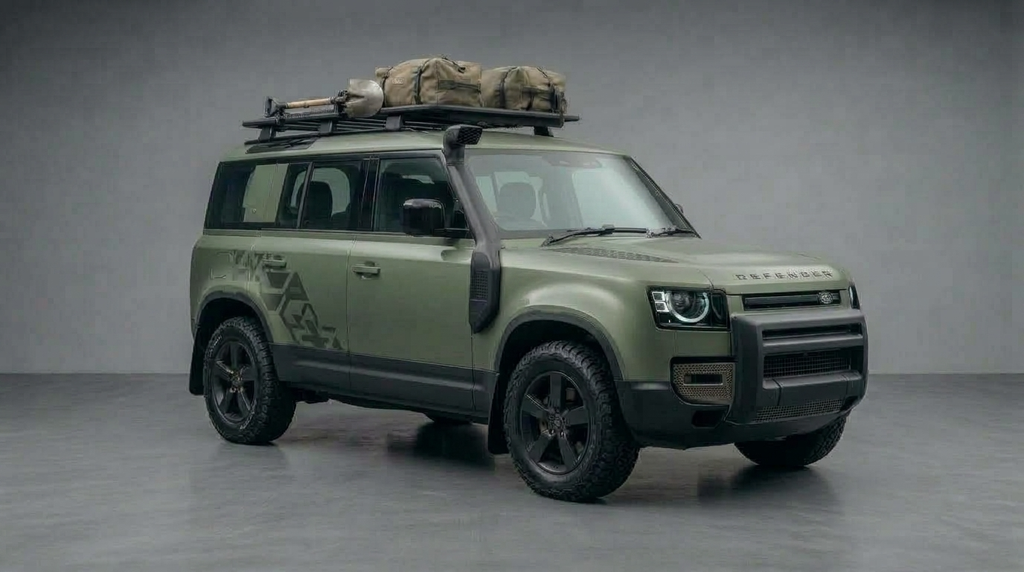
The Land Rover story is equally fascinating. The earliest Land Rovers were fundamentally tools. They were created to work, travel across difficult terrain and perform tasks that ordinary passenger cars could not. Their upright bodies and practical proportions were dictated by purpose. Over time, however, that utilitarian identity became desirable in its own right.
The modern Defender carries considerably more technology and luxury than its predecessors ever could have imagined. Yet it continues to communicate ruggedness through its design. It doesn’t need exaggerated styling to convince you that it belongs away from the city, its shape already tells the story. That is one of the greatest strengths of heritage design: the design itself becomes a form of communication.
Why We Become Attached to Certain Shapes
There is also a psychological reason these cars remain powerful. People don’t simply buy vehicles based on specifications; they develop relationships with them. A particular silhouette can remind someone of the car their parents drove; a certain grille can represent childhood memories. A particular model may have been the dream car on a bedroom wall, in a magazine or on a poster.

Over time, the design becomes attached to experiences. This is why completely replacing an iconic shape can be risky. When a manufacturer changes an ordinary model, customers may simply move on to the new version. When it changes an icon, it risks changing something people have emotionally invested in. The shape has become part of the memory.
The Difference Between Retro and Timeless
There is an important distinction here. A retro design deliberately looks backward while timeless design doesn’t necessarily look old. That is the achievement. The best heritage-inspired cars don’t simply copy their predecessors. They take the fundamental elements that made the original recognizable and reinterpret them for a modern generation. The result is not nostalgia for nostalgia’s sake, it is continuity.
A modern 911 doesn’t attempt to be a 1960s sports car. A modern G-Class doesn’t attempt to be a 1970s utility vehicle. A modern Defender doesn’t attempt to recreate the driving experience of an early Land Rover; they simply preserve enough of the visual DNA to remind you where they came from.
In an Age of Screens and Software, Shape Still Matters
The modern automobile is increasingly defined by technology. Electric powertrains, autonomous driving systems, digital dashboards, over-the-air software updates, advanced driver assistance, artificial intelligence the car is becoming as much a technological platform as it is a mechanical machine.
Yet, despite this transformation, design remains one of the most immediate ways people connect with a vehicle. Before you experience the acceleration, you see the car. Before you sit inside the cabin, you recognize the silhouette. Before you understand its technology, you form an impression based on its proportions. This is why design continuity remains so valuable. Technology changes quickly. Identity takes much longer to build.
The Business Value of an Iconic Shape
There is also a commercial lesson hidden inside these automobiles. A recognizable design can become an asset in itself. When a customer can identify a vehicle from its silhouette, the manufacturer has achieved something incredibly valuable. The product no longer needs to introduce itself. The shape has already done the work.

This is particularly important in the premium automotive market, where a vehicle represents more than transportation, it can represent heritage, craftsmanship, achievement, lifestyle and personal identity. A recognizable design therefore becomes part of the brand’s language; the grille; the headlights, the proportions, the roofline, the stance. These details can carry decades of accumulated meaning.
The Risk of Changing Too Much
There is, however, a fine line between preservation and stagnation. A manufacturer cannot simply freeze an iconic design forever. Customers expect progress, regulations demand change. Technology creates new possibilities. Competition forces manufacturers to evolve. The challenge is therefore not to preserve every detail. It is to preserve the right details. That might mean keeping the overall silhouette while changing the lighting.
Keeping the proportions while redesigning the interior. Keeping the grille while modernizing its interpretation. Keeping the roofline while completely transforming what sits underneath it. The best examples understand that heritage isn’t about refusing to change, it is about changing without losing yourself.
What These Cars Teach Us About Design
Perhaps the most interesting lesson from these vehicles is that good design doesn’t always have an expiration date. Fashion does, technology does, marketing campaigns do but proportion, balance and identity can survive for generations.
The automotive industry has spent more than a century trying to make cars look newer, faster and more futuristic, yet some of the most desirable vehicles continue to draw strength from ideas established decades ago. That isn’t a failure to innovate, it is proof that innovation doesn’t always have to be visible. Sometimes the greatest achievement is taking something that already works and finding new ways to make it relevant.
The Shapes That Time Couldn’t Replace
There will always be new cars, new names, new platforms, new technologies, new design philosophies. Some will be revolutionary. Others will disappear almost as quickly as they arrived. But every generation produces a handful of vehicles that become more than products. They become references, their silhouettes become recognizable, their proportions become familiar, their imperfections become part of their character, and their history becomes part of their value.
The Porsche 911, Mercedes-Benz G-Class and Land Rover Defender are only a few examples of this phenomenon. Their continued evolution proves that a vehicle does not have to abandon its past to embrace the future. Because sometimes, the most powerful form of innovation isn’t creating an entirely new shape, it is taking a shape the world already knows and proving that it still belongs in the future. Some cars follow time, others become timeless, and those are the shapes time couldn’t replace.