
There are cars that transport characters from one scene to another, and then there are cars that become part of the story.
In cinema, a vehicle can communicate wealth, danger, personality, status, rebellion or sophistication before a character even says a word. That is why filmmakers rarely choose important cars simply because they are fast or expensive. The right car has to belong to the character, fit the world of the film, and contribute to the story.
Few relationships demonstrate this better than James Bond and Aston Martin.
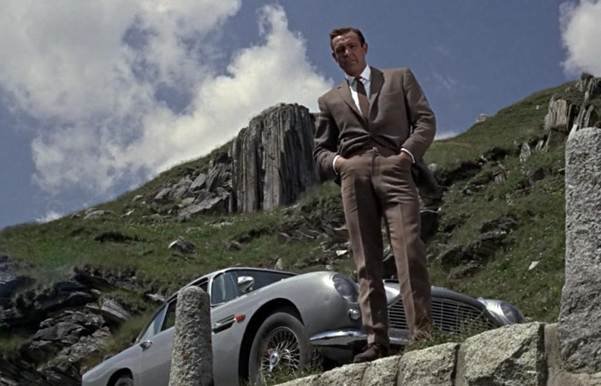
When the Aston Martin DB5 appeared beside Sean Connery in Goldfinger in 1964, it was not simply another luxury sports car placed in a spy movie. It became an extension of Bond himself: sophisticated, discreet, powerful and unmistakably British. More than six decades later, that relationship remains one of the most recognizable partnerships between a fictional character and an automobile.
4
Cars in Movies Are More Than Transportation
Think about some of cinema’s most memorable vehicles. The DeLorean in Back to the Future is not memorable merely because it is a sports car. Its unusual stainless-steel body and gull-wing doors make it visually distinctive enough to become part of the film’s identity. The Batmobile is not simply a vehicle. It reflects Batman’s technology, personality and world. The Ford Mustang in Bullitt became associated with Steve McQueen’s character and one of cinema’s most famous car chases. And then there is the Aston Martin DB5. What makes these cars different is that the vehicle itself becomes part of the character’s identity.
Filmmakers have an enormous visual vocabulary available to them. A character arriving in a Toyota Land Cruiser communicates something different from arriving in a Rolls-Royce. A battered pickup creates a different impression from a new Porsche. A chauffeur-driven Mercedes communicates something different from a character driving an old BMW themselves. The car becomes visual storytelling. Before the audience understands who the character is, the vehicle can already begin telling the story.
So How Do Movies Actually Choose Their Cars?
There is no single formula. The decision can involve the director, producers, production designers, automotive manufacturers, stunt teams and the requirements of the screenplay. Several questions usually matter.
1. Does the car fit the character?
This is perhaps the most important question. If a character is wealthy and sophisticated, a luxury grand tourer may make sense, if they are young and rebellious, a sports car might communicate that personality more effectively, if they are practical and adventurous, an SUV or pickup could make more sense. The vehicle needs to feel believable within the character’s world.
2. Does it look good on camera?
Cinema is visual. A vehicle may be technically impressive but simply not photograph well. Design, proportions, colour, lighting and silhouette all matter. A long bonnet, low roofline and distinctive grille can make a car instantly recognizable when moving through a frame. This is one reason certain cars become cinematic icons. They have a visual identity that remains recognizable even when shown for only a few seconds.
3. Can the car participate in the action?
Action movies introduce another requirement. The car has to do things.It may need to accelerate, corner, drift, jump, survive stunt work or operate in difficult environments. This is where the relationship between automobile manufacturers and film production becomes particularly important. For No Time To Die, Aston Martin and the Bond production used multiple examples and stunt replicas because the cars had to perform different roles. Eight DB5 stunt replicas were built for the film’s action sequences.
That tells us something important: The car we see on screen isn’t necessarily a single production car. There can be hero cars for close-ups, modified vehicles for stunts and replicas for scenes where destroying an expensive original would make little sense.
Then Came the Aston Martin DB5
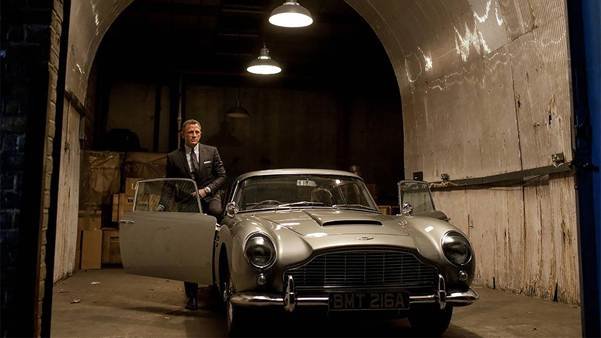
The DB5 changed everything. When Bond receives the Silver Birch Aston Martin DB5 from Q in Goldfinger, the car is introduced almost like a new piece of equipment. And that’s exactly what it becomes. The DB5 is fitted with hidden technology including a tracking device, tyre slashers, smoke screen and oil slick. The gadgets transform an elegant British grand tourer into an extension of Bond’s arsenal. But there is something much more interesting happening.
The gadgets made the car memorable, but they did not create its identity.
The DB5 already possessed the qualities that made it suitable for Bond, it was elegant, powerful, technologically sophisticated for its era, and, importantly, it was unmistakably British. Aston Martin itself describes the DB5 as the car that started its Bond relationship in Goldfinger. The model subsequently appeared in Thunderball, GoldenEye, Tomorrow Never Dies, Casino Royale, Skyfall, Spectre and No Time To Die.
That is remarkable longevity for a movie vehicle.
The DB5 Wasn’t Just Fast It Represented Bond
This is where movie-car selection becomes fascinating. James Bond is not simply portrayed as someone who drives fast cars, his character has traditionally been associated with sophistication, precision, confidence and understated luxury. The DB5 communicates those qualities. Its design doesn’t need enormous wings or an aggressive body kit to attract attention. It is elegant without being timid,powerful without looking excessive, luxurious without appearing ostentatious.
That makes it a remarkably effective visual representation of Bond and Aston Martin’s own historical specifications demonstrate that the original DB5 was a serious performance car for its era: a 3,995cc straight-six producing 282 bhp, with a five-speed ZF gearbox and a claimed 0–60 mph time of 7.1 seconds, in other words, the filmmakers didn’t start with an ordinary luxury car and turn it into a Bond car. They started with a car that already possessed a compelling identity, then they amplified it.
But Bond’s Cars Have Changed With Bond
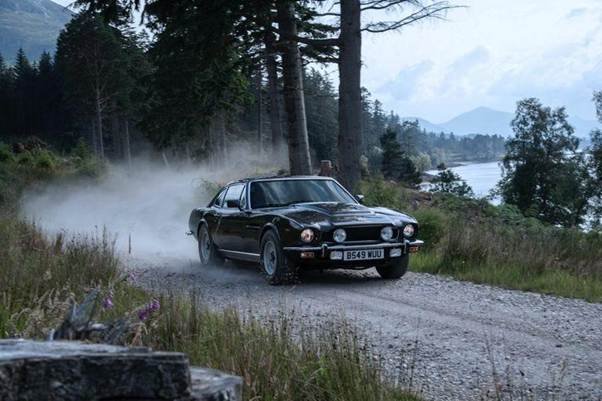
This is perhaps the most interesting part of the relationship. As James Bond evolved, his cars evolved too. The DB5 represented the classic Bond era, but when the franchise moved into different decades, Aston Martin introduced different personalities. The Aston Martin V8 became Bond’s weapon of choice in The Living Daylights. It was a very different machine from the DB5, more muscular, more aggressive, more modern. The V8 was capable of 432 bhp and a claimed top speed of 146 mph according to the official 007 archive. The production also used multiple modified cars and stunt replicas for the demanding action sequences. Then came the modern Bond era.
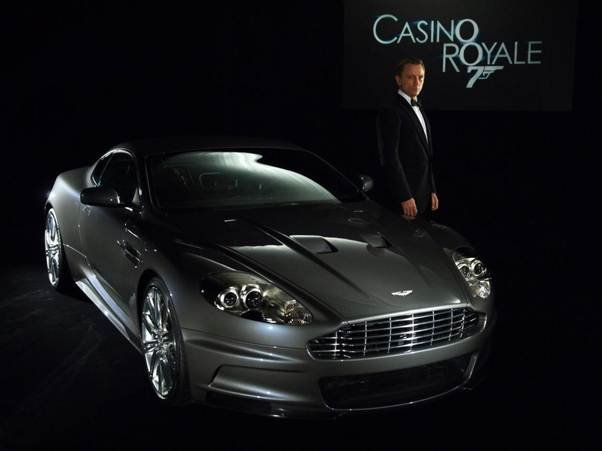
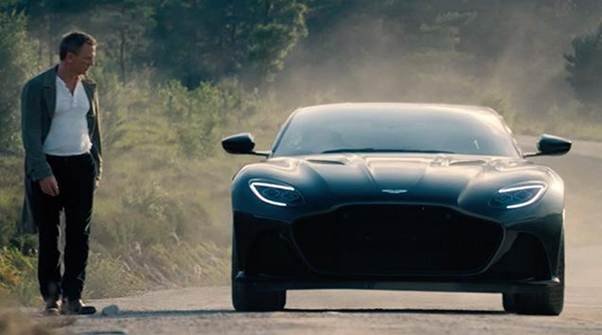
The DBS appeared in Casino Royale and Quantum of Solace, representing a different interpretation of Bond’s character: darker, more aggressive and more contemporary. Aston Martin described the DBS as combining raw power, race-derived technology and design sophistication. The car had changed because Bond had changed.
Casino Royale: When the Car Became Part of the Character’s Transformation
Casino Royale is an especially interesting example. Daniel Craig’s Bond was different. The film presented a younger and more physically aggressive version of the character. The DBS fit that interpretation. It wasn’t the graceful DB5 of the 1960s. It was darker, sharper and more intimidating. And the car became part of the film’s physical storytelling. One of the most memorable examples is the famous crash sequence involving the DBS. The car wasn’t simply being shown off. It was being used to communicate vulnerability, danger and the physical consequences of Bond’s actions. That is an important distinction. A great movie car doesn’t merely look good. It contributes to the emotion of the scene.
No Time To Die Took the Relationship Even Further
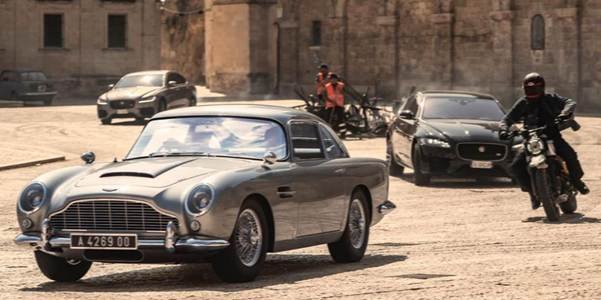
By No Time To Die, Aston Martin had become so deeply connected to Bond that the film could bring together different generations of the marque. The film featured four Aston Martins: the DB5, the classic V8, the DBS Superleggera and the Valhalla. Aston Martin described it as the first Bond film to feature four different Aston Martin models. That was more than a product appearance. It was almost a history lesson. The DB5 represented Bond’s past. The V8 connected the character to another era. The DBS represented modern performance. And the Valhalla represented the future. Suddenly, the cars were telling the story of Bond’s evolution without dialogue.
8
Why Aston Martin and James Bond Work So Well Together
The relationship works because both brands represent a particular idea of British sophistication. But there is something deeper. Consistency. The Bond franchise could have chosen a completely different manufacturer every few films. Instead, Aston Martin became part of the mythology. The DB5 became recognizable enough that audiences could see it and immediately understand:
Bond is back.
That is extraordinary brand recognition. In fact, Aston Martin’s relationship with Bond has become so powerful that the manufacturer created the DB5 Goldfinger Continuation. Only 25 were produced, recreating the famous Silver Birch specification and incorporating working versions of some of the film-inspired gadgets. The influence even extended into toys and collectibles. Aston Martin notes that the Corgi DB5 model sold around 2.5 million units in its first year and has sold more than 20 million worldwide over its history. That is the power of cinema. A movie doesn’t simply advertise a car. Sometimes, it changes what the car means to an entire generation.
The Real Secret: Cars Have Personalities
Perhaps this is the biggest lesson from the relationship between movies and automobiles. We often talk about cars through specifications, horsepower, torque, engine capacity, acceleration, fuel consumption, technology, but cinema reminds us that cars can also communicate personality. A car can look elegant, dangerous, playful, authoritative, rebellious, nostalgic, futuristic, or mysterious.That’s why filmmakers spend so much attention choosing the right vehicle, because when the camera follows a car down the road, the audience isn’t just watching transportation.They are watching character development on four wheels, and James Bond’s Aston Martins may be the clearest example of all, From the Silver Birch DB5 of Goldfinger to the V8, DBS and Valhalla of the modern era, the cars have evolved alongside 007 while maintaining a recognizable connection to his identity.