
BMW: When Performance Became a Philosophy
For decades, BMW has built its reputation around one powerful idea: the car should be more than transportation; it should be something you enjoy driving.
While other manufacturers have built their identities around luxury, comfort, reliability or practicality, BMW has consistently placed driving dynamics at the centre of its brand. Its history is filled with engines, chassis, transmissions and motorsport programmes developed around one fundamental question: how can we make the driver feel more connected to the machine?
That question has shaped BMW for generations.
More Than Just Horsepower
When people talk about performance, horsepower is usually the first number they mention. BMW’s history, however, demonstrates that performance is about much more than power. A powerful engine can make a car fast, but it does not automatically make it enjoyable to drive. BMW’s approach has traditionally involved the entire vehicle. Engine response, steering, suspension, braking, weight distribution and transmission behaviour all have to work together.
This is why BMW became so strongly associated with rear-wheel-drive cars and balanced chassis engineering. The objective was not simply to build a car capable of reaching a high top speed. It was to create a car that responded naturally to the person behind the wheel. The result was a very specific kind of driving experience: one in which the driver felt involved rather than simply transported.
The 3 Series Changed the Formula
One of the clearest examples of this philosophy is the BMW 3 Series.
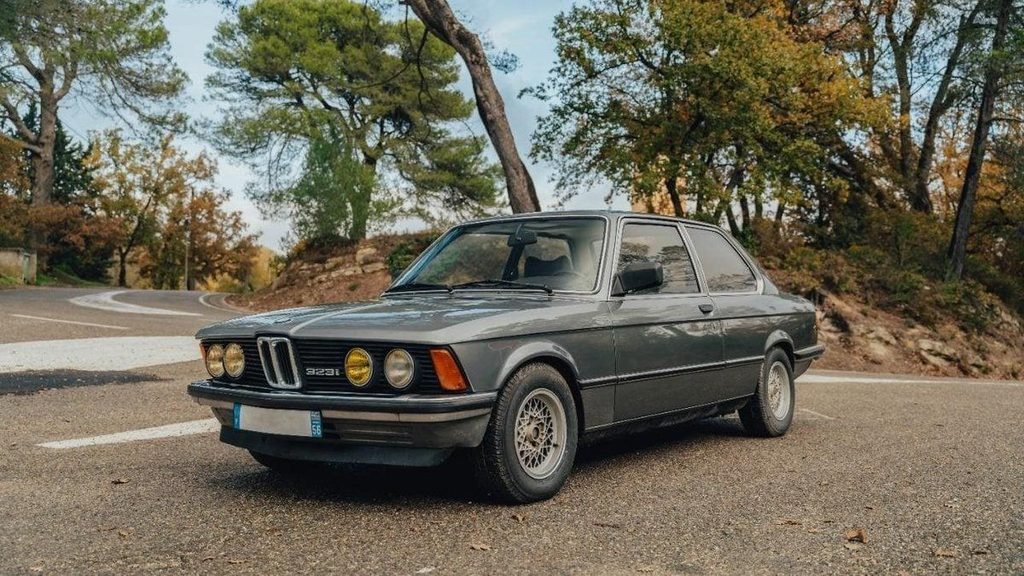
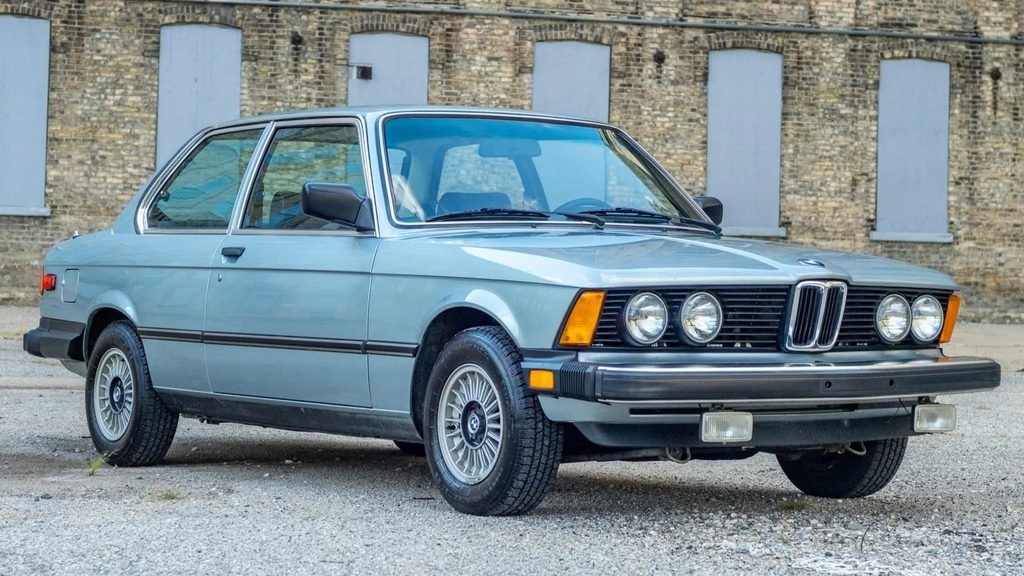
Introduced in 1975, the 3 Series gave BMW a compact platform through which it could combine everyday usability with sporty driving characteristics. It was practical enough for daily life, but its proportions, drivetrain and chassis gave it a character that separated it from many conventional family sedans.
The importance of the 3 Series goes beyond its sales success. It helped establish the idea that an everyday executive car could also be a driver’s car. You did not need to own a dedicated sports car to enjoy driving. You could have four doors, use the car every day and still have something waiting for you when the road became interesting. That philosophy became one of the defining characteristics of BMW.
Then Motorsport Entered the Picture
BMW’s relationship with motorsport took this philosophy even further.
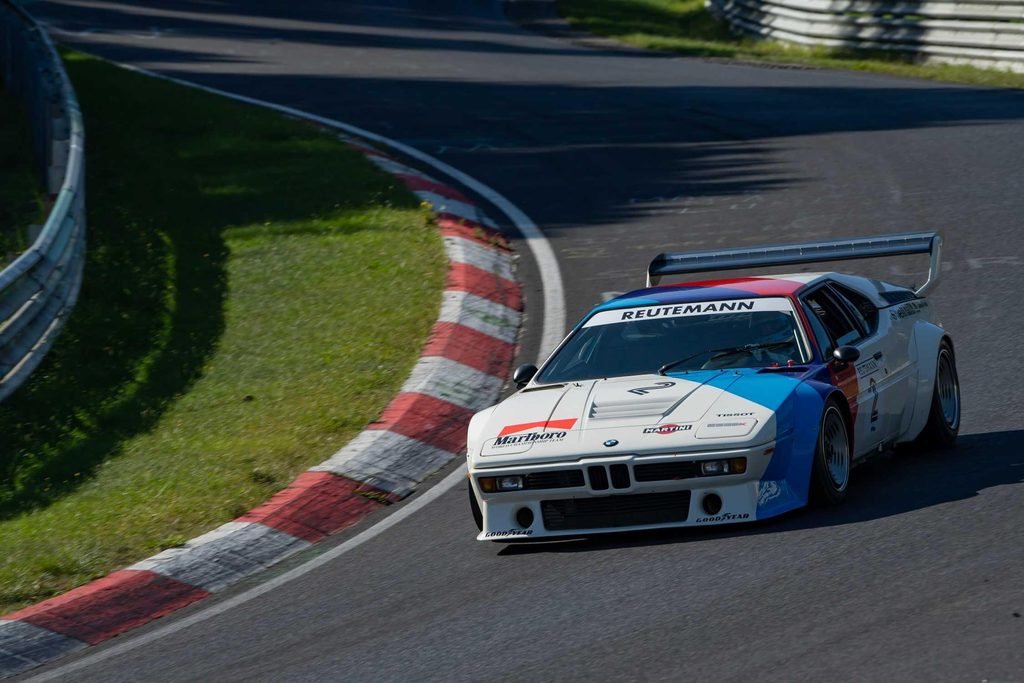
BMW Motorsport GmbH was established in 1972, creating a dedicated organisation focused on competition. Racing gave BMW an environment in which it could push engines, aerodynamics, chassis technology and lightweight construction to their limits. But motorsport provided something even more valuable: credibility. The company could take lessons learned on the racetrack and bring elements of that engineering philosophy into road cars. This eventually produced one of the most recognisable letters in the automotive world:
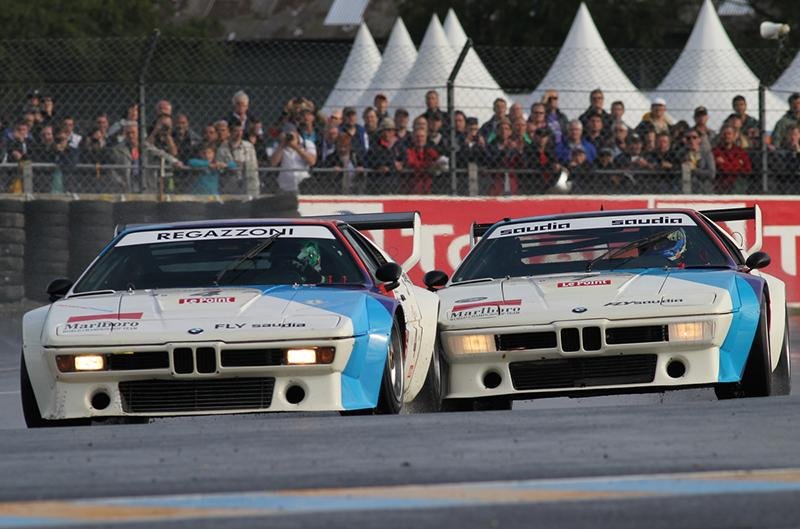
M.
BMW M transformed the relationship between BMW and performance.
The M3 and M5: Two Different Interpretations of Performance
The M3 became one of BMW’s most important performance cars.
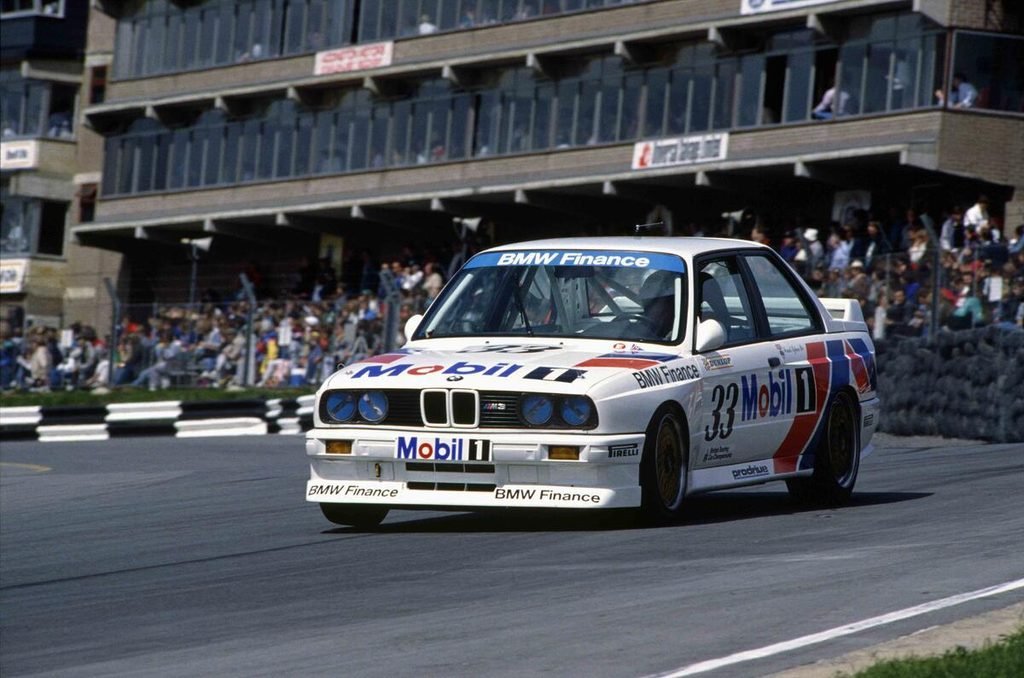
The original E30 M3 was developed with motorsport homologation requirements in mind, meaning the road car was closely connected to the racing programme. Its success on the racetrack helped establish the M3 as much more than a faster version of a normal BMW. It became a symbol of BMW’s performance philosophy.
Then there was the M5.

The M5 took the concept in another direction by combining executive luxury with serious performance. It demonstrated that a car could carry passengers comfortably, function as a daily vehicle and still deliver the kind of performance traditionally associated with sports cars.
That combination became one of BMW’s greatest strengths.
BMW did not force customers to choose between luxury and performance. It tried to give them both.
Performance Moved Into the SUV
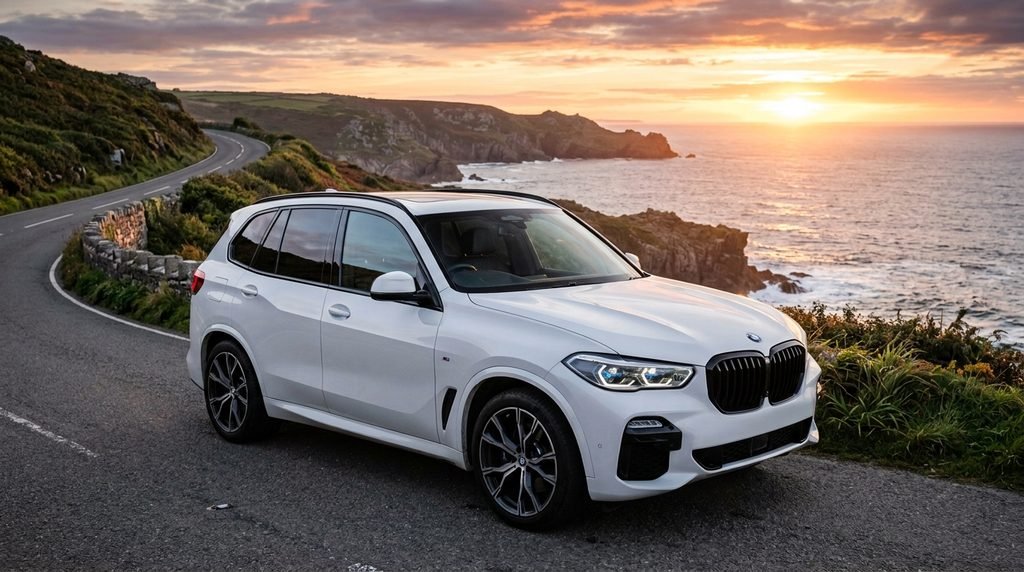
As the global automotive market shifted toward SUVs, BMW faced another challenge. Could the company’s performance philosophy work in a large, heavy, high-riding vehicle? BMW’s answer was the development of performance SUVs such as the X5 M, X6 M, X3 M and their M Performance counterparts.
The idea would have sounded strange several decades ago.
An SUV could now have enormous power, sophisticated all-wheel drive, performance brakes and advanced suspension while still offering family practicality and luxury.
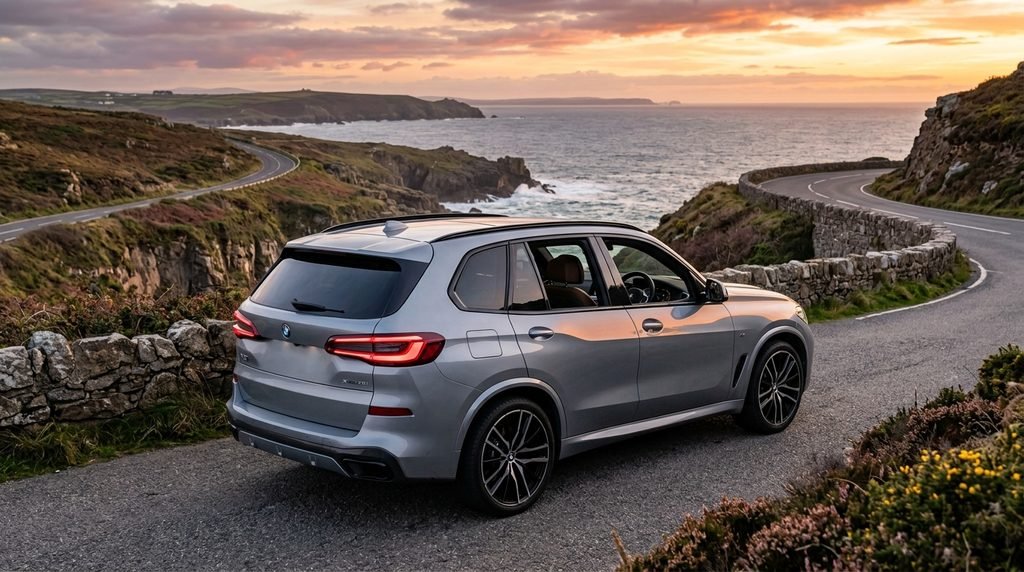
This represented an important evolution in BMW’s philosophy. Performance was no longer tied to one body style, it could exist in a sedan, coupe, wagon or SUV. The shape of the vehicle could change. The philosophy remained.
BMW’s Definition of Performance Is Changing
Today, BMW faces a different automotive world.
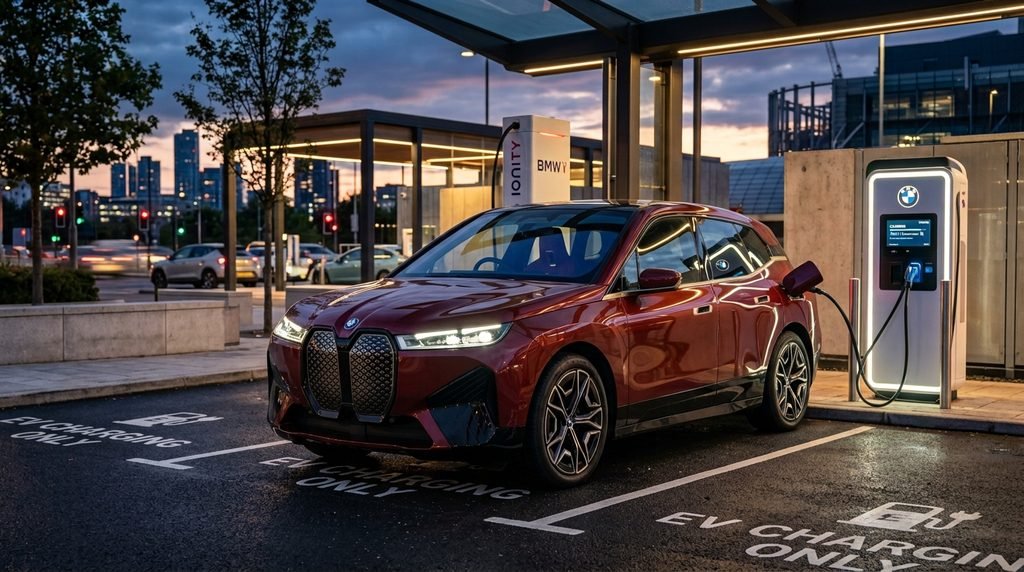
Power is no longer coming exclusively from large combustion engines. Turbocharging, mild-hybrid technology, plug-in hybrids and fully electric powertrains are changing how manufacturers think about performance. Electric motors can deliver enormous torque almost instantly, while advanced electronics can manage power, traction and suspension in ways that would have been unimaginable decades ago.
This creates an important challenge for BMW. The company can no longer simply preserve the old formula. It has to redefine what the BMW driving experience means in an increasingly digital and electrified world. The interesting question is not whether BMW can make an electric car fast.
It can. The bigger question is whether BMW can make an electric car feel emotionally connected to its driver in the same way its greatest combustion-powered cars have. That may ultimately determine the next chapter of BMW’s performance story.
Has BMW Been Too Focused on Performance?
There is an interesting contradiction here. BMW’s obsession with performance helped create its identity, but today’s luxury customer expects much more. People want quiet cabins, advanced technology, comfort, safety, efficiency, practicality and connectivity. Someone buying a large BMW SUV may care just as much about rear-seat comfort and technology as they do about acceleration. BMW therefore has to balance its traditional performance DNA with the expectations of a modern luxury market. And perhaps that is why the company’s evolution is so interesting. BMW is not abandoning performance. It is expanding its definition. Performance today can mean acceleration, but it can also mean how intelligently the car distributes power, how quickly its systems respond, how precisely its suspension works and how effectively technology enhances the driver’s experience.
Performance as a Brand Identity
The most remarkable part of BMW’s history is that performance eventually became more than an engineering objective. It became a brand identity. The 3 Series established the driver’s car. Motorsport created the connection between racing and road cars. The M3 turned that connection into a performance icon. The M5 proved that luxury and performance could coexist. The X5 M demonstrated that even an SUV could carry BMW’s performance philosophy. And electrification is now forcing BMW to decide what that philosophy should look like in the future. The engines will change. The technology will change. The cars will become more connected and increasingly electrified. But the central idea can remain the same:
A BMW should not simply take you somewhere. You should enjoy the journey getting there.
That is perhaps the real meaning behind BMW’s long relationship with performance. It was never simply about having the biggest engine, the highest horsepower figure or the fastest acceleration time. It was about creating a relationship between the driver and the machine. BMW did not just make performance part of its cars. BMW made performance part of its identity.