
Today, we pop the hood open…
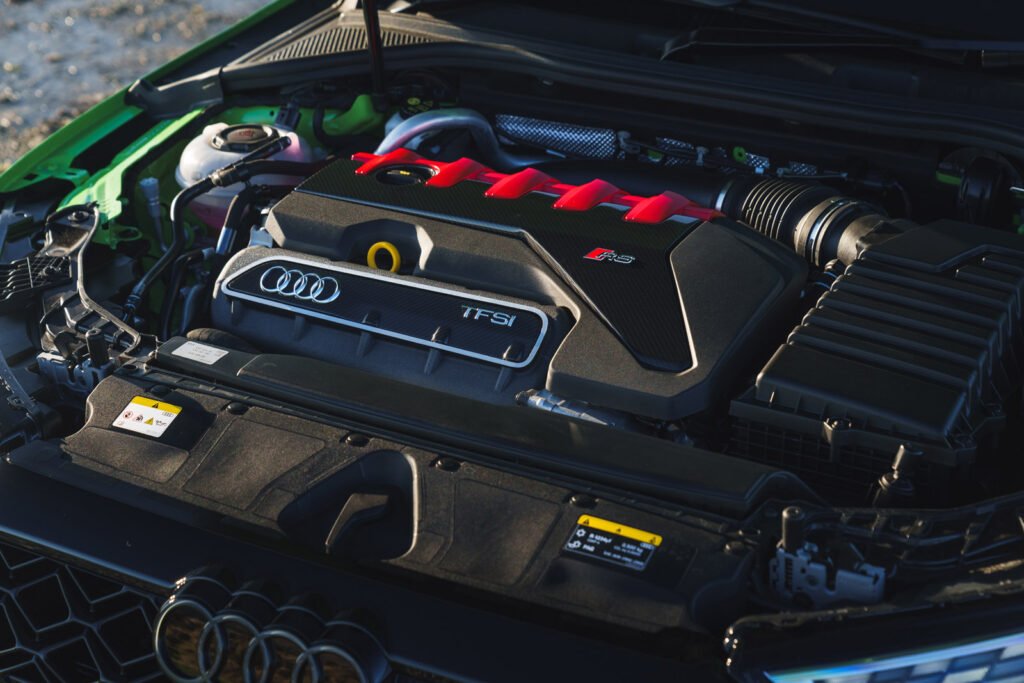
An internal combustion engine requires oxygen to burn fuel. How an engine draws in that air shapes its power delivery, sound, efficiency, and driving feel. Automotive induction systems fall into three main categories: Naturally Aspirated (NA), Turbocharged, and Supercharged.
Core Principles & How They Work
1. Naturally Aspirated (NA) Engines
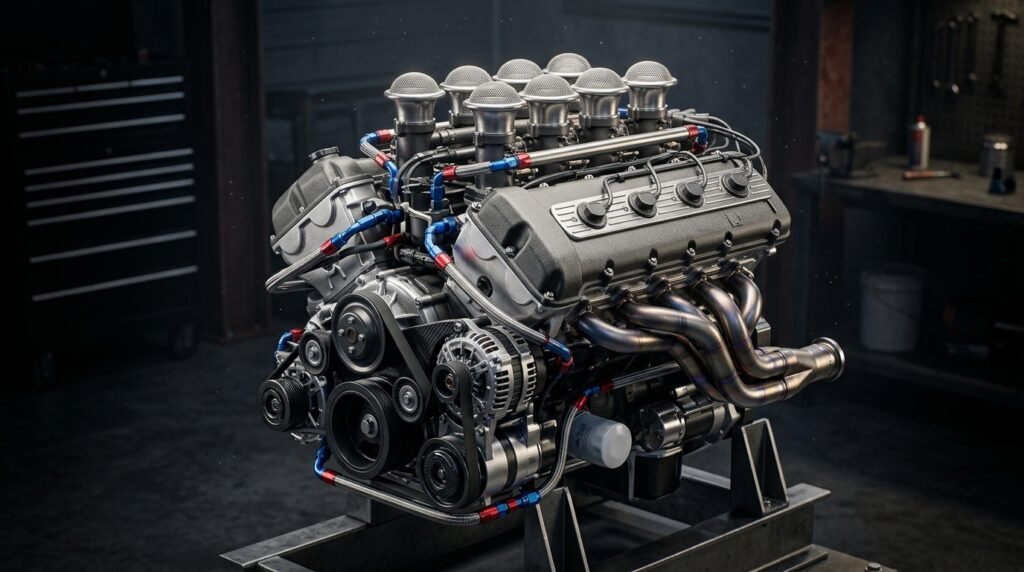
Naturally aspirated engines rely entirely on ambient atmospheric pressure to draw air into the combustion chambers. When a piston moves down the cylinder during the intake stroke, it creates a low-pressure area (vacuum). The higher atmospheric pressure outside pushes ambient air through the intake manifold into the cylinder.
Key Characteristics: Linear power curve, immediate throttle response, high-rpm output, simple mechanical layout.
Examples: Porsche 911 GT3 (4.0L Flat-6), Honda Civic Type R (older K20 models), Ford Mustang GT (5.0L Coyote V8).
- Pros:
- Immediate Throttle Response: No waiting for boost to build; driver inputs yield instant wheel response.
- Mechanical Simplicity & Reliability: Fewer moving parts, lower operating temperatures, and no oil lines feeding turbos.
- Exhaust Note: Unrestricted exhaust paths allow for clean, high-revving engine sound signatures.
- Cons:
- Lower Power Output per Liter: Requires larger displacement or higher RPMs to match forced-induction power numbers.
- Power Loss at High Altitude: Air density drops as elevation increases, reducing power by ~3% per 1,000 feet.
2. Turbochargers
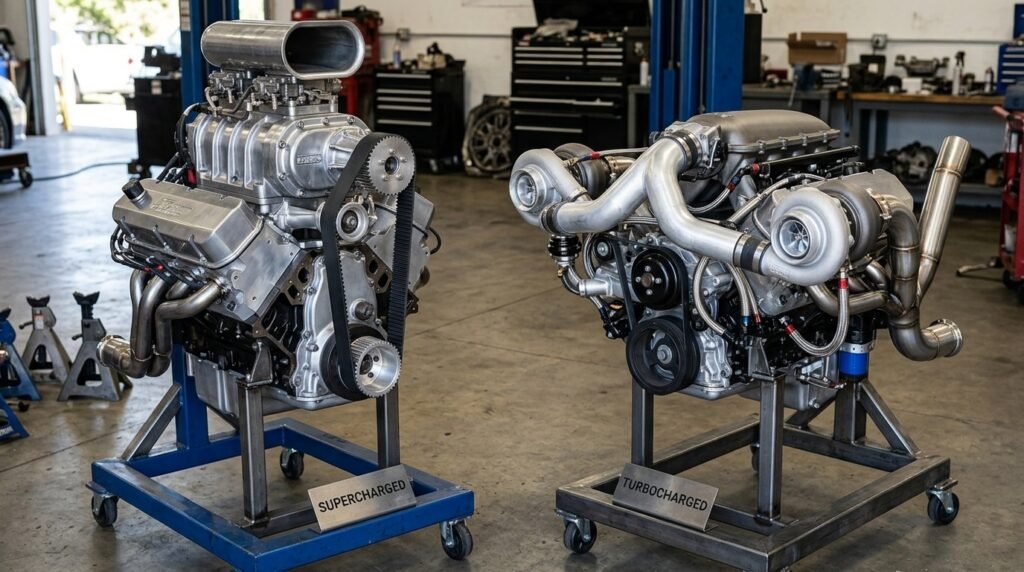
A turbocharger is a forced-induction system powered by waste exhaust gases. It consists of two main sides connected by a shared shaft: a turbine housing and a compressor housing. Hot exhaust gas leaving the engine spins the turbine, which rotates the compressor wheel on the other side. The compressor pulls in fresh ambient air, compresses it (creating “boost”), and forces a higher density of oxygen into the engine cylinders.
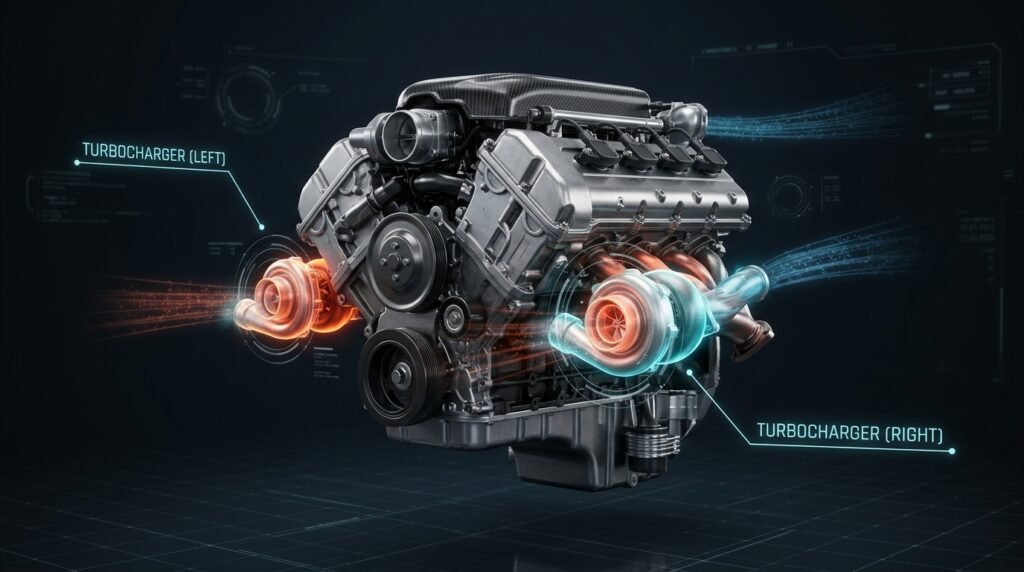
Key Characteristics: Recovers wasted energy, high efficiency, massive low-to-mid-range torque, potential lag before boost builds.
Examples: Volkswagen Golf GTI (2.0L TSI), BMW M3/M4 (Twin-Turbo Inline-6), Ferrari F8 Tributo.
Pros:
- High Thermal Efficiency: Uses energy that would otherwise escape out the exhaust pipe.
- Fuel Economy & Downsizing: Allows smaller 3- or 4-cylinder engines to produce 6- or 8-cylinder power levels when out of boost.
- Massive Low-End Torque: Reaches peak torque low in the RPM band for effortlessness in daily driving.
Cons:
- Turbo Lag: Hesitation between pressing the accelerator pedal and the turbine spooling up to produce full boost.
- Thermal & Mechanical Stress: Extreme heat under heavy load demands high-grade synthetic oils, robust cooling setups, and strict maintenance intervals.
3. Superchargers
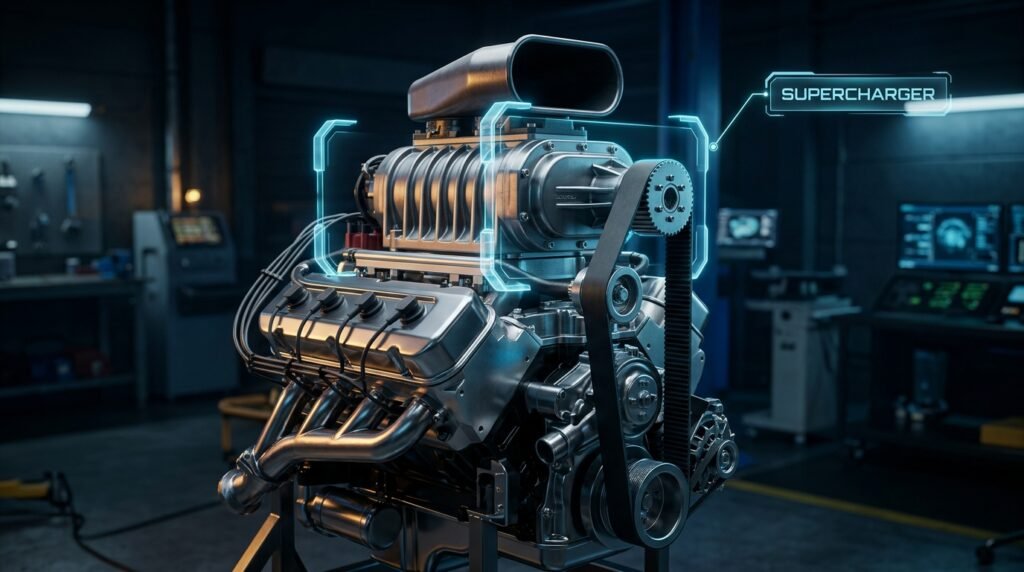
Like a turbocharger, a supercharger is a forced-induction device that compresses intake air. However, instead of using exhaust gas, a supercharger is mechanically driven by the engine’s crankshaft via a belt, chain, or gear drive. The compressor spins in direct lockstep with engine RPM.
- Key Characteristics: Instantaneous boost at low RPM, linear power delivery similar to an NA engine, distinct whine sound, parasitic drag on the engine.
- Examples: Dodge Challenger SRT Hellcat (6.2L Supercharged V8), Jaguar F-Type R (5.0L Supercharged V8), Older Audi SQ7
Pros:
- Immediate Low-RPM Boost: Belt drive ensures full boost potential right off idle without lag.
- Predictable Power Curve: Power increases linearly alongside engine RPM, making car control predictable on track.
- Simple Thermal Management vs Turbos: Superchargers run cooler than exhaust-driven turbos because they aren’t mounted directly to the exhaust manifold.
Cons:
- Parasitic Loss: Driving the compressor eats 20 to 100+ horsepower directly from the crankshaft.
- Lower Fuel Economy: Constant mechanical drag reduces overall engine efficiency even during cruising.
Similarities of Turbochargers and Superchargers
- Fundamental Goal: All three systems serve the same basic purpose—supplying oxygen to the combustion chamber to burn fuel and produce rotational torque.
- Engine Management Integration: Modern iterations of all three utilize Electronic Control Units (ECUs), sensors (MAF/MAP), and fuel injectors to maintain the target air-fuel ratio (AFR).
- Thermal Management: Turbocharged and supercharged engines both compress air, which heats it up. Consequently, both heavily rely on intercoolers to lower intake air temperatures before it enters the cylinders.
Functional Comparison Matrix
| Feature | Naturally Aspirated (NA) | Turbocharger | Supercharger |
| Air Delivery Source | Atmospheric Pressure | Compressed via Exhaust Turbine | Compressed via Crankshaft Belt |
| Throttle Response | Instantaneous | Delayed (“Turbo Lag”) | Instantaneous |
| Power Efficiency | Standard Baseline | Highest (recycles waste heat) | Lower (parasitic crank drag) |
| Top-End Power | Dependent on displacement & RPM | High boost at peak efficiency | Broad, but can drop at extreme RPM |
| Heat Generation | Moderate | Very High (exhaust heat soak) | High (air compression heat) |
| System Complexity | Lowest | High (piping, wastegate, intercooler) | Moderate-High (belt drives, bypasses) |
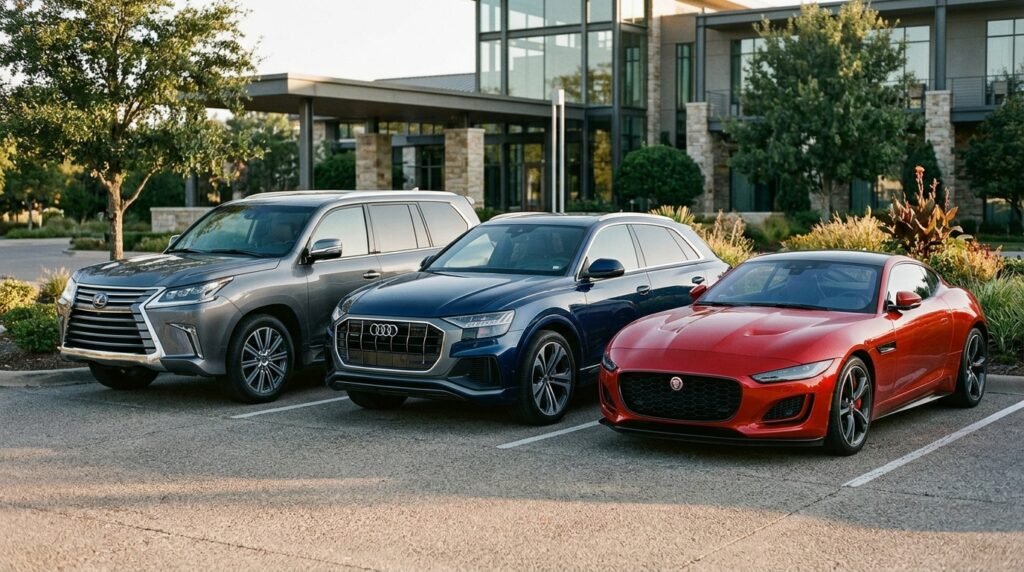
Choosing between a naturally aspirated, turbocharged, or supercharged engine ultimately comes down to your priorities behind the wheel. If you are a purist who craves instant throttle response, a high-revving exhaust soundtrack, and mechanical simplicity with minimal maintenance headaches, a naturally aspirated engine remains the gold standard. For the daily commuter or long-distance driver seeking maximum fuel efficiency paired with effortless passing power and low-rpm torque, a modern turbocharged powerplant offers the ideal blend of practical performance and economy. Finally, if you want massive, zero-lag power deliverable the moment you step on the pedal—along with an unmistakable supercharger whine—and don’t mind sacrificing a bit of fuel economy, a supercharged engine delivers an exhilarating, predictable muscle-car feel that few other setups can match.
Compiled By Sipitali Shitsukane
Automotive Enthusiast, Car Imports Consultant