
Four driven wheels. Two very different philosophies.
Walk into a car dealership and you will often hear terms such as AWD, 4WD, 4×4, quattro, xDrive, 4MATIC, Land Cruiser 4WD, and all-wheel drive. To the average buyer, they can sound like different names for the same thing. They are not.

Although both AWD and 4WD can send engine power to all four wheels, they were developed around different engineering objectives. One is generally designed to continuously manage traction and stability across changing road conditions. The other traditionally focuses on giving a vehicle the ability to deliberately distribute drive to all four wheels when maximum traction is required. Understanding that difference is important because four-wheel drive isn’t simply about having “more traction.” It is about how the vehicle creates, distributes and manages traction.
1. WHY DRIVE ALL FOUR WHEELS?
Before understanding AWD and 4WD, we need to understand the problem engineers are trying to solve. A conventional two-wheel-drive vehicle sends power to either the front or rear wheels. If those tyres have sufficient grip, the vehicle moves efficiently. But when one or more driven tyres lose traction, things become more complicated. Imagine driving on: Mud, sand, gravel, snow, wet grass, loose soil or steep inclines. The available grip can change dramatically from one wheel to another. This creates a fundamental problem:
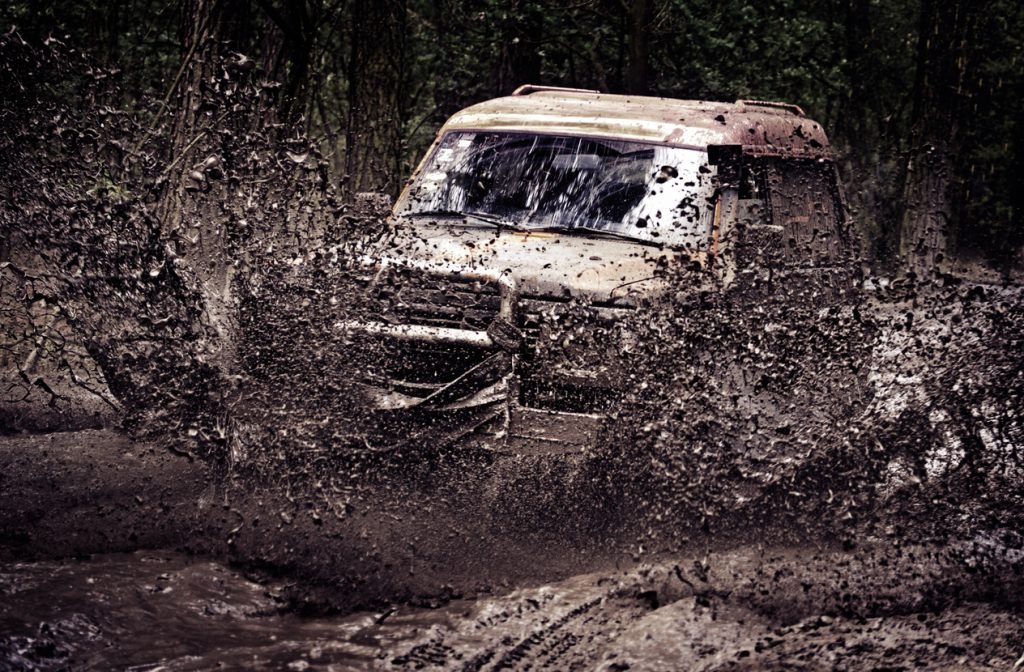
How do you get engine power to the wheels that actually have grip?
Driving all four wheels gives engineers more opportunities to find traction. But simply connecting all four wheels together isn’t enough. The system needs to manage how power is distributed. That’s where the engineering becomes interesting.
2. THE DIFFERENCE IN PHILOSOPHY
At a simplified level:
AWD
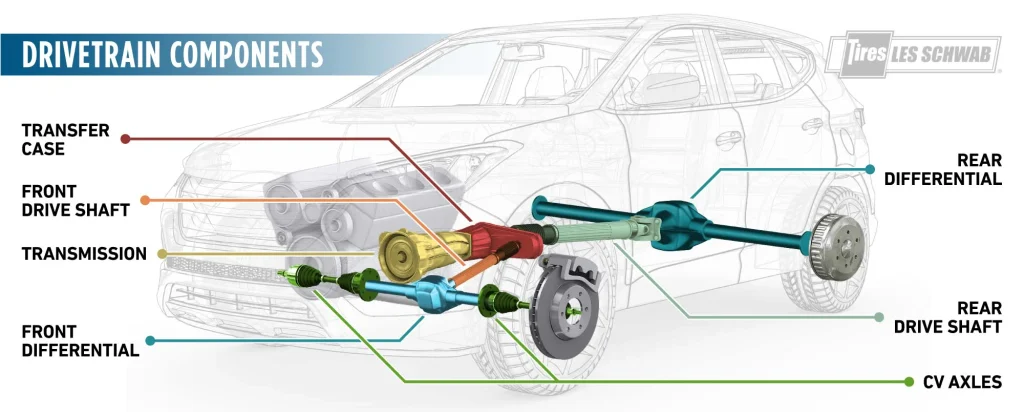
AWD systems are generally designed to automatically manage power between the front and rear axles according to available traction and driving conditions. They are particularly suited to: wet roads, high-speed driving, gravel, poor weather, variable road surfaces, performance driving, everyday road use
4WD
Traditional 4WD systems are generally designed around deliberate control of the vehicle’s drivetrain for difficult terrain. They are particularly suited to: Deep mud, sand, rocks, steep terrain, heavy off-road use, towing, low-speed technical driving There are exceptions. Modern drivetrains have become extremely sophisticated, and the line between AWD and 4WD is no longer perfectly clear. But the underlying philosophies remain different.
3. WHAT IS AWD?
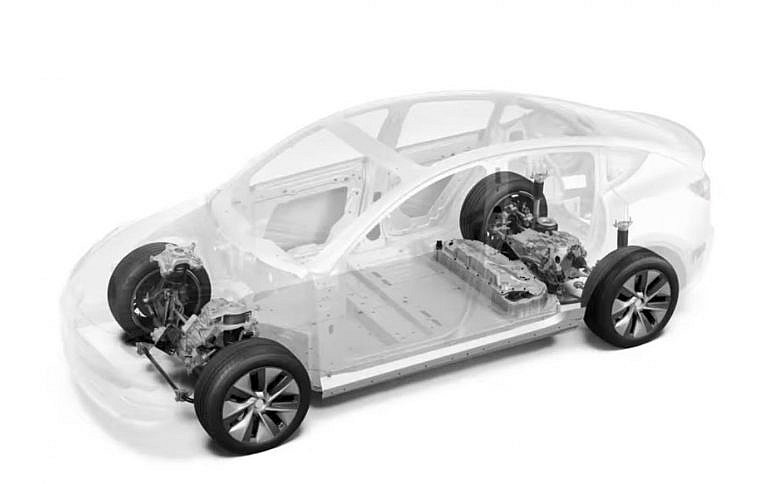
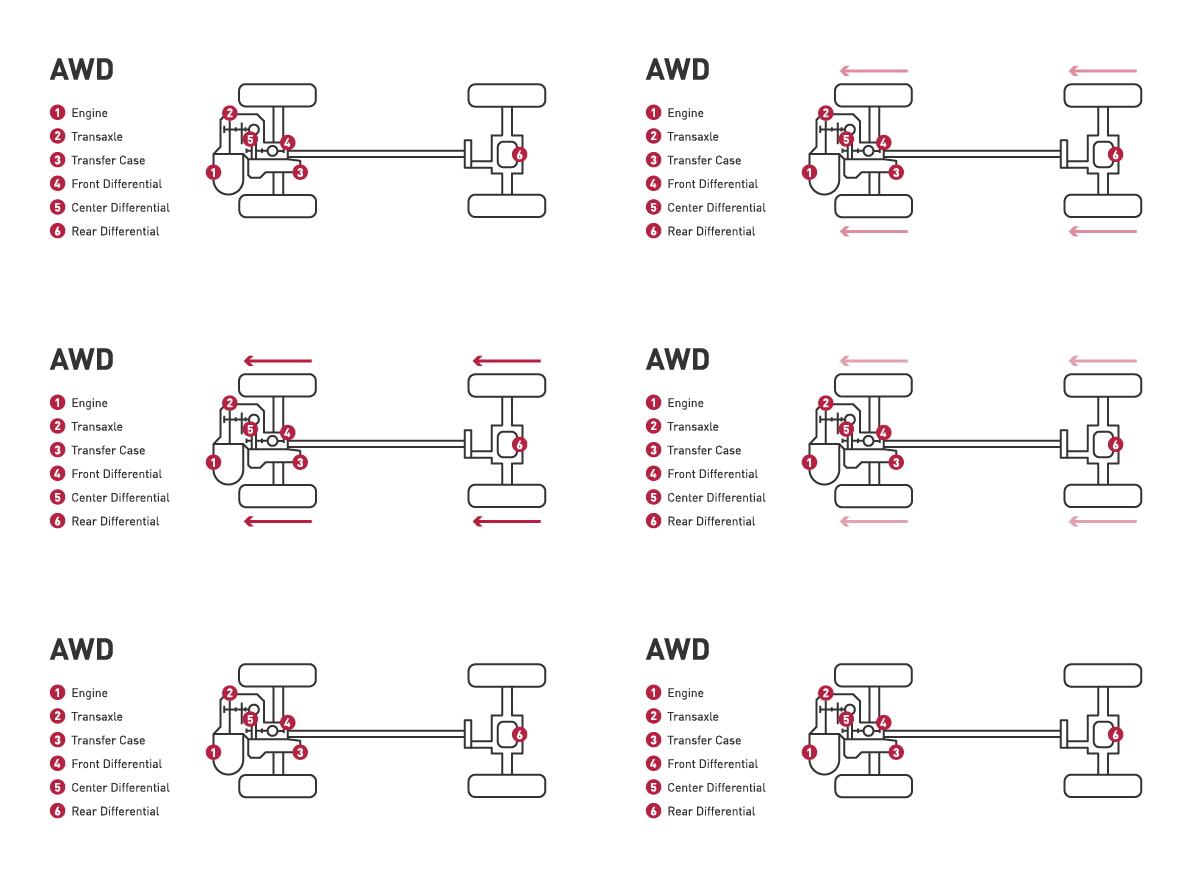
All-Wheel Drive is essentially a system that allows the vehicle to distribute engine torque between the front and rear axles automatically or continuously, depending on its design. Modern AWD systems use a combination of mechanical and electronic components. Sensors constantly monitor information such as: Wheel speed Throttle position Steering angle Engine torque Vehicle speed Yaw rate Wheel slip. The vehicle’s computers can then determine whether additional torque should be sent to another axle. This can happen extremely quickly. The driver may simply press the accelerator. The vehicle does the rest.
4. AWD ISN’T NECESSARILY “50/50”
One of the biggest misconceptions about AWD is that all four wheels always receive equal power. They don’t necessarily. Depending on the system and driving conditions, torque distribution can change continuously. During normal driving, a vehicle may operate predominantly through one axle. If the system detects wheel slip or predicts that additional traction will be required, it can redirect torque. This has several advantages. The vehicle doesn’t necessarily need to operate in maximum-traction mode all the time. Instead, it can adapt. That makes modern AWD systems particularly effective for road vehicles.
5. THE DIFFERENTIAL: ONE OF THE MOST IMPORTANT COMPONENTS
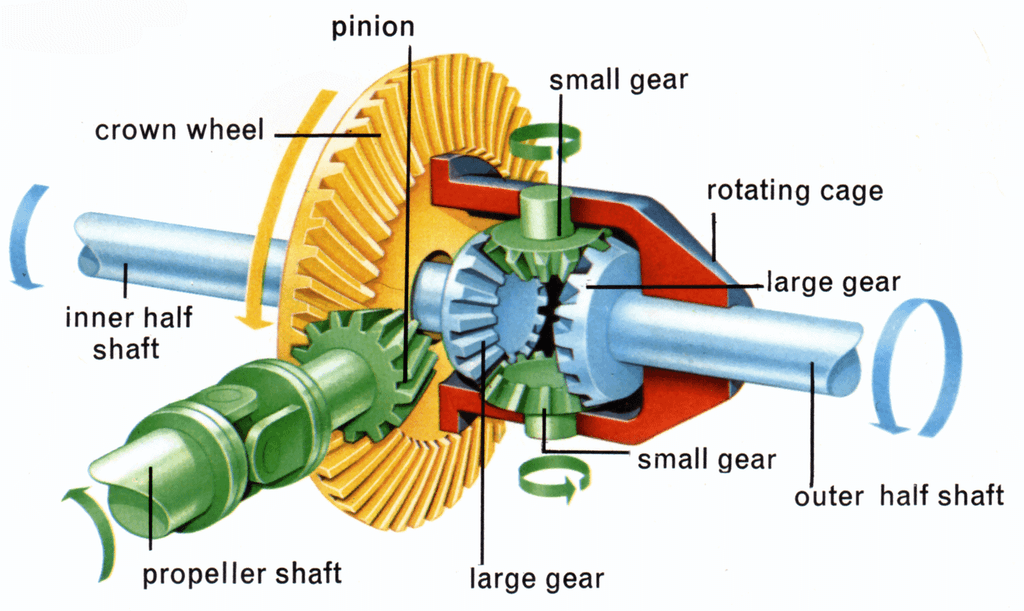
To understand AWD properly, we need to talk about the differential. A differential allows wheels on the same axle to rotate at different speeds. Why is this necessary? Because when you turn a corner, the outside wheel travels a longer distance than the inside wheel. Therefore, the outside wheel needs to rotate faster. Without a differential, the tyres would fight against each other during normal cornering. AWD vehicles introduce another challenge. Now the front and rear axles may also need to rotate at different speeds. This is where systems such as centre differentials and electronically controlled multi-plate clutches become important.
6. THE CENTRE DIFFERENTIAL
In many AWD systems, a centre differential manages the relationship between the front and rear axles. It allows the two axles to rotate at different speeds while still transmitting torque. This is particularly useful on paved roads. Imagine taking a long sweeping corner. The front and rear wheels are travelling through slightly different paths. The drivetrain needs to accommodate those differences without binding. A properly engineered AWD system can do this seamlessly.
7. ELECTRONICS HAVE TRANSFORMED AWD
Older four-wheel-drive systems relied heavily on mechanical components. Modern AWD systems increasingly use computers and electronically controlled components. Sensors constantly monitor the vehicle. If the system detects that one axle is beginning to lose traction, it can respond almost immediately. This is why modern AWD systems can be extremely sophisticated. The system isn’t simply reacting to wheelspin. Some systems can also anticipate situations where additional traction may be needed. For example, aggressive acceleration, rapid steering input or changes in road conditions can trigger different torque-management strategies.
8. WHAT IS 4WD?
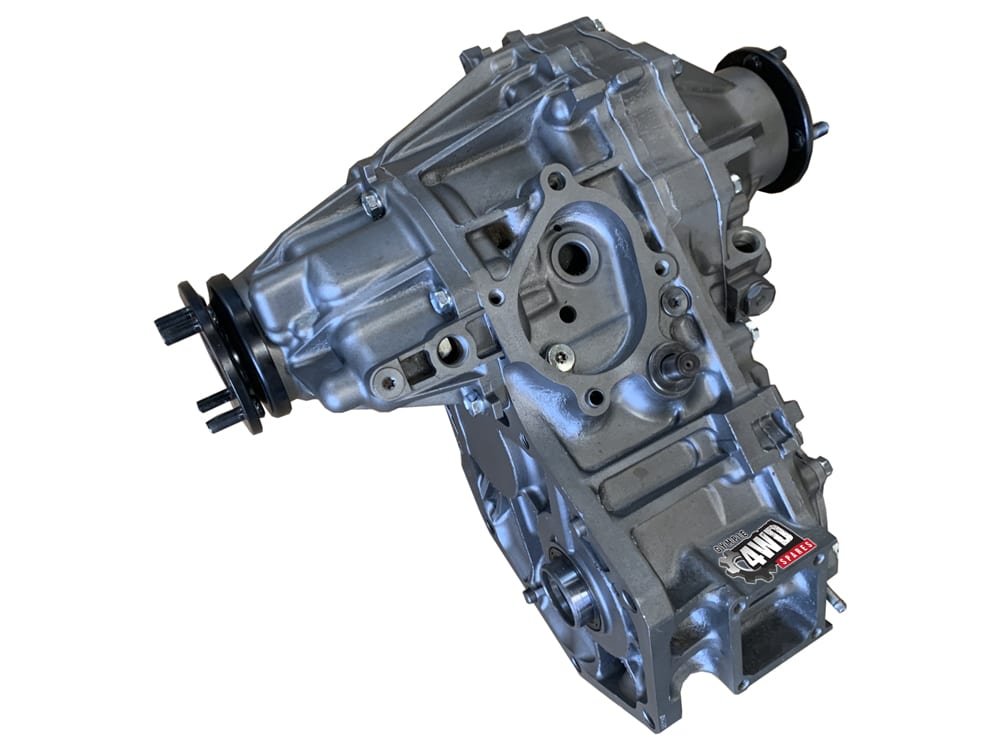
Traditional four-wheel drive, often called 4×4, was developed with a different mission. The goal wasn’t simply to make a vehicle corner better on wet roads. It was to allow the vehicle to keep moving when the terrain became extremely difficult. A traditional 4WD system typically includes a transfer case. The transfer case distributes engine torque between the front and rear axles. Many systems provide selectable modes such as: 2H — Two-wheel drive, high range, 4H — Four-wheel drive, high range, 4L — Four-wheel drive, low range
The exact terminology varies between manufacturers, but the basic concept is similar.
9. WHY LOW RANGE MATTERS
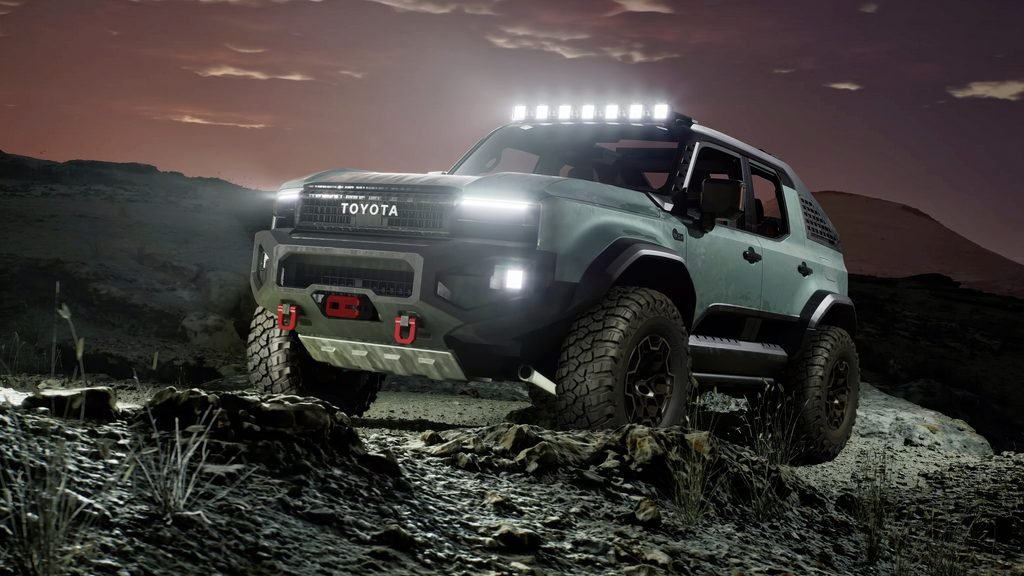
One of the most important differences between traditional 4WD and ordinary AWD is the availability of low range gearing. Low range doesn’t simply give the vehicle more horsepower. It changes the gearing. The result is significantly more torque multiplication at the wheels and greater control at very low speeds. This is extremely useful when: climbing steep slopes, descending difficult terrain, crawling over rocks, driving through deep mud, pulling through difficult obstacles, controlling a heavily loaded vehicle. Instead of relying on high engine speed, the vehicle can move slowly while producing substantial wheel torque. This is why serious off-road vehicles such as the Land Cruiser, Land Rover Defender and other purpose-built 4x4s can tackle terrain that ordinary road-oriented AWD vehicles may struggle with.
10. WHY 4WD CAN BE SO EFFECTIVE OFF-ROAD
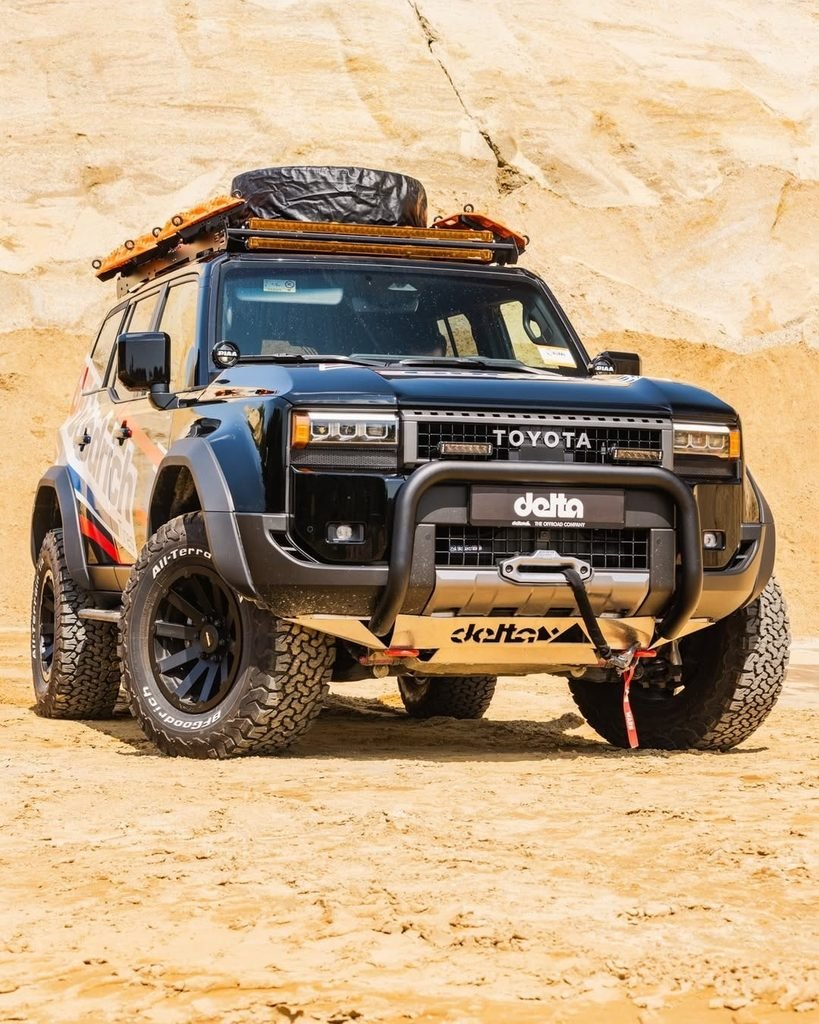
Off-road driving creates a unique problem. The terrain isn’t predictable. One wheel may be on solid ground. Another may be in mud. Another might be partially unloaded. The fourth may be climbing over an obstacle. A serious 4WD system is designed to manage these situations. But the drivetrain is only one part of the equation. Off-road capability also depends heavily on ground clearance, suspension articulation, tyres, differential locks, approach angle, departure angle, breakover angle, wheelbase, low-range gearing, traction control, engine torque, driver technique
This is an important distinction.
Four-wheel drive alone does not make a vehicle an off-road vehicle.
11. DIFFERENTIAL LOCKS: THE OFF-ROAD SECRET
Imagine one wheel loses traction completely. A conventional open differential can sometimes send more usable torque to the wheel with less resistance which is exactly what you don’t want. This is where differential locks become extremely valuable. A locked differential forces both wheels on an axle to rotate together at the same rate. This can help maintain drive when one wheel has little or no traction. Some advanced vehicles can also electronically simulate the effect of a differential lock by braking a spinning wheel and redirecting usable torque. This is one reason modern vehicles can perform surprisingly well without traditional mechanical locking differentials.
12. AWD VS 4WD: WHICH IS BETTER?
The answer is:
Neither is universally better. They are designed for different priorities.
AWD generally makes more sense when you want: everyday road usability, improved traction in rain, high-speed stability, better acceleration on slippery surfaces, performance driving, automatic operation, a system that requires little driver intervention
Traditional 4WD generally makes more sense when you need: serious off-road capability, low-range gearing, maximum traction at low speeds, deep mud capability, sand driving, rock crawling, heavy-duty towing, greater drivetrain robustness for demanding terrain
The question isn’t:
“Which system is better?”
The better question is: “Which system is better for what I actually do?”
13. AWD CAN BE BETTER FOR EVERYDAY DRIVING
For the average urban driver, an AWD system can often be the more appropriate choice. Most drivers are not climbing rocks or crossing deep mud on their daily commute. Instead, they encounter wet roads, heavy rain, uneven surfaces, gravel, occasional rough roads, and highway driving. In these conditions, a sophisticated AWD system can provide an additional layer of traction and stability without requiring the driver to manually select different drivetrain modes.
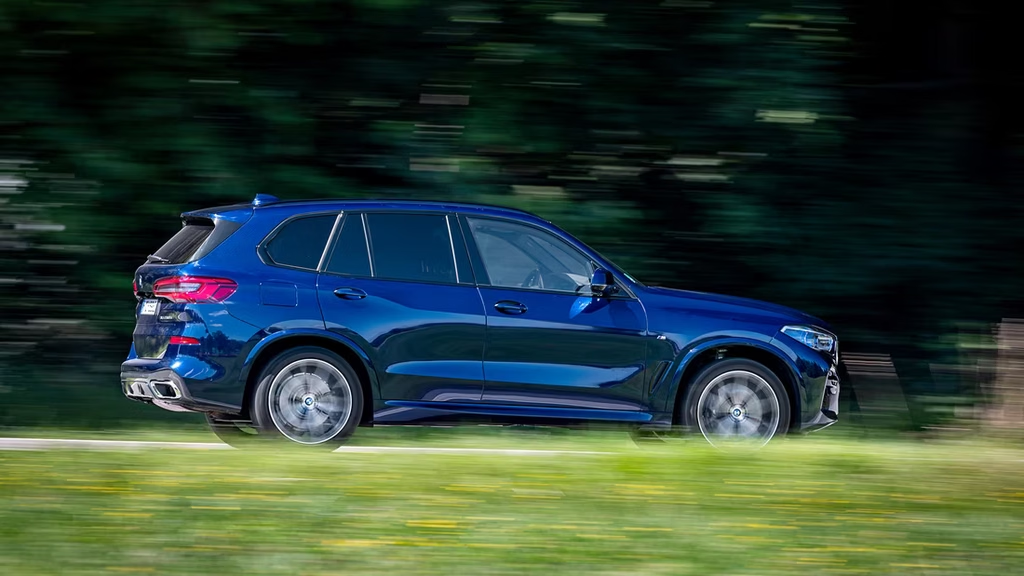
This makes AWD particularly attractive in modern premium SUVs and performance crossovers. Systems such as BMW’s xDrive, Audi’s quattro and Mercedes-Benz 4MATIC have been engineered not necessarily to turn these vehicles into hardcore off-road machines, but to improve the way they put power onto the road. During acceleration, cornering or changing road conditions, the system can continuously adjust how torque is distributed between the axles. The objective is therefore less about extreme off-road capability and more about controlled traction, stability and confidence in everyday driving.
14. 4WD IS BUILT FOR A DIFFERENT BATTLE
Now imagine a completely different environment. You are driving through deep mud, climbing a steep incline, crossing loose gravel or attempting to navigate terrain where one or more wheels can easily lose contact with a firm surface. In this environment, the requirements are very different from those of an urban road car. The vehicle needs to maintain movement at low speeds while producing substantial wheel torque and managing constantly changing levels of traction.
This is where traditional 4WD begins to make much more sense. A purpose-built four-wheel-drive system can combine a transfer case, low-range gearing, differential management, suitable tyres and substantial ground clearance to create a vehicle designed for demanding terrain. Low range is particularly important because it provides greater torque multiplication and allows the vehicle to move slowly with precise control. This is why serious off-road vehicles have traditionally relied on 4WD systems rather than road-oriented AWD architectures.
15. THE RISE OF ELECTRONIC TRACTION CONTROL
Modern technology has made the distinction between AWD and 4WD more complicated. Today’s vehicles can use wheel-speed sensors, steering-angle sensors, yaw sensors, engine-management systems and braking systems to manage traction with remarkable precision. Instead of relying entirely on mechanical components to distribute torque, the vehicle’s computers can constantly monitor what each wheel is doing and intervene when traction begins to disappear.
For example, if one wheel begins spinning on a slippery surface, the system can apply braking force to that wheel while adjusting the distribution of available torque. This can allow a modern crossover to travel considerably farther off-road than its appearance might suggest. However, electronic traction management should not be confused with the complete mechanical capability of a purpose-built 4×4. Software can improve traction dramatically, but it cannot completely replace characteristics such as low-range gearing, suspension articulation, ground clearance and mechanical differential locks when the terrain becomes extremely demanding.
16. AWD DOES NOT AUTOMATICALLY MEAN BETTER OFF-ROAD
One of the most important misconceptions surrounding all-wheel drive is the assumption that AWD automatically makes a vehicle an off-road machine. It doesn’t. A vehicle can have an extremely sophisticated AWD system and still be poorly suited to serious off-road driving if it has limited ground clearance, road-focused tyres, no low-range gearing and restricted suspension articulation.
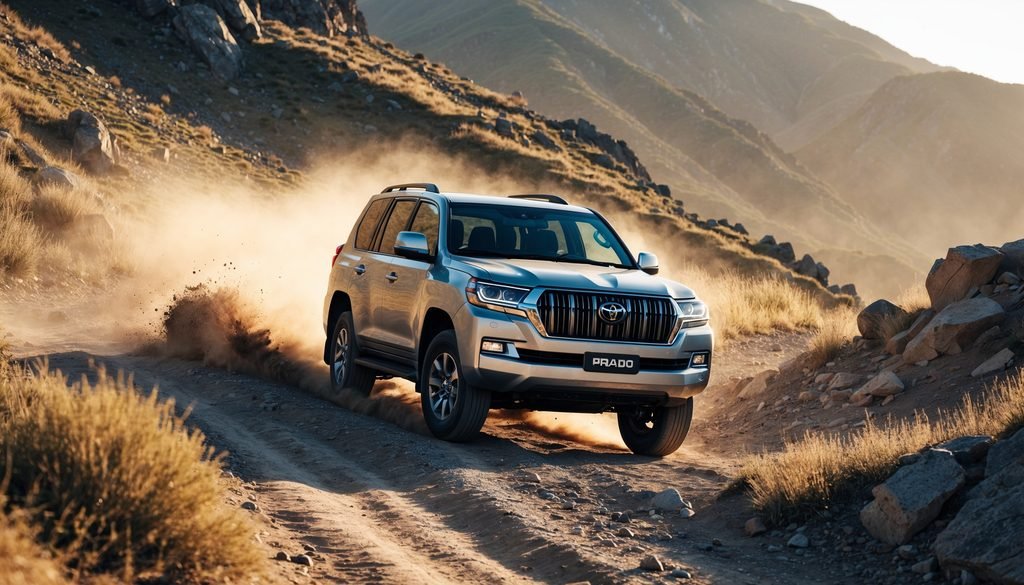
Consider two vehicles with power going to all four wheels. The first might be a luxury crossover with AWD, low ground clearance, road tyres and sophisticated electronic traction control. The second might be a dedicated 4×4 with high ground clearance, low-range gearing, off-road tyres, substantial suspension articulation and locking differentials. Both vehicles can technically drive all four wheels, but their engineering objectives are completely different.
The first is primarily designed to provide traction, stability and confidence on roads and relatively moderate surfaces. The second is designed to maintain mobility when the terrain itself becomes the obstacle. This is why drivetrain is only one part of off-road capability.
17. WHY TYRES MATTER SO MUCH
One of the most overlooked components in the AWD-versus-4WD conversation is the tyre. A vehicle can have an advanced drivetrain and powerful engine, but if the tyres cannot generate sufficient grip on the surface underneath them, the available power becomes largely irrelevant. Ultimately, the tyre is the point where the vehicle interacts with the road, mud, sand, gravel or rock.
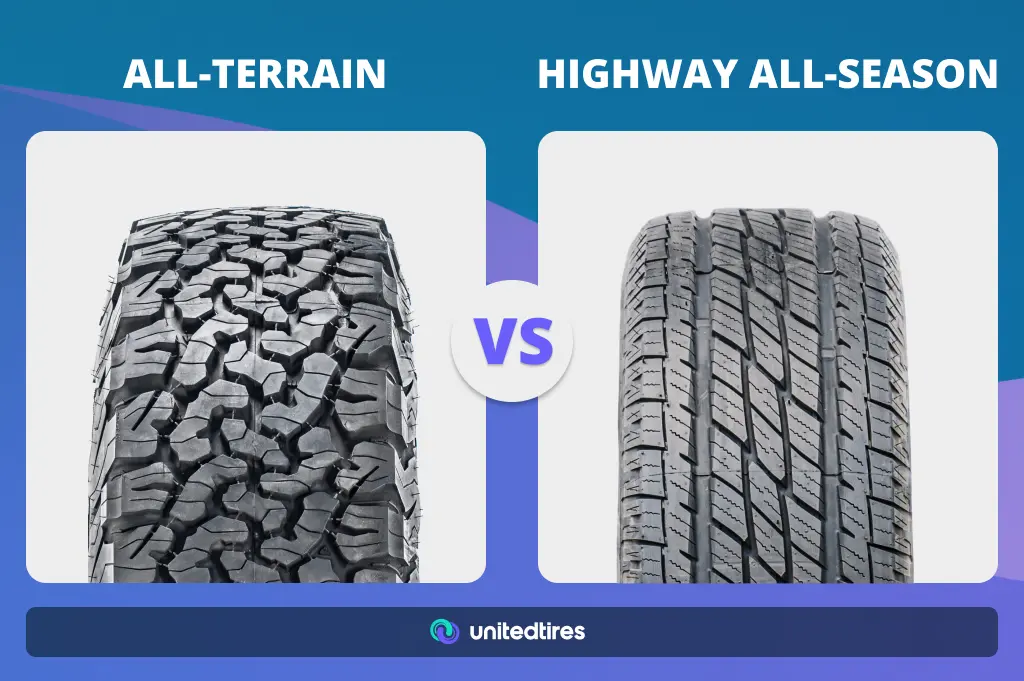
Road tyres are generally engineered around quietness, comfort, fuel efficiency, wet-road performance and high-speed stability. Off-road tyres, by contrast, may place greater emphasis on loose-surface traction, sidewall strength, durability and resistance to damage. This difference can dramatically affect how a vehicle performs away from paved roads.
This is why changing tyres can transform the character of a vehicle. An SUV equipped with appropriate all-terrain or mud-terrain tyres may perform significantly better on difficult surfaces than an identical vehicle running road-focused tyres. The drivetrain creates the potential for traction, but the tyres determine how effectively that potential can be converted into movement.
18. AWD AND 4WD BOTH HAVE TRADE-OFFS
There is no such thing as free engineering. Giving a vehicle the ability to drive all four wheels generally introduces additional components, weight, mechanical complexity and potential drivetrain losses. Depending on the system, there may be additional differentials, driveshafts, transfer mechanisms, clutches, cooling requirements and electronic control systems. All of these components have an effect on vehicle weight, efficiency, manufacturing cost and maintenance.
Manufacturers therefore have to balance traction against efficiency. This has become particularly important as the automotive industry places increasing emphasis on fuel economy and emissions. Modern AWD systems are becoming increasingly intelligent because manufacturers want to provide additional traction when it is useful without unnecessarily carrying mechanical losses when it isn’t. Some systems can effectively disconnect or reduce drive to an axle during normal conditions and then rapidly restore torque when additional traction is required.
The engineering challenge is therefore not simply to create maximum traction. It is to create the right amount of traction at the right time while minimising unnecessary energy loss.
19. THE FUTURE: ELECTRIC AWD
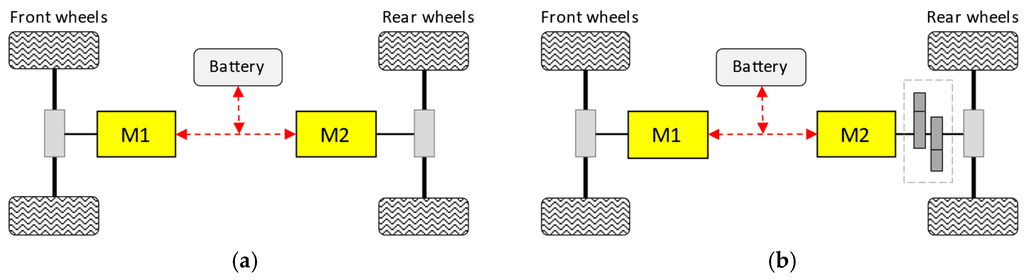
Electric vehicles are changing the engineering conversation around all-wheel drive completely. A traditional petrol or diesel vehicle typically relies on a mechanical drivetrain to transfer power from a single engine to the wheels. An electric vehicle, however, can take a very different approach. A manufacturer can place one electric motor on the front axle and another on the rear axle, allowing the vehicle to control torque between the two axles electronically.
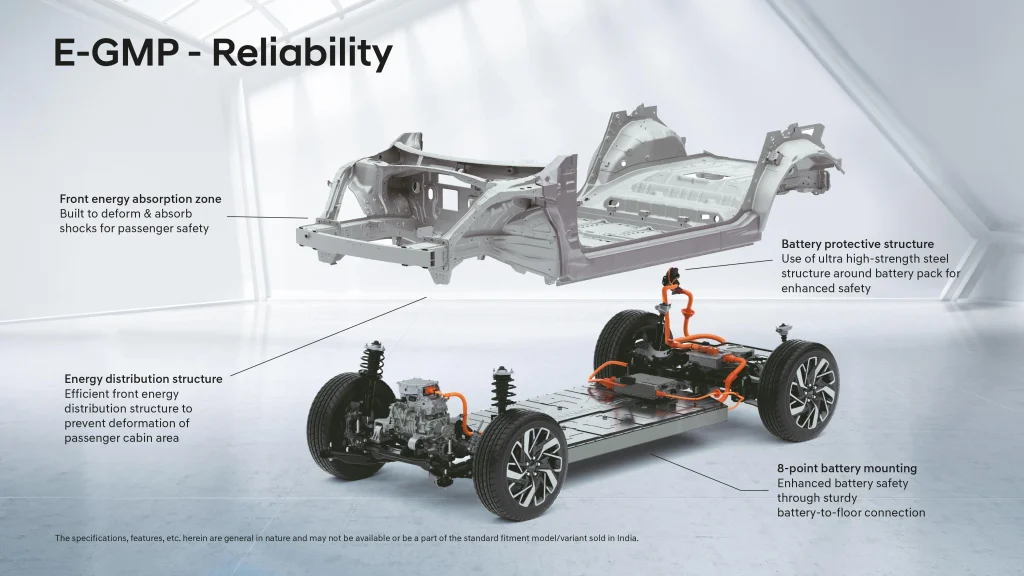
This creates enormous possibilities for torque management. Instead of mechanically deciding how engine power should be distributed, software can determine how much torque each motor should produce at a particular moment. In more advanced multi-motor systems, individual motors can provide extremely precise control over the vehicle’s behaviour.
The fundamental engineering question therefore changes. Instead of asking, “How should we mechanically distribute engine power?”, engineers can increasingly ask, “How much torque should each motor produce right now?” This shift could make future AWD systems even more precise, responsive and adaptable than many conventional drivetrains.
20. THE REAL LESSON: TRACTION IS ABOUT CONTROL
The biggest misconception about AWD and 4WD is that four driven wheels automatically mean four times the traction. They do not. Traction is determined by the relationship between the tyres, the surface, available torque, weight distribution, suspension, drivetrain and the driver’s inputs. Driving all four wheels simply gives engineers more tools with which to manage that relationship.
AWD generally focuses on automatically optimising traction and stability across everyday driving, changing road conditions and performance situations. Traditional 4WD, particularly systems equipped with low-range gearing and locking differentials, places greater emphasis on maintaining mobility in demanding terrain where wheel slip, steep gradients and limited grip become major obstacles.
Neither system is universally superior. They simply solve different problems. A sophisticated AWD system may be the better engineering solution for someone who spends most of their time on highways and urban roads, while a properly equipped 4WD may be the better solution for someone regularly tackling mud, sand, rocks and steep trails.
CONCLUSION: FOUR WHEELS, TWO PHILOSOPHIES
The next time you see AWD or 4WD written on the back of a vehicle, don’t simply think, “All four wheels receive power.” Instead, think about what the engineers intended the vehicle to accomplish. Was the system designed to provide additional confidence on a wet highway? Was it developed to improve acceleration and cornering? Or was the vehicle engineered to climb steep terrain, cross deep mud and maintain traction when the road effectively disappears?
Those questions reveal much more about a vehicle’s capability than the AWD or 4WD badge alone.
The engineering behind four-wheel traction ultimately comes down to one fundamental objective: getting usable power to the ground when you need it most. Whether that happens through sophisticated electronic torque management in a luxury crossover or through a mechanical transfer case, low-range gearing and locking differentials in a dedicated 4×4, the objective remains the same.
More control. More traction. More capability.
And that is what makes AWD and 4WD two of the most fascinating technologies in the automobile.