
Introduction: When a Car Becomes More Than Transportation
In the automotive industry, the word royalty carries a meaning that extends far beyond the conventional definition of a king, a queen or a royal family. It is a term frequently associated with vehicles that command respect, inspire admiration and occupy a position above the ordinary. When someone describes a Rolls-Royce Phantom, a Bentley Mulsanne or a Mercedes-Maybach S-Class as a royal automobile, they are not necessarily referring to its price alone. They are describing an experience, a reputation and a particular standard of distinction.
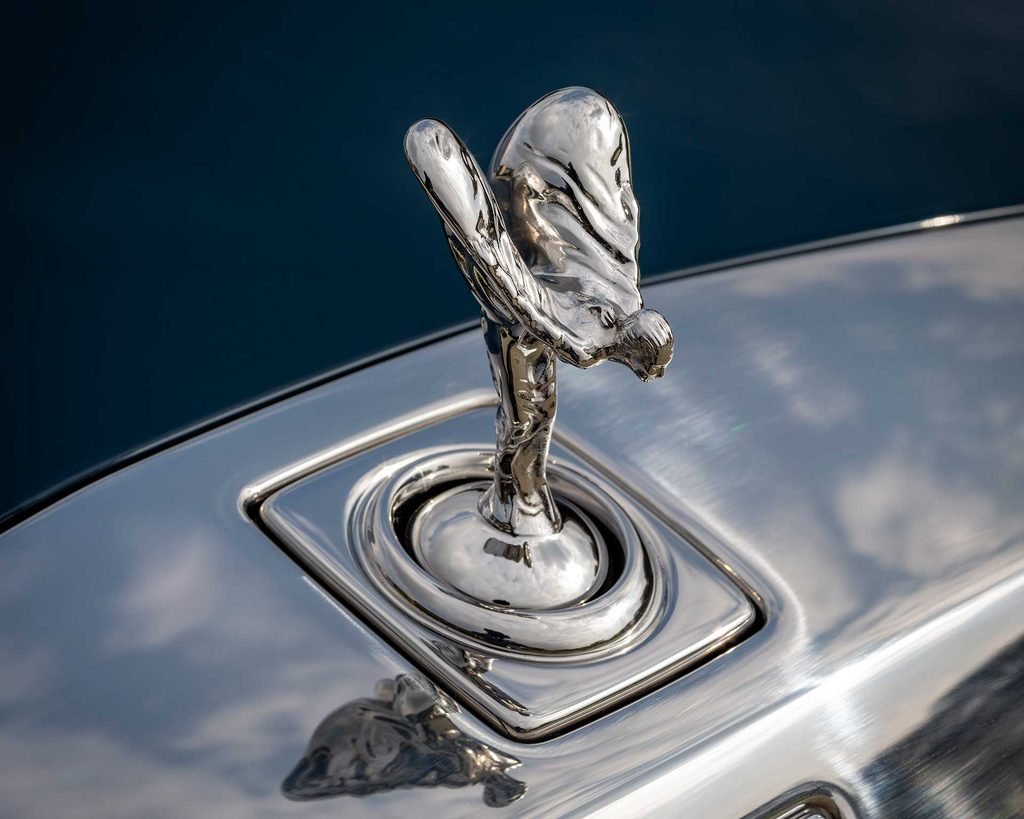
Yet, the concept deserves closer examination. Is a car royal because it costs hundreds of thousands of dollars? Is it the badge on the bonnet, the presence it commands on the road, the quality of its interior or the social status associated with owning it? Perhaps the answer lies in the relationship between all these elements.
Royalty in the automotive world is not an official engineering classification. It is a cultural and commercial idea shaped by history, craftsmanship, exclusivity, comfort, engineering and perception. It describes a level of distinction at which an automobile becomes more than a machine designed to transport people from one destination to another. It becomes an expression of achievement, personal taste, identity and, in certain cases, legacy.
To understand automotive royalty properly, we must look beyond what a vehicle displays on the outside and examine what it represents, how it is built, how it performs and why certain automobiles continue to command admiration long after their introduction.
The Origins of Automotive Royalty: A History of Prestige
The relationship between royalty and the automobile began long before luxury SUVs became symbols of success or high-performance sedans became expressions of executive power. In the early years of motoring, automobiles were expensive, mechanically complex and beyond the reach of much of the population. Ownership itself was a privilege. As the industry developed, certain manufacturers began distinguishing themselves through superior engineering, refined construction and an uncompromising approach to quality.
Among the most influential names was Rolls-Royce, established in 1906. Its reputation developed around engineering excellence, refinement and the pursuit of reliability. Over time, the marque became closely associated with heads of state, dignitaries, prominent business figures and ceremonial occasions. Its vehicles came to represent not simply wealth, but a particular standard of craftsmanship and composure.
Bentley developed a related but distinct identity. Although celebrated for luxury and handcrafted interiors, Bentley also cultivated a sporting character, associating prestige with performance and the ability to combine power with refinement. The result was a different interpretation of automotive distinction: a car could be luxurious without sacrificing its dynamic character.
Mercedes-Benz followed another path, building a reputation around engineering, technological development and executive prestige. Its flagship S-Class became an important reference point for luxury motoring, frequently introducing technologies and comfort features that subsequently influenced the wider market. The Mercedes-Maybach name later strengthened the brand’s position in the ultra-luxury segment, placing particular emphasis on rear-seat comfort, exclusivity and chauffeur-driven travel.
These manufacturers helped establish the foundations of what many people now understand as automotive royalty. Their reputations were not created by price alone. They were built over decades through product development, consistent brand identity, craftsmanship and associations with people and institutions that valued distinction.
However, automotive royalty should not be understood as a category reserved exclusively for traditional British or German luxury marques. Different manufacturers have developed their own interpretations of prestige. Some prioritise performance, others technological innovation, and others exceptional comfort. What unites the most distinguished automobiles is their ability to deliver something beyond basic transportation while establishing a recognisable identity of their own.
1. Heritage: The Power of a Name That Has Earned Its Position
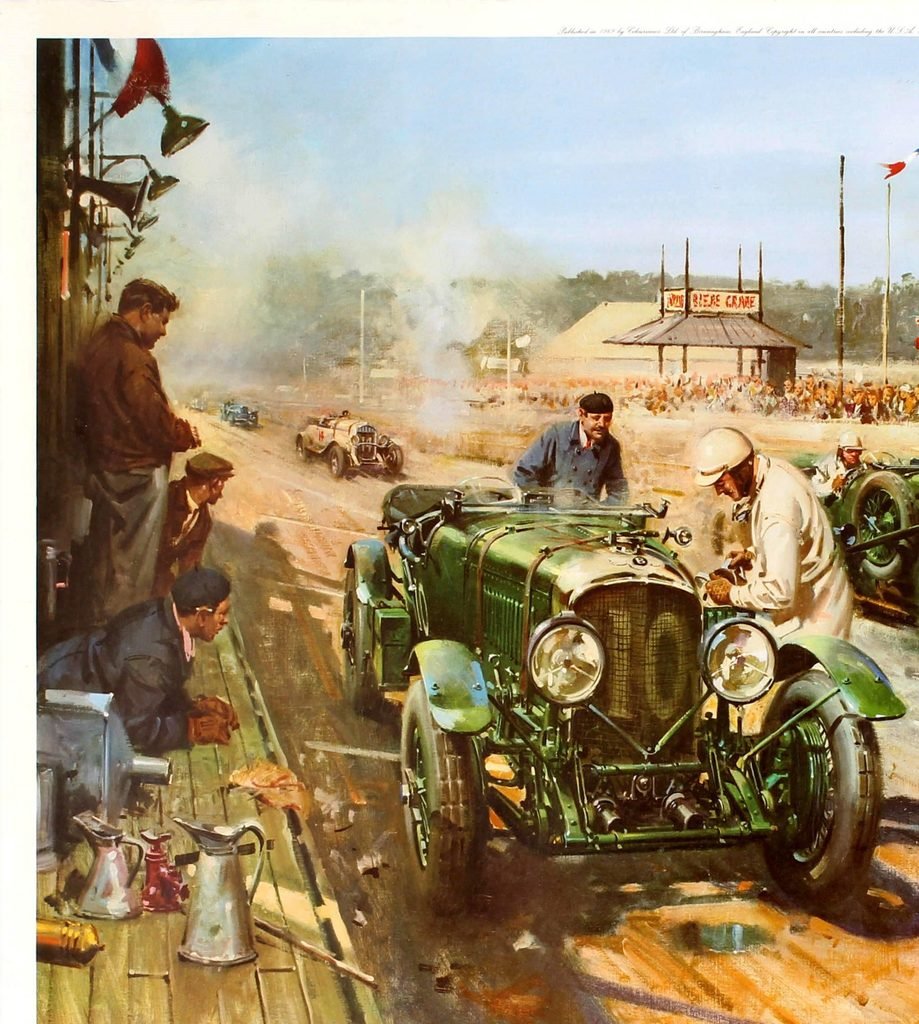
One of the most important foundations of automotive royalty is heritage. A prestigious name carries the weight of its history, the achievements of its engineers, the evolution of its designs and the expectations of its customers.
Heritage is not simply about how long a manufacturer has existed. Longevity alone does not guarantee distinction. What matters is what a brand has achieved during its existence and whether it has consistently delivered products that strengthen its reputation.
Consider Rolls-Royce. The Spirit of Ecstasy, the imposing proportions of the Phantom and the marque’s emphasis on bespoke craftsmanship are recognisable expressions of a carefully developed identity. These elements communicate a sense of continuity between the manufacturer’s history and its contemporary products.
Similarly, Bentley’s association with grand touring and motorsport provides a different kind of heritage. The brand’s identity draws from the idea that an automobile can deliver both extraordinary comfort and serious performance. Its prestige is therefore rooted in a combination of craftsmanship and sporting character.
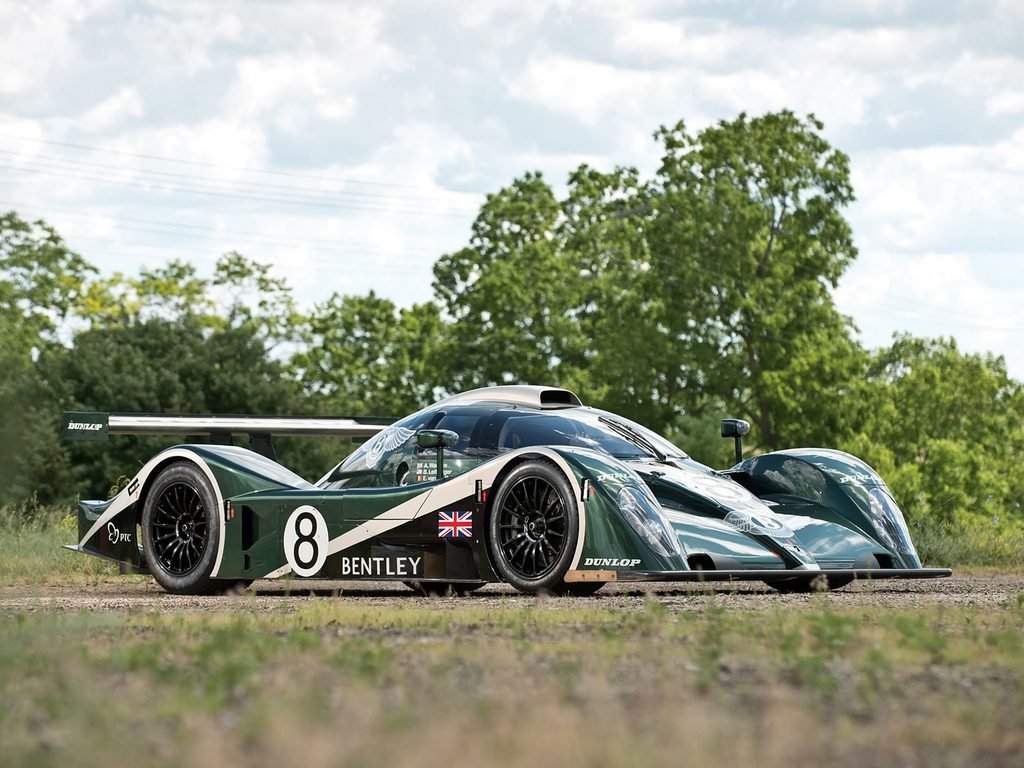
Heritage also influences how people perceive older vehicles. Certain classic automobiles retain their desirability because they represent important moments in automotive history. Their value is not determined exclusively by their age, mechanical condition or original purchase price. Rarity, historical significance, originality and cultural relevance can all contribute to their standing.
Nevertheless, heritage should not become an excuse for complacency. A prestigious manufacturer must continually demonstrate that its history remains relevant. A celebrated name that fails to maintain quality, reliability or innovation risks becoming dependent on past achievements rather than current excellence.
True automotive royalty requires a brand to honour its heritage while continuing to justify its reputation.
2. Craftsmanship: Where Luxury Becomes Tangible
Royalty is often associated with objects that demonstrate exceptional attention to detail. In the automotive industry, craftsmanship is one of the clearest ways this principle becomes visible and, more importantly, tangible.
When entering a genuinely luxurious vehicle, the difference should be apparent in the quality of the materials, the precision of the assembly, the way surfaces meet and the attention given to details that might escape notice in an ordinary automobile.
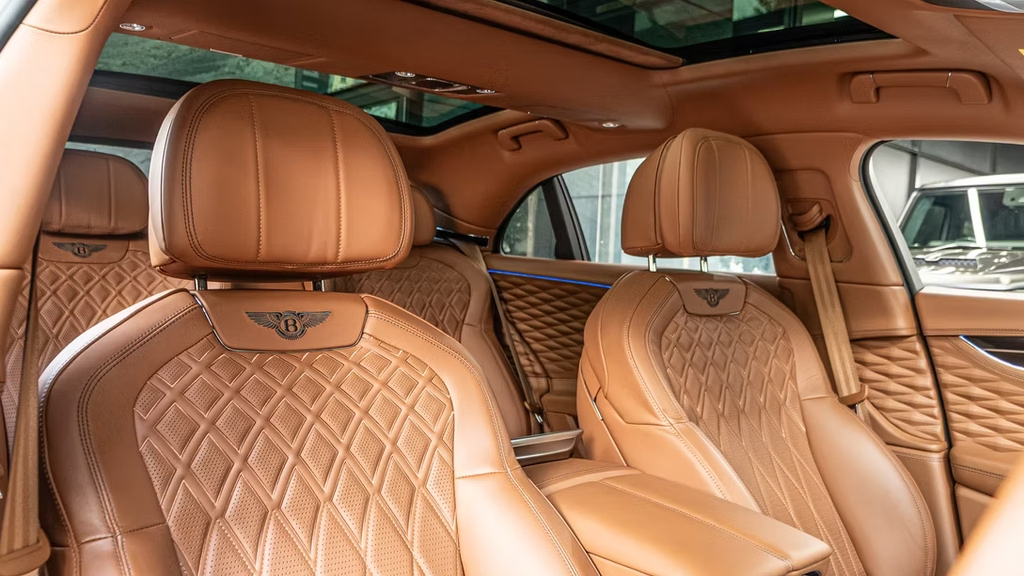
The leather should feel appropriate to the character of the vehicle. Decorative wood, metal finishes and stitching should appear carefully considered rather than merely ornamental. Switches should operate with a reassuring sense of precision, while doors, storage compartments and other moving components should contribute to the impression of thoughtful construction.
At the highest levels of luxury, personalisation becomes an important part of the experience. Rolls-Royce’s Bespoke programme, for example, allows customers to work with designers and craftspeople to create highly individual vehicles, with personalised colours, materials and decorative details. The manufacturer describes this process as a collaborative expression of the client’s own vision.
This matters because genuine exclusivity is not always achieved by producing fewer vehicles. It can also come from allowing each vehicle to reflect the preferences of its owner. Two automobiles of the same model may share the same mechanical foundations while expressing entirely different personalities through their interiors, finishes and specifications.
However, craftsmanship must be more than decoration. Beautiful materials cannot compensate for poor assembly, persistent mechanical problems or an unpleasant ownership experience. The most convincing form of luxury is one in which the visual, tactile and functional elements work together.

A vehicle that looks impressive in photographs but disappoints through its construction does not fully deliver the promise of royalty. The details must continue to make sense after the initial excitement of ownership has passed.
3. Presence: The Art of Commanding Attention Without Asking for It
There is a particular quality associated with automobiles that possess genuine road presence. They do not necessarily need aggressive bodywork, excessive chrome or dramatic exhaust sounds to attract attention. Their proportions, design, stance and visual identity are often sufficient.
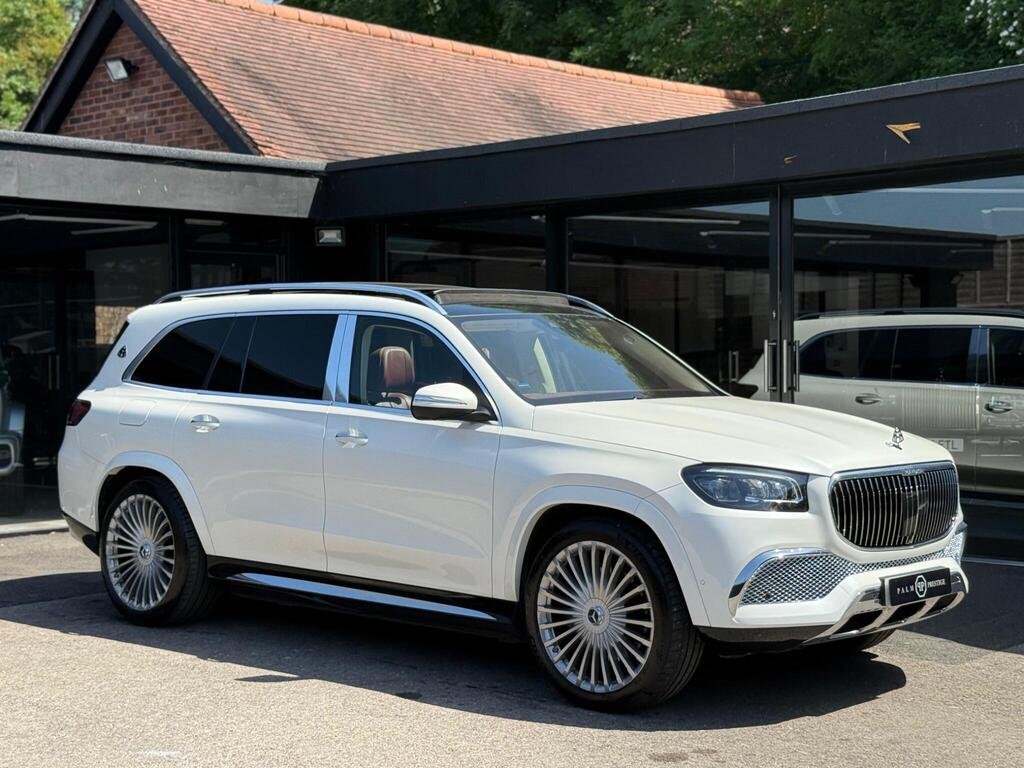
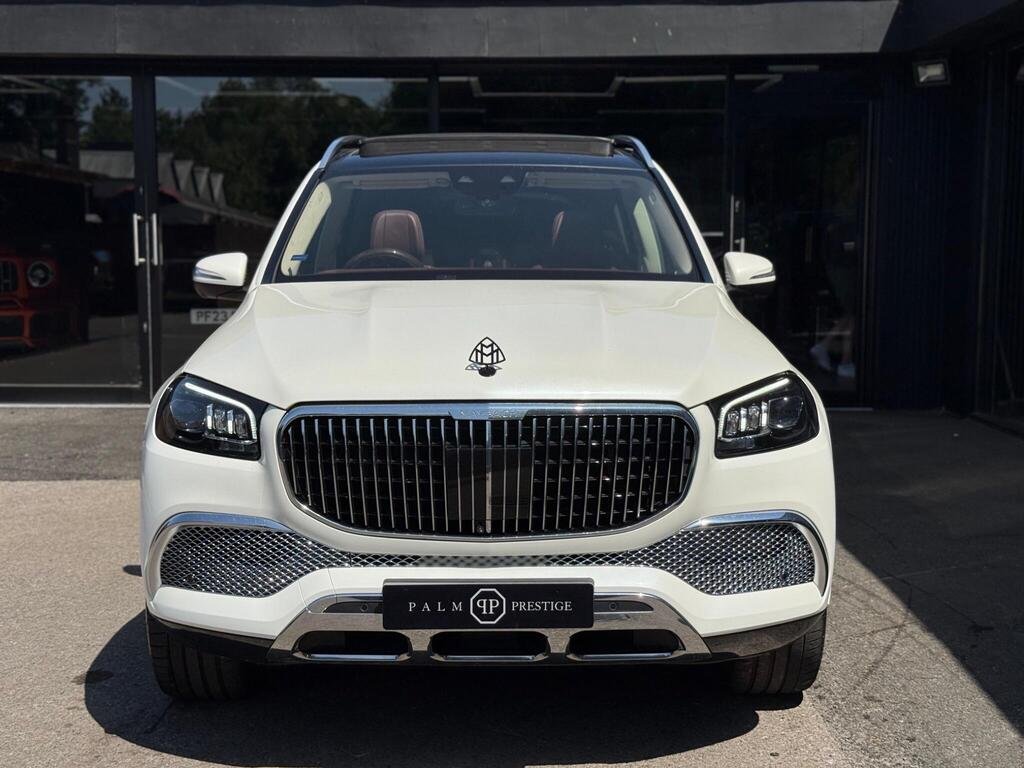
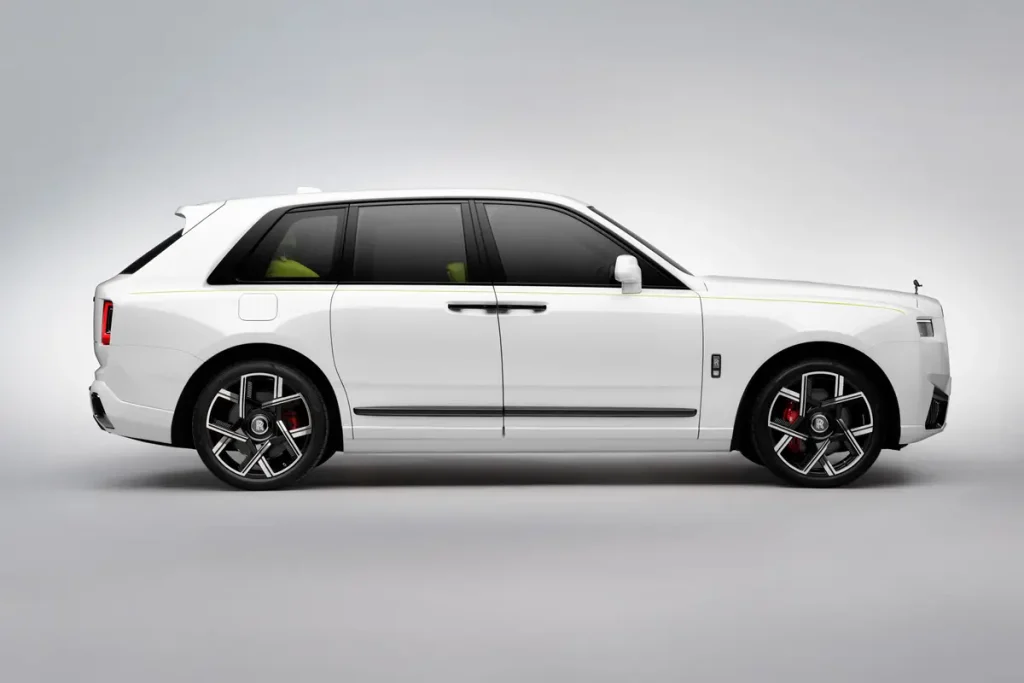
Presence is one of the most subjective elements of automotive royalty, but it is also one of the most influential. It explains why a Rolls-Royce Cullinan can appear imposing without relying on the styling language of a conventional performance SUV, and why a Mercedes-Maybach S-Class communicates a different kind of prestige from an aggressively styled sports sedan.
Design plays a major role in creating this impression. A long bonnet, an upright grille, carefully balanced proportions, a distinctive lighting signature and a confident silhouette can communicate authority before the engine is even started.
The important distinction is between attention and presence. Attention can be purchased through bright paint, oversized wheels or dramatic styling modifications. Presence is more closely connected to proportion, design coherence and the reputation of the vehicle itself. This is also why some automobiles become more desirable with time. Their designs are sufficiently distinctive to remain recognisable without depending entirely on temporary fashion. They possess an identity that survives changes in styling trends. In this sense, automotive royalty is not about making the loudest entrance. It is about possessing a design language that people recognise and respect.
4. Engineering Excellence: The Invisible Foundation of Prestige
Luxury may be immediately visible, but engineering excellence often reveals itself through experience rather than appearance. A royal automobile should feel composed, predictable and capable of performing its intended role with exceptional competence. In a chauffeur-oriented limousine, this may mean a quiet cabin, smooth power delivery and a suspension system designed to minimise the disturbance of uneven surfaces. In a performance-oriented luxury vehicle, it may mean extraordinary acceleration, precise steering, powerful braking and stable handling.
The engineering requirements differ, but the underlying principle remains the same: the vehicle should feel deliberately developed rather than assembled around a collection of impressive specifications. Power is an obvious example. A large engine producing substantial horsepower may attract attention, but power alone does not establish prestige. The manner in which that power is delivered matters just as much. A luxury car should respond predictably, accelerate smoothly when appropriate and maintain its composure under demanding conditions. The same principle applies to ride quality. A sophisticated suspension system is not valuable simply because it contains advanced technology. Its real value lies in how effectively it manages body movement, absorbs road imperfections and maintains stability without compromising the vehicle’s intended character.
Sound insulation, vibration management, drivetrain calibration, steering response and braking performance are equally important. These elements may not be visible in a photograph, but they influence whether the automobile feels genuinely refined. This is where engineering separates substance from spectacle. A car may have a powerful engine and an impressive badge, yet still fall short if its ride, handling, reliability or overall refinement does not meet expectations. Royalty, therefore, should be understood not as the possession of impressive numbers, but as the successful integration of engineering systems into a coherent experience.
5. Comfort: The Luxury of Effortlessness
One of the defining characteristics of traditional automotive royalty is the ability to make a journey feel effortless. For decades, flagship luxury sedans were designed around the experience of their occupants, particularly those travelling in the rear seats. This was especially important for business leaders, dignitaries and individuals who employed professional chauffeurs. In such vehicles, the rear compartment was not an afterthought. It was a central part of the design philosophy. Rear-seat legroom, reclining functions, massage programmes, climate control, privacy features, entertainment systems and carefully managed cabin noise can transform a vehicle into a travelling environment rather than simply a means of transportation.
Yet comfort is not determined by the number of features fitted to the vehicle. A cabin filled with screens and electronic functions can still feel poorly designed if the controls are confusing or the seats become uncomfortable over longer journeys. True comfort involves the relationship between the vehicle and the human body. Seating geometry, cushioning, support, temperature management, suspension calibration and the management of sound all contribute to how occupants feel after spending an hour or several hours inside the vehicle. There is also a psychological dimension. A well-designed luxury cabin reduces the number of things the occupants need to think about. Controls are intuitive, the environment feels calm and the vehicle responds without unnecessary drama.
This explains why a powerful sports car and a luxury limousine may both qualify as prestigious automobiles while offering completely different experiences. One prioritises driver engagement and performance. The other prioritises relaxation, privacy and composure. Neither interpretation is inherently superior. Their distinction lies in the purpose they are designed to fulfil.
6. Exclusivity: Why Rarity Matters, but Is Not Everything
Exclusivity has always played a role in the perception of automotive royalty. When an automobile is difficult to obtain, individually configured or produced in limited numbers, ownership can carry additional significance.
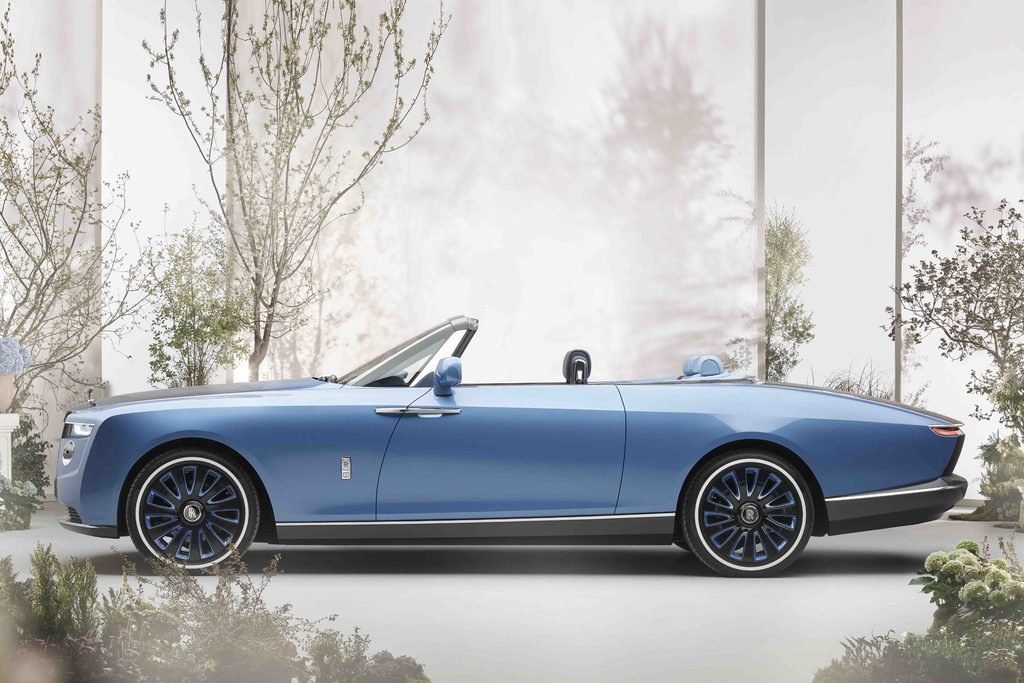
There are several forms of exclusivity. A manufacturer may restrict production to preserve rarity. A special edition may feature distinctive materials, paint finishes or performance upgrades. A bespoke programme may allow customers to commission features that are unavailable on standard production vehicles. In the collector market, historical significance and exceptional condition can make a particular example especially desirable.
However, rarity and prestige are not interchangeable. A vehicle can be rare because it was unsuccessful, impractical or commercially misunderstood. Limited production does not automatically make it desirable, and an expensive specification does not necessarily create lasting value. Conversely, some highly prestigious vehicles are produced in relatively substantial numbers because their manufacturers have established strong demand for them. Their status comes from a combination of brand reputation, engineering, design and ownership experience rather than extreme scarcity alone.
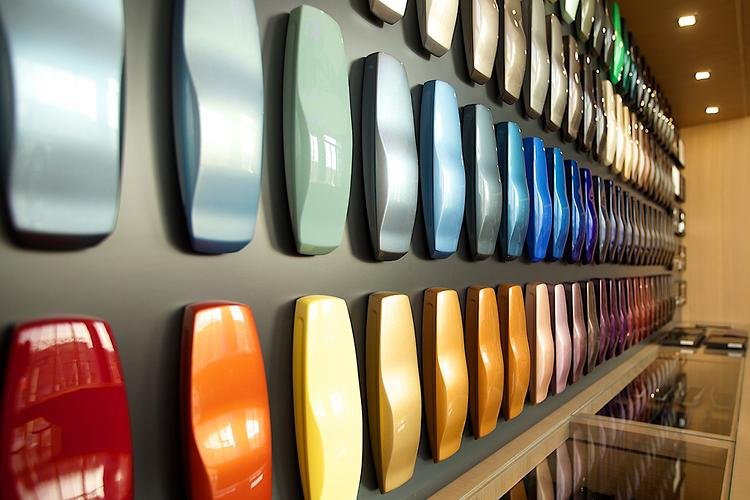
The most meaningful exclusivity is therefore supported by substance. It gives the owner something distinctive without relying entirely on the fact that other people cannot easily obtain it. This distinction becomes particularly important in the pre-owned luxury market. Buyers should look beyond claims of rarity and investigate the vehicle’s specification, provenance, condition, service history and genuine desirability. A limited-edition badge cannot compensate for a poorly maintained automobile.
7. The Badge Versus the Machine: Does the Name Define Royalty?
Few questions in the luxury automotive market generate as much debate as the relationship between the badge and the machine. For some buyers, the badge is central to the decision. A prestigious emblem represents decades of brand development, a particular social identity and an expectation of quality. It can also communicate success to people who may know very little about the vehicle’s mechanical specifications. For others, the engineering matters more. They may prefer a vehicle from a less traditionally prestigious manufacturer because it offers superior performance, more engaging driving dynamics, better reliability or a more compelling overall ownership proposition.
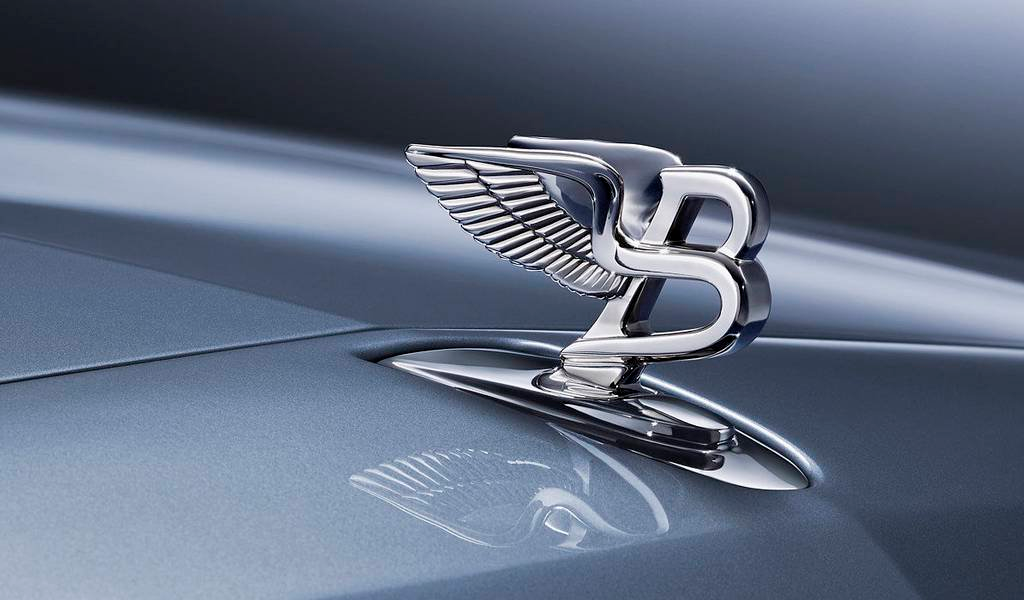
Neither perspective should be dismissed entirely. The badge has genuine value because automotive brands represent accumulated reputations and established expectations. However, the machine must still justify the promise attached to that badge. Imagine two vehicles. The first carries an internationally recognised luxury emblem but has a neglected service history, worn suspension components, damaged interior materials and unresolved mechanical faults. The second comes from a less prestigious brand but has been meticulously maintained, is beautifully specified and delivers an outstanding driving experience. Which vehicle deserves greater respect?
The answer depends on the criteria being considered, but the example illustrates an important principle: prestige should not exempt an automobile from scrutiny. The badge may establish the expectation. The condition, engineering and ownership experience determine whether that expectation is fulfilled. This is particularly relevant when buying imported vehicles. A prestigious name does not automatically guarantee that a particular unit has been well maintained, correctly specified or free from accident damage. Buyers should assess the individual vehicle rather than allowing the reputation of the manufacturer to make the decision for them. True automotive discernment begins when a buyer can appreciate a badge without becoming dependent on it.
8. Royalty Is Not the Same as Performance
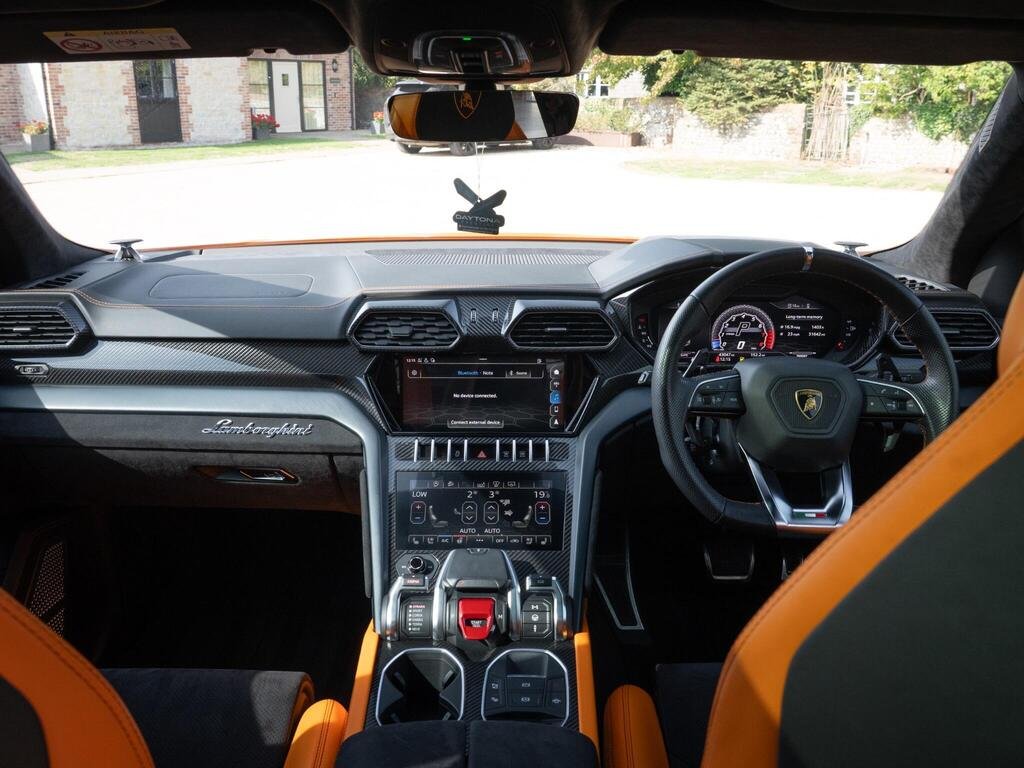
Another common misconception is that the most powerful vehicle must be the most prestigious. In reality, performance and royalty describe different qualities, even though they can coexist. A Lamborghini Urus, for example, combines the dramatic styling and performance orientation of a supercar brand with the practicality of a luxury SUV. Its appeal is built partly around acceleration, aggressive design and driver engagement. A Rolls-Royce Phantom represents a different philosophy. Although it has considerable power, its identity is centred on exceptional refinement, spaciousness, craftsmanship and the sense of calm it creates for its occupants. A Bentley Continental GT occupies a compelling position between these philosophies. It combines grand-touring comfort with strong performance, offering an experience that is both luxurious and engaging for the driver.
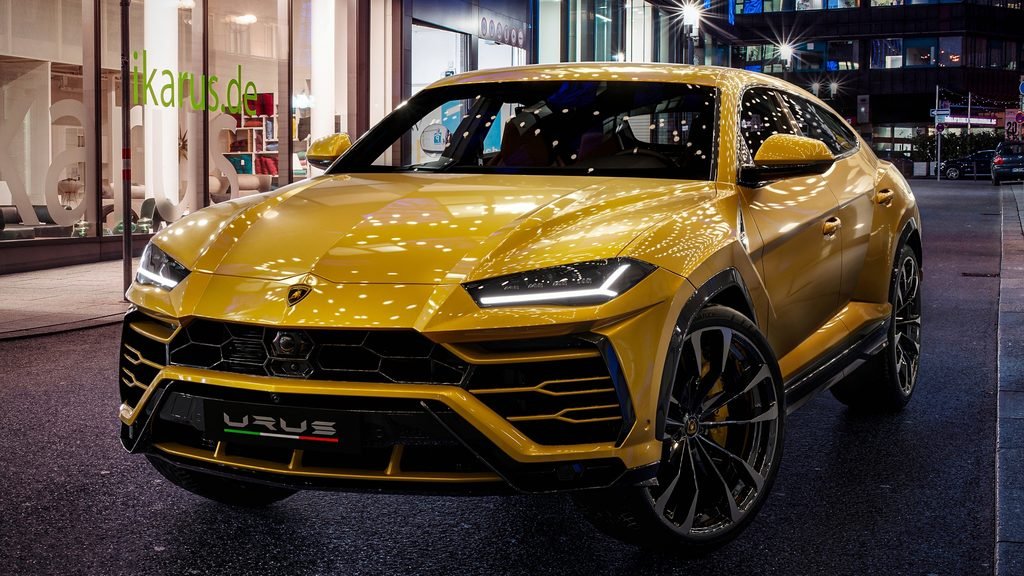
These vehicles demonstrate that automotive prestige does not have a single definition. Some cars communicate authority through restraint and elegance. Others express it through performance and dramatic design. Still others focus on technological innovation or exceptional off-road capability. The important question is not whether a vehicle is fast enough to be royal. It is whether its engineering, design and overall experience successfully fulfil the identity it claims. Horsepower may create excitement. Luxury may create comfort. Heritage may create recognition. Royalty, as the term is commonly used in automotive culture, emerges when these qualities combine in a way that feels distinctive and convincing.
9. The Modern Interpretation: Can an SUV Be Royal?
Historically, long-wheelbase luxury sedans and chauffeur-driven limousines dominated the traditional image of automotive prestige. Today, the luxury SUV has transformed that picture. Vehicles such as the Rolls-Royce Cullinan, Bentley Bentayga, Mercedes-Maybach GLS and Range Rover have demonstrated that elevated driving positions, spacious cabins and commanding proportions can coexist with sophisticated materials and premium engineering. The shift reflects changing expectations among buyers. Many want a vehicle that can provide prestige without sacrificing everyday usability. They may need space for family members, luggage and business travel while still expecting the refinement associated with a flagship luxury automobile.
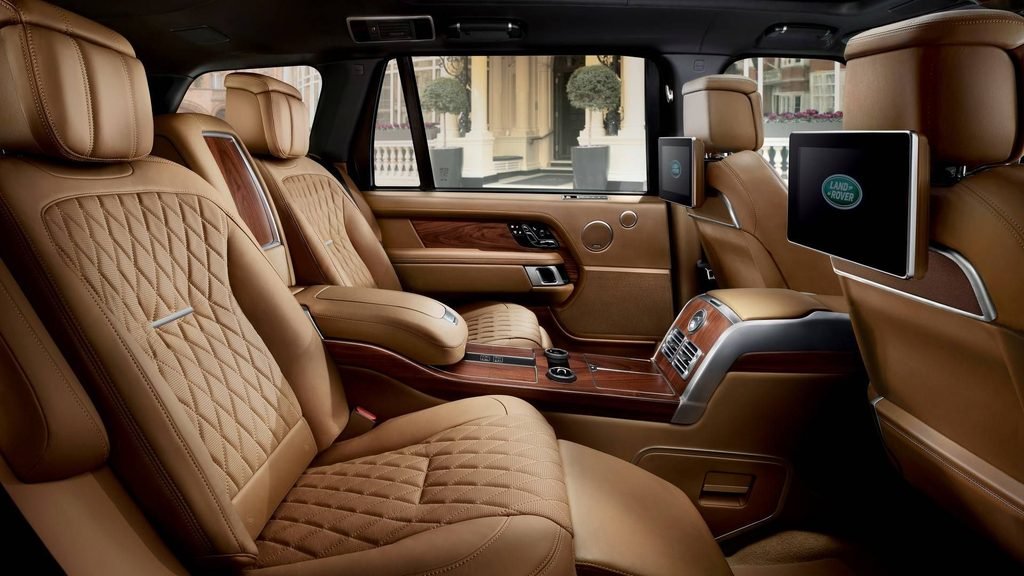
In markets such as Kenya, where road conditions, ground clearance, family requirements and long-distance travel can influence purchasing decisions, the luxury SUV can be particularly appealing. Its elevated stance and available all-wheel-drive systems may offer practical advantages, depending on the model and specification. Nevertheless, a high driving position and an imposing exterior do not automatically establish royalty. The underlying cabin quality, mechanical condition, ride comfort, engineering sophistication and suitability for the owner’s lifestyle remain important. A luxury SUV should be judged by how well it balances its various responsibilities. It must deliver the presence expected of a prestigious vehicle while remaining appropriate for the conditions in which it will be used. The modern definition of automotive royalty is therefore broader than it once was. It can exist in a limousine designed around the rear passenger, a grand tourer designed for long journeys or an SUV engineered to combine refinement with versatility.
10. The Kenyan Perspective: Prestige Must Meet Practical Reality
In Kenya, the idea of automotive royalty intersects with several considerations that go beyond the international reputation of a manufacturer. For many buyers, owning a prestigious automobile is a milestone. It may reflect years of professional progress, the success of a business, the achievement of a personal ambition or the desire to enjoy a higher standard of comfort. The vehicle can become a visible representation of a journey that has required considerable effort. However, the decision to purchase a luxury vehicle should not be driven by perception alone. The realities of ownership matter just as much. Import costs, applicable taxes and duties, fuel consumption, maintenance, parts availability, insurance, tyre replacement and the availability of qualified technicians all influence the long-term experience. A vehicle that appears attainable at its initial purchase price may require a significantly larger financial commitment over several years.
Road conditions also deserve attention. Some low-slung performance vehicles are less suited to rough roads and steep entrances than higher-riding alternatives. Large wheels and low-profile tyres may offer visual appeal and precise handling, but they can increase vulnerability to pothole damage. Air suspension can deliver impressive comfort and adaptability, yet its eventual maintenance or repair can be expensive. These considerations do not diminish the appeal of automotive royalty. Rather, they help define what responsible luxury ownership looks like. An informed buyer does not simply ask whether they can acquire a prestigious vehicle. They also ask whether they can maintain it properly, use it as intended and enjoy it without creating unnecessary financial pressure.
This is especially important in the imported pre-owned market. Two vehicles of the same model and year can have very different ownership prospects because of differences in mileage, maintenance, accident history, specification and previous use. A detailed inspection, verification of the vehicle’s history, review of available auction documentation and a realistic estimate of future running costs are essential parts of the buying process. Prestige should enhance ownership, not become a burden that undermines it.

11. Depreciation, Value and the Myth of Expensive Always Meaning Better
Price is one of the most visible measures of automotive distinction, but it is not a reliable measure of long-term value. Some luxury vehicles depreciate rapidly because of high maintenance costs, changing consumer preferences, technological developments or a limited market for pre-owned examples. Others retain stronger demand because of their reputation, desirable specifications, relative rarity or historical significance. Even within the same manufacturer, different models can follow very different depreciation patterns.
A prestigious vehicle should therefore be evaluated on more than its original retail price. Buyers should consider the purchase cost, expected depreciation, maintenance requirements, insurance, fuel consumption and likely resale demand. Together, these factors provide a more realistic picture of the financial commitment involved. It is also important to distinguish between financial value and emotional value. A car may not be the strongest financial proposition but may still deliver exceptional satisfaction to an enthusiast who values its engineering, design or driving character. Conversely, a vehicle with strong resale prospects may not provide the emotional experience its owner wants.
There is nothing inherently wrong with purchasing a car for the pleasure or prestige it provides, provided the buyer understands the financial implications. Royalty is not a guarantee of investment performance. It is a judgement about the qualities and experience of an automobile. Financial intelligence lies in understanding how those qualities align with one’s circumstances.
12. The Human Element: Why We Attach Status to Automobiles
Automobiles occupy a unique position in modern culture because they are both functional machines and highly visible personal possessions. Unlike many luxury goods, a car moves through public spaces. Its design, proportions and emblem are visible to other road users, colleagues, neighbours and passers-by. This visibility allows the automobile to communicate messages about its owner, whether deliberately or unintentionally. For some, a prestigious vehicle represents achievement. For others, it expresses an interest in engineering, design or motorsport. Some appreciate the privacy and comfort of a luxury cabin, while others enjoy the attention associated with a distinctive vehicle.
These motivations are not mutually exclusive. The challenge arises when ownership becomes entirely dependent on external approval. If the principal satisfaction comes from other people recognising the badge or estimating the price, the experience can become fragile. The owner becomes dependent on comparison rather than personal enjoyment. A more enduring relationship with an automobile develops when the vehicle satisfies the owner’s own preferences. Its design appeals to them, its performance suits their driving style, its comfort meets their needs and its character reflects something they value.
This is one reason why two people can disagree about which vehicle is the most royal. One may prioritise the understated elegance of a Mercedes-Maybach. Another may prefer the commanding presence of a Range Rover Autobiography. A third may consider the craftsmanship and individuality of a Rolls-Royce Phantom to be the ultimate expression of prestige. Their preferences differ because royalty is not solely a technical measurement. It is also a cultural and emotional interpretation of what an automobile represents. The strongest choices are those in which the vehicle’s actual qualities align with the owner’s personal reasons for wanting it.
13. So, What Truly Makes a Car Royal?
After considering heritage, craftsmanship, presence, engineering, comfort, exclusivity and ownership experience, one conclusion becomes clear: no single feature is sufficient to establish automotive royalty. An expensive badge without substance is merely a symbol. Exceptional performance without refinement may be impressive, but it does not necessarily provide the experience associated with traditional luxury. A beautiful interior without reliable engineering can quickly become a source of frustration. Rarity without genuine desirability may have little lasting significance. The concept becomes more convincing when these qualities support one another.
A royal automobile has a clearly defined identity. It demonstrates a high level of execution in the areas that matter to its purpose. It offers an experience that distinguishes it from ordinary transportation, whether through craftsmanship, comfort, performance, technological sophistication or individuality. Its reputation is supported by real qualities rather than marketing alone. This does not mean every royal automobile must excel equally in every category. A chauffeur-focused limousine and a high-performance luxury SUV are designed to fulfil different roles. Their distinction should be judged against their respective ambitions.
Nor does royalty require the highest possible price. The most expensive vehicle is not automatically the most suitable, the most refined or the most desirable. A well-chosen automobile that meets its owner’s needs and delivers a consistently rewarding experience may represent a more intelligent purchase than a more expensive alternative selected purely for its emblem. Ultimately, automotive royalty is about the relationship between expectation and execution. It is the point at which design, engineering, craftsmanship, heritage and experience combine to create something that feels exceptional.
Conclusion: Royalty Is Earned, Not Merely Purchased
The automotive industry has spent more than a century developing vehicles that communicate status, refinement and distinction. Some have achieved this through handcrafted interiors and exceptional personalisation. Others have built their reputations on engineering innovation, sporting achievements or the ability to combine extraordinary performance with everyday usability. The word royalty captures the admiration these vehicles inspire, but it should not be confused with price, popularity or the prestige of a badge alone. A truly distinguished automobile must offer something that justifies its reputation. It must translate its heritage into present-day quality, its engineering into a rewarding experience and its design into an identity that remains meaningful beyond the initial excitement of ownership.
For the discerning buyer, the challenge is to recognise these qualities without becoming distracted by appearances. The question should not simply be, “How much does this car cost?” or “What will people think when they see me driving it?” A more valuable question is, “What makes this automobile exceptional, and does it deliver that promise in the real world?” That is where the distinction between owning an expensive car and appreciating a truly prestigious one begins.