
Stepping onto the bustling corridors of Mombasa Road or navigating the leafy avenues of Westlands, you immediately notice a distinct rhythm to Kenyan traffic: steady streams of vehicles keeping strictly to the left side of the road, steered from the right-hand cockpit.
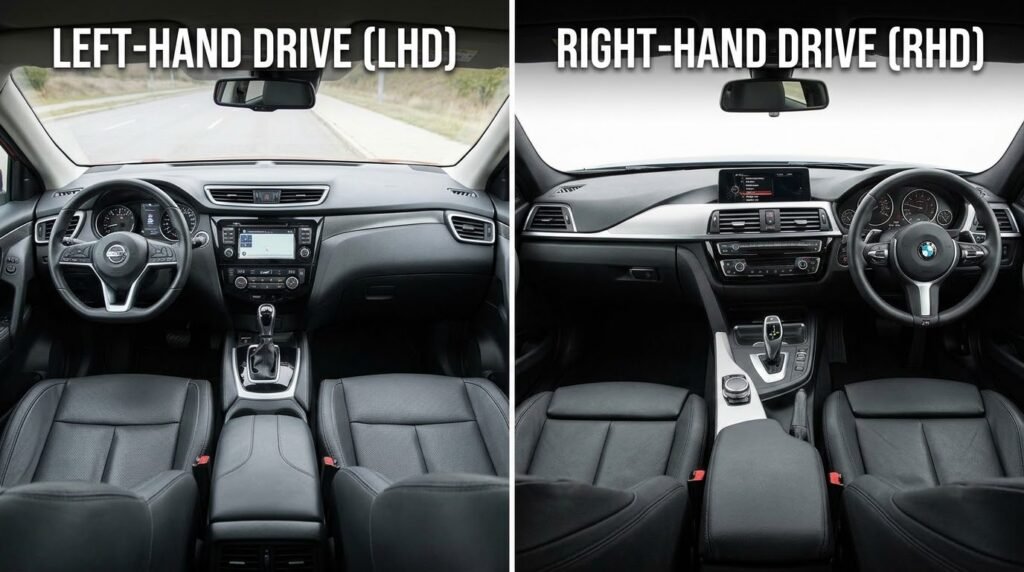
For anyone deeply immersed in the automotive ecosystem, this layout is second nature. Yet, the history behind why Kenya drives on the left, the strict legal walls keeping Left-Hand Drive (LHD) vehicles out, and the dream cars we miss out on because of it make for a fascinating deep dive.
1. The Colonial Echo: Why Kenya Drives on the Left
Like roughly a third of the world—including the United Kingdom, Japan, Australia, South Africa, and neighboring Uganda and Tanzania—Kenya drives on the left side of the road with Right-Hand Drive (RHD) vehicles.
The roots of this practice are historically tied to the British Empire. In medieval Europe and feudal Britain, travel was predominantly horse-powered. Because most people were right-handed, keeping to the left kept your right hand (and your dominant sword arm) free to fend off potential highwaymen or salute approaching travelers. Furthermore, mounting and dismounting a horse from the left side of the road meant you stepped safely onto the shoulder rather than into oncoming traffic.

When the British colonized Kenya and built the historic Uganda Railway starting in the late 19th century, they established British common law and administrative frameworks. Infrastructure, railways, and eventually road traffic regulations were naturally styled after British standards. By the time Kenya gained independence in 1963, driving on the left was firmly entrenched in the country’s legal and physical infrastructure—cemented further by the Kenya Traffic Act (Cap 403).
2. The Legal Fortress: Banning Left-Hand Drive (LHD) Cars
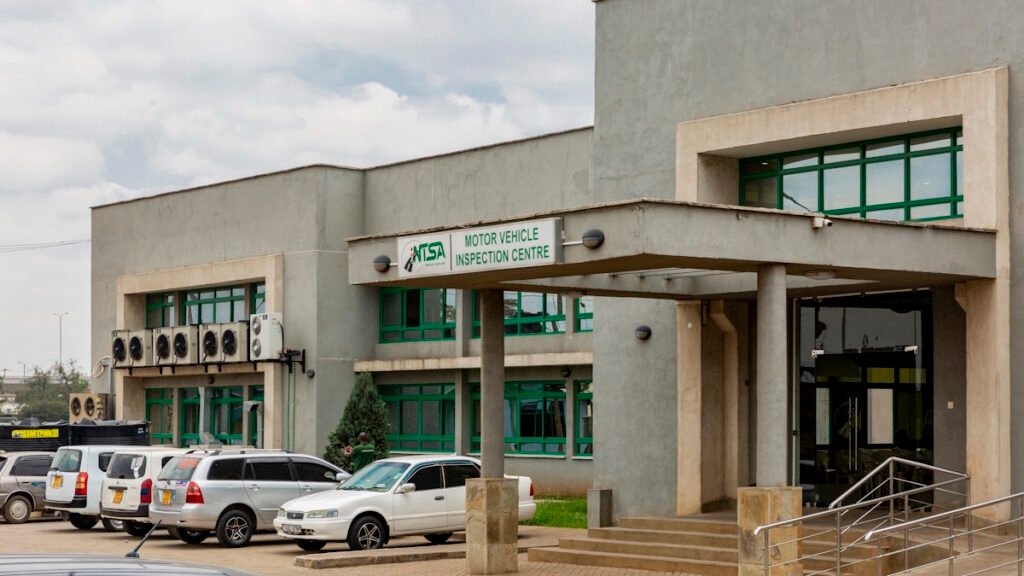
Under Kenyan law—specifically enforced by the National Transport and Safety Authority (NTSA) and the Kenya Revenue Authority (KRA)—importing and registering standard Left-Hand Drive passenger vehicles is strictly prohibited.
The logic behind the ban boils down to road safety. RHD roads are designed for drivers seated near the center line of the road, giving them a clear line of sight for oncoming traffic when executing an overtaking maneuver. Placing a driver on the far left side of a vehicle on a two-way, single-carriageway road creates a massive “blind spot.” To overtake a truck on a Kenyan highway in an LHD car, the driver has to pull almost entirely out of their lane to see what is coming the other way, dramatically increasing the risk of head-on collisions.
3. The Exceptions: When Can a LHD Vehicle Be Driven in Kenya?
While everyday commercial and private imports must strictly be RHD, the law recognizes specific, highly regulated exceptions where an LHD vehicle can be registered and operated on Kenyan roads:
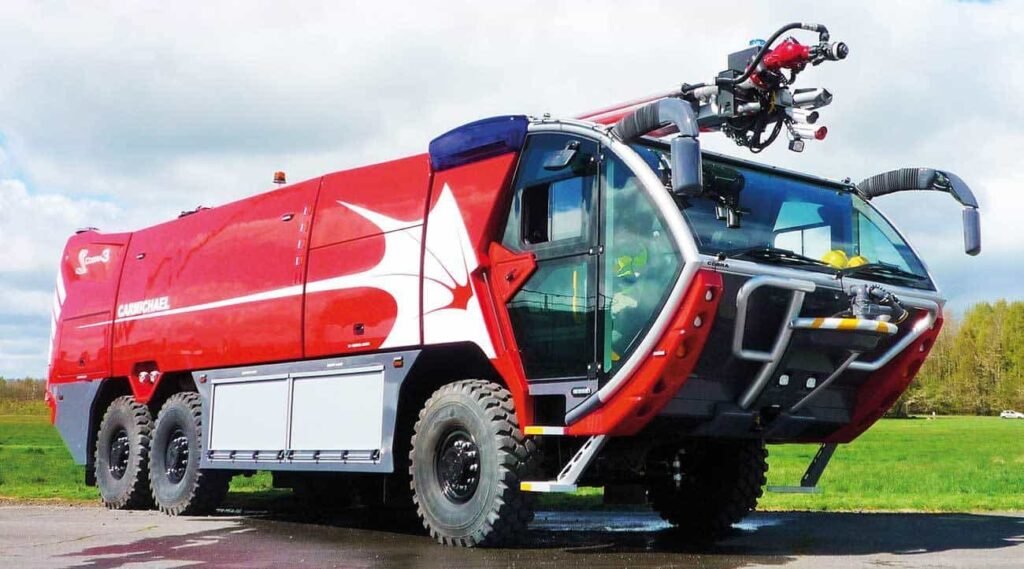
- Special Purpose Vehicles (SPVs): Ambulances, fire engines, large construction machinery, mobile cranes, and specialized industrial or agricultural tractors are frequently manufactured exclusively or predominantly in LHD configurations. Because of their specialized utility and restricted public-highway use, exemptions are granted.
- Diplomatic Missions and International Organizations: Diplomats, foreign embassies, and accredited international bodies (such as the UN offices in Gigiri) are often permitted to import and operate LHD vehicles. These vehicles typically bear specialized diplomatic registration plates (e.g., 25 CD).
Returning Residents (With Strict Caveats): Under specific KRA guidelines, a returning resident relocating back to Kenya may be allowed to import their personal LHD vehicle, but only under tight constraints. For instance, the vehicle must be replaced by a Right-Hand Drive equivalent within a stipulated timeframe, or it is restricted to specific categories that do not compromise mainstream public transport safety (such as light load carriers under strict limits or specific non-commercial exemptions, though policy shifts heavily favor transitioning to RHD).
4. The Forbidden Fruit: Iconic LHD Cars Kenya Misses Out On
Because the global automotive market is split between RHD-friendly nations (like the UK, Japan, Australia, and South Africa) and LHD powerhouses (like North America, continental Europe, China, and the Middle East), Kenyan gearheads and luxury importers miss out on an extraordinary lineup of vehicles that are never manufactured with the steering wheel on the right.
As a country heavily reliant on Japanese used imports (JDM) and European luxury specifications, here are some of the most exciting vehicle categories and models Kenya largely misses out on:
A. Heavy-Duty American Full-Size Pickups & SUVs
The North American market runs entirely on LHD. Iconic, high-displacement behemoths that dominate global overland scenes are virtually impossible to legally register as new local imports:
- Ford F-150 Raptor & Ram 1,500/TRX: While Kenya loves its Toyota Hilux and Ford Ranger double cabs, the sheer muscle, twin-turbo V6/V8 power, and high-end luxury cabin architecture of North American full-sized trucks remain out of reach unless imported via costly, complex local conversions (which face stringent regulatory hurdles).
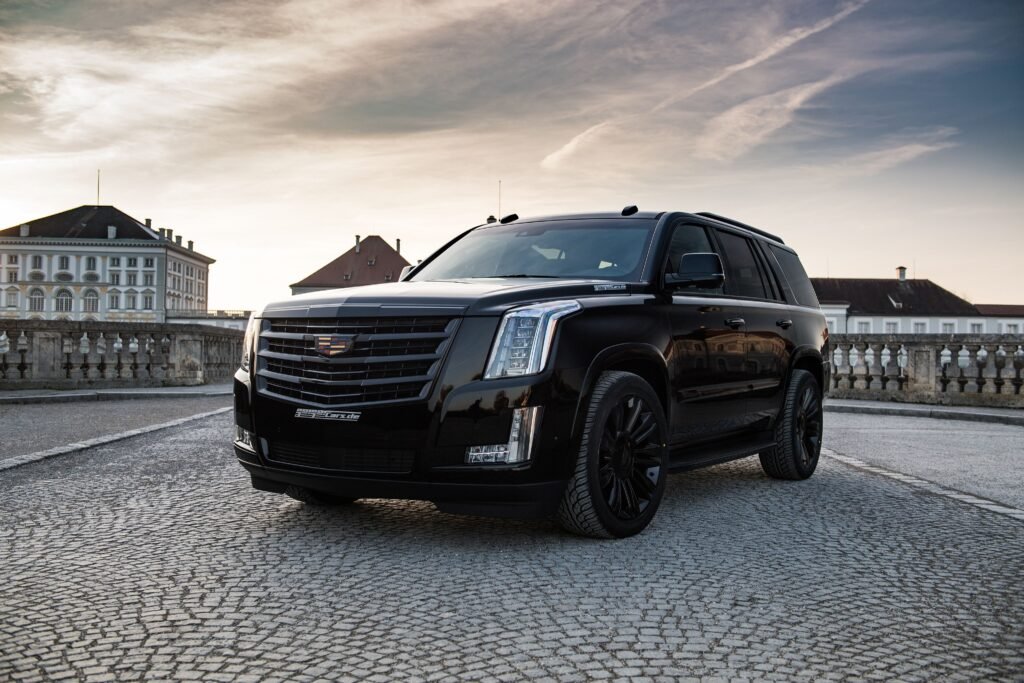
- Chevrolet Tahoe / Suburban & Cadillac Escalade: The ultimate American executive movers are native left-hookers. While some Middle Eastern or European markets get limited RHD variants of certain luxury platforms, true American domestic market flagships miss the Kenyan market.
B. Left-Hand-Only Common Cars & Perfomance Exotics
While European luxury brands like Mercedes-Benz, BMW, and Porsche build RHD models for the UK and South African markets, certain niche performance variants or specific left-hand-exclusive production runs bypass Kenya entirely:
- Select Left-Hand-Only Performance Editions: Certain ultra-limited track hypercars or left-hand-exclusive homologation specials are built exclusively in LHD configurations to comply with European left-side traffic or strict crash-testing certifications. These leaves cars like Pagani Zora and the likes inaccessible to RHD markets.
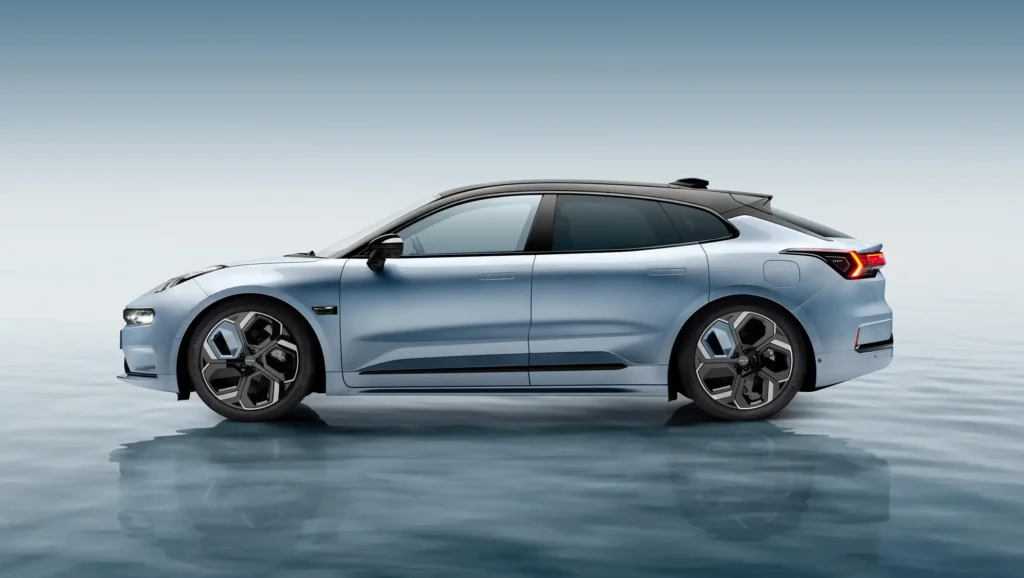
- Certain Chinese New Energy Vehicles (NEVs): While China is aggressively expanding exports globally—including left- and right-hand drive models for emerging markets—many high-end EV startups building luxury left-hand platforms for domestic consumption or North America never make factory RHD lines for East Africa. A good example is Zeekr Lineup of Models.
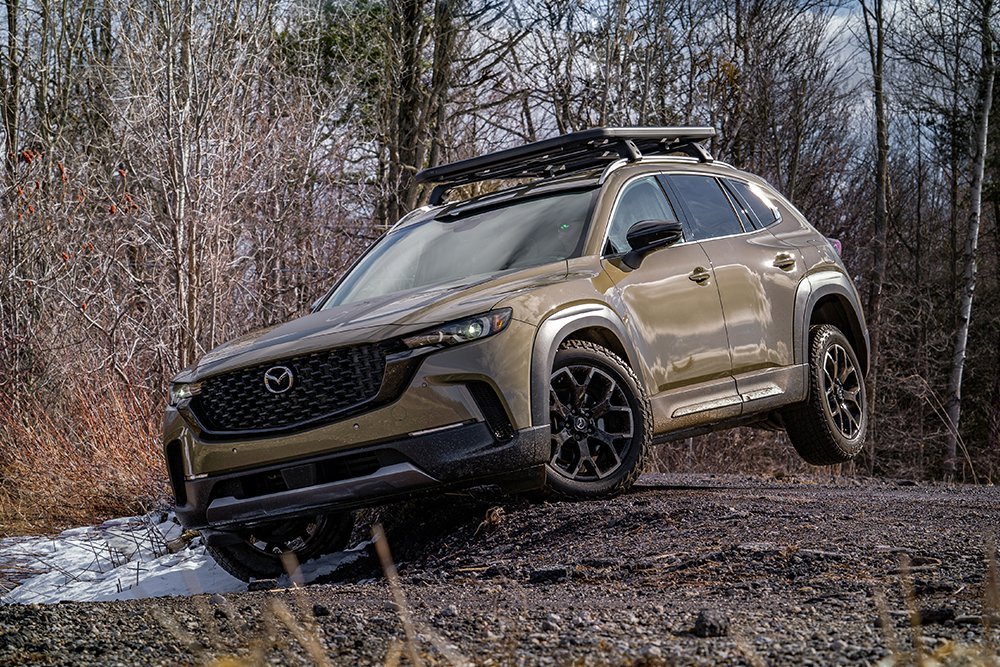
- Consumer Market Cars in LHD only: While global manufacturers like Mazda & Nissan Make Global Models, Specific region plants restrict models within their region, primarily in LHD, making them inaccessible in Right Hand Drive Markets. Such cars include Mazda CX-50, Mazda Mazda3 Turbo, Infiniti QX Sport, Toyota Tacoma and many others.
Kenya’s adherence to the left side of the road is a legacy woven into the fabric of its transport history. While the ban on Left-Hand Drive vehicles can sometimes feel like a restrictive bottleneck for enthusiasts craving unique global imports, it remains a critical pillar of national road safety.
Whether you’re cruising down Mombasa Road in a trusted Japanese import SUV or admiring an exception fleet vehicle gliding past, the rules of the Kenyan road ensure that everyone looks at traffic from the correct perspective.
Compiled By Sipitali Shitsukane
Automotive Enthusiast, Car Imports Consultant