
When you think of a cork, what comes to mind? Wine bottles? Bulletin boards? Soundproofing materials? For most, a car isn’t part of that mental image—but Mazda challenges that assumption with a fascinating nod to its origins.
The Man Behind the Brand
This connection begins with Jujiro Matsuda, born in 1875 in Hiroshima as the 12th child of a fisherman. From a young age, Matsuda showed an affinity for metalwork. At 14, he became a blacksmith’s apprentice, crafting tools from metal and honing the mechanical acumen that defined his future.
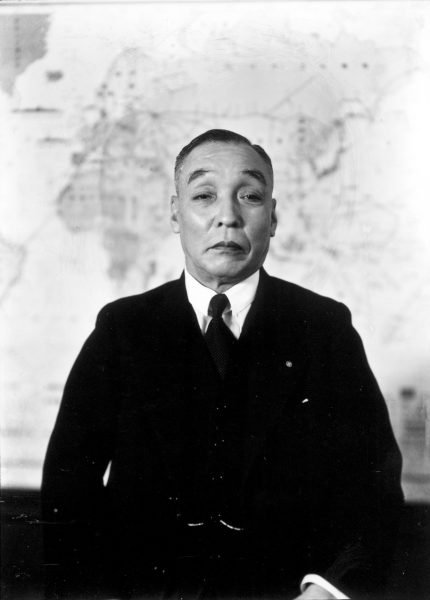
Despite two failed attempts at entrepreneurship (a metal workshop, then a patented pump), Jujiro persevered. In 1912, after heading a foundry, he was ousted by conservative partners — a turning point that led him to revive a failing artificial cork producer in Hiroshima by 1920. Matsuda helped transform it into Toyo Cork Kogyo Co., Ltd. The company produced cork-based thermal and sound insulation, tapping into a growing industrial market.
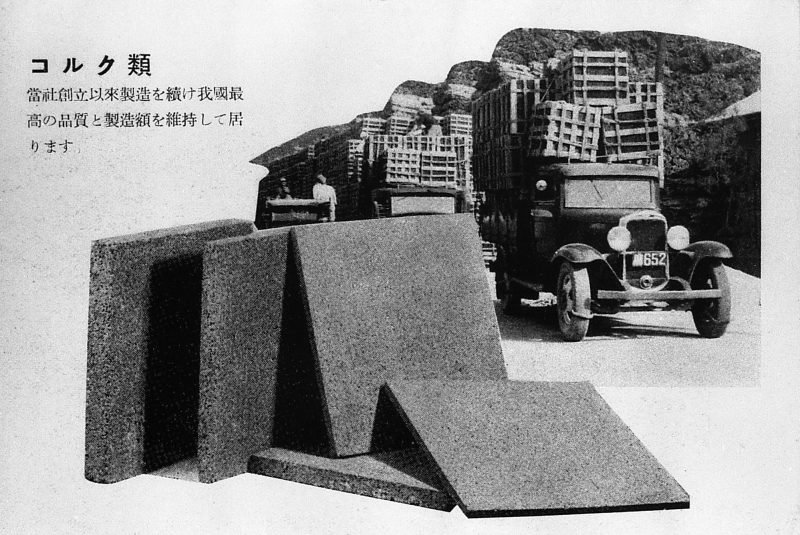
From Cork to Combustion
Under Jujiro’s leadership, the company shifted from cork production to tool-making by 1921 — even after a devastating fire in 1925. In 1927, it renamed itself Toyo Kogyo, dropping ‘Cork’ and embracing metalwork and machinery.
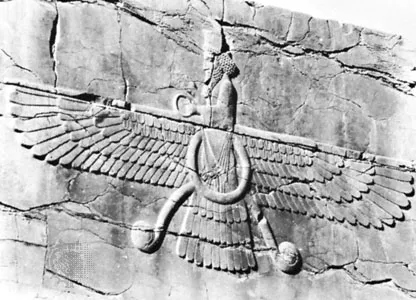
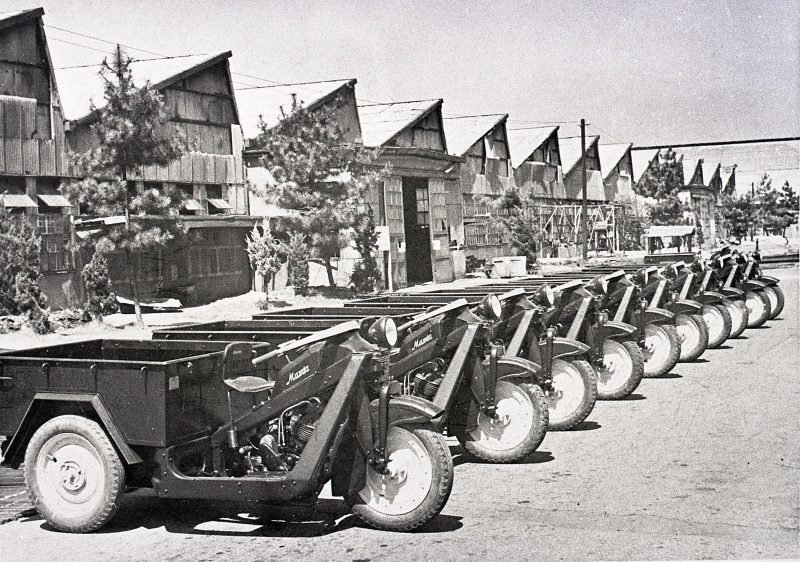
Matsuda’s breakthrough came in 1931 with the Mazda-Go, a three-wheeled truck powered by a 500 cc engine, built for affordability and utility. Branded as Mazda, the name cleverly paid homage to both Jujiro’s surname and the Zoroastrian god of light, Ahura Mazda
Sold initially via Mitsubishi, the production of the Mazda-Go eventually surpassed 200,000 units, carving out a significant presence in domestic and Chinese markets . By 1936, the corporate name “Mazda” symbolized their identity and ambition .
Out of the Ashes We Rise
During World War II, Mazda shifted to production of arms and military vehicles under the orders of the Japanese Army and Navy. Hiroshima city was devastated by the atomic bomb in August 1945, but Toyo Kogyo, with the damage to its facilities being minimal, began working hard to resume production while also helping the recovery efforts of Hiroshima city by providing relief for disaster victims and accepting government agencies such as the prefectural office to temporarily operate in its premises.

Between 1948-1950, the company resumed production of the three-wheelers – and with nationwide rebuilding efforts under way, demand for cargo vehicles was higher than ever. Business, once again, was booming. But the events following the attack on Hiroshima had changed the company for good. The city and the company had experienced that together, they had seen that they could face aversity and emerge victorious. The result was a willingness to meet challenges head on, to never give up, that shapes Mazda even today. The “Mukainada Spirit” was born out of the ashes of a destroyed city.
Rise of Micro Cars & Rotary Revolution
In 1951, Jujiro’s son, Tsuneji Matsuda was introduced as the new president of Toyo Kogyo, taking over a company that had successfully expanded to the production of four-wheeled utility vehicles. Jujiro later passed in 1952, passing down his legacy to Tsuneji.
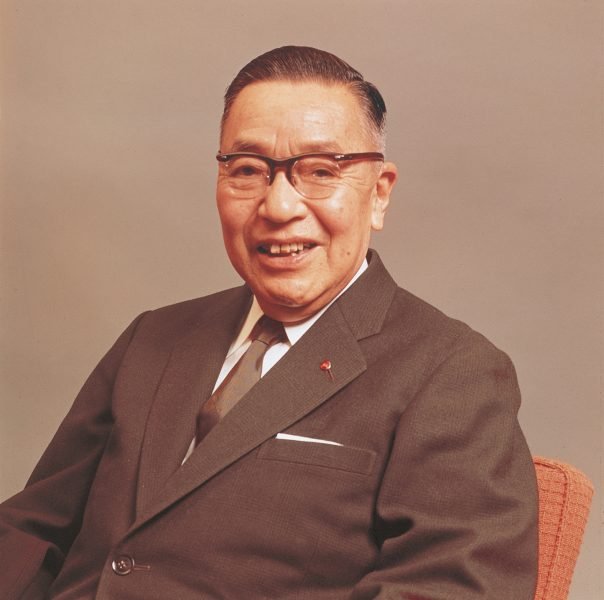
Being a challenger at heart like his father, Tsuneji had his sight set on the passenger car. To meet the rising demand, the company actively formed a technology partnership with overseas companies to introduce state-of-the-art manufacturing technologies such as shell molding cast. This partnership helped streamline operations and rationalizing the company to prepare its entry to the four-wheel vehicle market, while enhancing the competitiveness of Toyo Kogyo’s tricycle trucks. This move strongly cemented their position in the market.
In 1960, Toyo Kogyo unveiled the all new Mazda R360 Coupe, a compact kei car that took Japan by storm. The car featured an economical 356cc engine which echoed Henry Ford’s philosophy of accessible vehicles.
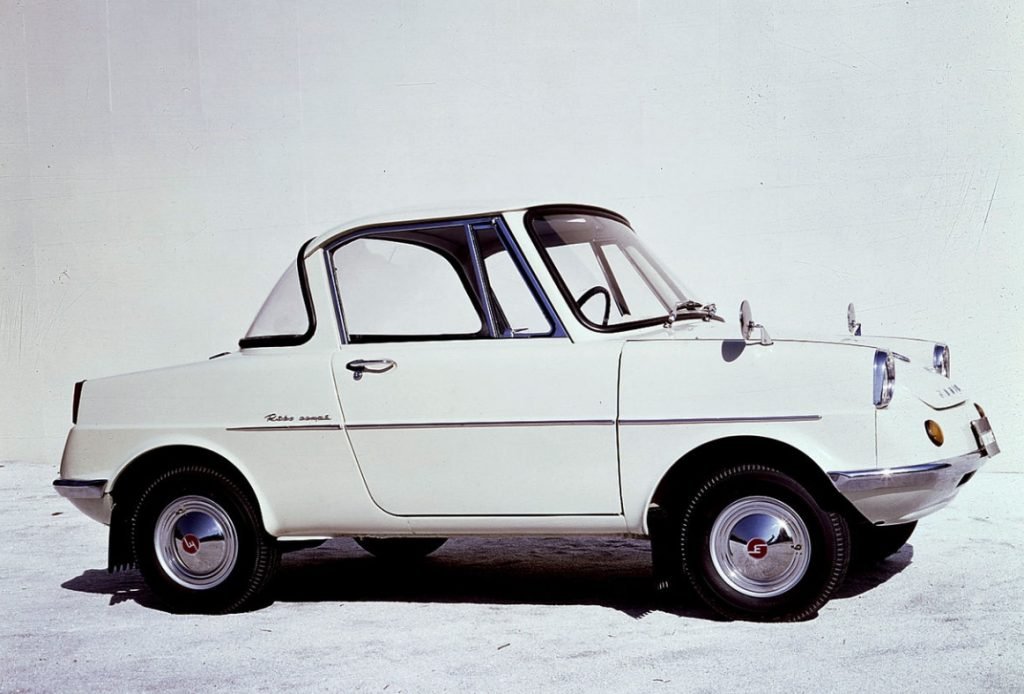
The combination of its lightweight construction and its impeccable consumption captured the zeitgeist of a growing middle class population. The Mazda R360 was such a success that in 1963, the company had reached the one million milestone in terms of total production, doubling that number by 1966.
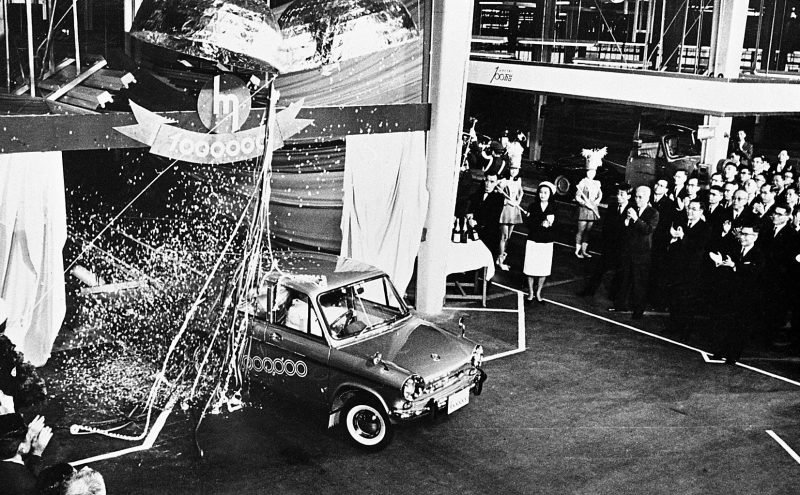
Despite Mazda’s incredible run of success, they faced a major storm that would shape the course of their history. The Japanese government was pressuring smaller manufacturers to consolidate their businesses into bigger, national corporations that could compete on a global scale. Toyota, Mitsubishi, or Nissan were more likely to become the new of many small manufactures.
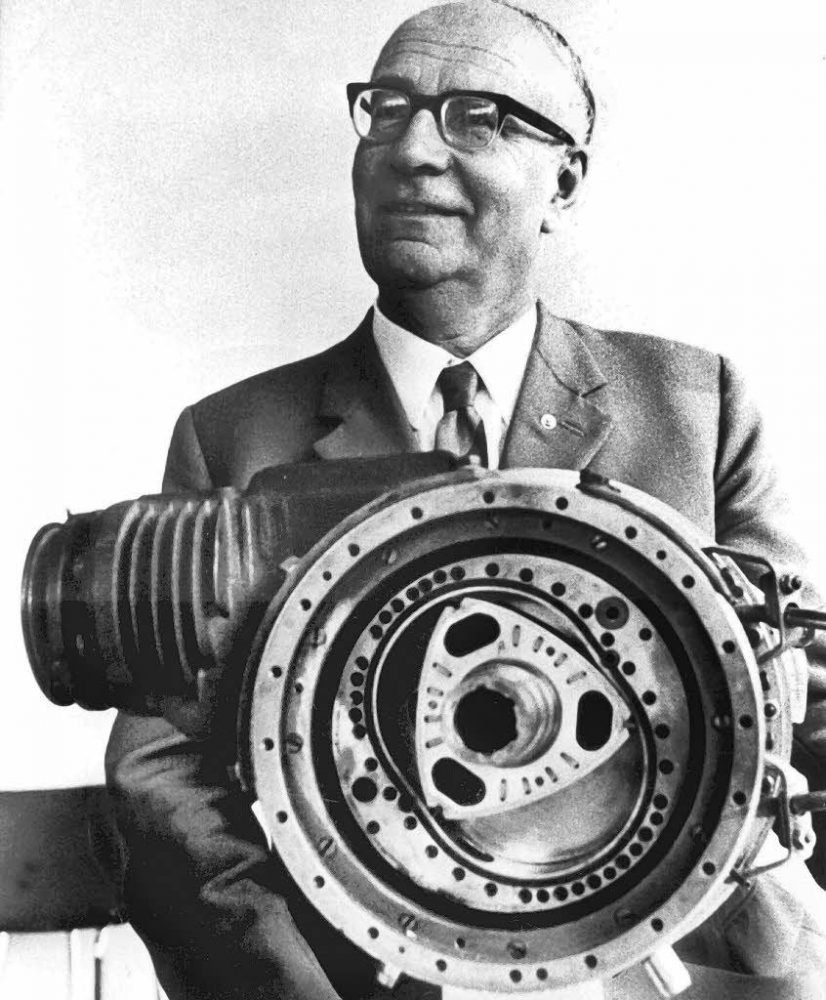
In a desperate move to protect the company’s legacy, signed a licensing agreement with a German company NSU, who had snapped up the patents for Felix Wankel’s rotary engine technology. This risky gamble just about managed to keep Mazda’s independence.
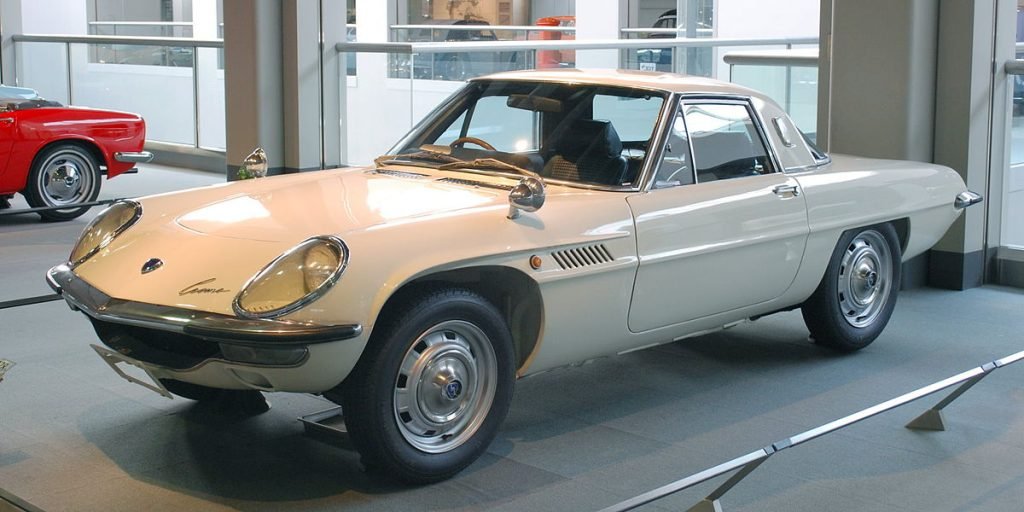
In May of 1967, the Cosmo Sport 110S debuts as the world’s first production dual‑rotor rotary sports car, powered by Mazda’s Type 10A engine. It proved itself on the Nürburgring’s 84‑hour Marathon de la Route endurance race, finishing 4th—a landmark moment in automotive history. Hand-built legacy: fewer than 1,200 Cosmos were produced during its run from 1967–1972
Sports Cars & International Recognition
From the late 1960s into the 1970s, Mazda launched models like the Familia, Capella, and rotary versions like the RX‑2, RX‑3, and the beloved RX‑7 (1978). Mazda partnered with Ford in 1970 and expanded into North America and Europe.
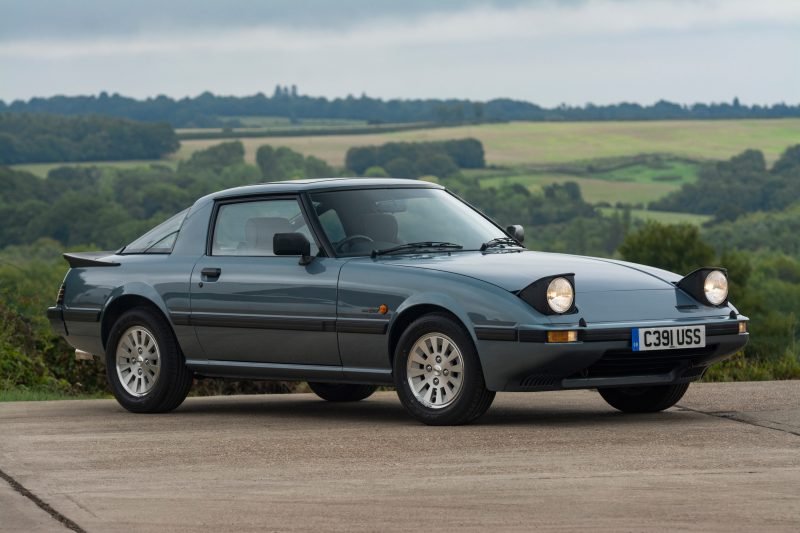
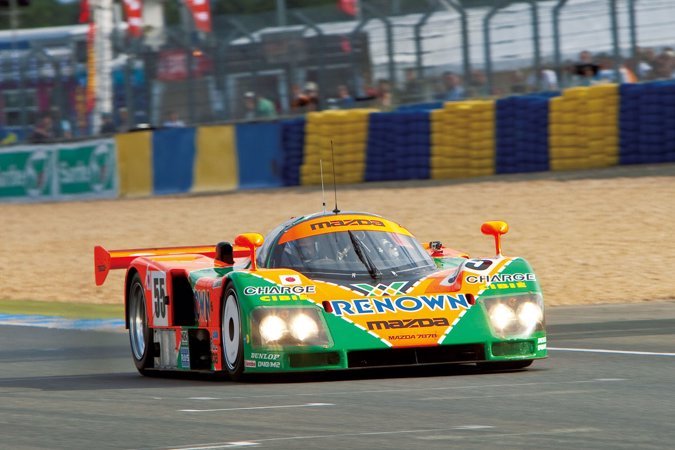
Despite the 1974 oil crisis, which led to downsizing rotary usage in mass-market models, Mazda maintained rotary variants for flagship sports cars like the Savannah RX‑7. Their racing spirit led to an iconic triumph in 1991, when the rotary-powered 787B won the 24 Hours of Le Mans—the only rotary victory in racing history
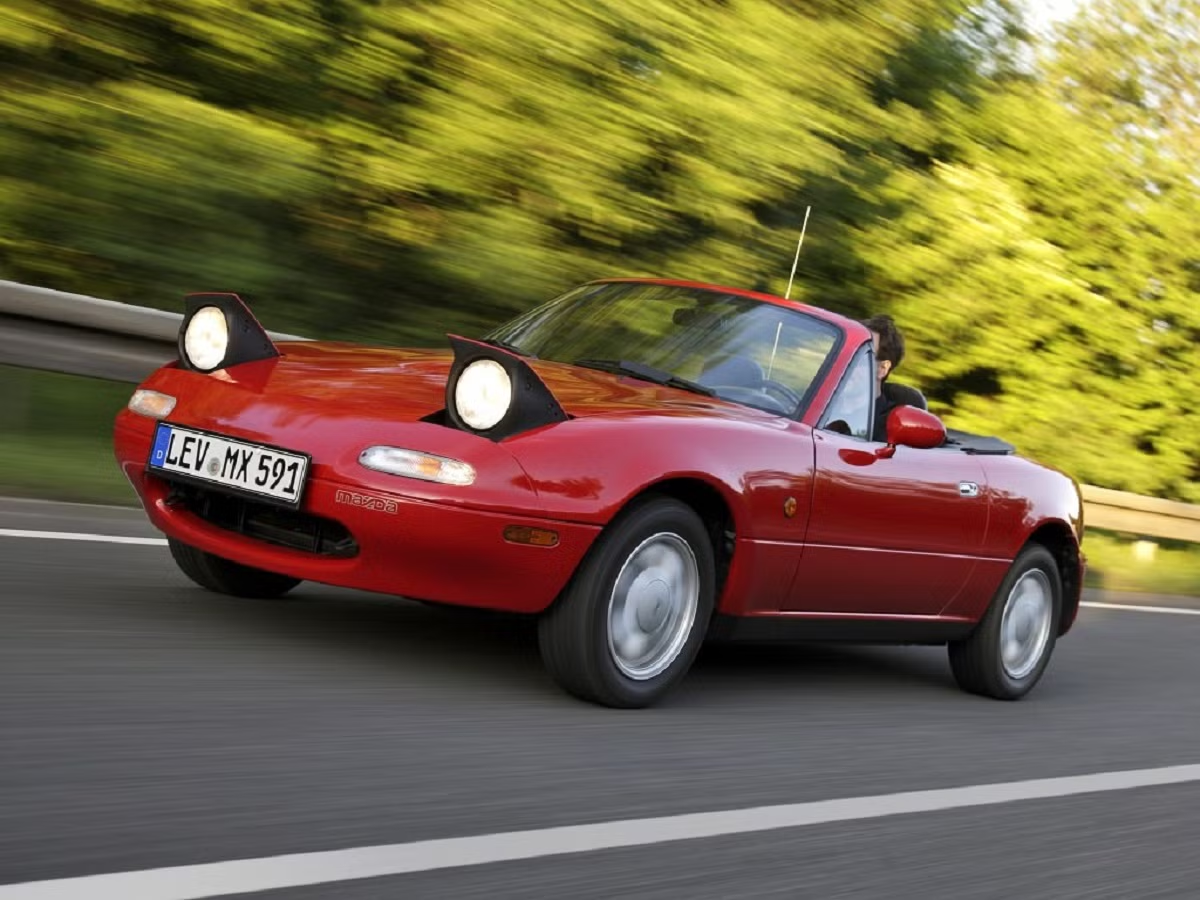
1989 marked the introduction of the MX‑5 Miata. Developed alongside Lotus, embodying Mazda’s “Jinba Ittai” philosophy, it became the world’s best-selling two-seat convertible and a sports-car icon. earning a Guinness World Records title and fostering an enduring “Zoom‑Zoom” brand philosophy
Sustainability Focus
In the ’90s, Mazda prioritized environmental responsibility: lighter materials, reduced emissions, and establishing the Mazda Environmental Charter. They pioneered Skyactiv technology—engines and chassis designed for efficiency without sacrificing driving dynamics.
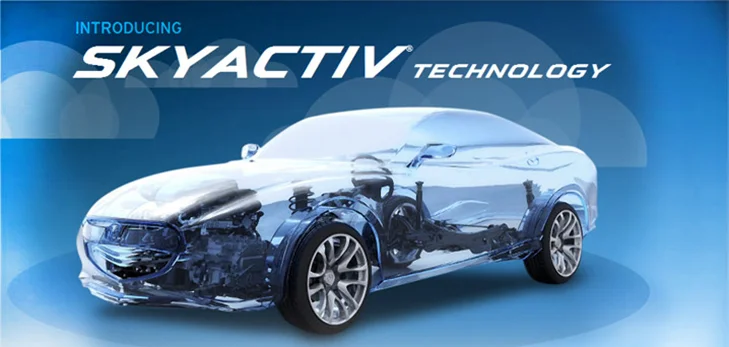
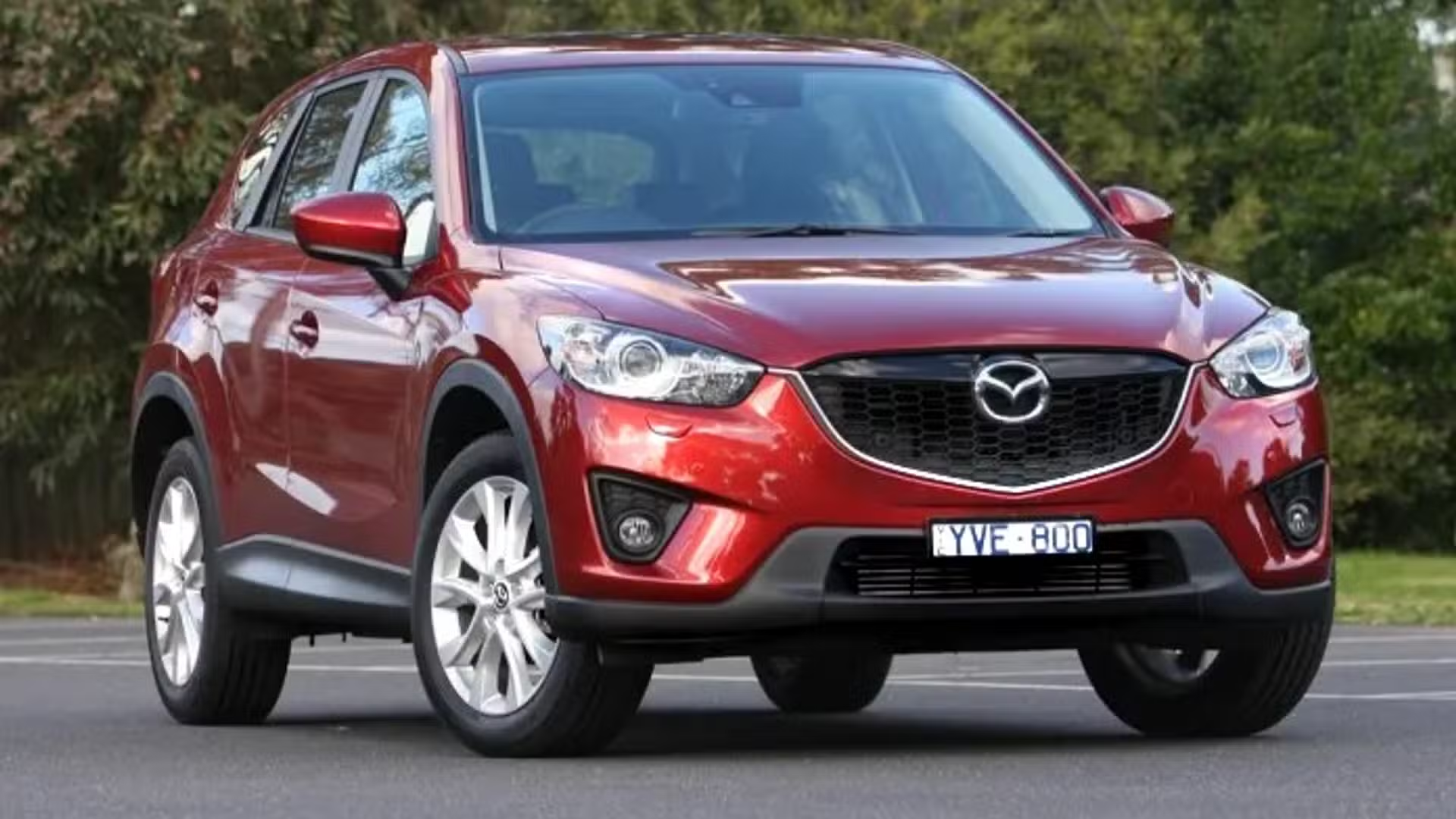
With its next-generation technologies “SKYACTIV” and a new design philosophy, “KODO – Soul of Motion design”, MAZDA succeeded in taking its design and performance to the next level. The company also introduced Monotsukuri (manufacturing) Innovation in which it bundled planning of new product groups and aimed to strike the right balance of commonality and diversity for highly efficient car manufacturing. The Mazda CX-5, launched in 2012, was the first model coming out of Mazda’s new-generation products, all of which earned high acclaim in markets around the world. Its powerful yet environmental-friendly clean diesel engine created a new market. Mazda also worked on strengthening its business in emerging countries; local production in Vietnam, Malaysia and Russia started, and a new plant was opened in Mexico.
In the mid-2010s, when the automotive industry faced a seismic shift, Mazda announced a business and capital alliance with Toyota Motor Corporation, leading to the realization of a joint production in the U.S while establishing a collaborative relationship for joint development of connected and Electric Vehicle technologies.
A Corky Nod to History: The MX-30 EV
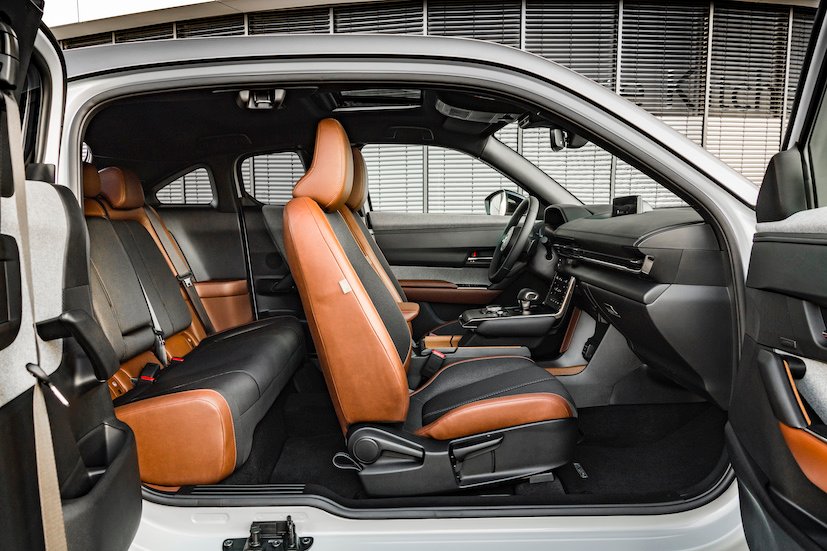
In 2020, Mazda unveiled the MX‑30, its first EV, celebrated for its distinct floating center console trimmed in natural cork — a tribute to its 1920 origins. Mazda emphasized cork’s sustainability: it’s renewable, biodegradable, resilient, and sourced responsibly.
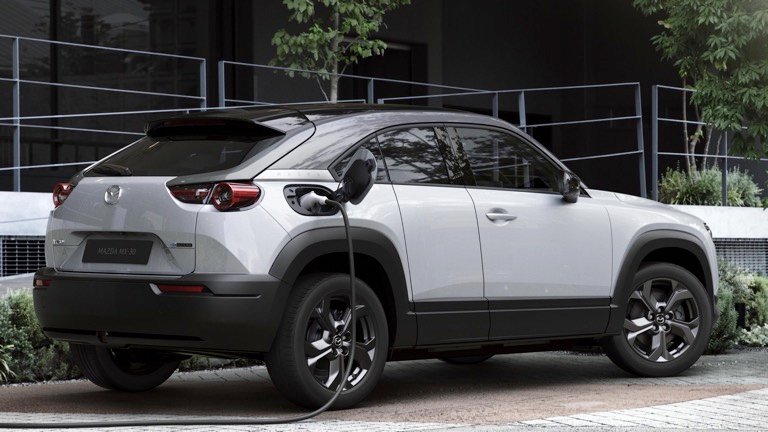
Despite its elegant cabin, some reviewers criticized the MX‑30 for its limited range (~160 km/100 miles) and modest performance . Still, Mazda blends sustainability with its core philosophy: delivering driving joy, innovation, and heritage in each vehicle.
Thoughts
From humble cork beginnings to global acclaim, Mazda’s story is one of resilience, ingenuity, and fidelity to its roots. As they steer toward a greener future, the spirit of Hiroshima—and that cork-maker’s dream—remains woven through every vehicle, every innovation, and every mile.
Have you experienced Mazda’s legacy firsthand? Whether you’ve driven a rotary roadster, coupled in an MX-5, or simply enjoy their design ethos, share your story below!
Leave a Reply