
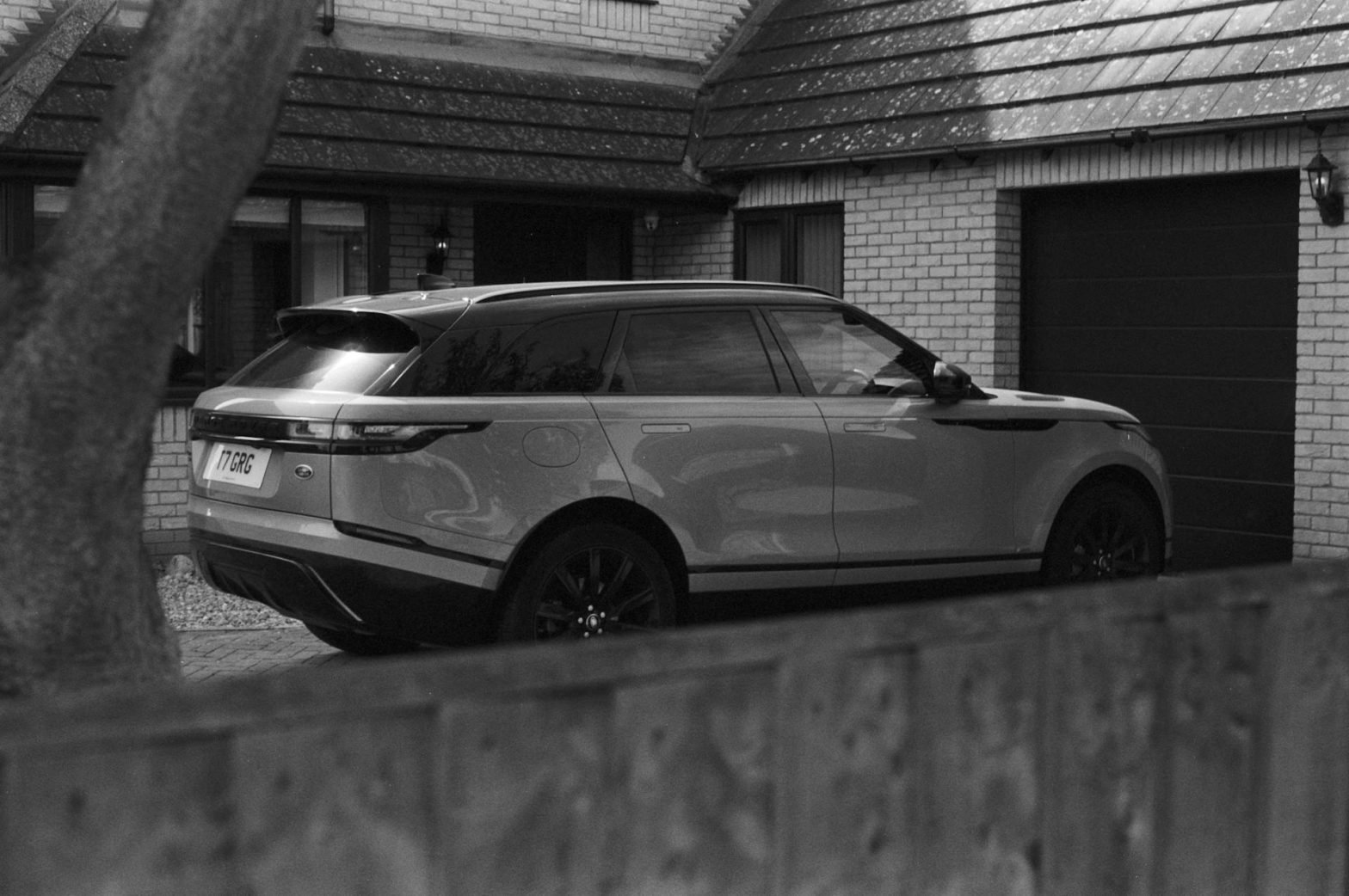
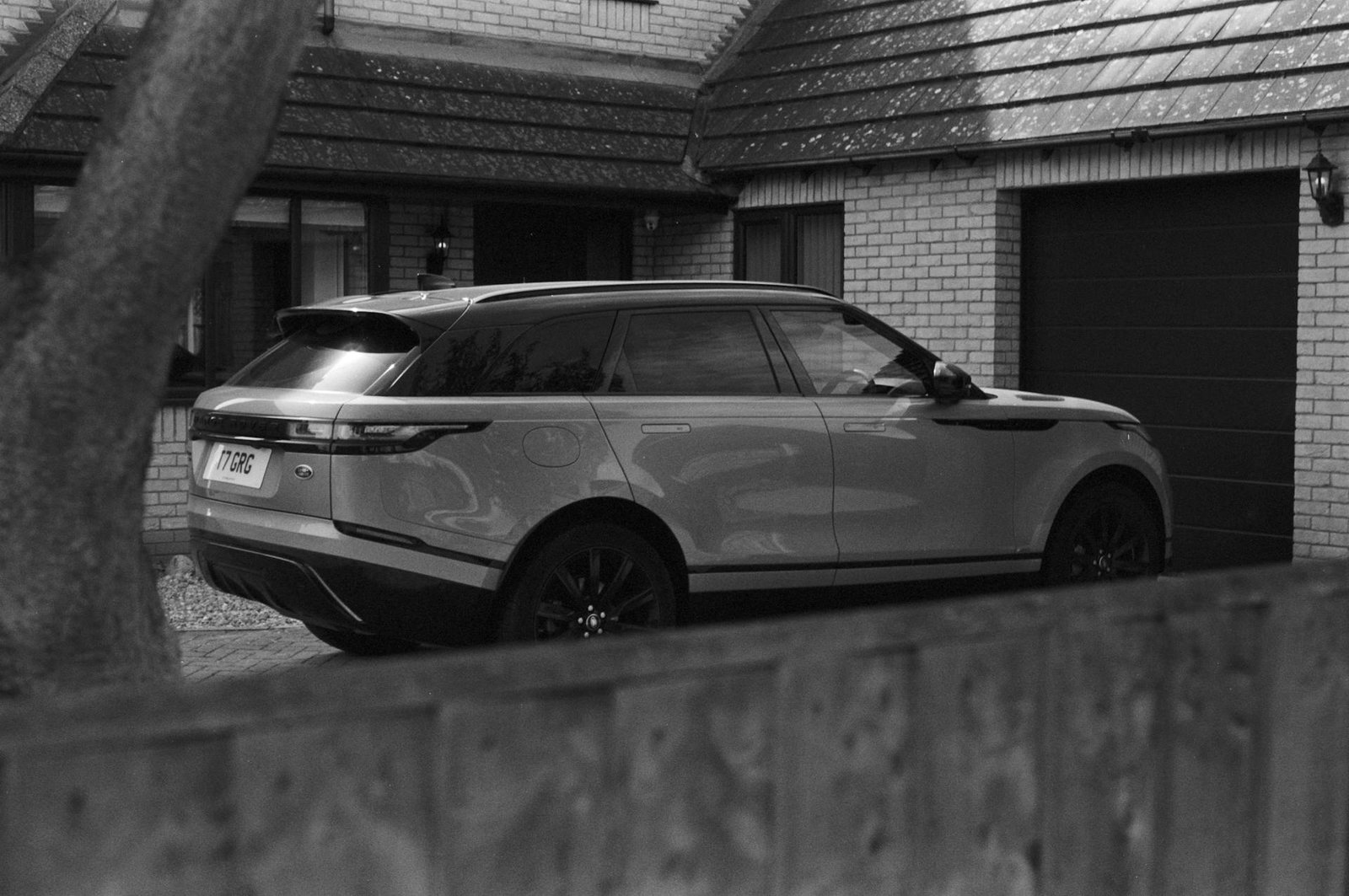
Striking the perfect balance between the compact Evoque and the rugged Sport, the Velar is the design leader of the Land Rover family. Here is everything you need to know about owning this automotive sculpture in Kenya.
The Range Rover Velar arrived on the scene like something dropped from an alien civilization. It didn’t look like a traditional SUV; it looked like a concept car that somehow escaped the studio and made it to production.
Sitting snugly between the smaller Range Rover Evoque and the larger Range Rover Sport, the Velar was launched to fill a “white space” Land Rover identified in the market. But it did more than fill a gap; it redefined automotive aesthetics.
For the Kenyan buyer looking for the ultimate statement of sophistication on Nairobi’s roads, a 2020 or newer Velar is a compelling contender. But owning a Land Rover is a lifestyle commitment. This guide dives deep into the design, the machinery, and the realities of owning the Velar in Kenya.
The Design Process: The Philosophy of Reductionism
The Velar is widely considered one of the most beautiful SUVs ever made. Its creation was driven by Land Rover’s Chief Design Officer, Gerry McGovern, under a philosophy called “reductionism.”
The goal was to remove complexity. If a line or feature wasn’t absolutely necessary, it was removed. The result is a vehicle defined not by clutter, but by elegant surfaces and stunning proportions.
Key Design Elements:
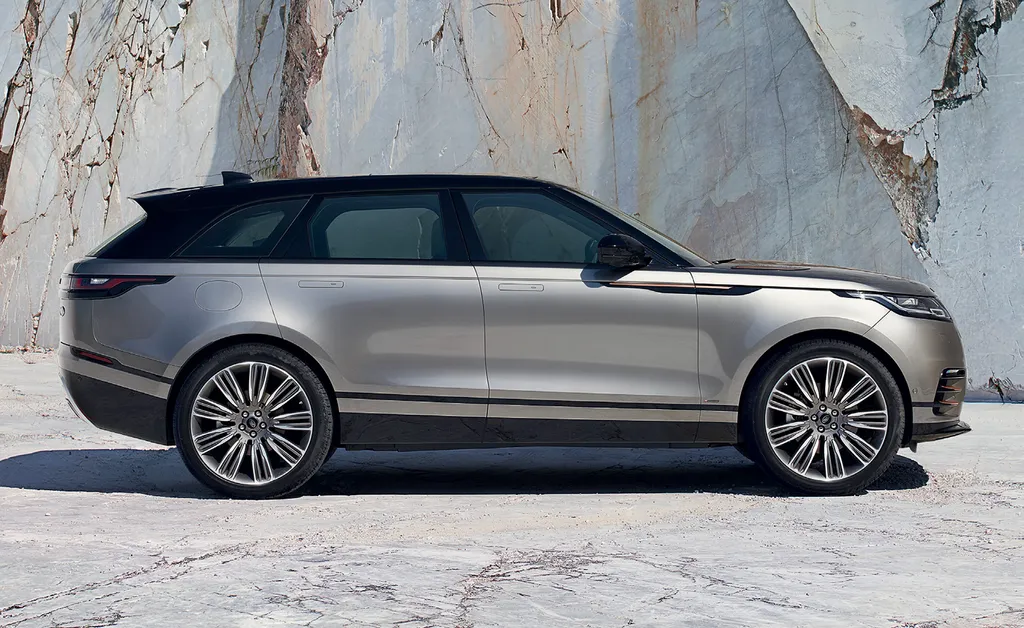
- The Flush Door Handles: Perhaps the most talked-about feature. They deploy when the car is unlocked and retract flush with the bodywork when locked or moving over 8 km/h, creating an uninterrupted sculptural flank that aids aerodynamics.
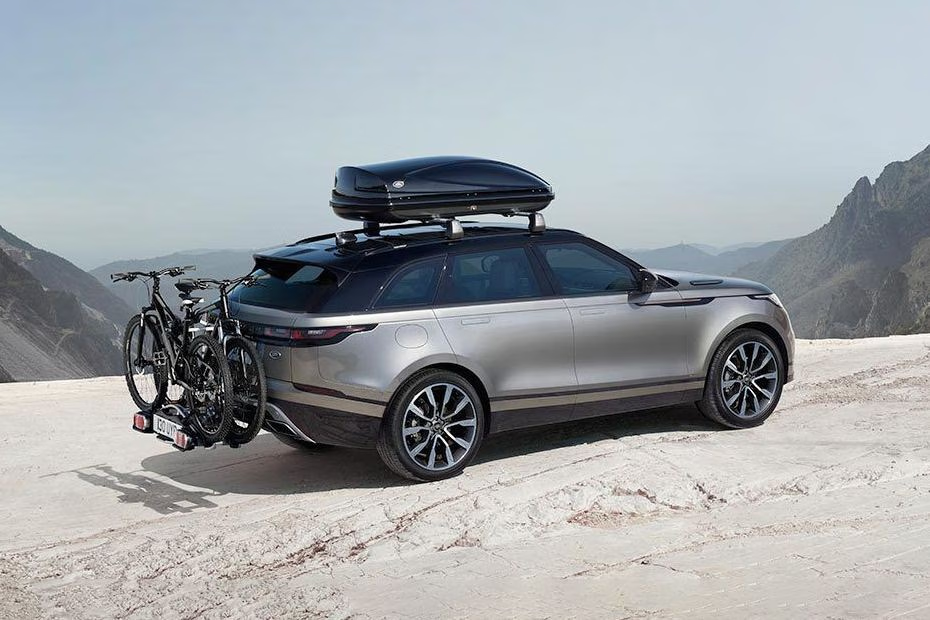
- The Floating Roof: Blacked-out pillars create the illusion that the roof is hovering above the car, a signature Range Rover trait exaggerated here for dramatic effect.
- The Taper: The rear of the vehicle tapers significantly, giving it a dynamic, yacht-like stance rather than a boxy SUV look.
Engine Options and Trims
From the 2020 model year onwards, Land Rover significantly updated the Velar’s powertrain lineup, introducing Mild Hybrid Electric Vehicle (MHEV) technology across most engines to improve efficiency and smoothness, and introducing a crucial Plug-In Hybrid.
The Trims Structure: The structure generally revolves around a base specification, moving up to S, SE, and HSE packs which add progressive levels of technology and luxury. Overlaying these are the design packages:
- Standard: Cleaner, more elegant bumpers.
- R-Dynamic: More aggressive bumpers, black accents, and sportier detailing (very popular in the Kenyan market).
- (Note: Top-tier Autobiography or SVAutobiography Dynamic editions exist but are rare and phase in and out of the lineup depending on the exact year).
The Engine Room
In Kenya, reliable power and reasonable fuel economy are paramount.
- The Diesels (The Kenyan Favorites):
- D200 (2.0L 4-Cylinder MHEV): Approximately 204 hp. Adequate for daily Nairobi driving and decent fuel economy.
- D300 (3.0L Inline-6 MHEV): Approximately 300 hp. This is the sweet spot. Smooth, torque-rich (great for overtaking on highways like Mombasa Road), and reasonably efficient for its power.
- The Petrols:
- P250 (2.0L 4-Cylinder): Approximately 250 hp. Punchy enough but can be thirsty if driven hard in a heavy car.
- P340/P400 (3.0L Inline-6 MHEV): Silky smooth inline-six engines offering thrilling performance, but with high fuel consumption in city traffic.
- The Game Changer: P400e (Plug-In Hybrid PHEV):
- Combines a 2.0L petrol engine with an electric motor for a combined 404 hp. It offers around 50km of pure electric range.
- Kenyan Context: Excellent if you have a home charger and short daily commutes in Nairobi, allowing you to drive mostly on cheap electricity. However, once the battery is flat on a long trip to Naivasha, you are relying on a small petrol engine to haul a heavy car.
Exterior Features: Dressed to Impress
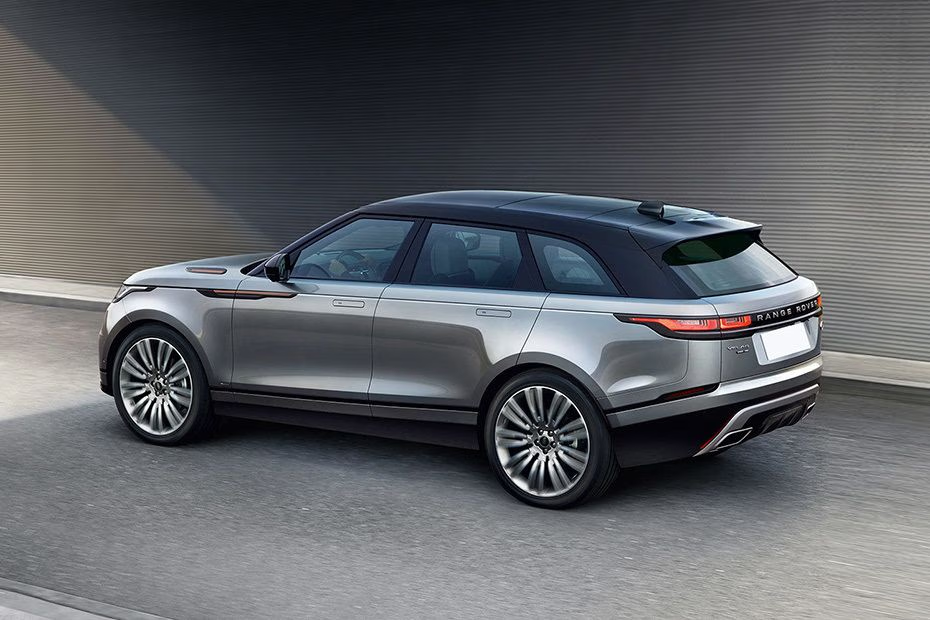
A 2020+ Velar is packed with exterior technology designed to dazzle.
- Matrix LED / Pixel LED Headlights: These aren’t just bright; they are intelligent. They can block out specific segments of the high beam to avoid blinding oncoming drivers while keeping the rest of the road illuminated. (Incredibly useful on poorly lit Kenyan highways).
- Wheel Options: Ranging from standard 19-inch alloys up to massive 22-inch options. The 22s look spectacular and fill the arches perfectly, but be warned: they significantly firm up the ride quality on Nairobi’s potholes. 20 or 21-inch wheels offer a better compromise.
- Powered Gesture Tailgate: A kick motion under the rear bumper opens the boot—handy when your arms are full of groceries.
Interior Features: The Digital Sanctuary
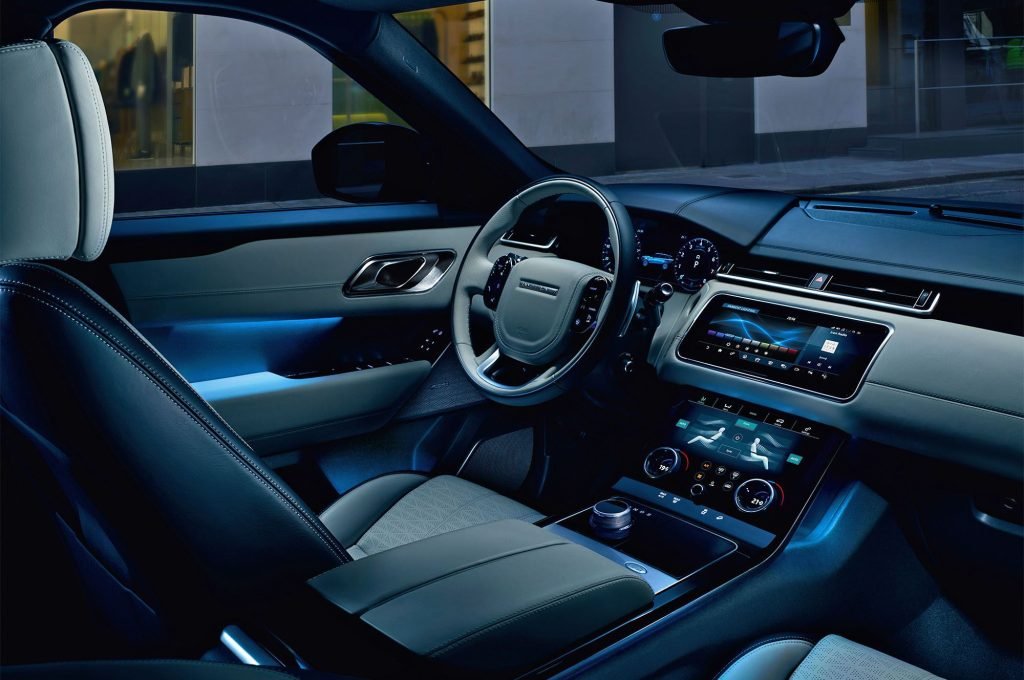
The interior of the Velar echoed the exterior’s reductionism.
The Evolution of Screens:
- 2020-2023 Models: These mostly feature the “Touch Pro Duo” system. This involves two separate 10-inch high-definition touchscreens stacked in the center console. The top one handles navigation and media; the bottom one handles climate control and terrain response. It looks incredible, though it collects fingerprints rapidly.
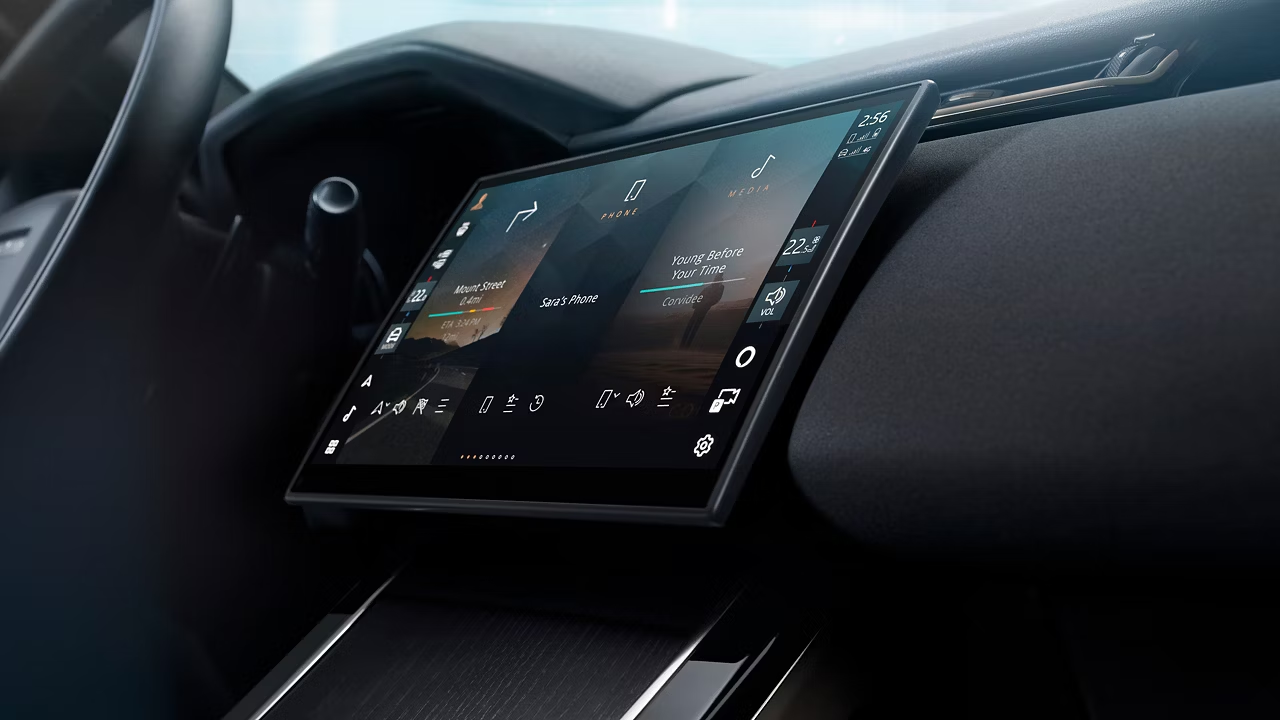
- Late 2023/2024 Facelift: The interior saw a major change. The dual screens and physical climate dials were replaced by a single, larger 11.4-inch curved “floating” touchscreen running the newer, faster Pivi Pro infotainment system. This is cleaner but relies entirely on touch for climate controls.
Standard Interior Highlights:
- Interactive Driver Display (digital gauge cluster).
- Apple CarPlay and Android Auto (often wireless in newer models).
- Ergonomic gear selector (the rotary dial was replaced by a stubby lever in later years).
Luxury Features: Beyond the Ordinary
This is where Range Rover separates itself from standard SUVs.
- Meridian Sound Systems: The base system is good, but the optional Meridian Surround Sound System (with up to 17 speakers) is concert-hall quality.
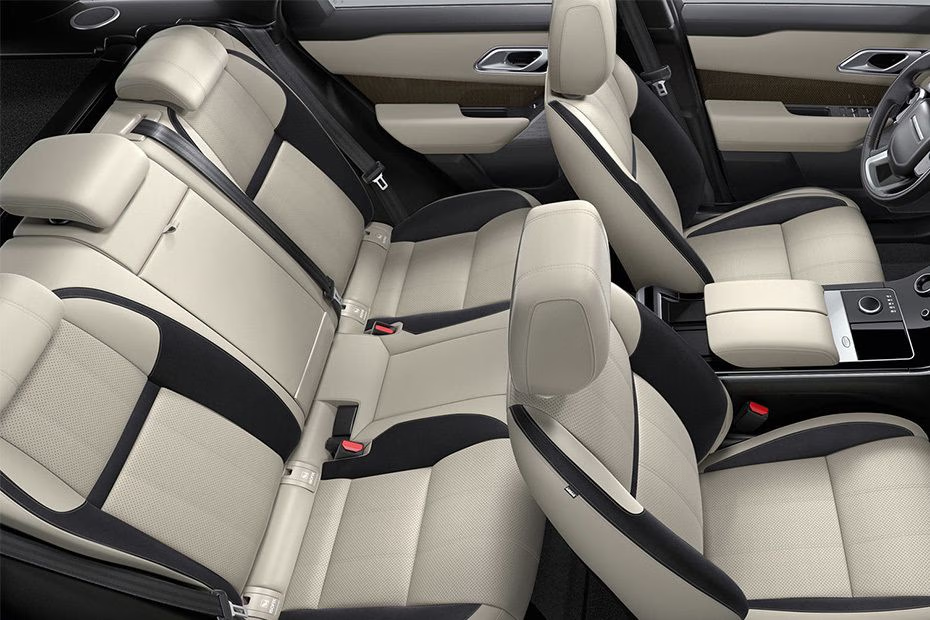
- Material Choices: While Windsor leather is standard luxury, the Velar introduced a premium textile option developed with Kvadrat. It’s a wool-blend fabric that is warm in winter, cool in summer, and a sustainable alternative to leather.
- Sliding Panoramic Roof: Floods the cabin with light, making the relatively snug interior feel airy.
- Massage Seats: 20-way adjustable heated and cooled front seats with various massage functions are available on higher trims.
- Air Purification Pro: Newer models feature advanced filtration that reduces allergens and odors inside the cabin—a blessing in dusty environments.
Buying Costs in Kenya (2020+ Models)
Buying a Velar in Kenya requires significant financial preparation. Prices vary wildly based on the year of manufacture, engine size (which affects import duty), mileage, and trim level.
Disclaimer: Prices are estimates current to mid-2024 and fluctuate with exchange rates and taxes.
You generally have two routes: buying a locally used unit or importing one directly (usually from the UK or Japan).
- Direct Import (UK): This allows you to spec the car exactly as you want and ensure genuine mileage. However, the importation process, taxes, and clearing takes time (approx. 45-60 days).
- Local Dealerships/Used Market: Faster acquisition, but you might pay a premium for immediate availability.
Estimated Price Brackets (Landed & Registered in Kenya):
- 2020 Range Rover Velar (e.g., D200 S or R-Dynamic SE): Expect prices to range from KES 13 Million to KES 15.5 Million.
- 2021-2022 Range Rover Velar (Higher specs, lower mileage): Expect KES 16 Million to KES 19 Million.
- 2023+ (Facelift models): These will push upwards of KES 21 Million+, depending heavily on if it’s a high-spec PHEV or a six-cylinder MHEV.
Running Costs in Kenya: The Reality Check
The Velar is expensive to buy, and it is expensive to keep. You must budget for the “Range Rover lifestyle.”
- Fuel Consumption:
- Diesel (D200/D300): You can manage 10-14 km/l on mixed driving if you are gentle.
- Petrol (P250/P340): Expect 7-10 km/l in mixed driving. Heavy Nairobi traffic will see this drop significantly.
- Maintenance and Repairs:
- Routine Service: A basic service at a reputable specialist independent garage will cost between KES 40,000 and KES 70,000 depending on what filters and oils are needed. Main dealer servicing will be significantly more.
- Brakes and Tyres: These are heavy cars that eat consumables. A set of 21-inch premium tyres can easily cost KES 160,000+. Brake pads and discs are similarly pricey.
- Air Suspension: Most Velars (especially V6 models) come with electronic air suspension. It provides a magic carpet ride, but if an air strut fails outside of warranty, it is a very expensive repair (hundreds of thousands of shillings per corner).
- Insurance:
- Comprehensive insurance is mandatory for a car of this value. Due to the high cost of parts and the risk of theft of parts (like headlights/mirrors), premiums are high. Budget roughly 4% to 6% of the car’s value annually. For a KES 15M car, that is KES 600,000 to KES 900,000 per year.
Sipitali’s Thoughts…
The Range Rover Velar is not a rational purchase; it is an emotional one. There are more practical and reliable SUVs for significantly less money in Kenya.
However, few vehicles make you feel as special as the Velar does when you walk up to it and the handles deploy to greet you. The cabin is a sanctuary of calm, and the driving experience is effortlessly luxurious. If you have the budget not just to buy it, but to maintain it properly, the Velar is perhaps the most stylish way to travel on Kenyan roads.
Leave a Reply