
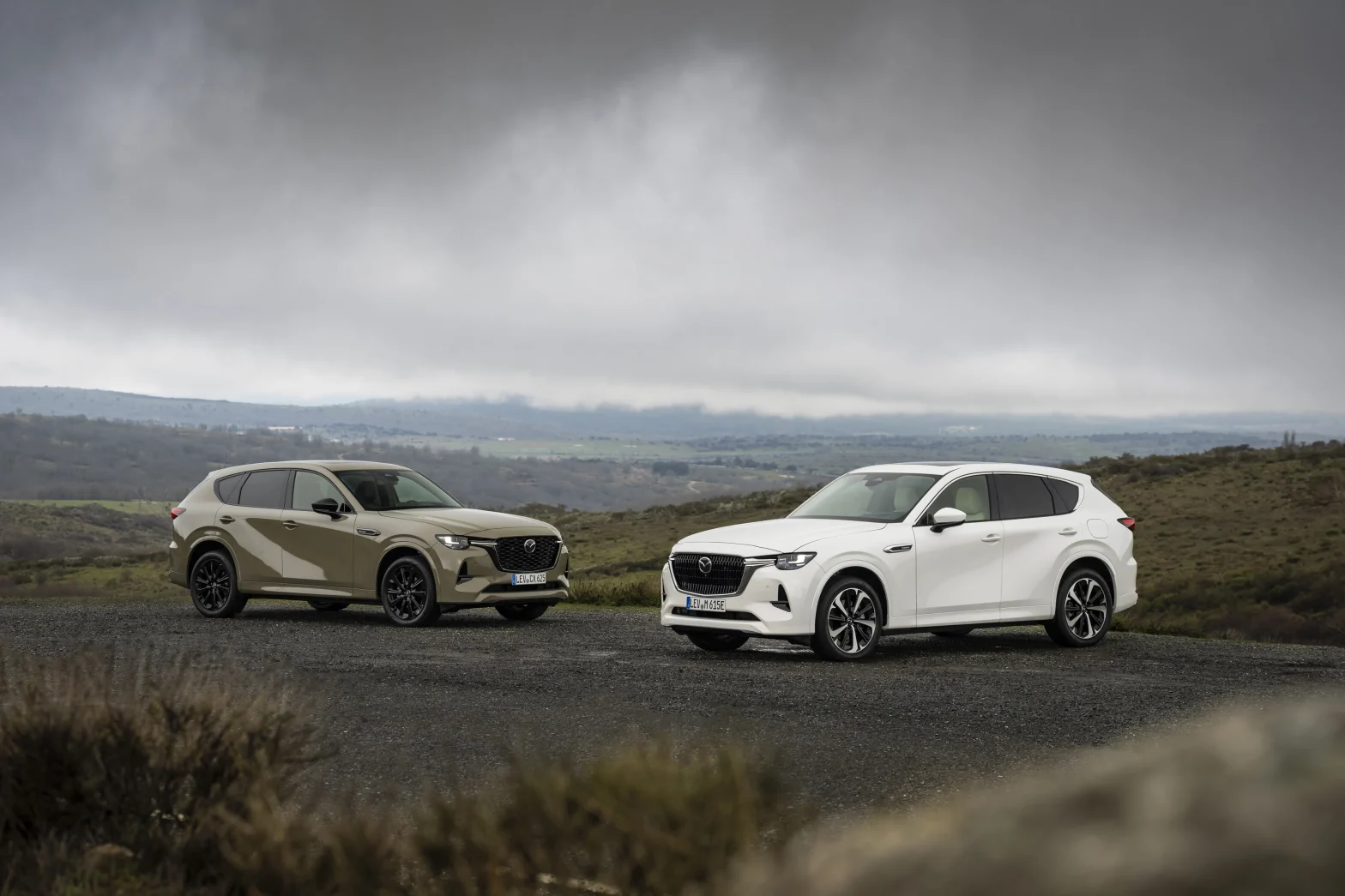
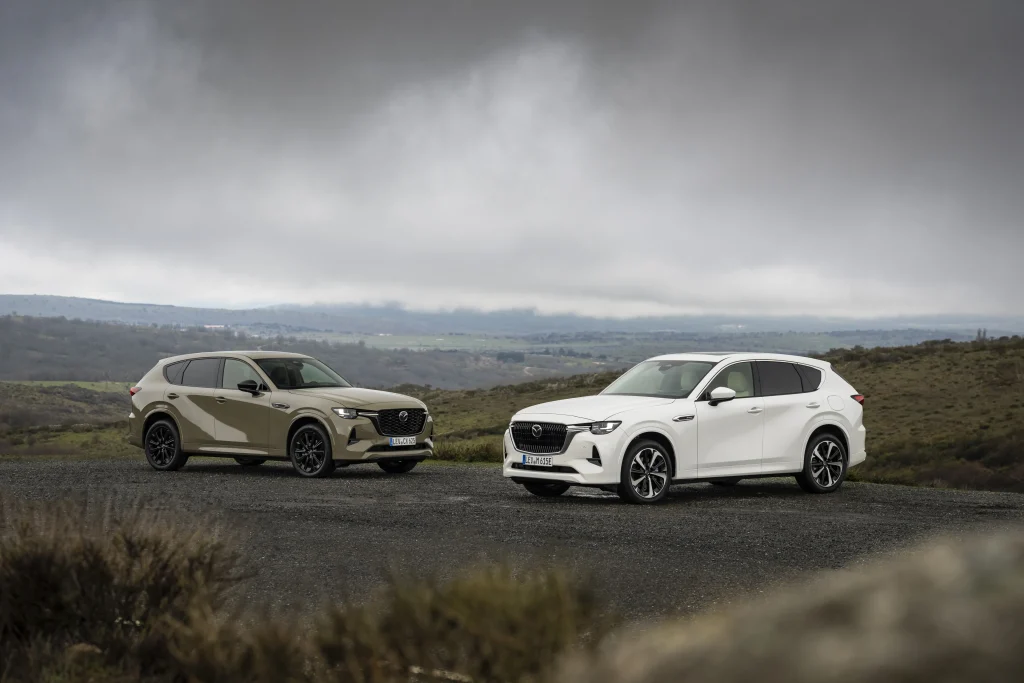
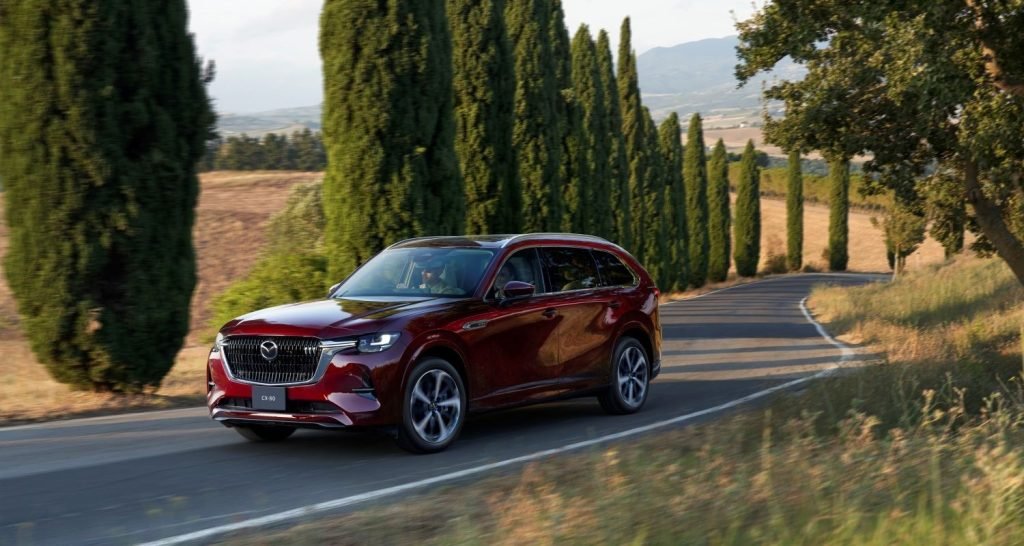
Mazda is not just a mainstream brand anymore. With the recent launch of the CX-60 (launched in March 2022) and the larger CX-80, (launched in April 2024) the Japanese automaker is making a serious play for the premium SUV market. These two vehicles blend stunning Kodo design with high-end engineering, signaling Mazda’s clear ambition to challenge established luxury competitors.
Built on Mazda’s brand-new Large Product Group platform, these SUVs mark a sophisticated shift in engineering, prioritizing a smooth, balanced, and engaging driving experience. It doesn’t stop there, for the left-hand drive markets, they’ve been graced with the CX-70 and CX-90, still etching a position for themselves in markets dominated by similarly sized luxury SUVs such as the BMW X6, Mercedes Benz GLE and the Audi Q8.
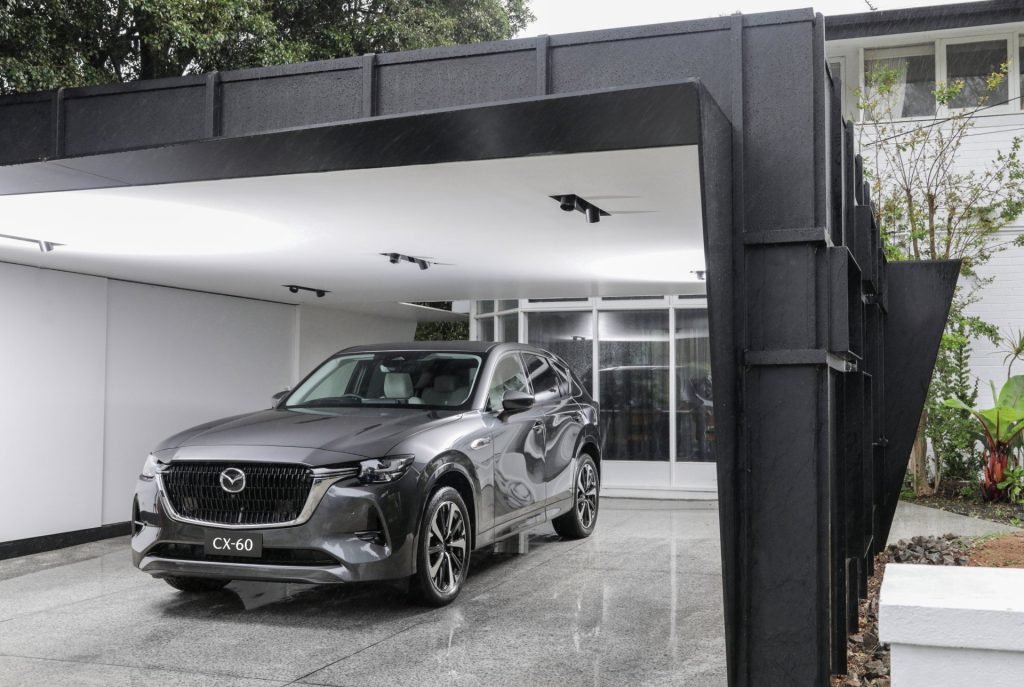
For many drivers, the burning question isn’t whether they should choose a new Mazda SUV, but rather: Do you need the focused agility of the CX-60 or the expansive utility of the CX-80?
What You Find in the New Luxury Contenders.
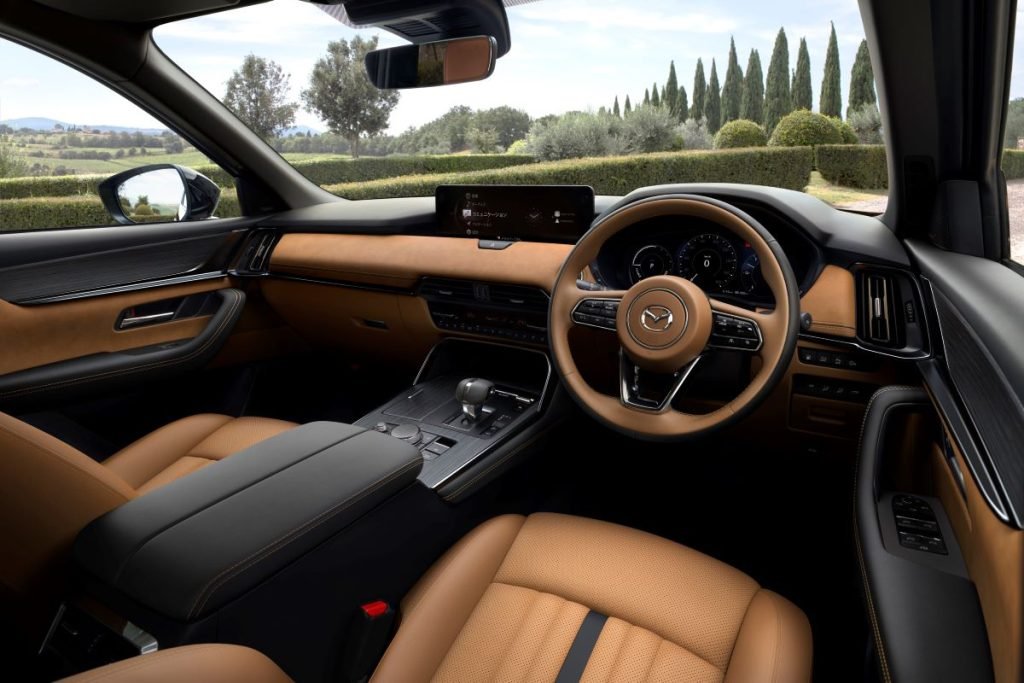
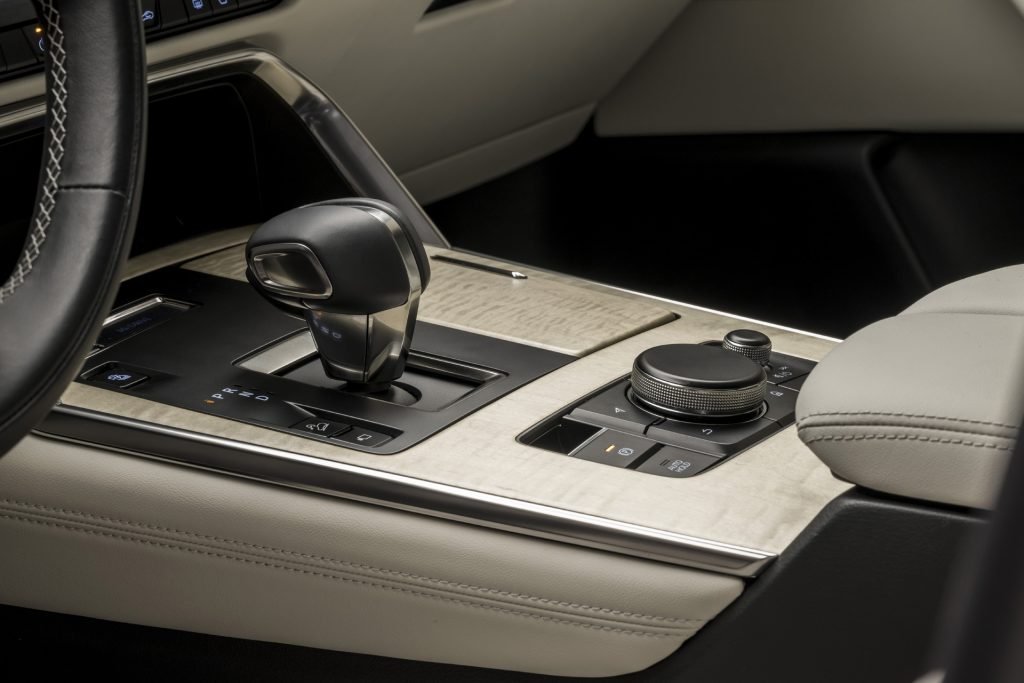
The CX-60 and CX-80, particularly in high-end trims like the Homura and Takumi, are loaded with features designed to directly compete with German luxury marques. This includes advanced comfort elements like Nappa leather upholstery, front seating with heating and ventilation (a must-have for comfort in all climates), and the immersive experience of a 12-speaker Bose surround sound system. Furthermore, cutting-edge technology such as the Mazda Driver Personalization System uses facial recognition to automatically adjust up to 250 different settings—including seat, steering wheel, and mirror position—to the driver’s exact physique and preference, offering a level of tailored automation previously reserved for top-tier competitors
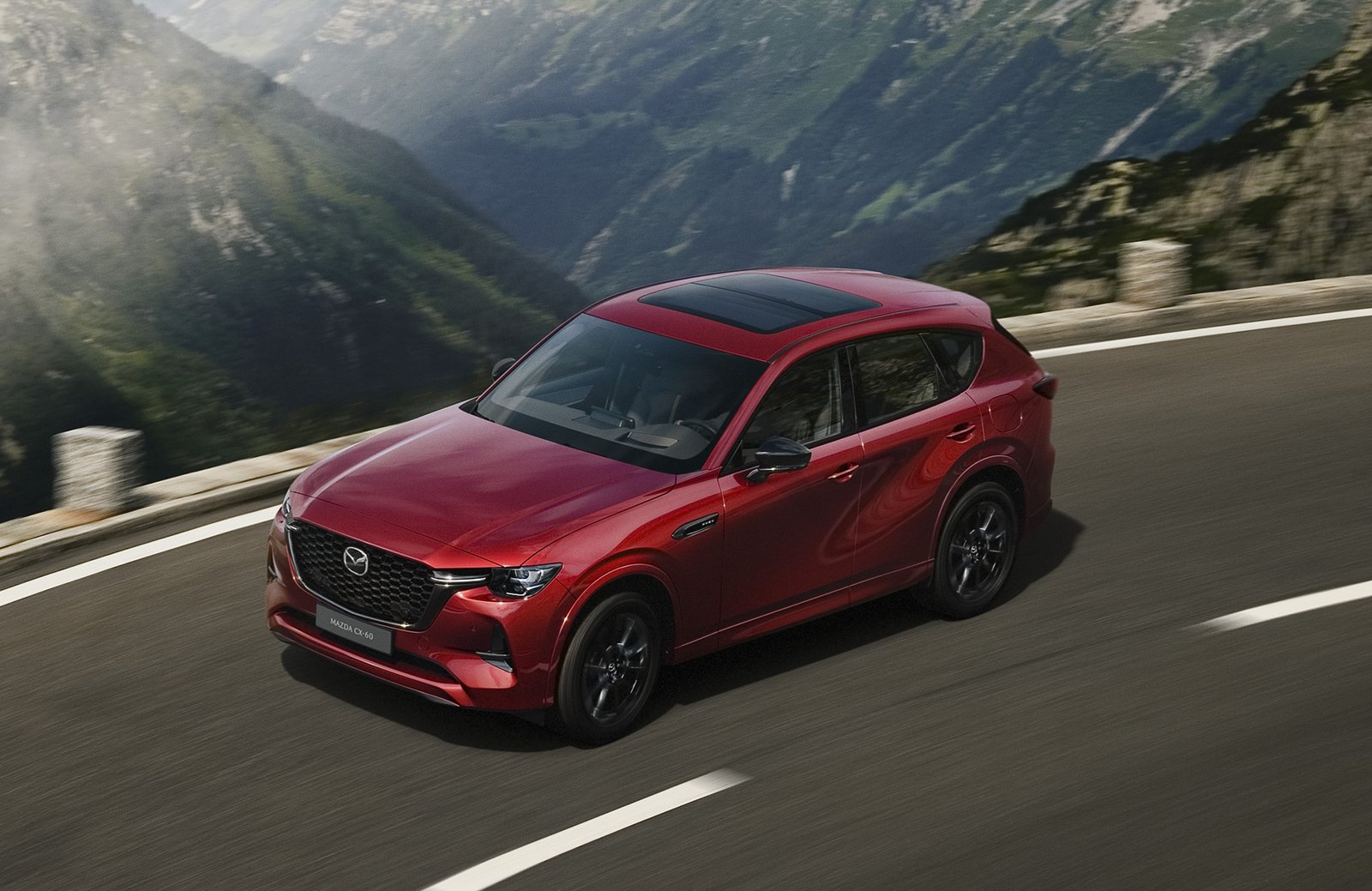
Also, for the first time we are getting a Panoramic Sunroof option for both the CX-60 and CX-80, a luxury feature predominant on the German rivals. The only feature that edges it out of this category is the lack of Air Suspension, which is a plus for drivers who do not wish to deal with the complexity of air bags in the drivetrain of the vehicle.
The Core Difference: Two Rows vs. Three
While they share elegant styling and cutting-edge features, the distinction between the CX-60 and CX-80 comes down to one critical factor: size and seating capacity.
| Feature | Mazda CX-60 | Mazda CX-80 |
| Seating Capacity | 5 Passengers (2 Rows) | 6 or 7 Passengers (3 Rows) |
| Primary Goal | Premium Mid-Size SUV, Focus on Agility | Flagship Large SUV, Focus on Practicality and Space |
| Overall Length | Approx. 4,740 mm | Approx. 4,995 mm (Significantly Longer) |
| Wheelbase | Shorter (Approx. 2,870 mm) | Stretched Wheelbase (Approx. 3,120 mm) |
Engines, Power Figures and Drivetrains
At the heart of both the CX-60 and the CX-80, are three main powertrain types in most markets, all paired with a new 8-speed automatic transmission:
1. Plug-in Hybrid (PHEV): The Powerhouse
This is the most powerful option in the lineup and marks Mazda’s first mass-production PHEV system.
- Engine: Combines a 2.5-litre four-cylinder Skyactiv-G petrol engine with a 129 kW electric motor and a 17.8 kWh high-capacity battery.
- Combined Output: Delivers a substantial 241 kW (327 PS) of power and 500 Nm of torque.
- Performance & Efficiency: It offers excellent acceleration (0-62 mph in around 5.8 seconds for the CX-60) and a substantial electric-only range (up to 60 km / 37 miles WLTP), making it highly efficient for daily commutes.
- Drivetrain: Generally comes with i-Activ All-Wheel Drive (AWD).
2. e-Skyactiv D: Inline-Six Diesel (Mild-Hybrid)
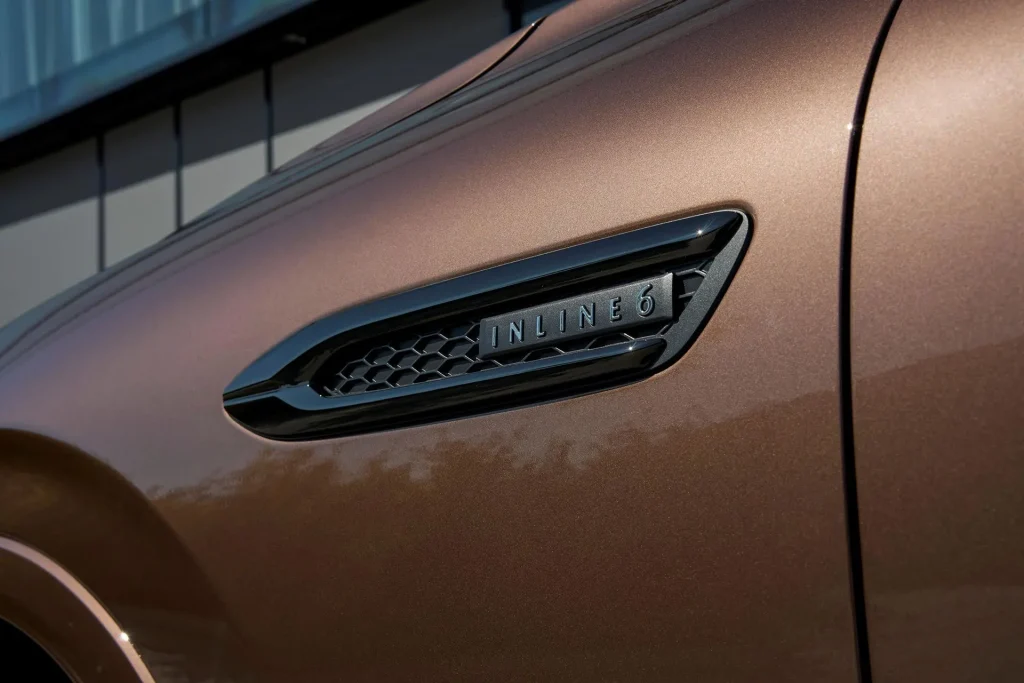
This is Mazda’s all-new, large-capacity straight-six diesel engine, designed for exceptional efficiency and torque.
- Engine: A 3.3-litre turbocharged inline-six diesel unit.
- Technology: Features M Hybrid Boost, Mazda’s 48V mild-hybrid system, which aids efficiency and smoothness.
- Outputs: This engine is typically offered in two states of tune depending on the market and drivetrain:
- Lower output (147 kW / 200 PS with 450 Nm), often paired with Rear-Wheel Drive (RWD).
- Higher output (187 kW / 254 PS with 550 Nm), usually paired with All-Wheel Drive (AWD).
- Highlight: The inline-six configuration provides the refined, smooth engine note and torque delivery associated with premium vehicles.
3. e-Skyactiv G: Inline-Six Petrol (Mild-Hybrid)
This is the petrol equivalent of the diesel, also featuring the new straight-six architecture.
- Engine: A 3.3-litre turbocharged inline-six petrol unit.
- Technology: Also uses the 48V mild-hybrid (MHEV) system for a performance and efficiency boost.
- Output: The turbo version often produces around 209 kW (284 PS) and 450 Nm of torque.
- Drivetrain: Typically offered with All-Wheel Drive (AWD).
Who Should Buy Which?
The decision between these two premium flagships is entirely based on your lifestyle needs:
Choose the CX-60 if…
- You rarely need more than five seats and want a more agile feel.
- You are looking for a nimble vehicle for city driving and easier parking.
- You want Mazda’s sharp design and premium feel in a slightly more compact package.
Choose the CX-80 if…
- You need the occasional or frequent flexibility of six or seven seats.
- Cargo capacity and passenger comfort are your top priorities.
- You are upgrading from a larger family vehicle and want uncompromised utility paired with Mazda’s newfound luxury status.
Are They Ready For Kenyan Roads?
Mazda has an established presence in the Kenyan markets and the CX-60 is already being imported. With time we could see them more often on the roads, as the markets and support systems slowly adjust to the new powertrains from Mazda’s flagship SUVs
1. Ground Clearance: The Most Crucial Factor
This is the main point of concern for traversing potholes or unpaved roads outside city centers.
- Mazda CX-60 Ground Clearance: Approximately 175mm to 182mm.
- Mazda CX-80 Ground Clearance: Approximately 165mm to 170mm.
While this clearance is better than a standard sedan, it is noticeably lower than the 200mm+ clearance offered by many popular, rugged SUVs in the Kenyan market (like the Toyota RAV4, Subaru Forester, or Land Cruiser Prado).
- Urban Use: They will handle speed bumps and moderate potholes in cities like Nairobi and Mombasa excellently well.
- Upcountry/Safari Use: For deeply rutted, rocky, or heavily eroded back roads, the lower clearance—especially on the longer CX-80—means you will need to exercise significant caution to avoid scraping the undercarriage.
2. Drivetrain and Suspension
- AWD Capability: Both SUVs are predominantly offered with i-Activ All-Wheel Drive (AWD), and their Mi-Drive system includes an “Off-road” mode. This system provides good traction and stability on slippery surfaces, gravel, and light dirt roads, making them capable in wet or loose conditions.
- Suspension: The suspension is tuned for a sophisticated, comfortable ride on asphalt. While robust, it is generally firmer than the soft, high-travel suspensions of traditional off-roaders, which could make rough road driving slightly less comfortable. The premium engineering adds complexity, which can translate to higher repair costs if damaged.
3. Maintenance and Spares
- Platform & Technology: These are built on a brand-new platform (Large Product Group) and feature highly advanced engines (Inline-Six MHEV and PHEV).
- Local Support: As flagship models, the CX-60 and CX-80 are newer and more technologically complex than the popular Mazda CX-5 or Demio.
- Finding specialized parts (especially body panels and complex electronics) and mechanics familiar with the new inline-six engines and PHEV systems may initially be challenging compared to established Japanese models. But with time, these issues become non existent as mechanics and other specialists quickly adapt to the new trend of modern automotive technology.
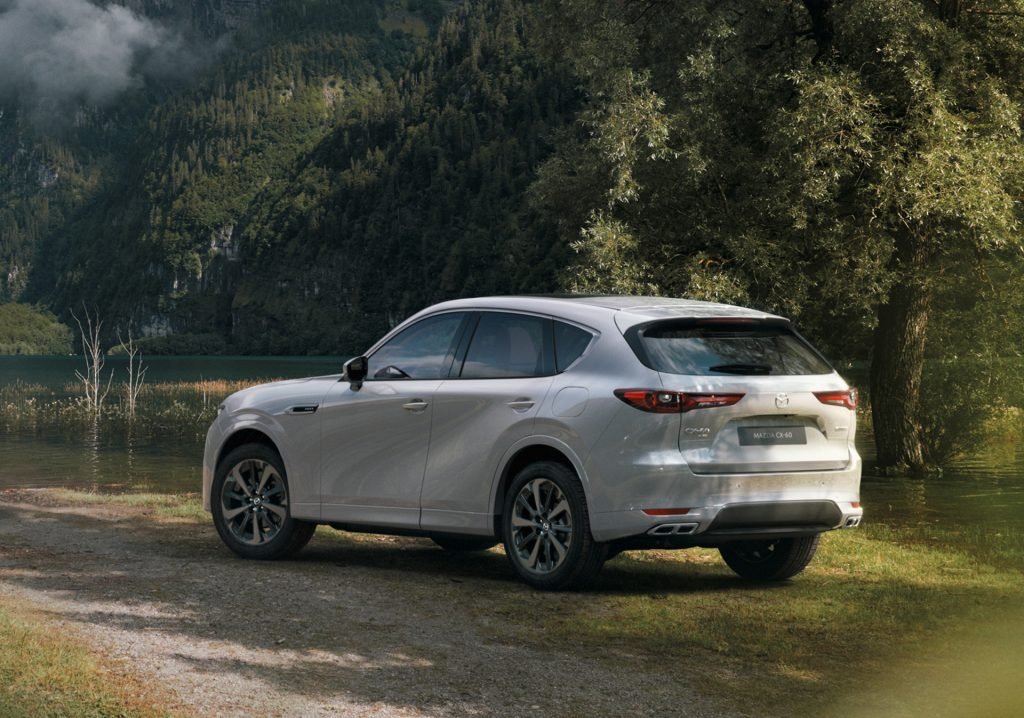
The Mazda CX-60 and CX-80 aren’t just great SUVs; they represent the successful culmination of Mazda’s ambition. They take the brand’s reputation for great design and driving pleasure and inject it with premium, rear-wheel-drive-biased engineering, advanced technology, and genuine high-quality craftsmanship.
Whether you opt for the focused two-row CX-60 or the versatile three-row CX-80, you are getting a distinctive, luxurious, and beautifully engineered vehicle that truly stands apart in the competitive SUV landscape.
Leave a Reply