
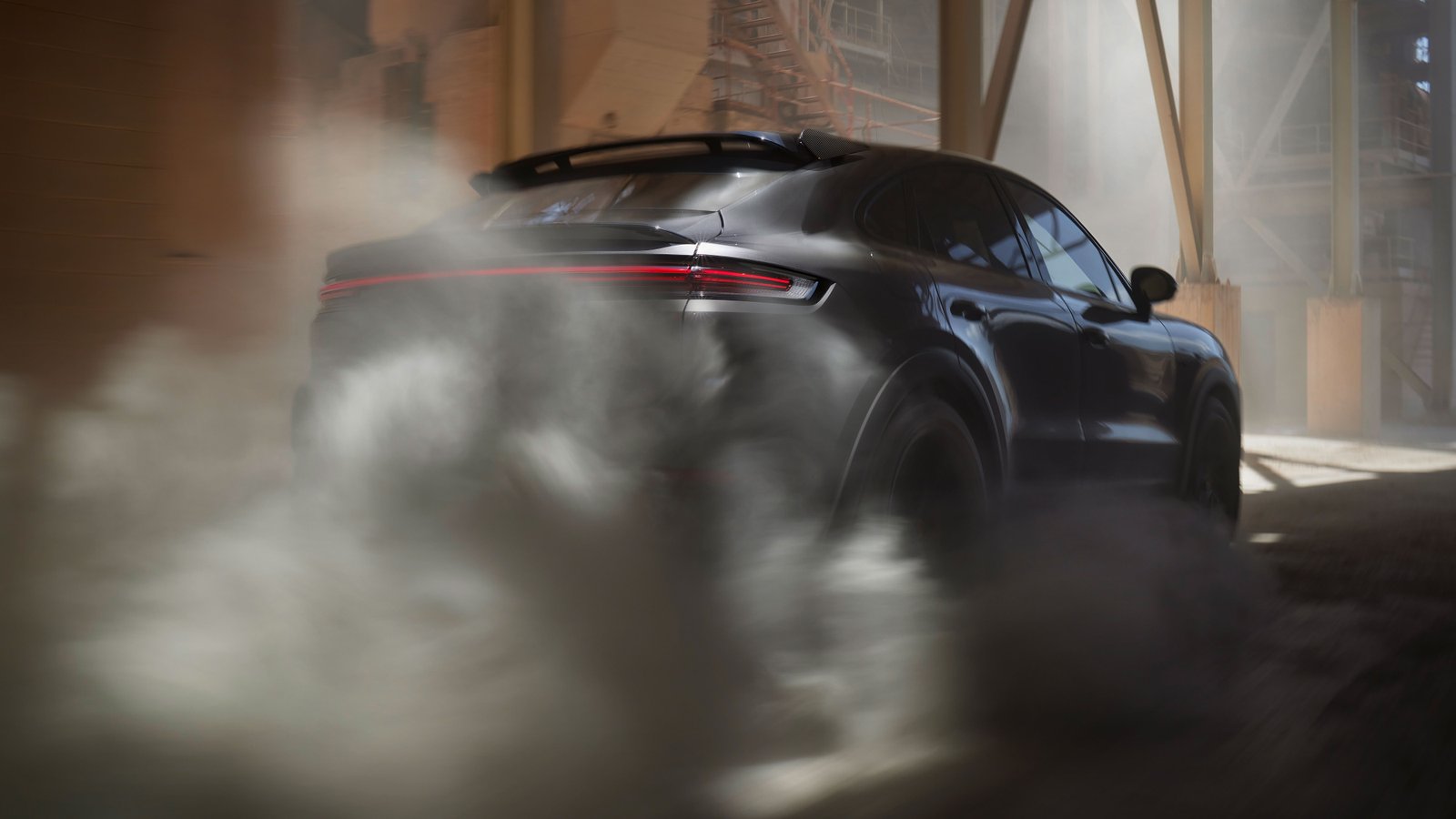
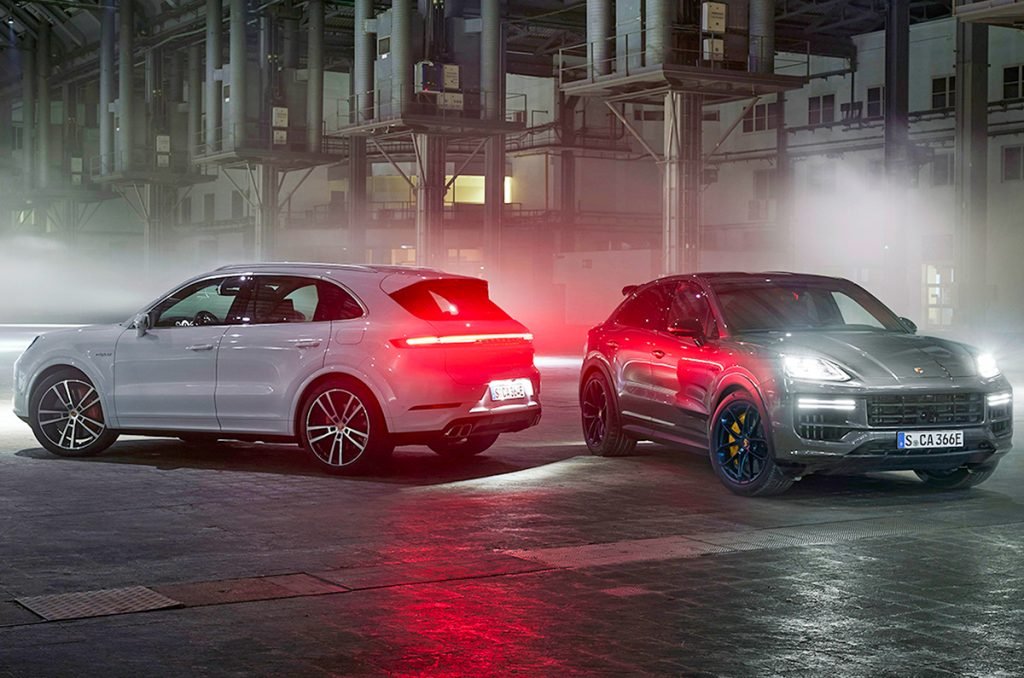
In 2020, Porsche offered five primary flavors of the Cayenne (plus their “Coupe” variants). Here is how they stack up technically and mechanically.
Performance Specs at a Glance
| 2020 Trim | Engine | Horsepower | 0–60 MPH | Top Speed |
| Cayenne (Base) | 3.0L Turbo V6 | 335 hp | 5.9s | 152 mph |
| Cayenne S | 2.9L Twin-Turbo V6 | 434 hp | 4.9s | 164 mph |
| Cayenne GTS | 4.0L Twin-Turbo V8 | 453 hp | 4.5s | 167 mph |
| Cayenne Turbo | 4.0L Twin-Turbo V8 | 541 hp | 3.9s | 177 mph |
| Turbo S E-Hybrid | 4.0L V8 + Electric | 670 hp | 3.6s | 183 mph |
1. The 2020 Porsche Cayenne (Base)
The entry point features a single-turbo 3.0L V6. It’s the “sensible” choice, though “sensible” in a Porsche still means a sub-6-second 0–60 time.
- The Vibe: High-end daily utility.
- Standard Gear: 19-inch wheels, LED headlights, and the 12.3-inch “Porsche Advanced Cockpit” infotainment.
- It is the only trim that feels “light” in the steering, making it excellent for city driving.
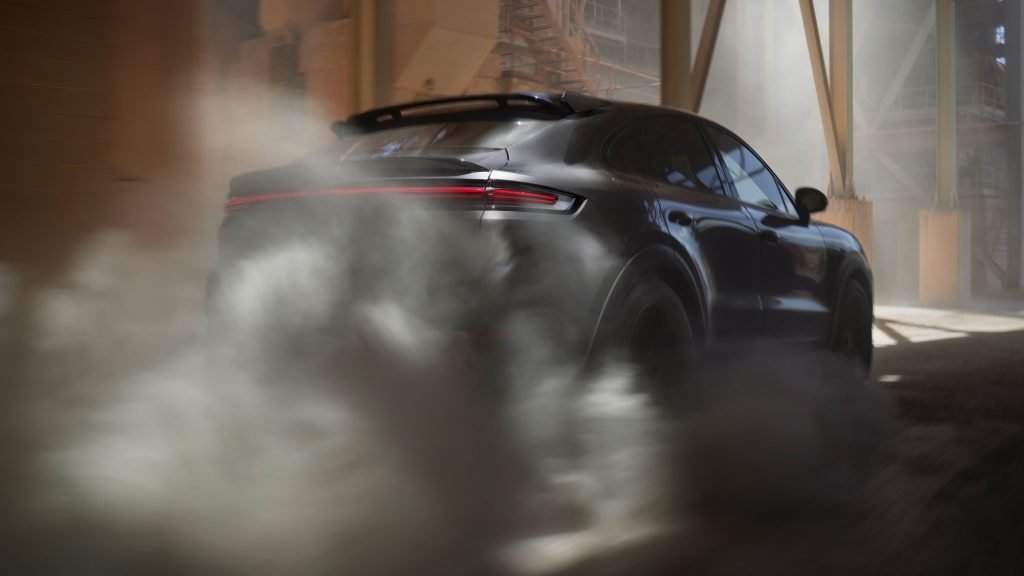
2. The 2020 Porsche Cayenne S
The “S” utilizes a smaller but more potent 2.9L Twin-Turbo V6 (shared with the Audi RS5). It offers a massive jump in mid-range torque compared to the base.
- The Vibe: The enthusiast’s sweet spot.
- Standard Gear: Adds PASM (Porsche Active Suspension Management) and a panoramic sunroof as standard.
- This is often cited by reviewers as the best value because it feels significantly faster than the base without the Turbo’s six-figure maintenance profile.
3. The 2020 Porsche Cayenne GTS
2020 was a big year for the GTS because Porsche ditched the V6 from previous years and went back to a 4.0L Twin-Turbo V8.
- The Vibe: The “Acoustic” choice. It’s tuned for sound and cornering.
- Standard Gear: Sits 20mm lower than the Cayenne S, features the Sport Design package (blacked-out trim), and a unique Sport Exhaust system.
- The GTS is more about emotion than raw numbers. It’s the one you buy if you want the SUV to feel like a 911.
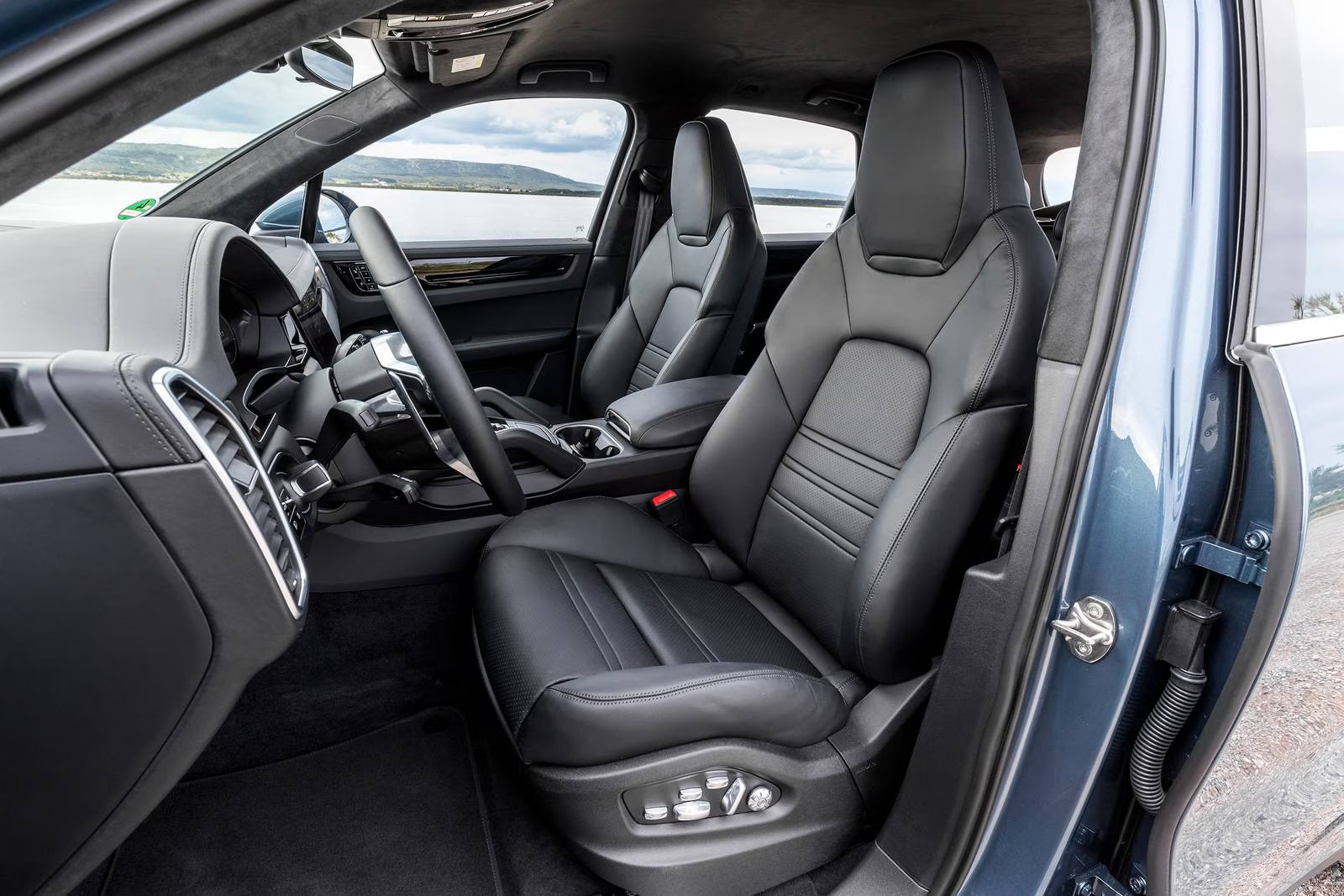
4. The 2020 Porsche Cayenne Turbo
This is the “Old School” flagship. Pure V8 power with no electric assistance. It uses a 4.0L V8 that produces a wall of torque.
- The Vibe: Effortless, physics-defying speed.
- Standard Gear: 21-inch wheels, adaptive air suspension, and specialized “Tungsten Carbide” coated brakes (PSCB) which reduce brake dust.
- It has the active roof spoiler (on the standard body) which can actually act as an air brake—a feature usually reserved for supercars.
5. The 2020 Porsche Cayenne Turbo S E-Hybrid
The “Alpha” of the Cayenne. It took the Turbo’s V8 and added a 134 hp electric motor. It was the most powerful Porsche SUV ever made at the time of its release.
- The Vibe: The “Do-it-all” Hyper-SUV.
- Standard Gear: Everything. Carbon Ceramic Brakes (PCCB), PDCC (Active Roll Stabilization), and Torque Vectoring (PTV+) are all standard.
- Blog Tip: It can drive about 12–15 miles on pure electricity. It’s the heaviest model (over 5,600 lbs), but the instant electric torque makes it feel like the fastest off the line.
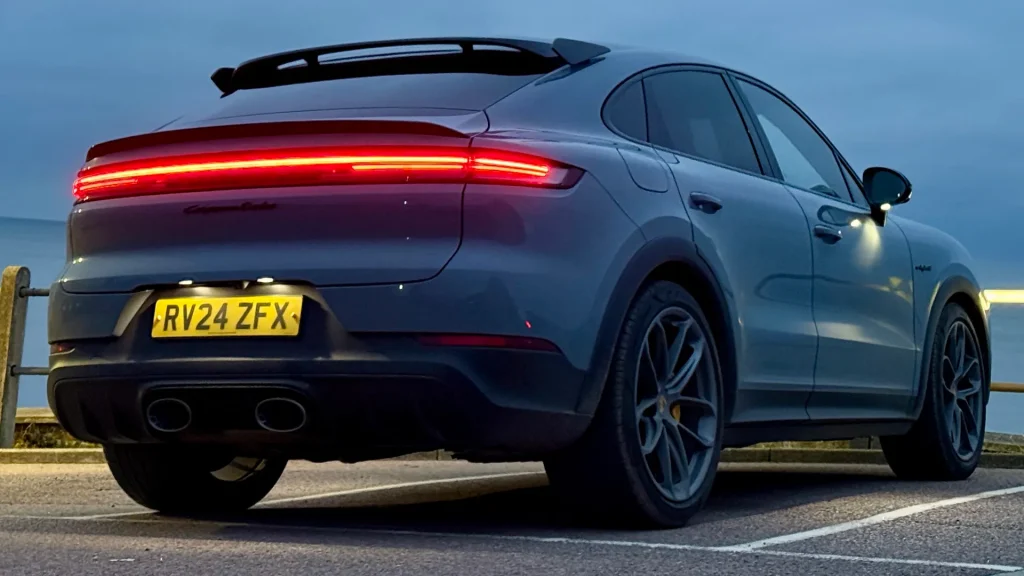
Key Difference: SUV vs. Coupe
In 2020, Porsche launched the Cayenne Coupe for every trim.
- The Coupe has a sharper roofline, an integrated rear spoiler, and comes standard with the Sport Chrono Package.
- The SUV has more cargo space (approx. 27 cubic feet vs. 22 in the Coupe) and a slightly more “understated” look.
Leave a Reply