
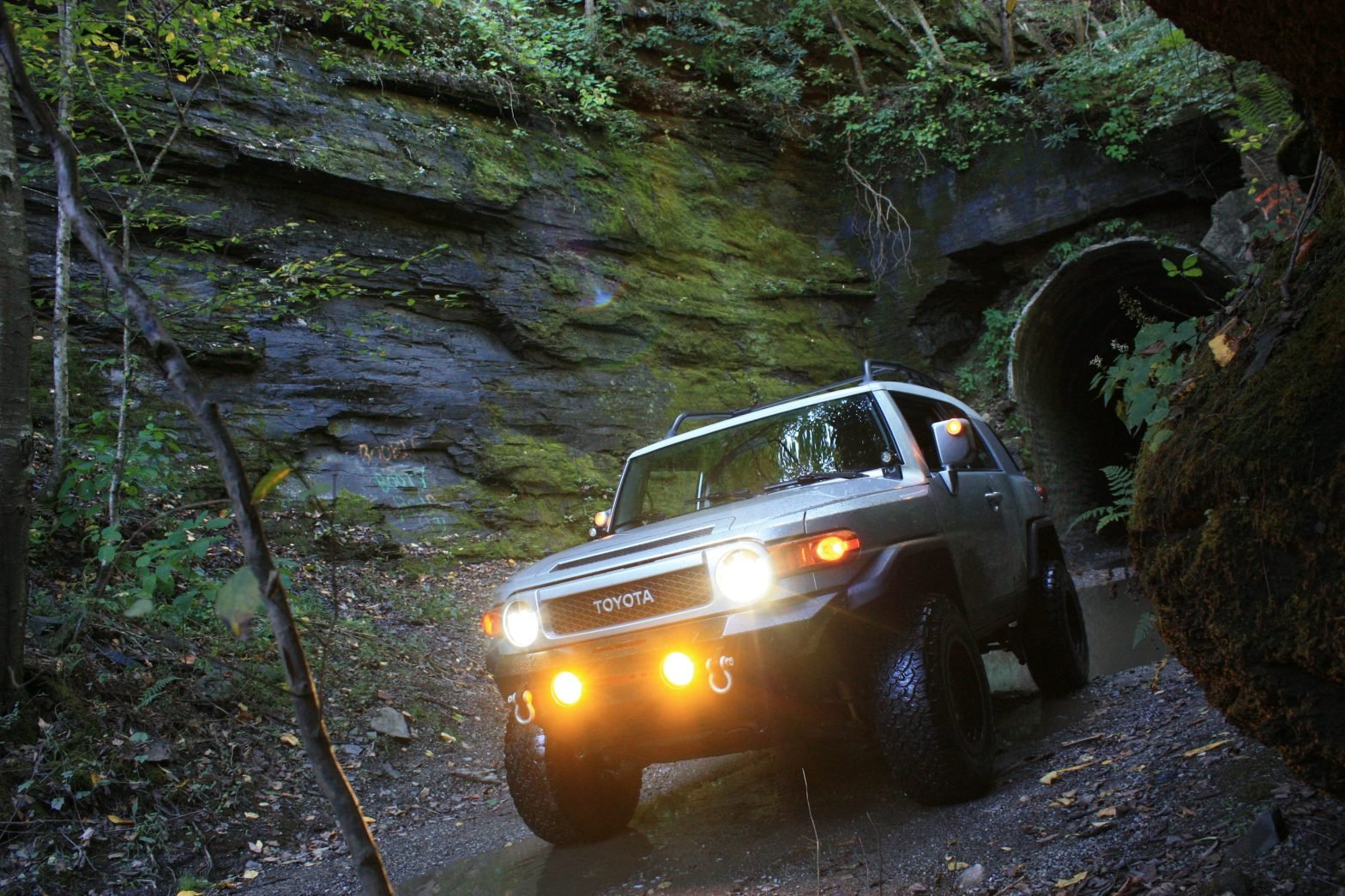

In the Kenyan automotive landscape, few vehicles command as much instant recognition and respect as the Toyota FJ Cruiser. Originally conceived as a retro-inspired homage to the legendary FJ40 Land Cruiser, the 2020 model represents the pinnacle of this “modern-classic” era before the lineage shifted toward the compact 2026 “Baby FJ.” In a market dominated by the ubiquitous Land Cruiser Prado, the FJ Cruiser stands out as a bold, non-conformist choice for the Kenyan adventurer—blending Toyota’s legendary 4×4 reliability with a “go-anywhere” attitude that is just as at home navigating the rugged trails of Samburu as it is making a statement on the streets of Nairobi.
Let’s dive in.
Exterior Design Philosophy: “Modern-Retro”
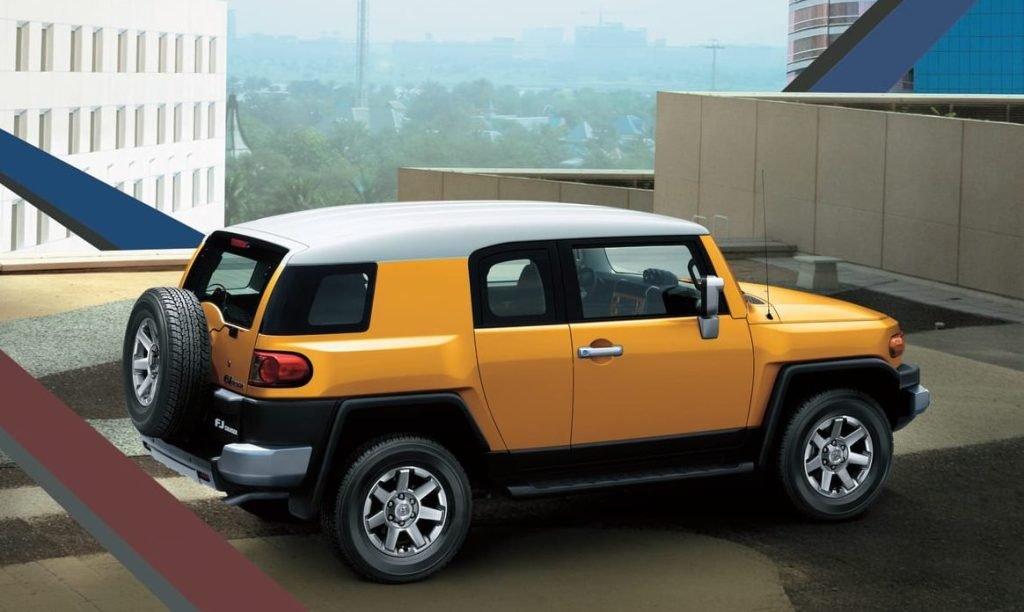
The FJ Cruiser’s design is a deliberate “hat tip” to the original FJ40 Land Cruiser of the 1960s. Its philosophy centers on utilitarian heritage rather than aerodynamic sleekness.
- Iconic Cues: It retains the signature white roof (designed to reflect heat), round halogen headlights, and the “TOYOTA” spelled out on the mesh grille instead of the corporate logo.
- Purposeful Geometry: The boxy silhouette isn’t just for looks; it provides a high-waisted bumper and short overhangs, resulting in a 34° approach angle and a 30° departure angle.
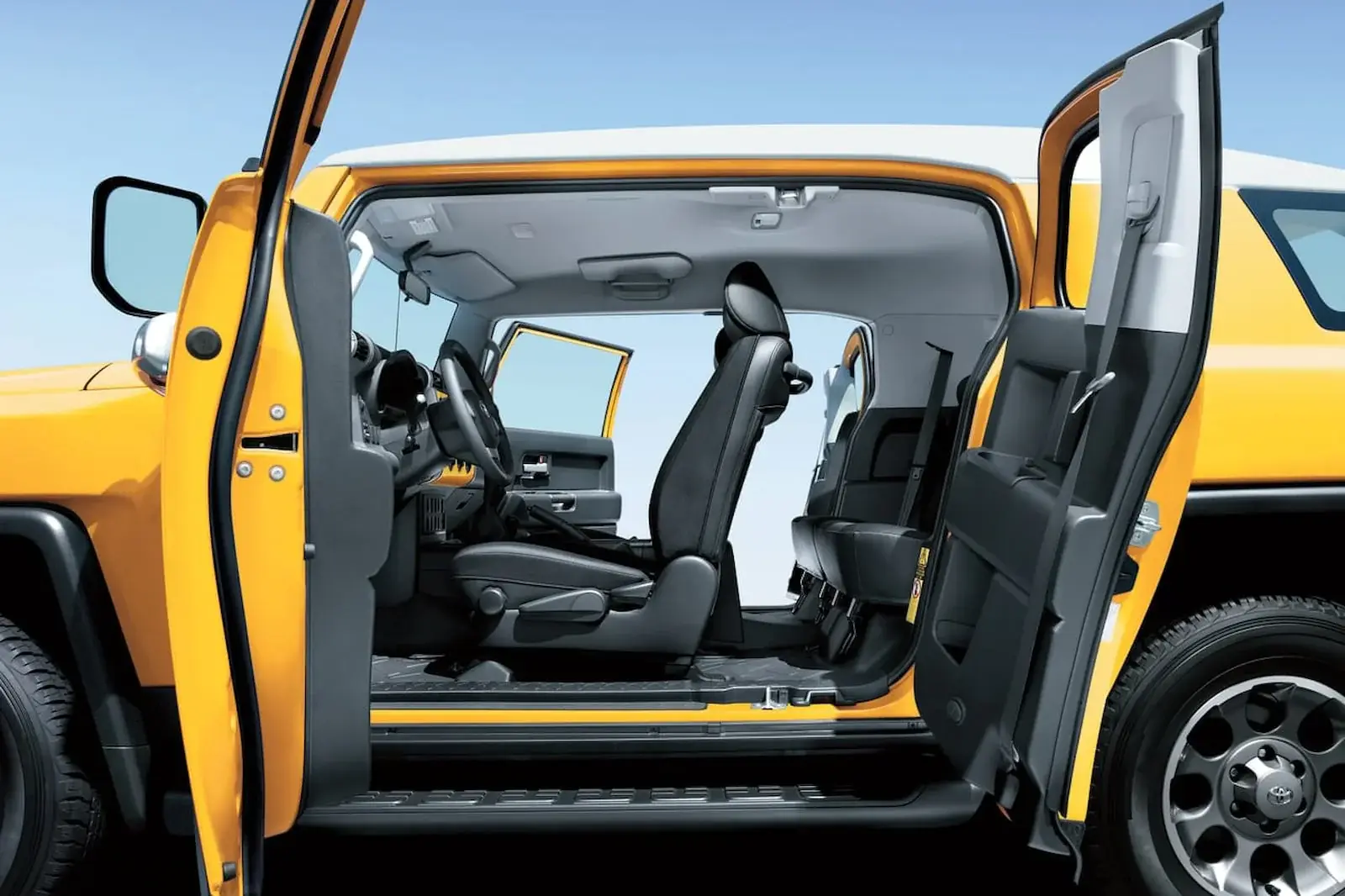
- The “Suicide” Doors: Formally known as access doors, the rear-hinged half-doors allow for a pillar-less opening, making it easier to load gear, though they require the front doors to be opened first.
- Rugged Details: Expect 17-inch alloy wheels, a full-size rear-mounted spare, and three windshield wipers to cover the nearly vertical, extra-wide glass.
Interior Design and Luxury Features
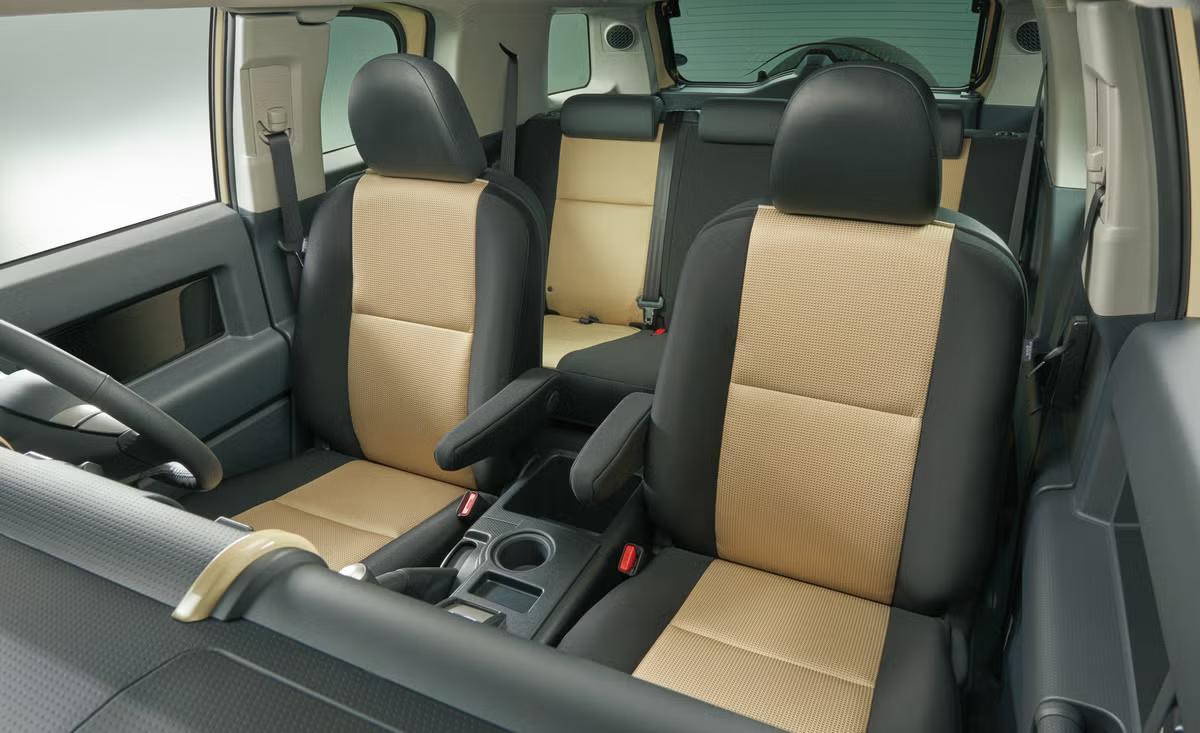
If you are looking for soft-touch leather and wood grain, the FJ is not your vehicle. Its interior is built to be “hose-out” practical.
- Durability Over Pomp: The seats are upholstered in water-resistant fabric, and the floors are lined with gray rubber mats instead of carpet to handle mud and sand.
- Tactile Controls: Knobs and handles are oversized so they can be operated even while wearing heavy off-road gloves.
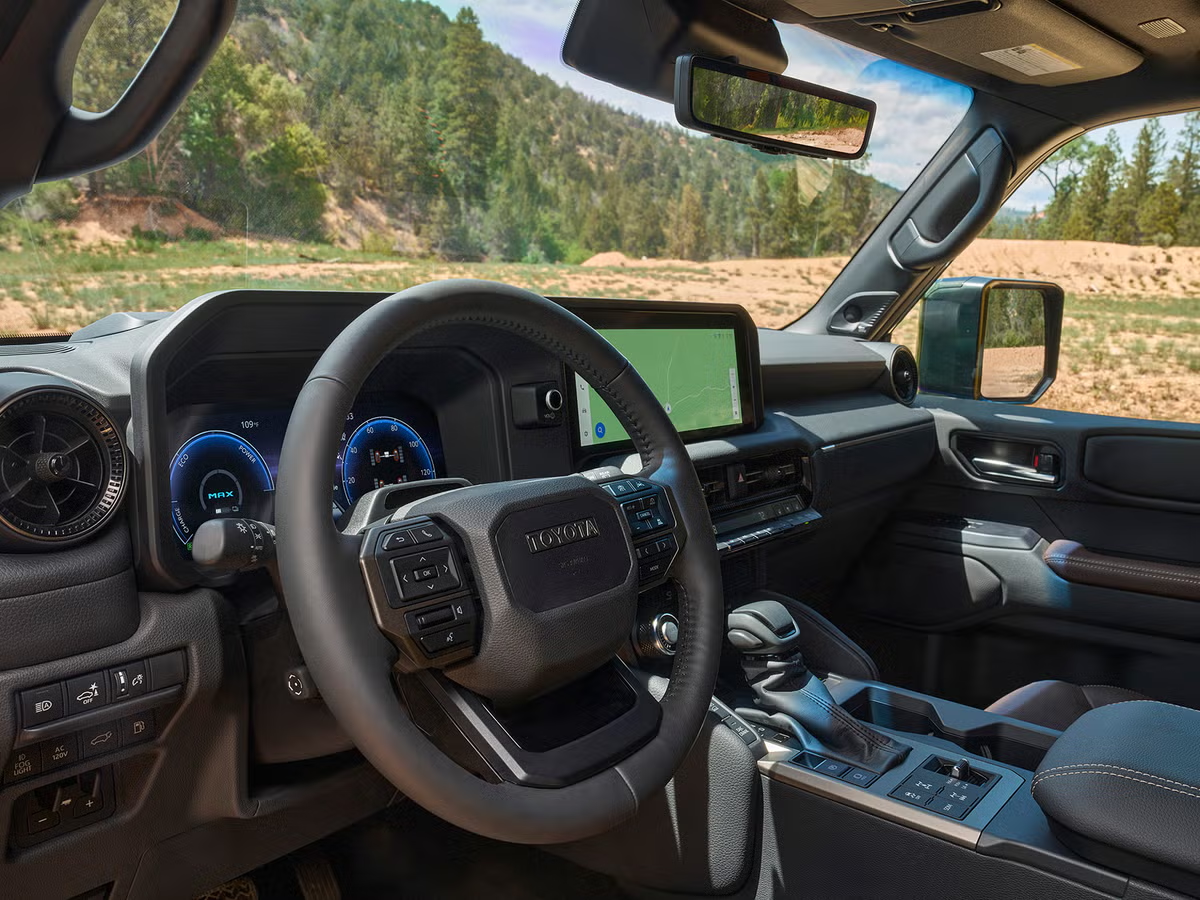
- Modern Tech (2020 Refresh): Unlike older models, many 2020 units come equipped with a 12-inch infotainment screen featuring Apple CarPlay, Android Auto, and a reverse camera.
- Luxury Touches: While utilitarian, it often includes a leather-trimmed steering wheel, a center console cool box, and an 8-to-10 speaker premium audio system to keep the cabin lively during long expeditions.
Engine Option
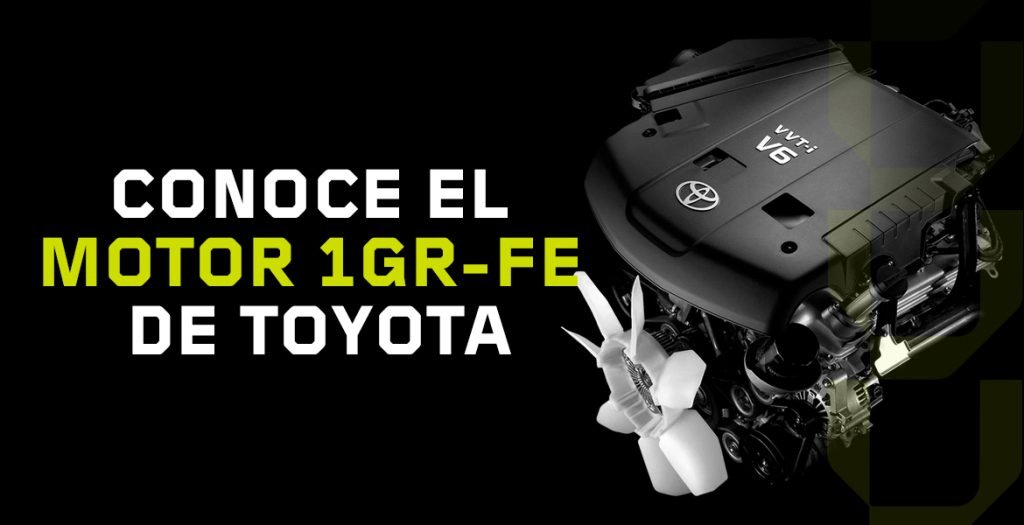
The 2020 FJ Cruiser keeps it simple with a single, bulletproof powertrain. There is no diesel or hybrid option; it relies on raw displacement and reliability.
- Engine: 4.0-Litre V6 Petrol (1GR-GE)
- Valve Train: 24-Valve DOHC with Dual VVT-i
- Fuel System: Electronic Fuel Injection (EFI)
- Fuel Capacity: It features a massive 159-litre dual tank (72L + 87L), essential for long-range overland travel where fuel stations are scarce.
4. Powertrain, Power Figures, and Off-Road Prowess
The FJ Cruiser is a specialized tool. It uses a ladder-frame chassis (modified from the Land Cruiser Prado 120) which gives it immense structural rigidity.
| Feature | Specification |
| Max Power | 270 hp (200 kW) @ 5,600 rpm |
| Max Torque | 380 Nm @ 4,400 rpm |
| Transmission | 5-Speed Automatic |
| Drivetrain | Part-time 4WD |
| Ground Clearance | 245 mm |
Off-Road Features:
- Crawl Control: Automatically manages throttle and brakes at ultra-low speeds so the driver can focus entirely on steering through rocks or sand.
- A-TRAC (Active Traction Control): Specifically tuned for slippery surfaces, it brakes spinning wheels to send torque to those with grip.
- Rear Differential Lock: A physical lock for the rear axle to ensure both wheels spin at the same speed in deep mud or steep climbs.
5. Pricing in Kenya (2026 Market Context)
In Kenya, the FJ Cruiser is a “cult classic.” Because production was limited and the demand for rugged 4x4s is high, they hold their value better than almost any other SUV.
- 2020 Foreign Used (Unit Imports): Expect to pay between KSh 6.2 Million and KSh 8 Million depending on the mileage, color (Yellow and Cement Gray command premiums), and the presence of TRD (Toyota Racing Development) accessories.
- Ownership Costs: While the initial purchase is high, the FJ is considered cheaper to maintain than a Range Rover or even some European SUVs because it shares many mechanical parts with the ubiquitous Toyota Hilux and Prado.

Competitors Against the FJ Cruiser
In Kenya, the FJ Cruiser occupies a unique space between “lifestyle SUV” and “hardcore overlander.” Its main rivals include:
- Jeep Wrangler (JL Series): The FJ’s most direct global rival. While the Wrangler offers better “open-air” driving (removable doors/roof) and slightly better rock-crawling due to its solid front axle, the FJ Cruiser is generally considered more reliable for long-distance African expeditions.
- Land Rover Defender (Classic & New L663): In 2020, the new Defender was just hitting the market. While the Defender offers far more luxury and sophisticated air suspension, the FJ Cruiser is preferred by those who want “analogue” reliability that any mechanic in rural Kenya can fix.
- Toyota Land Cruiser Prado (150 Series): Interestingly, the FJ’s biggest rival is often its “civilized” brother. They share the same engine and chassis, but the Prado offers 7 seats, better visibility, and a diesel option, which is often preferred in Kenya for fuel economy.
- Suzuki Jimny (JB74): Though much smaller, the Jimny is often cross-shopped with the FJ by enthusiasts. It offers a similar “retro-box” aesthetic and incredible off-road capability at nearly half the price, though it lacks the FJ’s power and towing capacity.
Disadvantages of the FJ Cruiser
Despite its cult following, the FJ Cruiser has several “quirks” that can make it a challenging daily driver:
- “Tank-like” Visibility: The thick C-pillars (the rear corners of the car) and the nearly vertical windshield create massive blind spots. Navigating tight Nairobi traffic or changing lanes requires extra caution and a heavy reliance on mirrors and cameras.
- Impractical Rear Access: The “suicide” doors are stylish but polarizing. Passengers in the back cannot exit unless the front door is opened first. Furthermore, the rear windows do not open, which can make the back seat feel claustrophobic for some.
- Thirst for Fuel: The 4.0L V6 is famously thirsty. In stop-and-go traffic, expect fuel consumption to hover around 6–8 km/L. While the 159-litre dual tank gives you great range, filling it from empty to full is a significant expense.
- Windshield Vulnerability: Because the windshield is almost vertical, it doesn’t “deflect” stones as well as slanted glass. FJ owners frequently report more chips and cracks from highway debris than drivers of other SUVs.
- Limited Interior Storage: Despite its size, the cabin feels a bit cramped for five adults, and the boot space is relatively small compared to a Prado or a Land Cruiser 76 Series.
Summary Table: Pros vs. Cons
| Pros | Cons |
| Unbeatable Resale Value in Kenya | Massive Blind Spots |
| Bulletproof V6 Reliability | High Fuel Consumption (Petrol only) |
| Iconic, Head-turning Design | Awkward Rear Door Entry |
| Elite Off-road Technology (Crawl Control) | Tight Rear Legroom |
A Peep into the 2026 Toyota FJ Cruiser
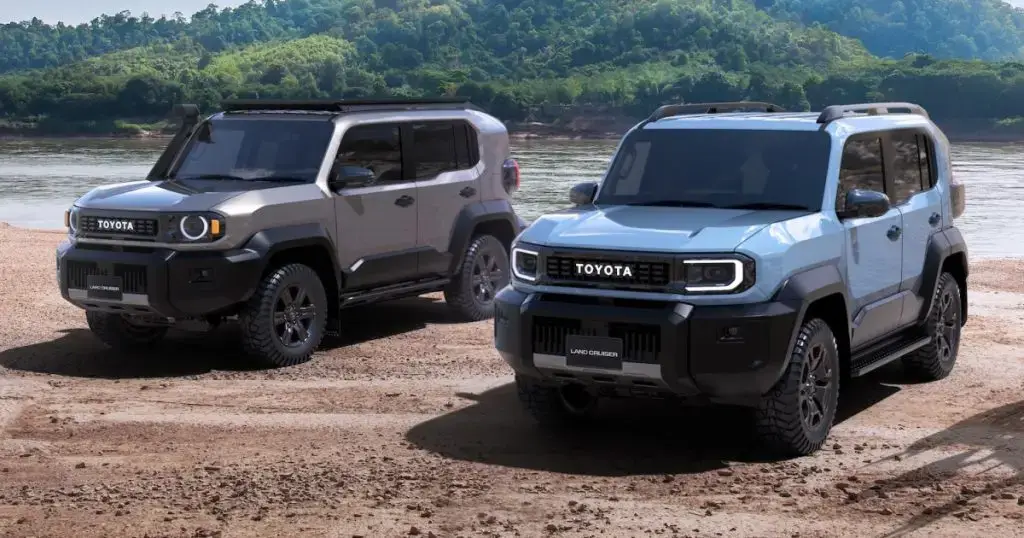
The 2026 Toyota Land Cruiser FJ, dubbed the “Baby Land Cruiser,” is a compact, retro-inspired SUV built on the rugged Hilux-based IMV-0 ladder-frame chassis, trading the old 4.0L V6 for a more fuel-efficient 2.7L four-cylinder engine (163 hp and 246 Nm of torque). Designed for agility and affordability, it features a tighter turning radius of 5.5 meters, modular removable bumpers for easy repair, and a modern-utilitarian interior equipped with a 12.5-inch touchscreen and MOLLE gear panels. Positioned to compete with the Suzuki Jimny and Jeep Wrangler when it arrives in Kenya later this year, it is expected to be priced between KSh 7.5 Million and KSh 9 Million, offering a lighter, more city-friendly alternative to the classic FJ Cruiser while maintaining genuine part-time 4WD off-road DNA.
Leave a Reply