Starting July 1, 2025, the Kenya Revenue Authority (KRA) has rolled out a significant update to the Current Retail Selling Price (CRSP) system, marking the first major revision since 2019. This change has sent ripples through Kenya’s automotive industry, impacting importers, dealers, and car buyers alike. In this blog post, we’ll dive into the details of the CRSP 2025 update, explore its implications, and offer insights for navigating this new tax landscape.
What is CRSP?
The Current Retail Selling Price (CRSP) is a standardized pricing framework used by the KRA to determine the customs value of imported used motor vehicles. It reflects the market retail price of a vehicle as if it were brand new in Kenya, adjusted for depreciation based on the vehicle’s age. This customs value serves as the basis for calculating import duties, excise taxes, Value Added Tax (VAT), and other levies, ensuring consistency and reducing disputes over vehicle valuations. Unlike invoice-based systems that rely on the purchase price, the CRSP provides a fixed benchmark to prevent under-invoicing and ensure fair taxation.
Why the CRSP Update in 2025?
The 2025 CRSP update was driven by several factors that necessitated a recalibration of the system:
- Outdated 2019 CRSP List: The previous CRSP list, unchanged since 2019, no longer reflected current market realities. New vehicle models, technological advancements, and economic shifts had rendered it obsolete.
- Economic Changes: The Kenyan shilling has weakened significantly, moving from approximately KES 100 to KES 130 per USD since 2019. This, combined with rising global vehicle prices, increased the cost of imports.
- Tax Rate Adjustments: Import duty rates have risen from 25% in 2019 to 35% in 2025, and excise duty for some vehicle types has increased from a maximum of 30% to 35%. These changes required an updated CRSP to align with the new tax regime.
- New Vehicle Models: The 2019 list included about 3,000 vehicle models, while the 2025 update covers over 5,200 unique models, incorporating newer trims and performance specifications for greater accuracy.
- Stakeholder Feedback and Legal Compliance: Previous attempts to update the CRSP in 2020 were halted due to legal challenges over inadequate public participation. The 2025 revision followed extensive consultations with stakeholders, including the Kenya Auto Bazaar Association (KABA), Car Importers Association of Kenya (CIAK), and Kenya International Freight Forwarders & Warehousing Association (KIFWA), ensuring compliance with court orders and constitutional requirements.
Key Changes in CRSP 2025
The 2025 CRSP introduces several critical updates that reshape how import taxes are calculated:
- Expanded Vehicle Database: The new list includes over 5,200 vehicle models, up from 3,000 in 2019. It incorporates detailed specifications like trim levels and performance metrics, moving beyond the 2019 reliance on engine size and drivetrain configuration. However, some models, such as the Toyota Vitz (non-hybrid) and Subaru Impreza G4, are missing due to limited data from sources like Japanese Yearbooks and Goo-net. KRA has committed to continuous updates as new data becomes available.
- Increased Tax Rates: The import duty rate is now 35% (up from 25%), and excise duty for some vehicles has risen to 35% (from 30%). These increases, combined with the updated exchange rate (KES 130/USD), significantly raise the tax burden, particularly for budget and mid-range vehicles.
- Depreciation and Age Limits: The CRSP system continues to apply depreciation based on a vehicle’s age, with a maximum depreciation rate of 65% regardless of age. Vehicles older than eight years cannot be imported, maintaining the existing import restriction.
- Tax Calculation Example: Taxes are calculated using the CRSP value, adjusted for depreciation, plus Cost, Insurance, and Freight (CIF). For instance, a Toyota Allion A15 G Plus with a CRSP of KES 3,524,152 would have its customs value determined after depreciation, followed by the application of import duty (35%), excise duty (up to 35%), VAT (16%), Import Declaration Fee (3.5%), and Railway Development Levy (2%).
- Legal and International Compliance: The CRSP system aligns with the World Trade Organization (WTO) Agreement on Customs Valuation and the East African Community Customs Management Act (EACCMA), 2004, ensuring consistency with international standards.
Impact on Vehicle Prices
The CRSP 2025 update has led to significant tax increases for many popular vehicle models, particularly affecting small and mid-range cars. Here are some examples from the updated schedule:
- Toyota Vitz Hybrid F
- Mazda CX-5 2.2 XD L
- Toyota Premio 2.0G
- Prado TX-L-E4
- Porsche 911 Turbo S
- BMW M5 Competition
- Toyota Harrier
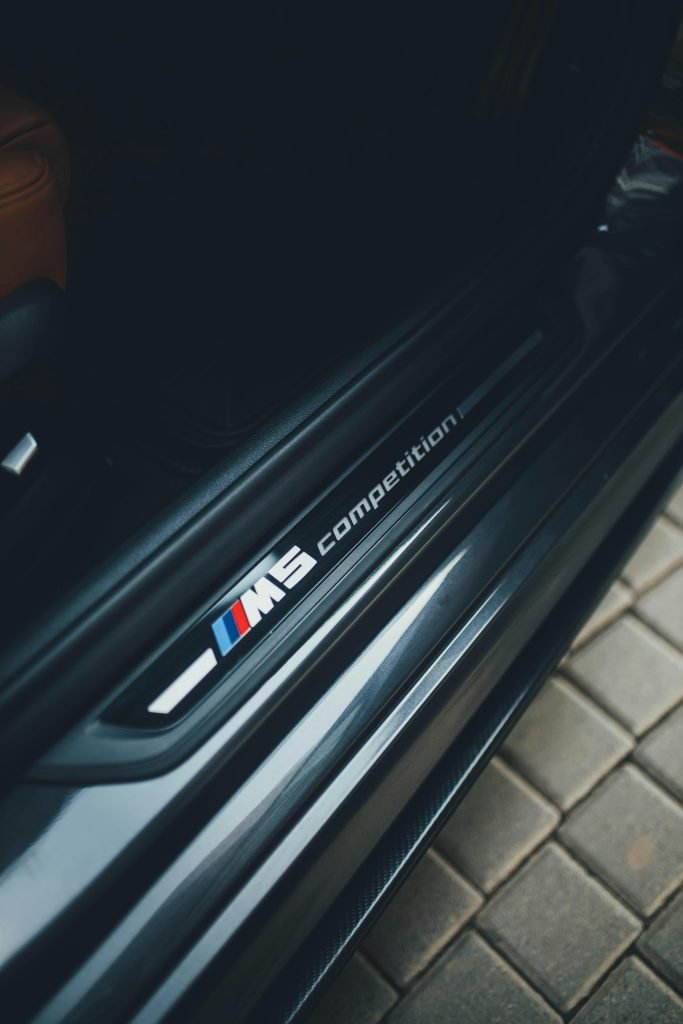
These price hikes, driven by higher CRSP values, increased duty rates, and exchange rate adjustments, make vehicles like the Toyota Vitz and Nissan Note less affordable for middle-income earners, while luxury models face even steeper tax burdens.
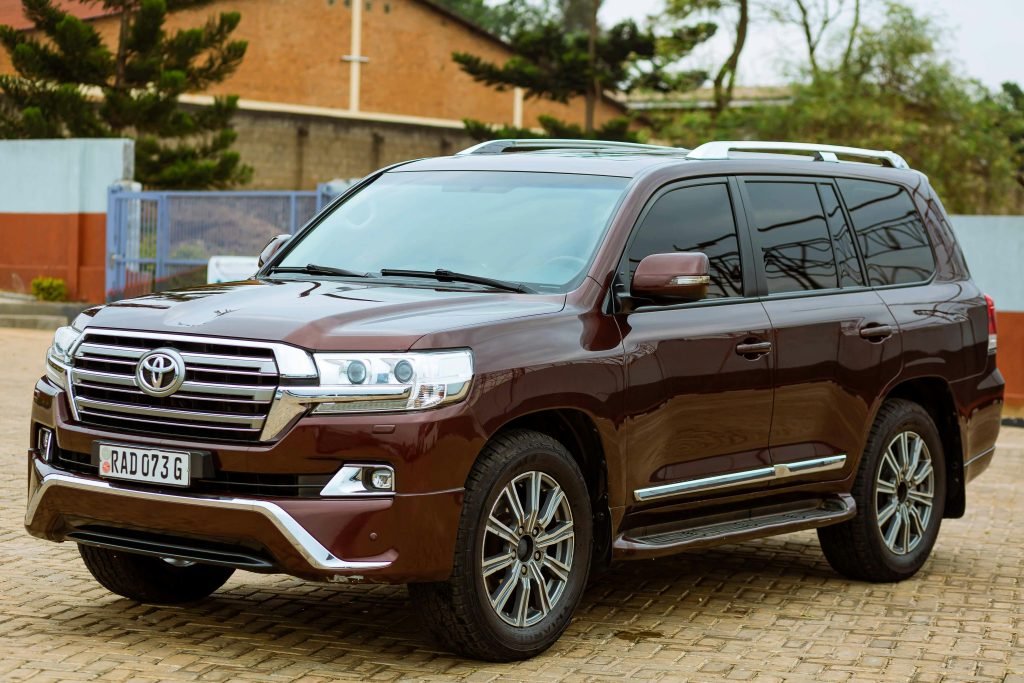
Equally, this update has led to significant tax decrease for other car models like:
- Toyota Land Cruiser 200/300 Series ZX
- Lexus LX 570
- Porsche Cayenne
- Volkswagen Tiguan 1.4 TSI
- Honda Vezel
- And others
Stakeholder Reactions and Legal Challenges
The CRSP update has sparked mixed reactions. While KRA defends the changes as necessary to reflect market realities and reduce tax evasion, car importers and dealers have raised concerns:
- Opposition from Dealers: The Kenya Auto Bazaar Association (KABA) has highlighted the steep tax increases, particularly for small-engine vehicles popular in the taxi industry, arguing that they make cars like the Vitz and Demio unaffordable.
- Legal Challenge: On July 1, 2025, the High Court halted the CRSP implementation pending a hearing, following a petition claiming insufficient public participation. The petitioner argued that the process violated constitutional requirements under Articles 10 and 201, and that the list contained errors, such as missing models and incorrect valuations. The suspension lasts until July 17, 2025, creating uncertainty for importers.
- Stakeholder Support: The Car Importers Association of Kenya (CIAK) supports the move toward a more transparent system but emphasizes the need for clear guidelines and adequate transition time.
Transition to a Transaction Value System
Initially, reports suggested that KRA would replace the CRSP with a Transaction Value system, where taxes would be based on the actual invoice price, supported by receipts and shipping records. This shift was intended to align with global best practices and reduce over-taxation. However, KRA clarified that the CRSP system remains in place, with the 2025 update incorporating invoice-based elements for greater accuracy. Importers must now provide detailed documentation, and taxes are adjusted based on CIF values, depreciation, and other charges. This hybrid approach aims to balance fairness with regulatory compliance.
Implications for Importers and Buyers
The CRSP 2025 update has far-reaching effects:
- Higher Costs: Importers face increased tax burdens, particularly for small and mid-range vehicles, which may reduce import volumes (already down from 200,000 to 70,000 annually).
- Shift to Local Markets: With rising import costs, buyers may turn to locally used vehicles to avoid taxes. Platforms like Auto24 Kenya and Peach Cars are promoting local listings as cost-effective alternatives.
- Operational Adjustments: Dealers must adapt pricing strategies and inventory planning, while navigating stricter documentation requirements through the Integrated Customs Management System (iCMS).
- Transparency and Disputes: The updated CRSP aims to reduce valuation disputes, but missing models and legal challenges could complicate implementation.
Navigating the CRSP 2025 Changes
For importers, dealers, and buyers, here are practical steps to adapt:
- Review the CRSP List: Visit the KRA website to familiarize yourself with the updated list and verify your vehicle’s valuation.
- Use Duty Calculators: Online tools like those from AutoProto or CarLuv provide accurate duty estimates based on the 2025 CRSP. Always confirm with KRA or clearing agents for final costs.
- Consider Local Options: Explore locally used cars to avoid import taxes.
- Engage with Industry Bodies: Stay updated through associations like CIAK and KABA, which provide guidance on compliance and advocacy.
- Plan for Documentation: Prepare detailed invoices, payment receipts, and shipping records to comply with the new valuation requirements.
- Monitor Legal Developments: With the High Court’s suspension until July 17, 2025, stay informed about potential changes to the implementation timeline.
Final Thoughts
The CRSP 2025 update is a pivotal shift in Kenya’s vehicle import tax regime, aiming to modernize valuations, enhance transparency, and align with economic realities. While it promises fairer tax assessments, the significant cost increases and legal uncertainties have sparked debate. Importers and buyers must stay proactive, leveraging KRA’s resources and industry support to navigate this new landscape. Whether you’re importing a car or browsing local listings, understanding the CRSP 2025 is crucial for making informed decisions in Kenya’s evolving automotive market.
For the latest updates, check the KRA website or follow industry platforms like Imports By Rigi. Stay informed, plan smart, and drive on
Note: The information in this blog post is based on available data as of July 9, 2025. Given the ongoing legal challenge, importers and buyers should monitor developments closely for potential changes to the CRSP implementation.