

2024 Mitsubishi Outlander PHEV Review:
As electric mobility starts to take off in Kenya, this family-sized SUV is drawing attention for its ability to combine electric range, hybrid efficiency and all-wheel drive practicality with a smaller price tag than its key rivals; the Toyota RAV4 Prime, Honda CR-V PHEV or Kia Sorento PHEV. About two decades ago, Mitsubishi introduced the Outlander, a mid-size crossover that became its global bread and butter. Fast forward to today, the nameplate has evolved into one of the most advanced plug-in hybrid SUVs (PHEVs) on the market. This is the 2024 Mitsubishi Outlander PHEV.

DESIGN
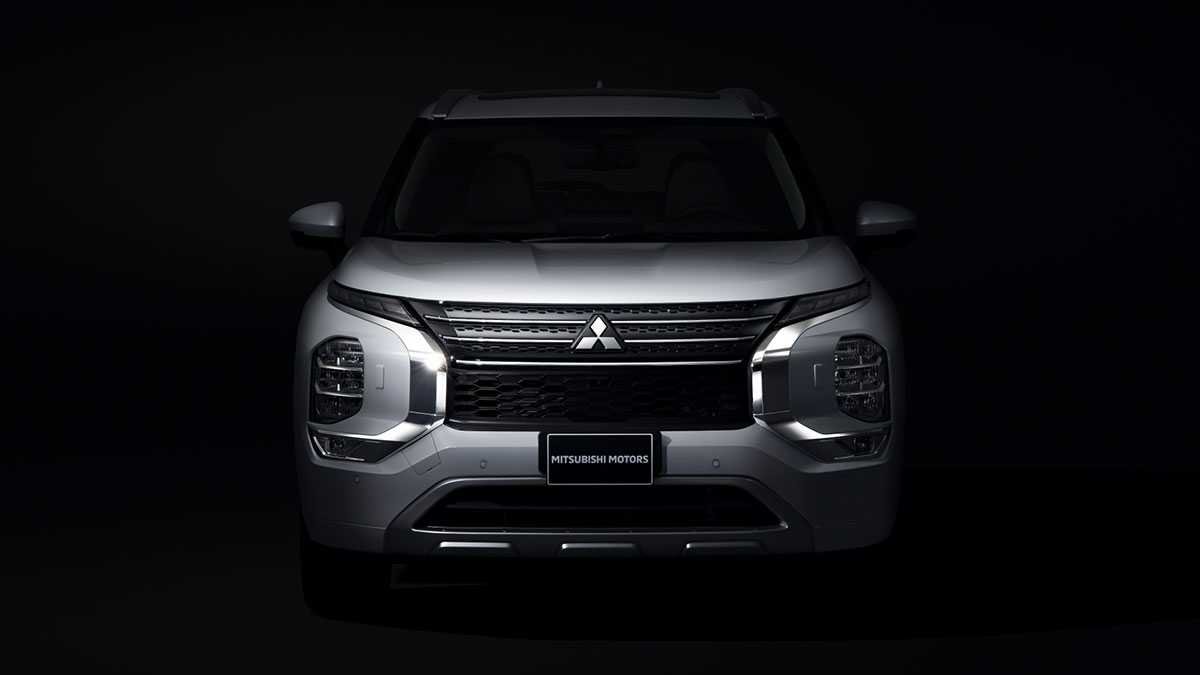
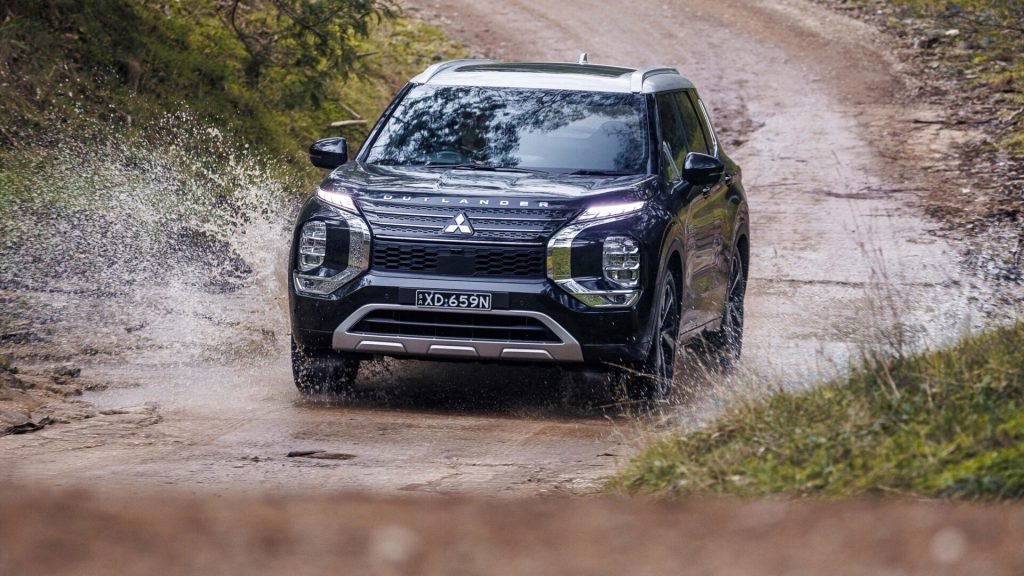
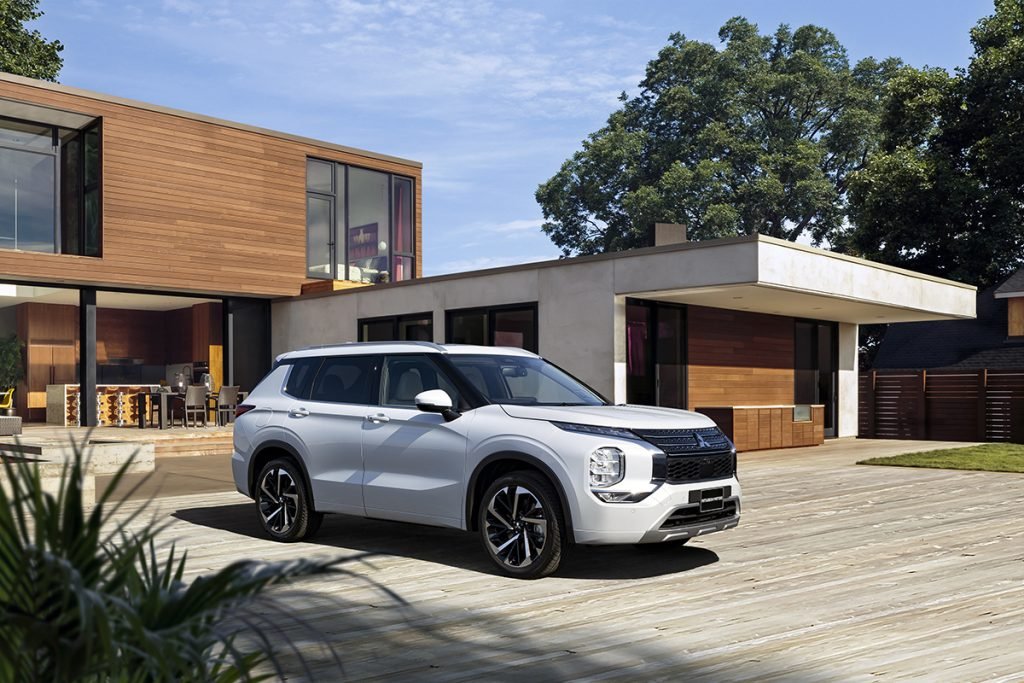
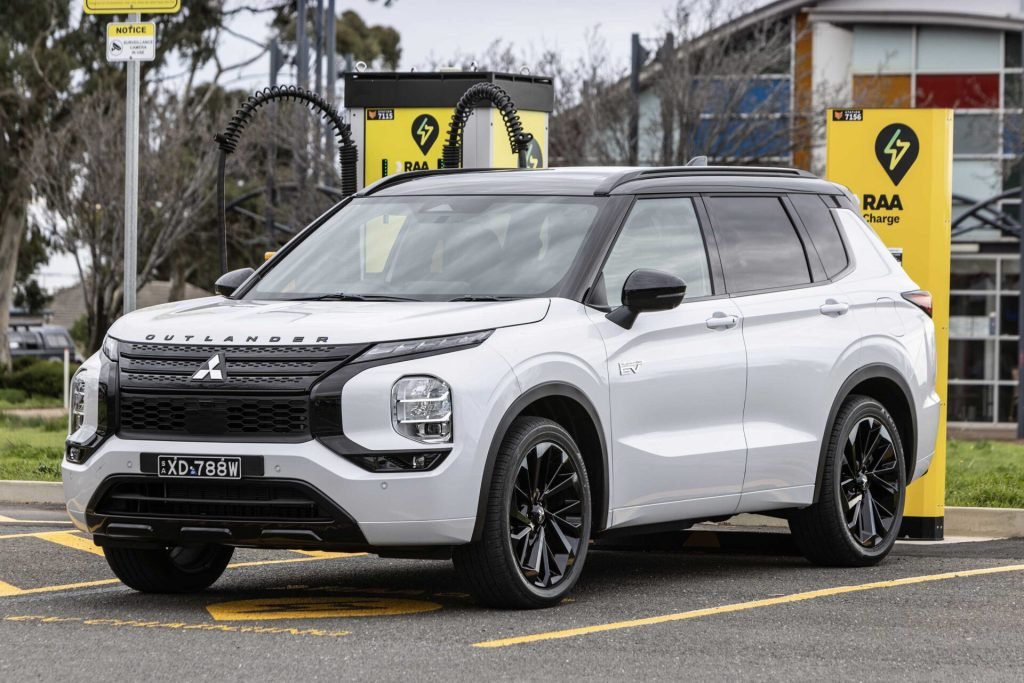
The front of the 2024 Outlander PHEV features the brand’s signature “Dynamic Shield” design language, creating a bold, protective look with a strong presence. The grille is flanked by chrome accents and the bumper is sculpted with subtle skid-plate styling to emphasize ruggedness.
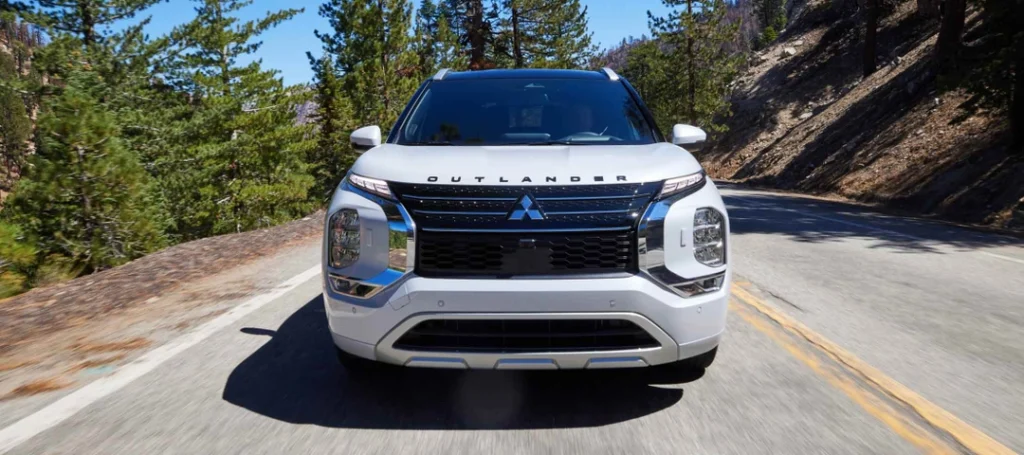
The headlights are sharp and modern: LED low and high beams with auto high-beam capability are standard. The design emphasizes Technology and Visibility, with daytime-running lights (DRLs) wrapping around the front fenders to help with recognition from the side.

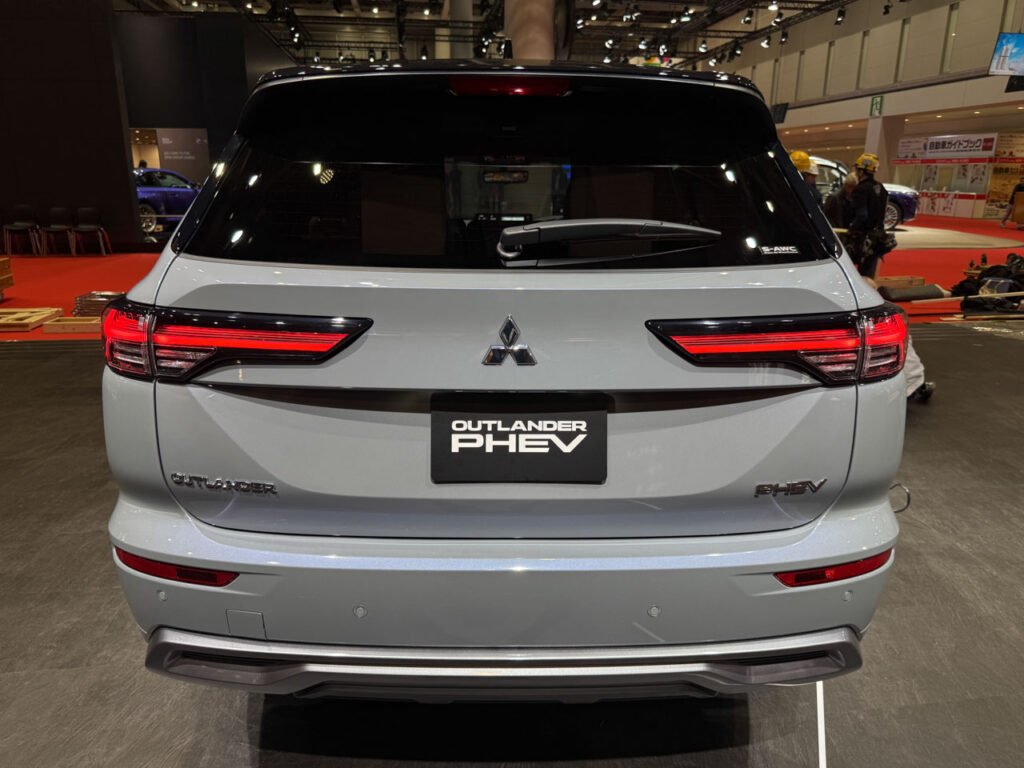
At the rear, the Outlander PHEV presents a wide, stable stance with horizontal LED taillights stretching across the tailgate, reinforcing width and presence. The bumper incorporates accents reminiscent of offroad protection (skid plate styling) and the hatch flows up into a subtle roof spoiler for added flair.
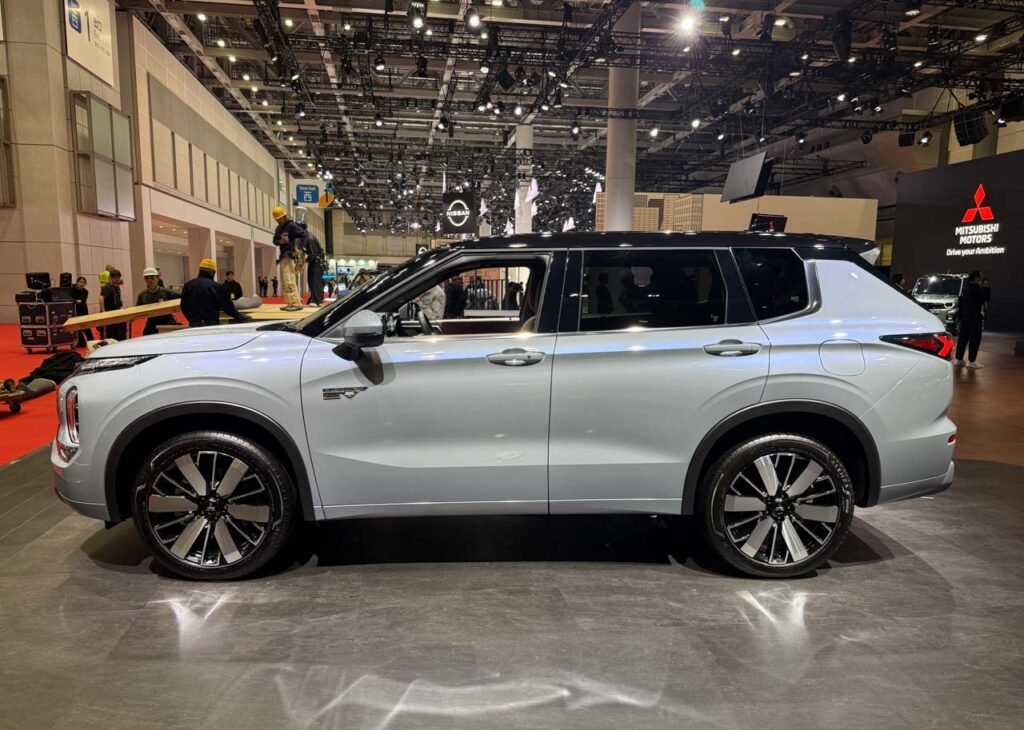
From the side, the Outlander PHEV shows muscular fender flares and a strong horizontal belt line that gives a sense of solidity. Some versions feature a contrasting black roof especially in the Noir Edition and blacked-out A,B & C pillars, giving a floating roof effect and enhancing the dynamic look. The wheel size (18″ or 20″ two-tone alloys in many markets) also adds to the upscale crossover appearance.
INTERIOR
The 2024 Mitsubishi Outlander PHEV offers a refined and versatile interior designed to balance Comfort, Practicality and Premium Appeal.
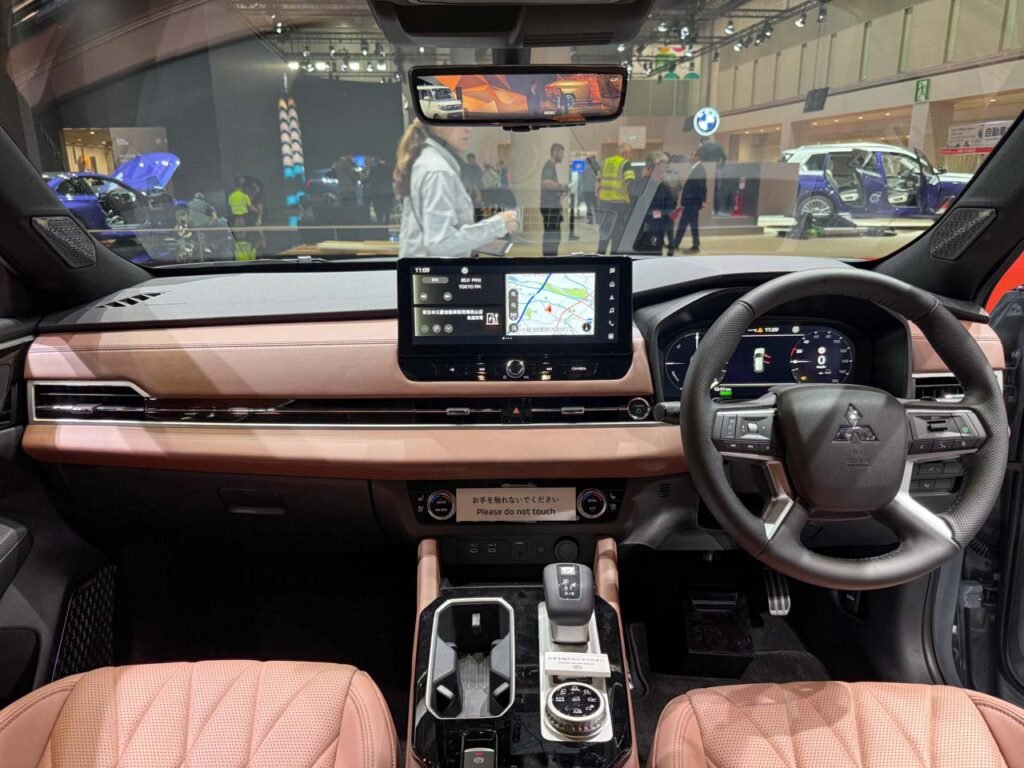
Depending on the trim level, buyers can choose from a variety of upholstery options including durable cloth, synthetic leather, genuine leather and luxurious semi-aniline leather on higher trims. The available color themes such as black, grey and a two-tone black and saddle Tan combination enhance the cabin’s upscale atmosphere. Premium trims feature elegant touches like diamond-quilted leather seats, soft-touch door panels and stitched leather accents across the dashboard, creating a sophisticated environment for both driver and passengers.
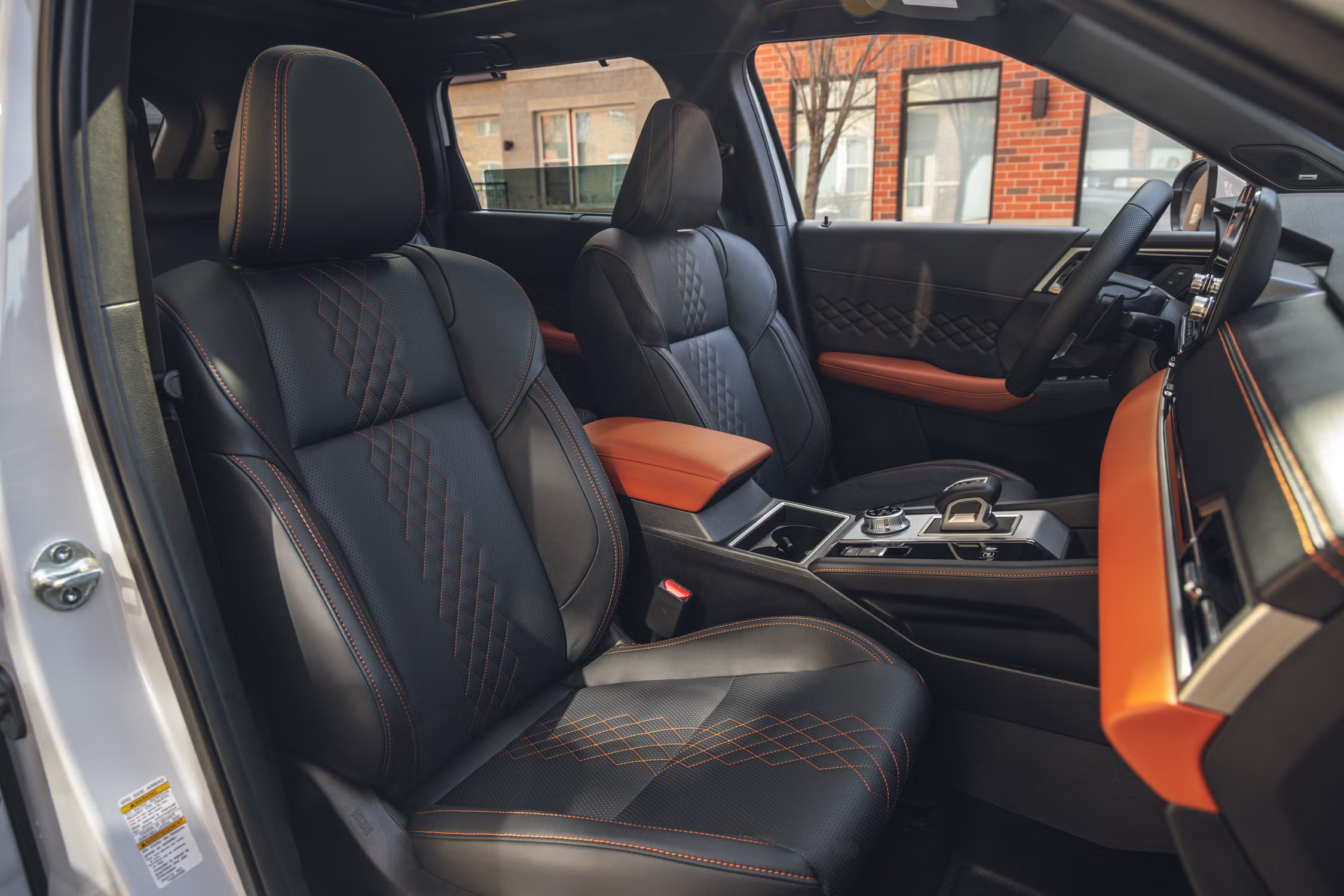
In terms of features, the Outlander PHEV is well equipped across the lineup.
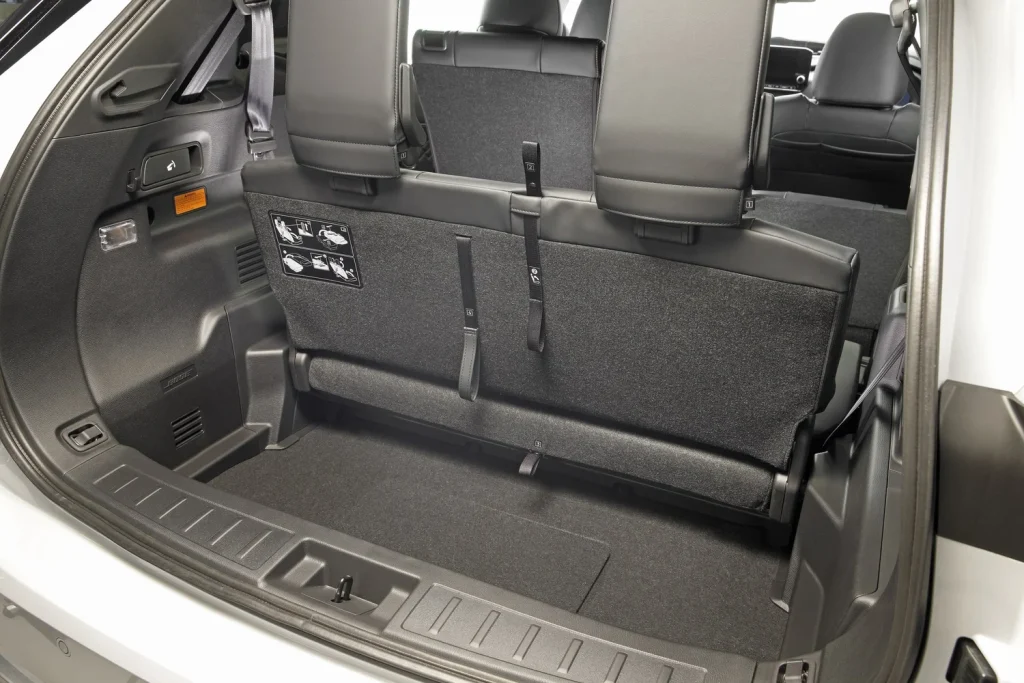
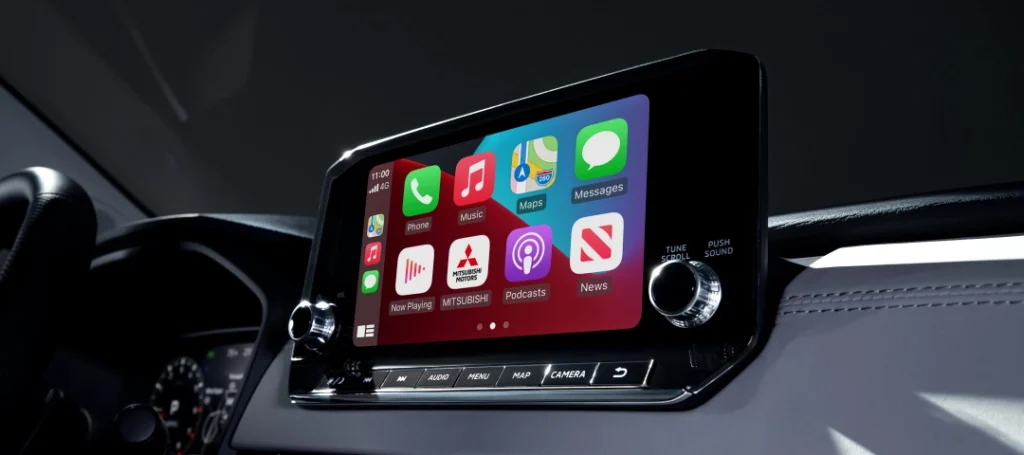
Standard amenities include three-row, seven-passenger seating, dual-zone climate control, heated front seats and smartphone integration via Apple CarPlay and Android Auto.
Higher trims add luxury and convenience features such as semi-aniline leather upholstery, massaging front seats, driver seat memory, tri-zone automatic climate control, a hands-free power liftgate and a panoramic sunroof. These features make the cabin both modern and comfortable, catering to families and long-distance drivers alike.

Practicality remains a strong suit for the Outlander PHEV. The interior is spacious and flexible, with the second and third rows folding flat to expand cargo capacity when needed. The mix of durable materials and thoughtful ergonomics ensures that the cabin stands up well to everyday use while maintaining a premium look and feel.
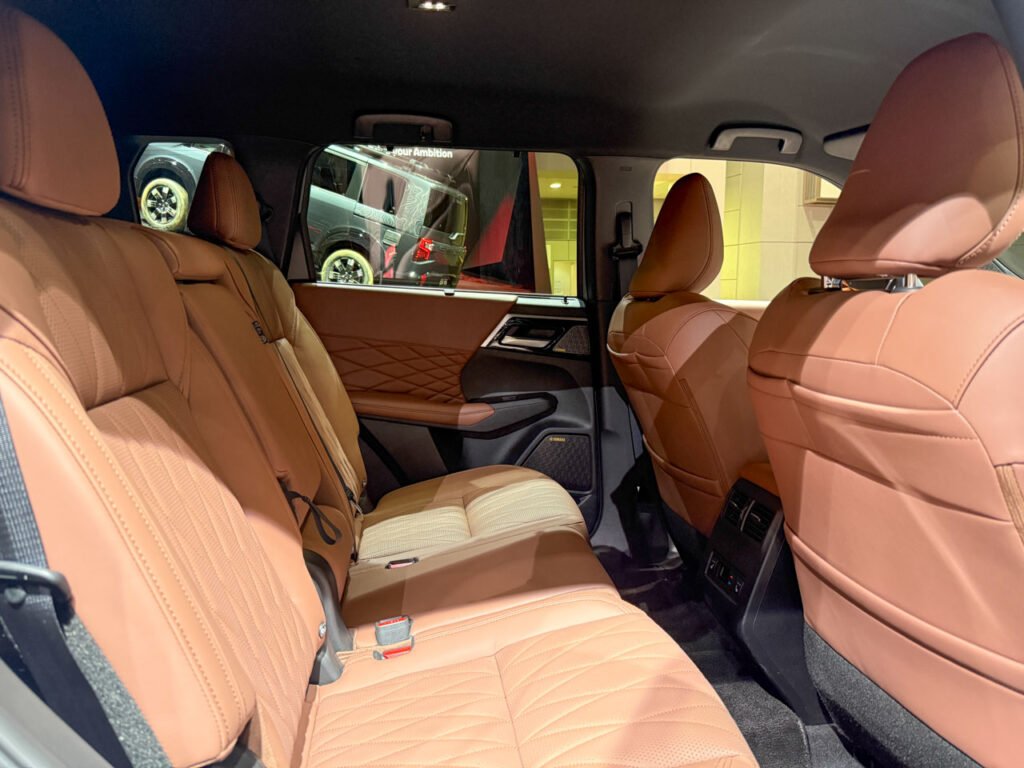
Whether configured for daily commuting or weekend getaways, the 2024 Outlander PHEV’s interior blends comfort, convenience and versatility to suit a wide range of lifestyles.
Performance Specs
| Specifications | Details |
|---|---|
| Engine | 2.4-litre Naturally Aspirated 4 Cylinder (Atkinson cycle) |
| Electric Motors | Dual motors; one front & one rear (AWD standard) |
| Combined Output | 248 hp / 332 lb-ft (450 Nm) |
| Transmission | 1-Speed reduction gear (behaves like a single-speed EV) |
| 0–100 km/h (0–60 mph) | 6.5 seconds |
| Top Speed | 170 km/h |
| Drive Modes | Eco, Normal, Power, Tarmac, Gravel, Snow, Mud |
On paper, it’s 70hp more powerful than the standard petrol Outlander and the instant electric torque makes city driving impressively quick.
How the PHEV It Works
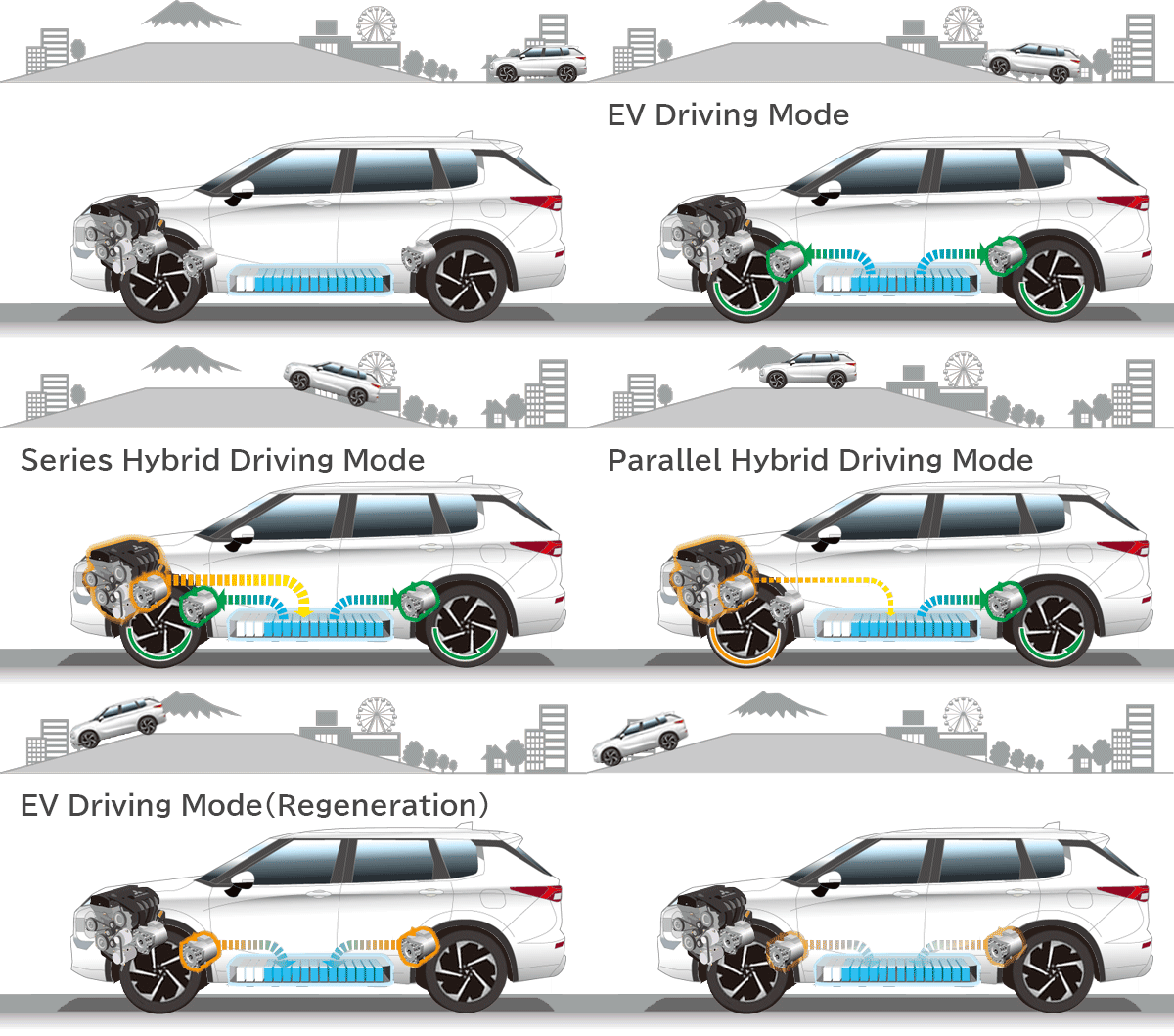
The Mitsubishi Outlander PHEV combines a 2.4-liter petrol engine, two electric motors (front and rear) and a lithium-ion battery. The system automatically switches between electric and hybrid operation to give you the best balance of power and efficiency.
EV Mode
In EV Drive Mode, the car runs purely on battery power. The engine stays off, so it’s silent and smooth perfect for city driving or short commutes. You can travel around 48–64Km on electricity alone, depending on conditions.
Hybrid Modes
When the battery runs low or more power is needed, the system switches to Series Hybrid Mode, where the engine acts as a generator to produce electricity that powers the two electric motors(one on the front axle and the second one on the rear axle).
At higher speeds, it shifts into Parallel Hybrid Mode where the engine drives the wheels directly while the electric motors assist for extra efficiency and performance.

Driving Modes
The driver can choose between Normal, EV, Save, and Charge modes. Normal lets the car manage power automatically. EV keeps the engine off as long as possible. Save conserves battery charge for later, while Charge uses the engine to replenish the battery while driving.

🏔️ AWD and Regeneration
The S-AWC all-wheel-drive system ensures confident grip in all weather, with selectable settings like Snow, Gravel, and Power. Regenerative braking can be adjusted using paddles on the steering wheel to control how much energy is recovered when slowing down.
💺 Comfort and Practicality
Inside, the Outlander PHEV is quiet and refined, especially in EV mode. The cabin is roomy well insulated, with supportive seats and high quality materials. There’s space for five passengers and a generous cargo area that isn’t compromised much by the battery.
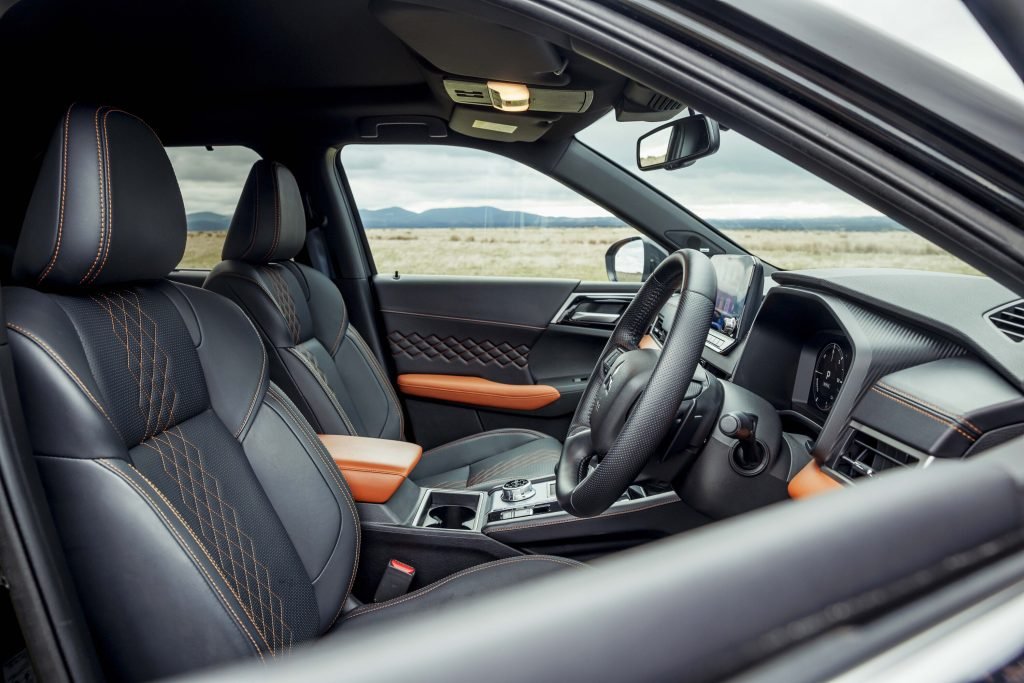
The ride is smooth and composed, making it comfortable for long journeys while still being easy to drive around town.

Its Super All-Wheel Control (S-AWC) system manages torque distribution and braking to enhance stability and traction. Drivers can choose from modes like Eco for maximum fuel efficiency, Normal for balanced everyday driving, Tarmac for sporty, responsive handling, Gravel and Snow for improved grip on loose or slippery surfaces and Mud for challenging offroad conditions. Each mode fine tunes the engine, transmission and all-wheel-drive settings to deliver the best possible performance for the terrain and driving situation.

Battery & Electric Range
| Battery Type | 20.0 kWh lithium-ion (16.8 kWh usable) |
|---|---|
| Electric-only Range | ~38 miles / ~61 km |
| Hybrid Total Range | ~420 miles / ~675 km |
| Battery Charging (AC) | 3.3 kW onboard charger – 6.5 hours (0–100%) |
| Fast Charging (DC CHAdeMO) | Up to 50 kW – 10–80% in ~38 minutes |
| Tank Capacity | 56 litres |
| Hybrid Efficiency | 64 MPGe (9.5–10.5L/100 km) |
The 2024 Mitsubishi Outlander PHEV pairs a 2.4-litre petrol engine with twin electric motors and delivers smooth, instant torque for confident acceleration. It features a 20kWh Battery pack with a manufacturer claimed range of 84Km.

Electricity Consumption & Running Costs (Kenya)
In electric mode, the Outlander PHEV typically consumes 21–23 kWh per 100 km. With Kenya Power’s domestic tariff averaging around KSh 32–38 per kWh in 2025, driving 100 km on electricity costs roughly KSh 700–850. By comparison, covering the same distance on petrol, at 9.5 L/100 km and KSh 200 per litre, would cost about KSh 1,900. This makes electric driving over 50% cheaper while maintenance costs are also reduced thanks to the electric motors which lower engine wear and extend brake life through regenerative braking.
Charging Guide for Kenyan Buyers
Before importing or buying a Mitsubishi Outlander PHEV, it’s important to understand the charging equipment and local compatibility:
1. Charging Ports & Connectors
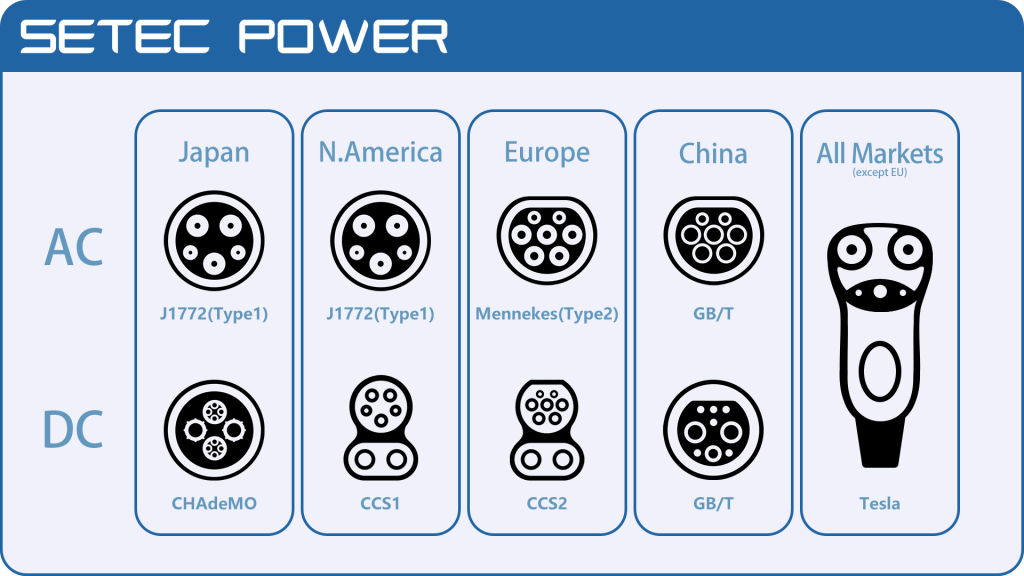
- AC Port: Type 1 (J1772)
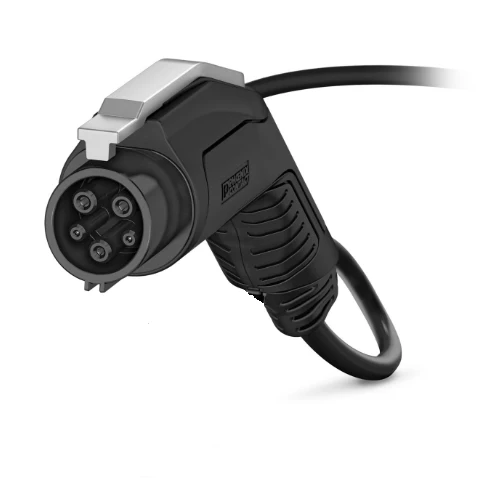
- DC Fast-Charging Port: CHAdeMO
- Note: CHAdeMO is being phased out in favor of CCS2 but many Kenyan charging stations (EvChaja, Drive Electric) still support it.
2. Charging Options
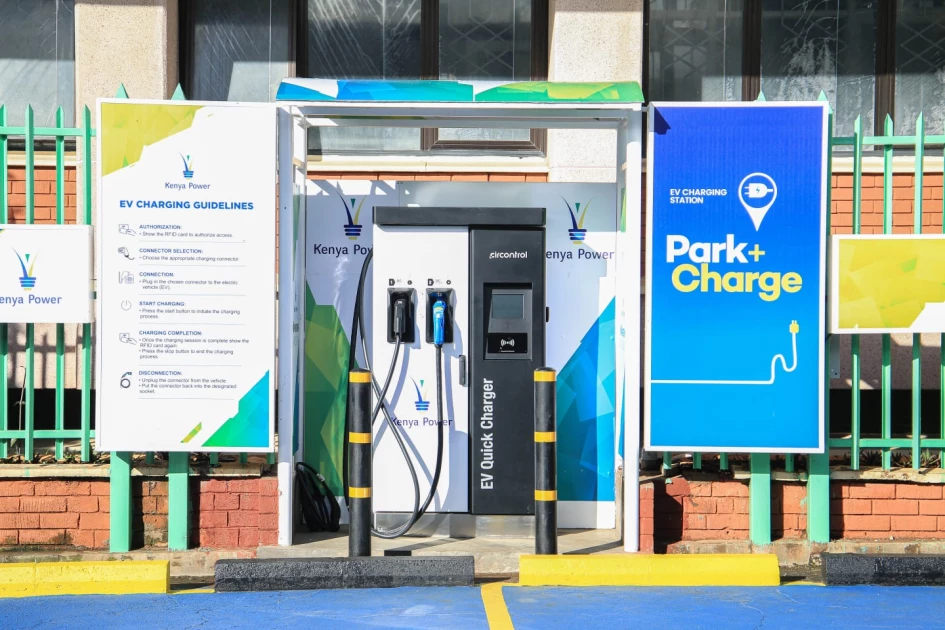
Kenya has been expanding its public and commercial EV charging infrastructure. Kenya Power is installing charging stations in several counties, including Nairobi, Nyeri, Kisumu, Eldoret, Nakuru, Mombasa, and Taita Taveta, to support the growing number of electric vehicles. Total Energies Marketing Kenya also operates 13 EV charging sites within its retail network. All public charging station installations follow regulations set by the Energy and Petroleum Regulatory Authority (EPRA), which establish standards for location, payment systems, and accessibility.
| Charger Type | Plug Type | Output | Time (0–100%) |
|---|---|---|---|
| Level 1 (Home 3-pin socket) | Type 1 | 2.3 kW | 10–12 hours |
| Level 2 (Wall box / AC station) | Type 1 | 3.3 kW | 6–6.5 hours |
| DC Fast Charger (Public) | CHAdeMO | 50 kW | 30–40 min (10–80%) |
3. Recommended Setup for Kenyan Homes
You can also charge an EV at home or at your workplace if you install a suitable charger (often a Level 2 charger). The national building code and e‑mobility guidelines support such installations in new developments. You can;
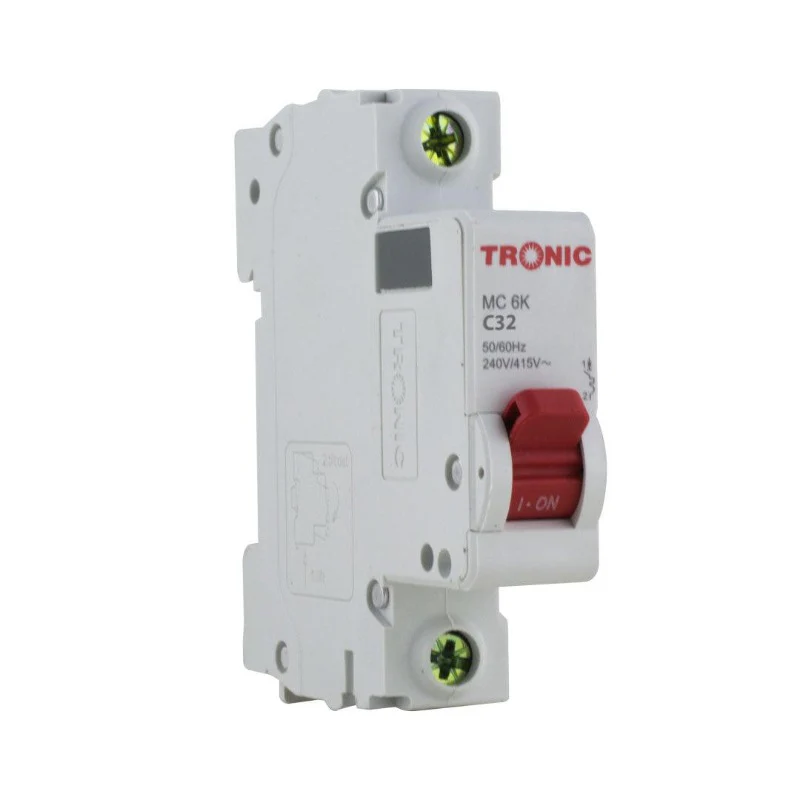
- Install a dedicated 32A circuit with a grounded outlet.
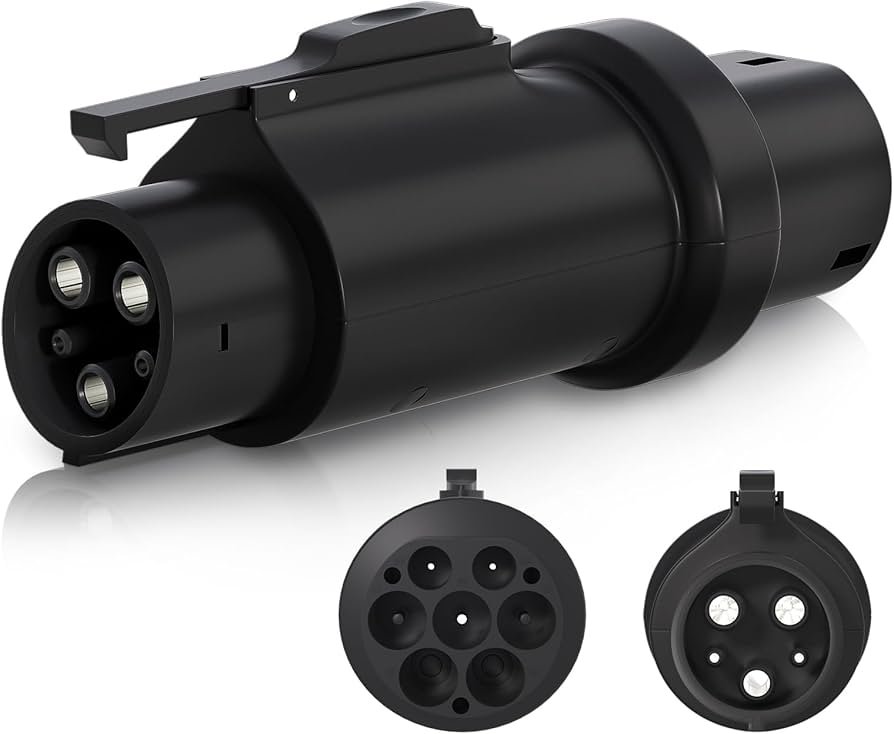
- Buy a Type 1 to Type 2 adapter if you plan to use newer charging stations.
- Keep the original portable charger (Level 1 cable) in your boot for emergencies.
- Consider solar assisted home charging if you already have panels a 5 kW solar array can fully charge the Outlander in 4 hours.
What Kenyan Buyers Should Prepare For
- Import & Purchase Price
- Expect KSh 6.8–8.2 million for the fourth generation(2021 model onwards featured in this review) depending on trim and import duty.
- Hybrid and EVs in Kenya enjoy reduced excise duty (10%) versus 20% for petrol SUVs.
- Charging Infrastructure
- Check access to public charging (EvChaja, Drive Electric, EVM Africa).
- Nairobi, Nakuru, Kisumu and Mombasa now have expanding public charging networks.
- Servicing
- Routine maintenance intervals are every 10,000–15,000 km.
- Ensure your preferred garage has hybrid-certified technicians, the 20 kWh pack requires HV system knowledge.
- Insurance & Road Tax
- Insurance premiums are similar to mid-size SUVs; however several insurance companies in Kenya now offer products or discounts tailored for electric and eco-friendly vehicles. Pioneer General Insurance launched an “EV Care” product that provides eco-friendly discounts for customers choosing environmentally-friendly options. Britam General Insurance introduced an electric and hybrid vehicle cover in 2025, designed to support sustainable mobility, while GA Insurance Kenya offers the “GA Eco Drive Cover,” a dedicated policy for electric vehicles that promotes eco-friendly driving practices. These initiatives make it easier and more cost-effective for Kenyans to insure electric and hybrid vehicles.
Verdict: Worth It for Kenya?
The 2024 Mitsubishi Outlander PHEV brings real EV practicality to Kenyan families without the range anxiety of a full battery car. It’s smooth, powerful and comfortable and it makes financial sense given current fuel prices and electricity rates.
Pros
- Genuine 60+ km electric range
- All-wheel drive stability
- Premium, tech-rich interior
- Low running costs in EV mode
Cons
- Slow AC charging (3.3 kW)
- Small third row
- CHAdeMO fast charging support is fading globally
Final Word
If you’re in Kenya and want to go green without giving up long-distance flexibility, the Mitsubishi Outlander PHEV is a top contender. Just prepare your charging setup, understand your socket types and enjoy one of the smoothest hybrid-electric crossovers in its class.
Leave a Reply