
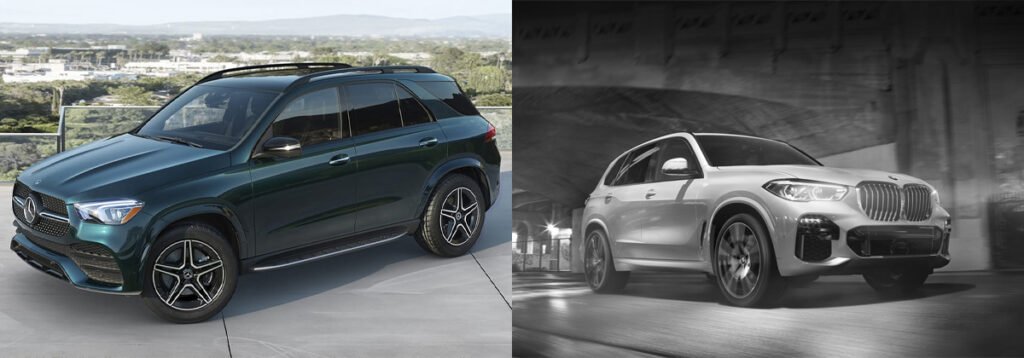
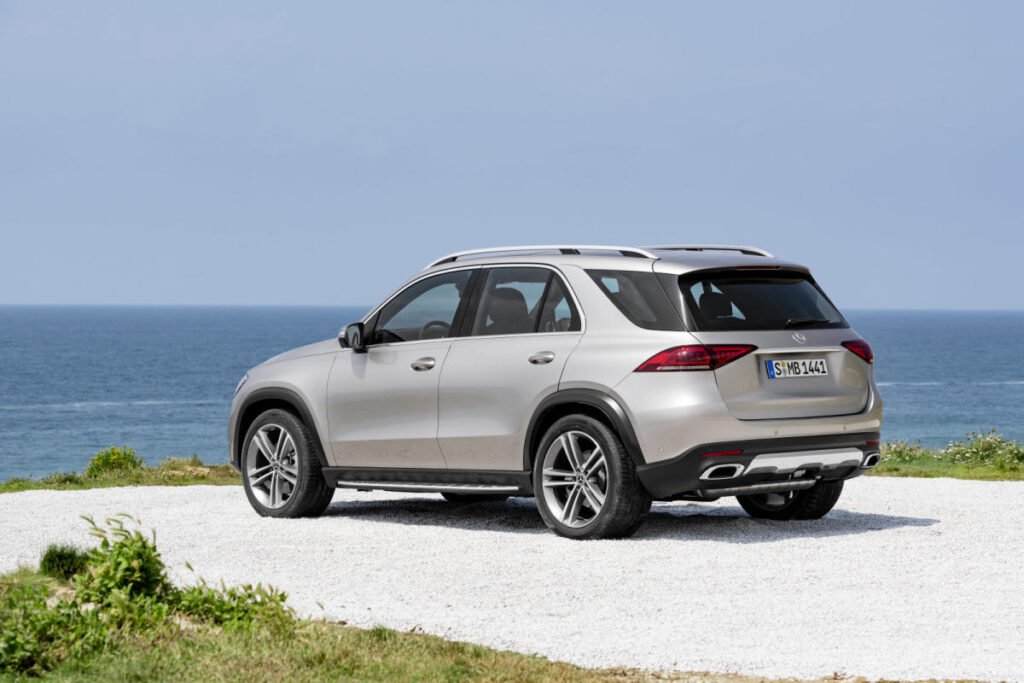
If you are shopping for a mid-sized premium luxury SUV on the pre-owned market, two German titans inevitably dominate the conversation: the Mercedes-Benz GLE and the BMW X5. Choosing a 2020 unit places you in a definitive sweet spot for both brands. For the Mercedes GLE (the V167 generation), 2020 marked the debut of a completely redesigned, tech-forward platform built from the ground up. For the BMW X5 (the G05 generation), 2020 was the second year of its highly acclaimed production cycle, meaning Munich had already ironed out any first-year assembly line quirks. While they appear evenly matched on a spreadsheet, they target entirely different driving personalities and priorities.
Battle of the Powertrains: Petrol vs. Diesel Dynamics
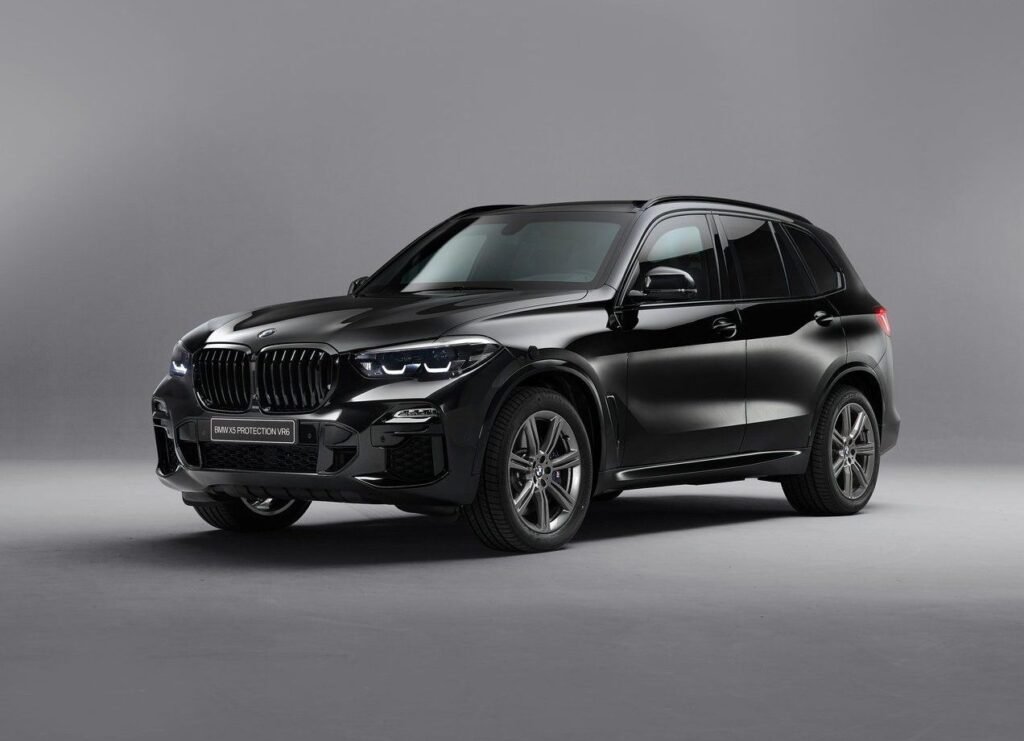
Under the hood, the choice between petrol and diesel fundamentally alters how these machines behave, and it is here that the two brands draw a clear line in the sand.
Looking at the entry-level petrol variants, the contrast is stark. The Mercedes-Benz GLE 350 utilizes a modest 2.0-liter turbocharged four-cylinder engine pushing 255 horsepower and 273 lb-ft of torque. While perfectly competent for smooth daily cruising, a four-cylinder can feel somewhat strained when tasked with pushing a heavy, 2.2-ton luxury platform through quick highway overtaking maneuvers. BMW skips this compromise entirely. The base X5 xDrive40i comes standard with the legendary 3.0-liter B58 turbocharged inline-six engine, pumping out a robust 335 horsepower and 331 lb-ft of torque. Coupled with a razor-sharp ZF 8-speed automatic transmission, the petrol X5 sprints from 0 to 100 km/h in roughly 5.3 seconds—nearly two seconds faster than its four-cylinder Mercedes rival. To match this urgency in a petrol Mercedes, you must hunt for the scarcer GLE 450, which steps up to a 3.0-liter inline-six paired with a 48-volt mild-hybrid system to produce 362 horsepower.
However, the conversation shifts dramatically when you pivot to the highly coveted turbo-diesel lineups. For buyers prioritizing relentless torque and exceptional long-distance fuel efficiency, these diesel engines are arguably the best fit for mid-sized luxury cruisers.
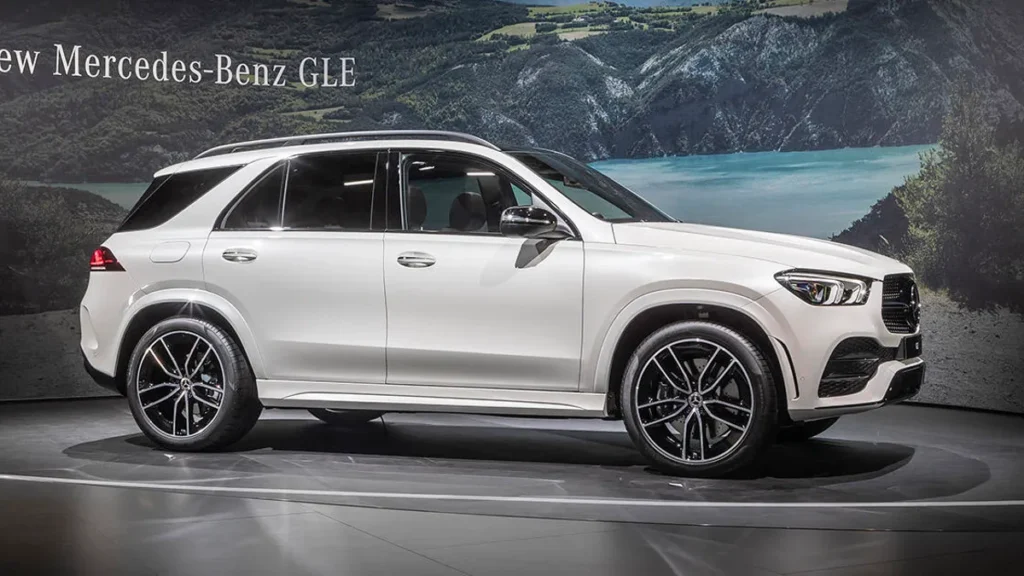
Mercedes kicks off its diesel range with the GLE 300d, powered by a 2.0-liter four-cylinder turbo-diesel generating 245 horsepower and a massive 500 Nm of torque. It is a punchy, highly efficient engine that handles long journeys effortlessly, but it lacks the elite refinement of a six-cylinder. If you want the ultimate diesel experience from Stuttgart, you have to look for the masterfully engineered GLE 400d. This variant packs a silk-smooth 3.0-liter inline-six diesel pushing 330 horsepower and an astonishing 700 Nm of torque. It is an absolute powerhouse, launching the heavy SUV to 100 km/h in just 5.8 seconds while maintaining a whisper-quiet cabin.
BMW answers this challenge with its own masterclass in diesel engineering: the X5 xDrive30d. Featuring a 3.0-liter inline-six turbo-diesel, it delivers 265 horsepower and a muscular 620 Nm of torque. Because BMW bypasses the four-cylinder diesel configuration for this class, even their entry-level diesel feels remarkably smooth, linear, and athletic, hitting 100 km/h in a swift 6.1 seconds. For true performance purists, BMW also offered the rare, quad-turbocharged M50d for the 2020 model year—a mechanical marvel generating 400 horsepower and 760 Nm of torque that turns the X5 into a genuine sports car disguised as an SUV.
Cabin Philosophies: Visual Spectacle vs. Ergonomic Mastery
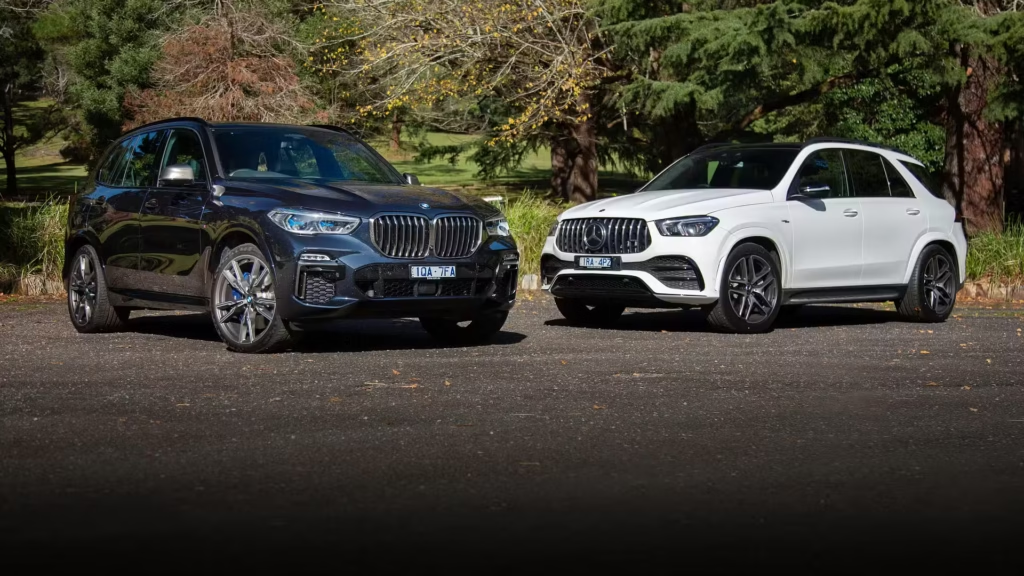
When you step inside, the design philosophies of Stuttgart and Munich diverge completely, presenting a choice between high-fashion futuristic luxury and driver-centric functionality.
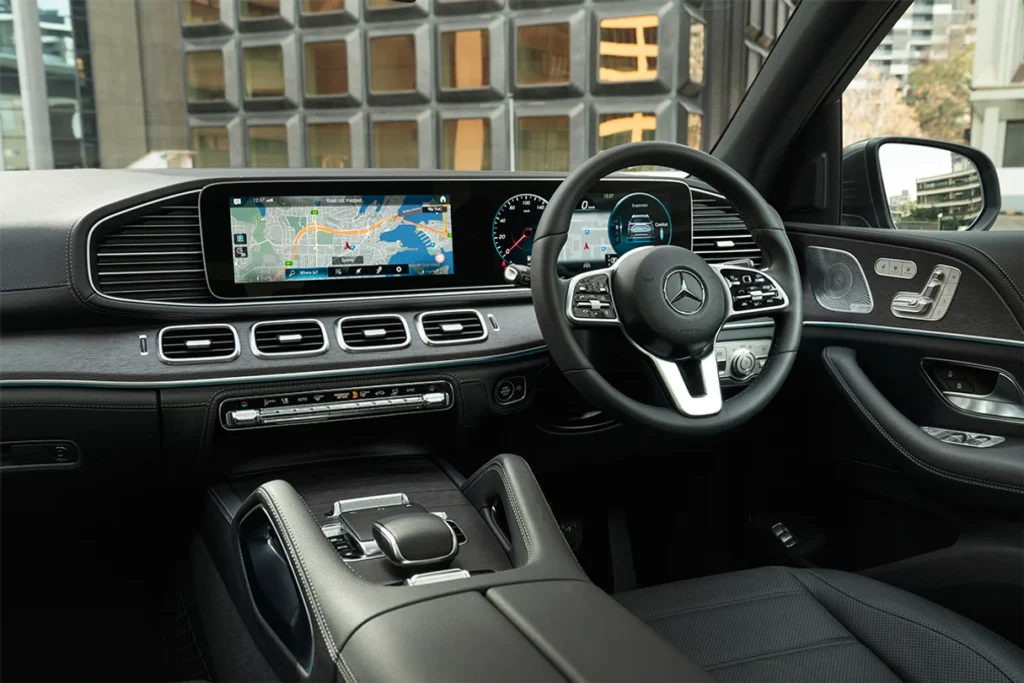
The interior of the 2020 GLE looks like an executive lounge integrated into a digital cockpit. The dashboard is dominated by twin 12.3-inch panoramic screens that flow seamlessly into one another, floating above a beautifully sculpted dash accented by customizable ambient lighting and rugged center-console grab handles. Beyond the visual theater, the GLE utilizes its long wheelbase to deliver class-leading cabin space. Rear passengers are treated to a generous 40.9 inches of legroom, creating an incredibly airy, limousine-like environment. Furthermore, many used GLE models were optioned with an adjustable second row and a tight, fold-away third row, offering occasional seven-seat versatility that can rescue you in a pinch.
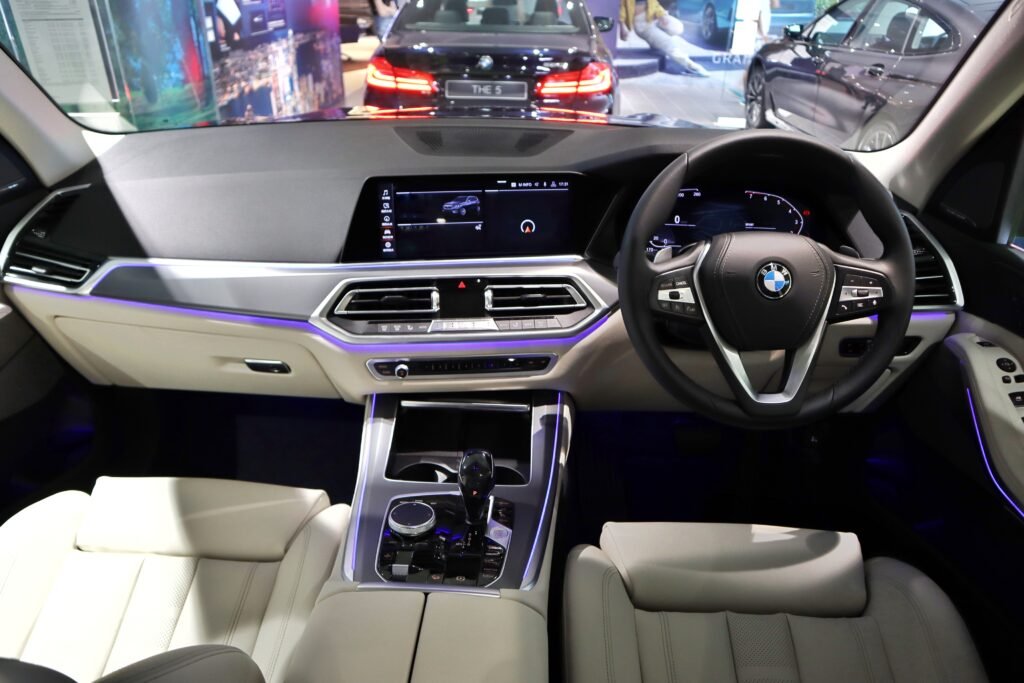
BMW takes a far more traditional, deeply athletic approach inside the G05 X5. The materials are exceptionally solid, with every switch, dial, and stitch feeling as though it were engineered to last a lifetime. The entire dashboard layout is angled slightly toward the driver, indicating its performance-focused intentions.
Where the X5 concedes ground is pure passenger packaging. It offers noticeably less rear legroom at 37.4 inches; while perfectly fine for children and average-sized adults, tall occupants will find it less accommodating than the palatial rear quarters of the Mercedes. Where the X5 fights back in practical design is at the rear cargo opening. It retains BMW’s iconic, split-folding two-piece tailgate. The lower section drops down to form a sturdy, flat bench—perfect for resting items while loading cargo or using as an outdoor seat—while the upper glass lifts out of the way. The GLE relies on a traditional, one-piece power liftgate.
The Tech Interface: MBUX vs. iDrive 7.0
Operating the technology packages inside these vehicles highlights a major difference in user experience. The Mercedes features the first generation of its MBUX system, which introduced advanced natural-language voice control. Saying “Hey Mercedes, I’m cold” prompts the vehicle to adjust the climate control automatically. However, navigating the central screens relies heavily on touch sensitivity or a trackpad on the center console, which can feel overly sensitive and distracting to use while navigating bumpy roads or heavy traffic.
BMW’s iDrive 7.0, by contrast, remains the industry benchmark for on-the-move usability. While the central screen is fully touch-enabled, the system is designed to be operated via the physical rotary controller located next to the gear selector. The menu structures are logical, muscle memory develops within days, and you can seamlessly jump between navigation, media, and vehicle settings without ever taking your eyes off the road.
The Ultimate Verdict
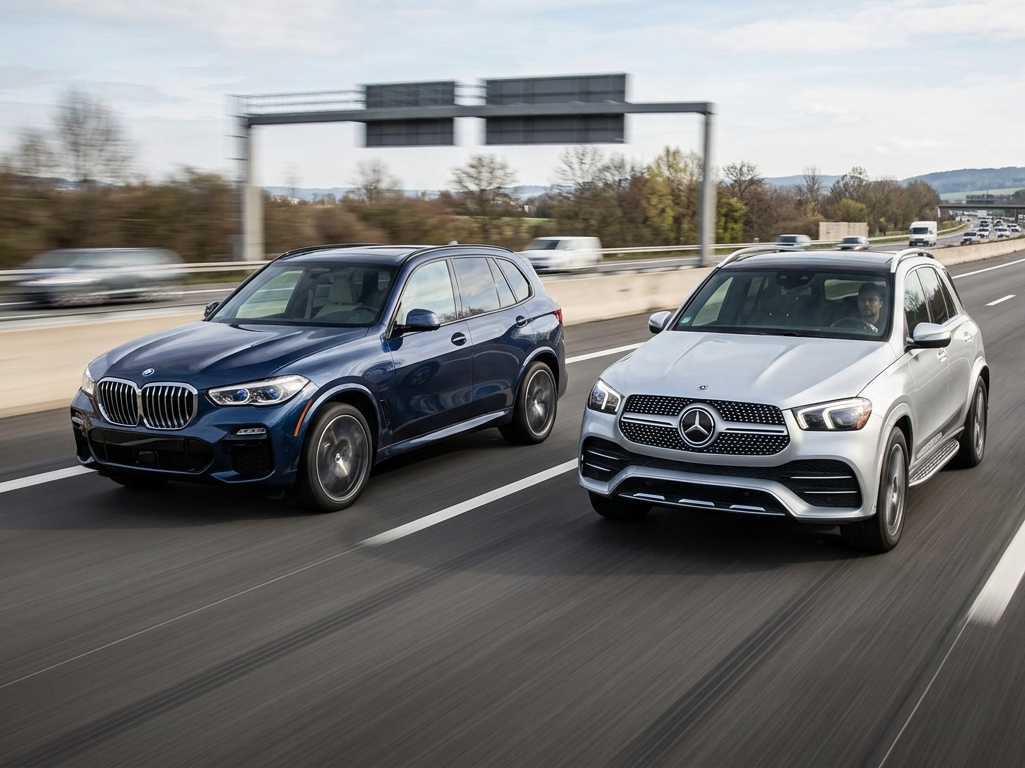
Choosing between these two legendary 2020 units ultimately comes down to what you want your luxury daily driver to be.
The 2020 BMW X5 is unequivocally the driver’s choice. If you opt for the petrol xDrive40i or the silky xDrive30d diesel, you are getting an SUV that behaves like a sharp, agile sport sedan. It prioritizes mechanical engagement, rock-solid build quality, and effortless ergonomics over interior flash and third-row gimmicks.
The 2020 Mercedes-Benz GLE is the ultimate comfort cruiser. If your driving routine involves chauffeuring passengers, long highway commutes, or a desire for a pure sense of modern aesthetic prestige, the GLE wins. To get the best out of the chassis, skip the four-cylinder petrol engines and hunt for the mild-hybrid GLE 450 petrol or the devastatingly powerful GLE 400d inline-six diesel. It is an SUV that prioritizes space, visual theater, and a commanding road presence above all else.
Compiled By: Sipitali Shitsukane
Car Enthusiast, Vehicle Imports Consultant
Very nice post. I just stumbled upon your weblog and wished to say that I have truly enjoyed surfing around your blog posts.
In any case I will be subscribing to your feed and I hope you write again very
soon!