
Why Some Cars Age Better Than Others
There is a strange quality that some cars possess.
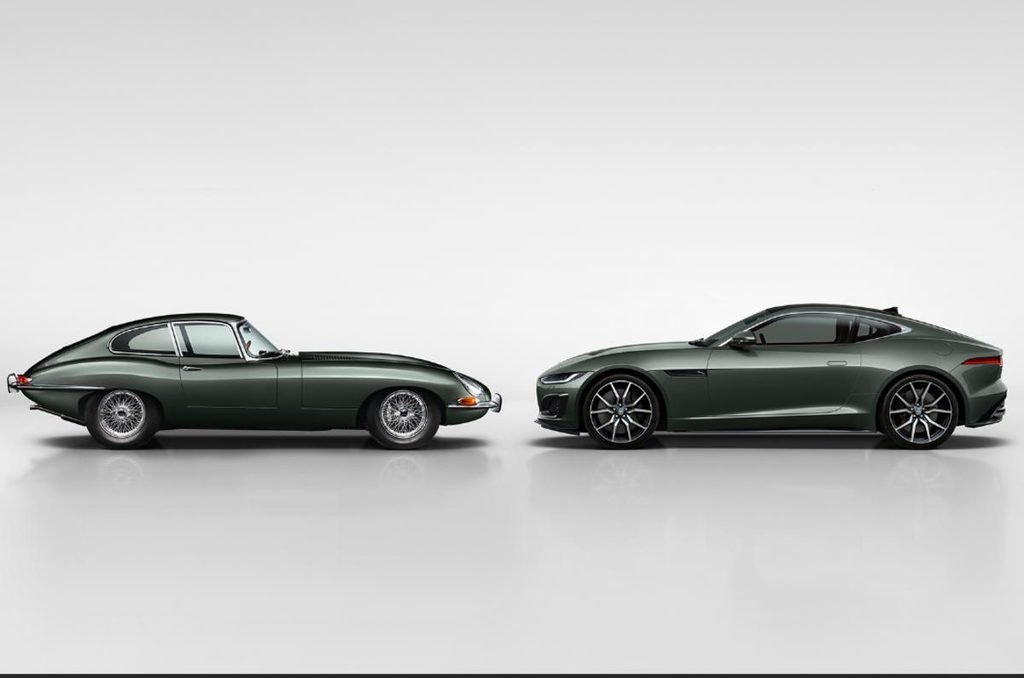
Years pass. New models arrive. Technology moves forward. Screens become larger, engines become more efficient, and manufacturers redesign their entire line-ups. Yet somehow, certain cars continue to look desirable. A 15-year-old car can still turn heads while another model from the same era can look dated, forgotten and almost out of place.
Why?
The answer is not simply reliability. A car can be mechanically dependable and still age badly. Likewise, a car can become technologically outdated while remaining visually and emotionally desirable. Some cars simply have something that survives time. They have proportion, character, engineering, identity and purpose, and that is what separates a car that gets old from a car that becomes an icon.
1. Design That Doesn’t Depend on Fashion
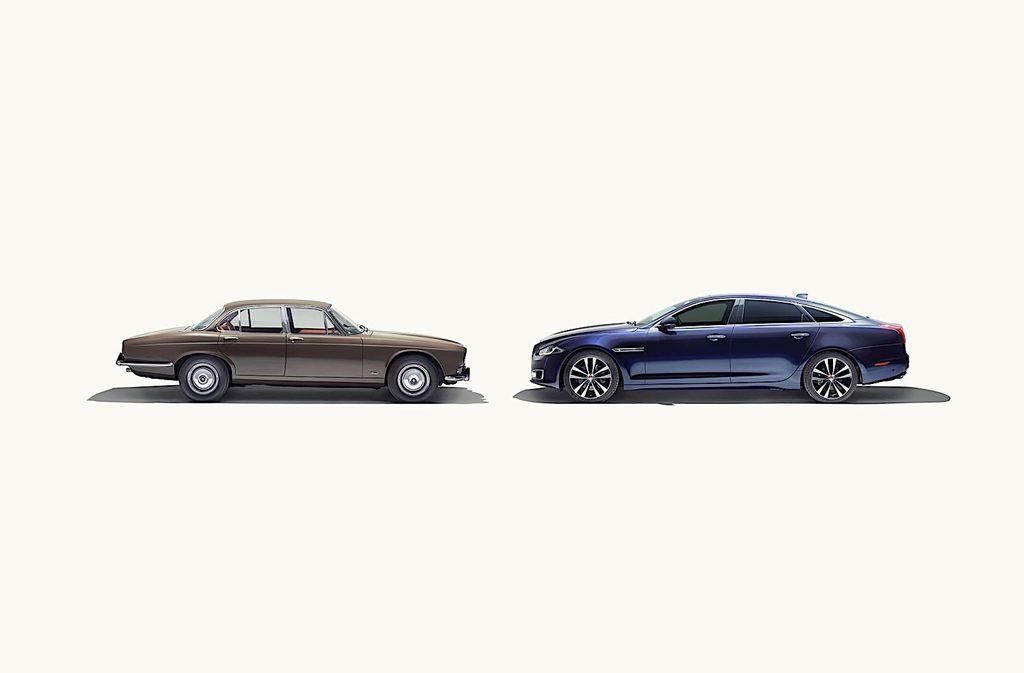
The first reason some cars age better than others is design. Automotive design, like fashion, goes through trends. Certain shapes, lights, grilles and styling elements become popular for a few years before manufacturers move on to something completely different. The problem with heavily trend-driven design is that when the trend disappears, the car can immediately begin to look old. Timeless cars usually have something different. Their designers focus on proportion rather than decoration.
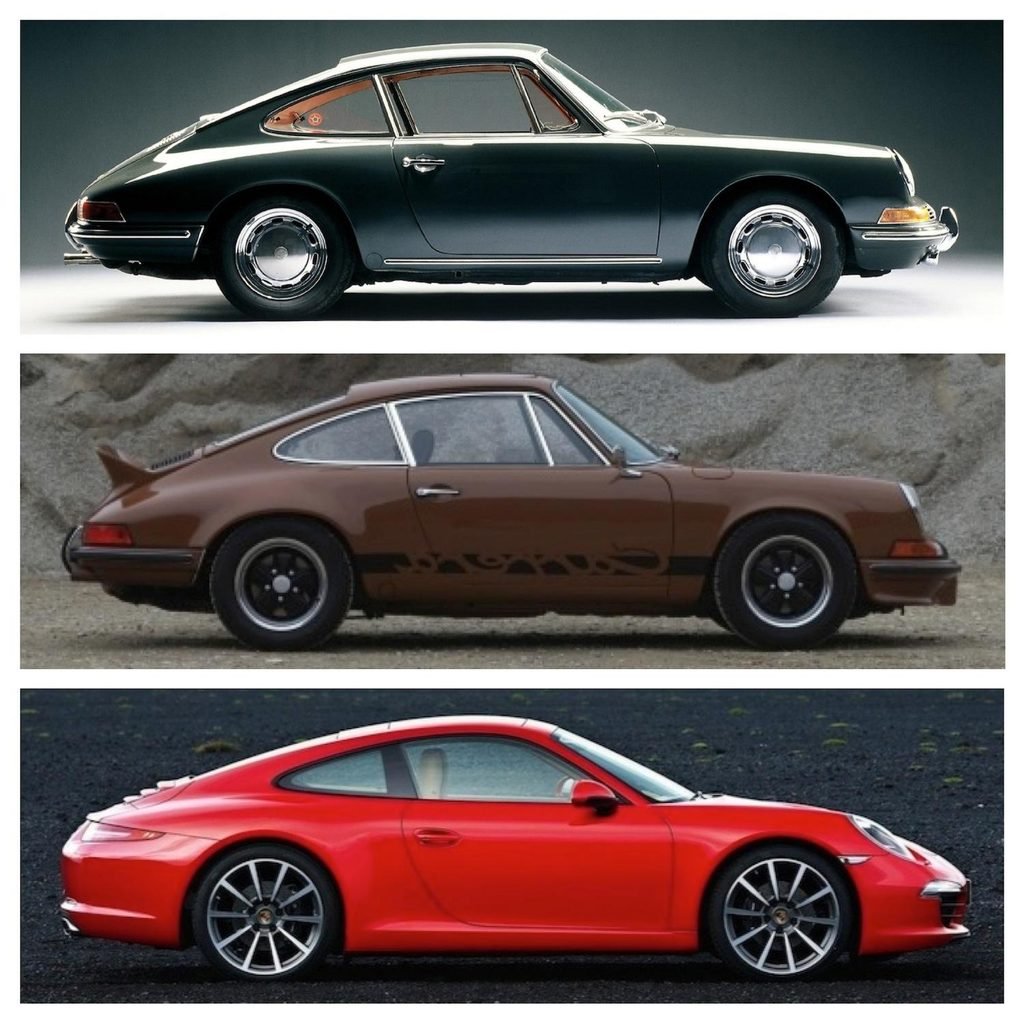
Think about the Porsche 911. Its basic silhouette has evolved dramatically, yet the relationship between the roofline, cabin, rear proportions and overall shape has remained recognisable for generations. The same can be said about the Mercedes-Benz G-Class. It was never designed to look fashionable. It was designed to be functional. Its upright body, squared-off profile and distinctive proportions became its identity. That is why an older G-Class does not necessarily look like an old car, it looks like a G-Class. That distinction is extremely important. A timeless design does not constantly chase the future; it creates an identity strong enough to survive it.

2. Proportion Matters More Than Decoration
One of the biggest differences between timeless cars and dated cars is proportion. A vehicle can have modern technology, aggressive headlights and enormous wheels, but if its fundamental proportions are awkward, those details will eventually lose their impact.
Classic automotive design often relies on simple relationships: wheel-to-body proportions, roofline, wheelbase, front and rear overhangs, glasshouse size, position of the cabin, width and stance. These elements remain visually important even when technology changes. This is why certain older cars still look elegant without needing enormous screens, complicated lighting signatures or excessive styling. Good proportions don’t become obsolete.
3. Engineering Can Give a Car a Longer Life
Design might make you notice a car. Engineering can make you respect it. Some vehicles become legendary because the mechanical package underneath them was exceptionally well executed.

The Toyota Land Cruiser is a perfect example. Its reputation was not created by advertising alone. It was built through decades of durability, off-road capability, mechanical resilience and the ability to operate in demanding environments. That engineering reputation eventually became part of the vehicle’s identity. The same principle applies to cars like the Porsche 911, BMW M3 and Mercedes-Benz G-Class. They are not simply products. They represent engineering philosophies. And when a car has a strong engineering foundation, its relevance can survive long after newer vehicles have surpassed it in individual specifications.
4. Simplicity Can Become an Advantage
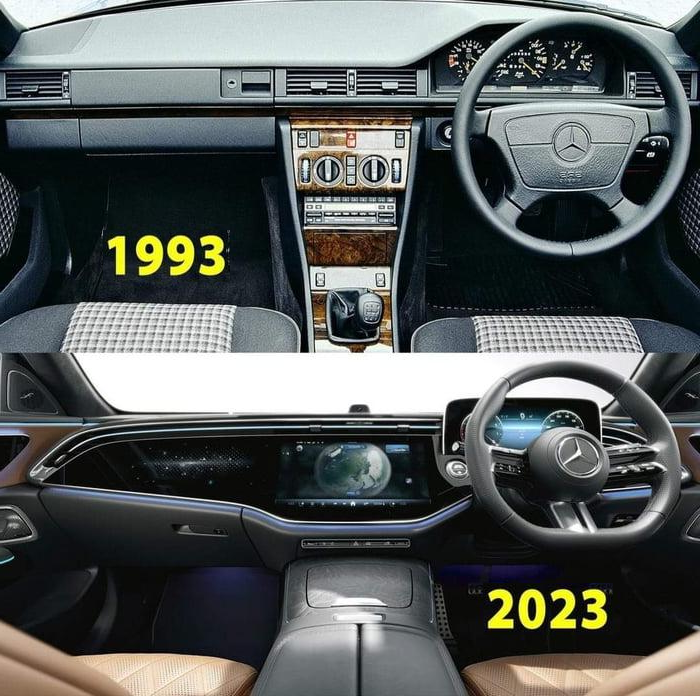
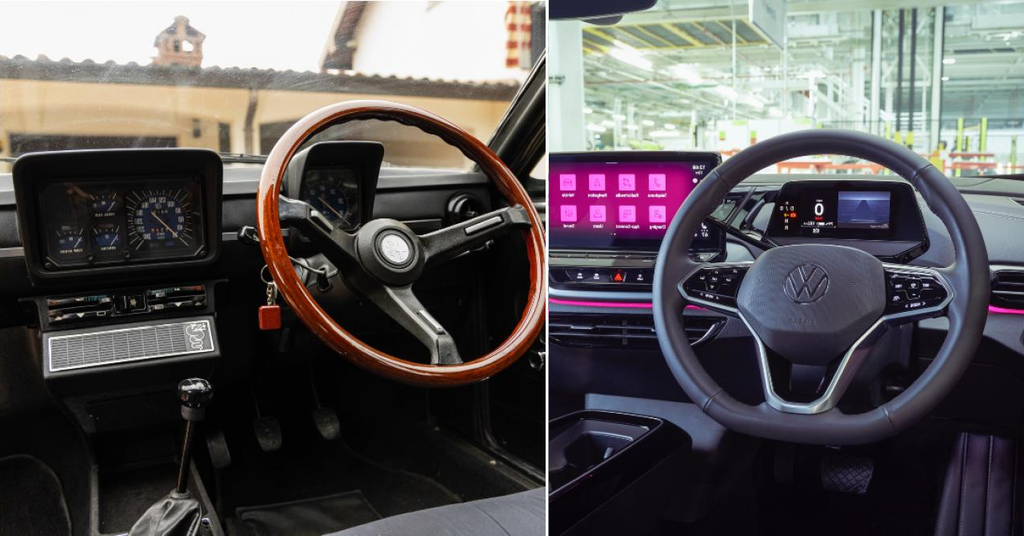
Modern cars are incredibly sophisticated. They have radar sensors, cameras, adaptive suspension, electronically controlled drivetrains, digital dashboards, complex infotainment systems and hundreds of control modules. Technology has made vehicles safer, faster and more comfortable. But it has also made them more complicated. Older vehicles sometimes benefit from something modern cars cannot easily reproduce mechanical simplicity.
A vehicle with fewer electronic systems can sometimes be easier to diagnose, repair and keep on the road decades later. This doesn’t mean older cars are automatically better. They are not. Modern engineering offers enormous advantages, but when evaluating whether a vehicle will age well, complexity matters. The more systems a car depends on, the more potential points of failure it eventually has. This is one reason some older mechanically robust vehicles remain highly desirable in markets where long-term ownership and repairability matter.
5. A Strong Identity Makes a Car Memorable
There are thousands of cars that have been produced over the decades. Only a small number become instantly recognisable.
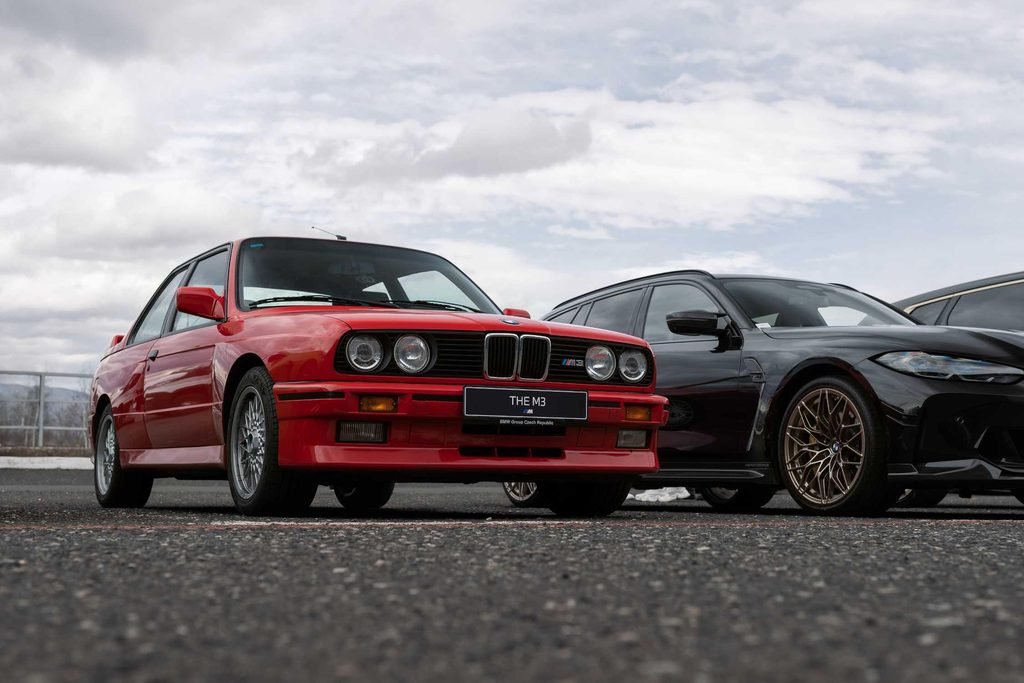
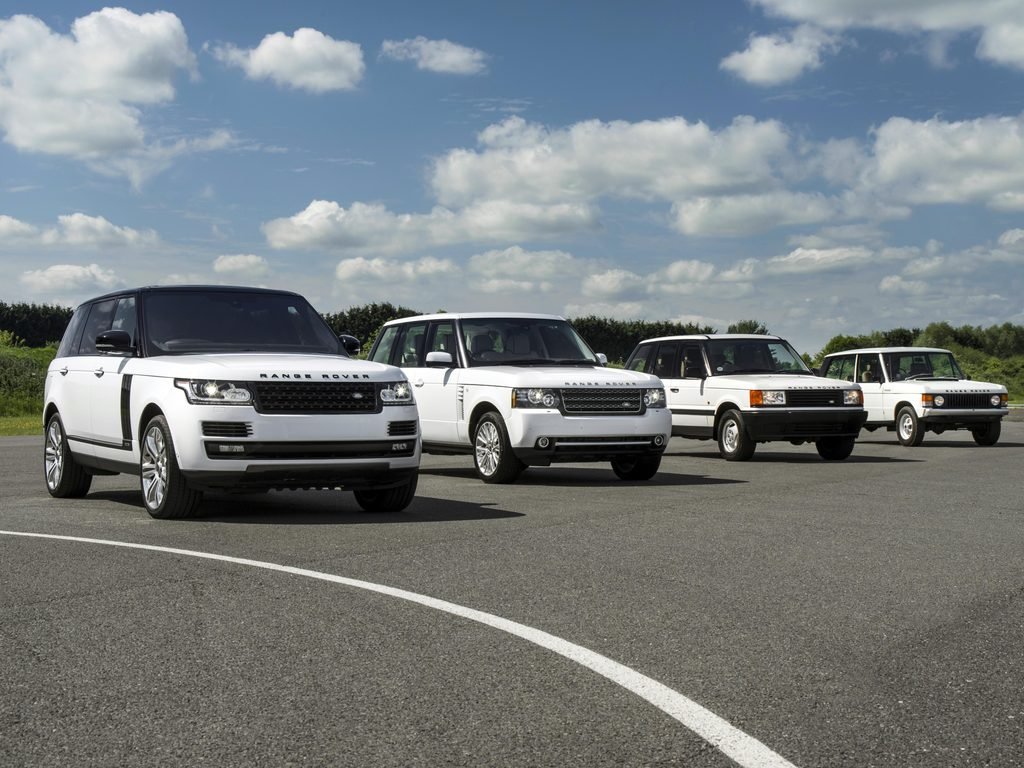
Why? Identity. A memorable car has something that makes it difficult to confuse with anything else. The BMW E30 M3 has its boxy proportions and motorsport heritage. The Porsche 911 has its unmistakable silhouette. The G-Class has its upright architecture. The Land Cruiser has its reputation for durability and exploration. The Range Rover established an entirely different interpretation of the luxury SUV. These cars aren’t memorable because they followed every styling trend. They became memorable because they established identities of their own, and once a vehicle develops a strong identity, age can actually make it more interesting.
6. The Best Cars Often Have a Clear Purpose
Another characteristic of cars that age well is that they know what they are. The problem with trying to appeal to everyone is that a product can lose its identity. Some of the world’s most respected cars have always had a clear mission. The Porsche 911 was built around the idea of a high-performance sports car. The Land Cruiser was built around durability and capability. The G-Class was built around extreme off-road ability. The BMW M3 was developed around performance. The Range Rover combined off-road capability with luxury. Their missions were different. But they were clear. When a vehicle has a clear purpose, its design and engineering tend to reinforce each other. That creates coherence, and coherence ages well.
7. Technology Ages Faster Than Design
One of the most interesting things about older cars is that technology can make a vehicle feel old much faster than its physical design. Consider a car from the early 2010s.
its exterior might still look elegant, its leather interior might still feel premium, its engine might still perform perfectly. But its navigation system, infotainment screen or digital interface can immediately reveal its age. Technology moves quickly. Design moves more slowly. That is why manufacturers face a difficult challenge. A car has to feel technologically advanced when new without making itself visually dependent on technology that will soon become obsolete. A well-designed car integrates technology into the overall experience rather than allowing technology to become the identity of the vehicle. Because screens become outdated. Good design doesn’t.
8. Materials Matter
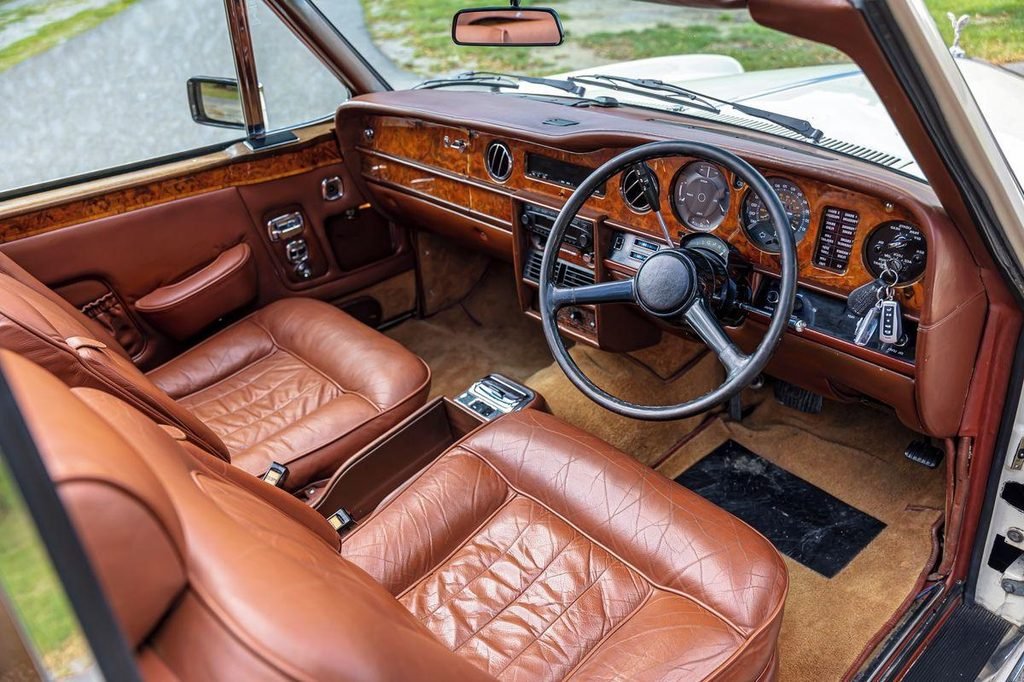
How a vehicle ages physically also depends heavily on what it is made from. Quality leather, durable plastics, properly treated metals, strong switchgear and well-engineered interior components can make a huge difference after years of use. This is particularly noticeable in luxury vehicles. A premium interior isn’t simply about how impressive it looks in a showroom. It is about how it feels after five, ten or fifteen years. Does the leather still feel substantial? Do the switches still operate with precision? Does the dashboard still look cohesive? Do the seats maintain their shape? Does the interior develop character or simply look worn out? Good materials don’t prevent aging. They allow a vehicle to age gracefully. There is a difference.
9. Performance Can Preserve Relevance
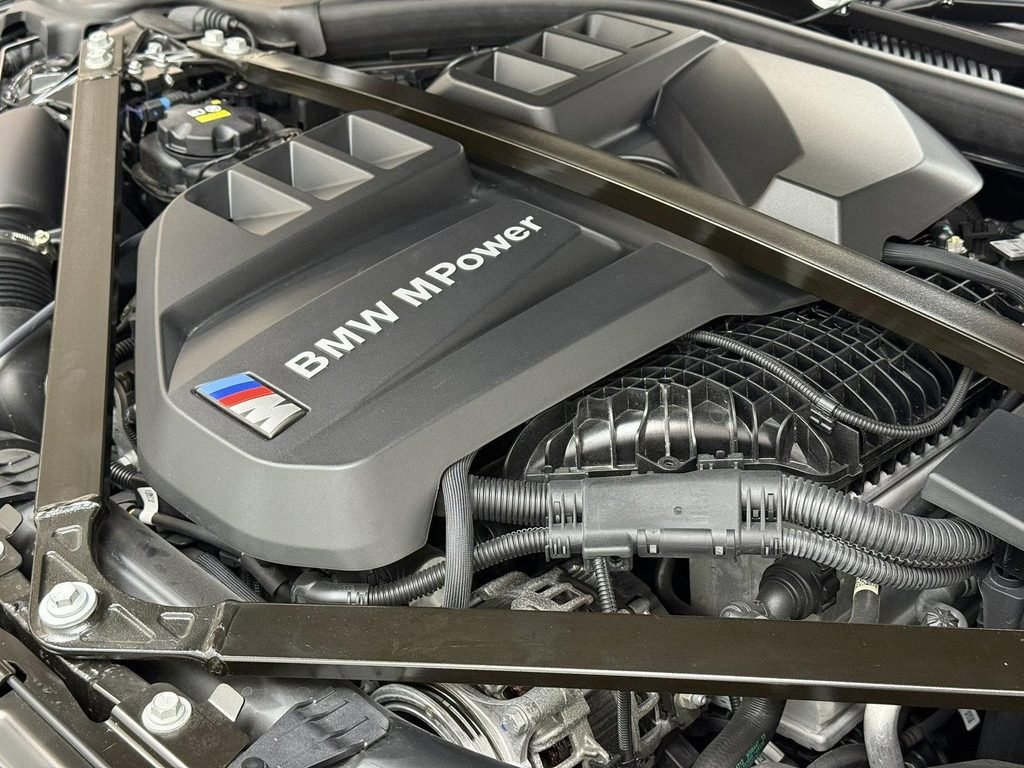
A car doesn’t necessarily need to be the fastest forever. But it needs to remain engaging. This is where some performance cars become almost immune to age. A BMW M3 from decades ago may be slower than a modern performance sedan. A classic Porsche may not match the acceleration figures of a current 911. But numbers aren’t everything. Steering feel, chassis balance, engine response, driving position, weight, sound, feedback. These characteristics can remain enjoyable even when technology advances, and that is why enthusiasts sometimes prefer an older performance car to a newer, objectively faster one. The older car may offer something the specification sheet cannot measure. Connection.
10. The Emotional Factor
Perhaps the most important reason some cars age better than others has nothing to do with engineering. It is emotion. Cars are unusual products because people develop memories around them. A particular vehicle might remind someone of childhood. Another might represent the first car they bought with their own money. Another might have been the car they dreamed about on a bedroom wall. And another might represent a particular era of automotive history. This emotional connection creates something called cultural value. Once a car becomes part of people’s memories, it stops being merely transportation. It becomes part of automotive culture. That is how ordinary products become classics.
11. Rarity Can Change Everything
There is also an economic side to aging. When fewer examples of a desirable vehicle remain, scarcity can increase interest. But rarity alone does not make a car valuable. There are plenty of forgotten cars that are rare simply because nobody wanted them. The combination that matters is: Rarity + desirability + history + condition.
A limited-production performance model with motorsport heritage may become collectible. A luxury model with an iconic design may become desirable again. A special edition with historical significance may attract collectors decades later. But a rare car without an interesting story may remain simply an old car.
12. Condition Is the Bridge Between Age and Value
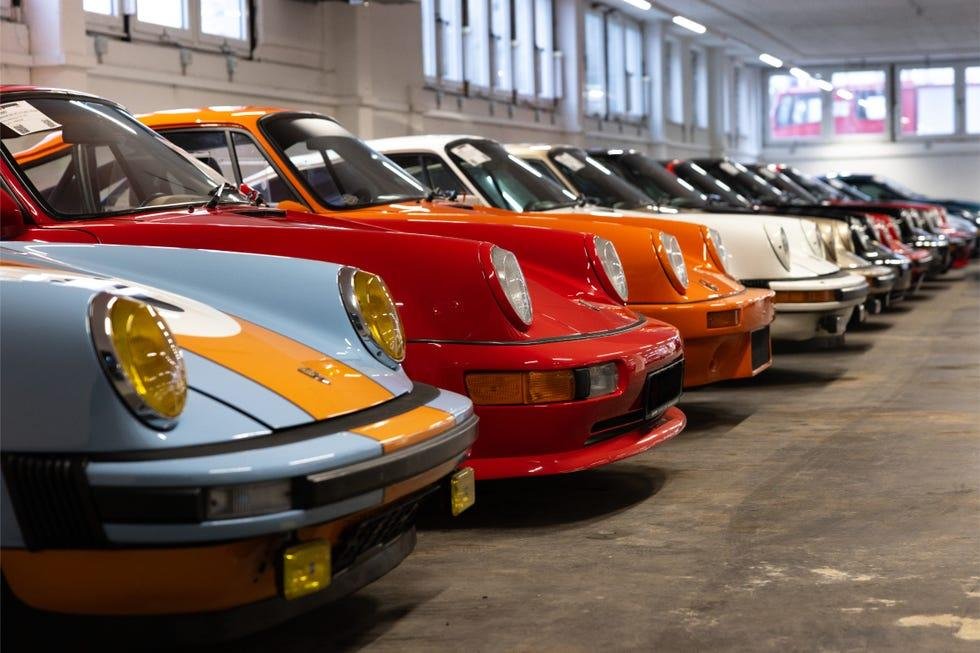
Two identical cars can age completely differently. One may spend fifteen years being serviced properly, stored carefully and driven responsibly. The other may experience neglect, poor repairs, accidents and irregular maintenance. They may have the same badge. The same engine. The same model year. But they will not have the same value. This is why vehicle history matters. A car that ages well isn’t necessarily a car that has avoided being used. It is often a car that has been properly maintained. Service records, accident history, mileage, mechanical condition and originality can all influence how a vehicle is perceived years later. Age is inevitable. Neglect is optional.
The Kenyan Perspective
This becomes particularly interesting in Kenya. The Kenyan automotive market does not operate exactly like European or Japanese markets. Our roads, climate, driving patterns, fuel costs, maintenance infrastructure and parts availability all influence which vehicles remain desirable. A vehicle that performs beautifully in one market may become difficult to own in another. This is why choosing a vehicle should never be based purely on age or price.

A ten-year-old vehicle with excellent engineering, strong parts availability and proper maintenance history can sometimes be a smarter purchase than a newer vehicle with questionable history and expensive complexity.
The question should not simply be:
“How old is the car?”
The better question is:
“How well has the car aged?”
That distinction matters.
When an Old Car Becomes a Classic. Not every old car becomes a classic.Age is only the beginning.A classic usually develops a combination of qualities: Design + Engineering + Identity + History + Emotional Appeal + Desirability. Sometimes the market recognises this immediately.Sometimes it takes decades.And occasionally, a car that was overlooked when new becomes highly desirable later.

That is one of the fascinating things about automotive culture. Time becomes the ultimate test.
The Cars That Survive Time
Ultimately, the cars that age best are rarely the ones that simply had the most technology when they were launched. They are the cars that got the fundamentals right. They had strong proportions. They had purposeful engineering. They had distinctive identities. They were built around a clear idea. And most importantly, they gave people a reason to care. Technology will continue to evolve. Engines will become more efficient. Electric vehicles will become more capable. Screens will become larger. Driving assistance will become more sophisticated. But the fundamentals of a great automobile will remain surprisingly familiar. A beautiful design will still be beautiful.

A well-engineered machine will still be respected. A great driving experience will still be enjoyable. And a car with genuine character will always have a place in automotive culture. Because there is a difference between a car that simply gets old… and a car that becomes timeless. The best cars don’t defeat time. They become more interesting because of it.