
Navigating motor insurance in Kenya can feel overwhelming. With dozens of insurance companies competing for your business, vehicle owners face a recurring dilemma: Should you opt for the mandatory minimum Third-Party Only (TPO) cover, or invest in a Comprehensive Insurance policy?
Getting this decision right goes beyond checking a box for traffic police along Uhuru Highway or the Thika Superhighway. Choosing the right cover—and knowing how to manage it—is a crucial financial decision that determines whether an accident leaves you protected or facing unexpected debt.
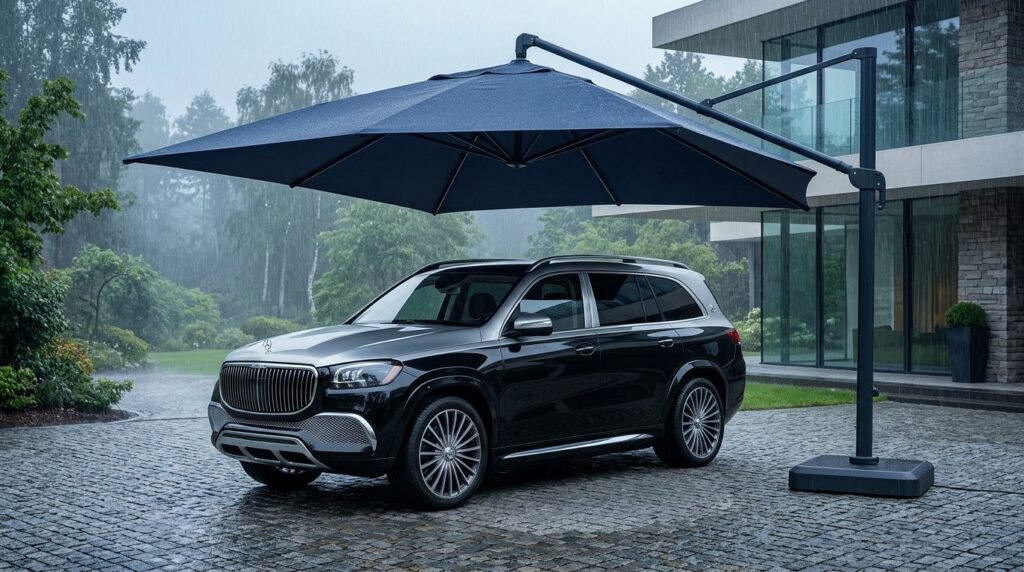
1. Comprehensive vs. Third-Party Insurance: Key Differences
Understanding the fundamental differences between these two main coverage types helps ensure you do not pay for more coverage than you need or leave yourself dangerously underinsured.
Third-Party Only (TPO) Insurance
Third-Party Only insurance is the legal minimum required by Kenyan law under the Insurance (Motor Vehicles Third Party Risks) Act.
- What it covers: It pays for liability arising from damage to other people’s property, third-party bodily injuries, or death caused by your vehicle.
- What it excludes: Your own vehicle. If you crash into a wall or another car, TPO will cover the other party’s repair costs or medical bills, but 100% of your own repair costs come out of pocket. It also does not cover loss from theft or fire.
- Cost: Very affordable, generally starting around KSh 5,000 to KSh 5,063 per year for standard private cars.
- Best for: Low-value or older vehicles (where total market value is low enough that paying comprehensive premiums makes little economic sense), drivers on tight budgets, or vehicles parked most of the time.
Comprehensive Motor Insurance
Comprehensive insurance offers full-scope protection for both you and third parties.
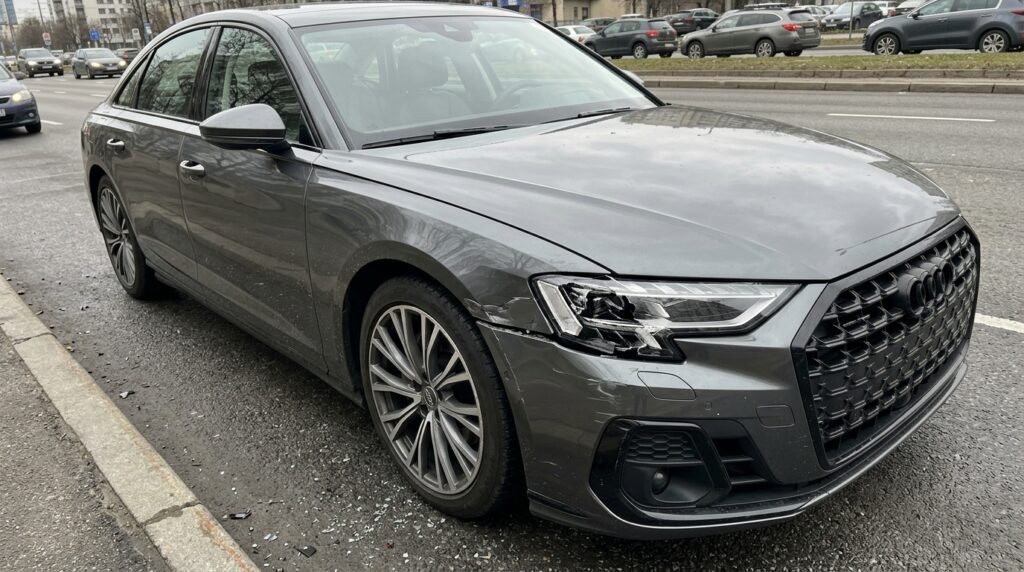
What it covers: Accidental damage to your vehicle, third-party liability, theft, fire, damage from riots/strikes (often as standard or an addon), and wind-screen/car stereo damage.
What it excludes: Intentional damage, driving under the influence, unroadworthy vehicles, or driving with an unlicensed driver.
Cost: Calculated as a percentage of your car’s valuation (typically 2.75% to 4% of the vehicle’s market value annually, subject to minimum premium thresholds around KSh 25,000 to KSh 30,000).
Best for: New cars, high-value private vehicles, fleet/commercial operations, or cars financed through bank loans (where lenders mandate comprehensive cover).
2. Top Insurance Providers Offering the Best Value in Kenya
Value in motor insurance isn’t just about finding the lowest premium—it is defined by financial stability, payout speed, claim-settlement ratios, customer service, and added benefits.
Here is a breakdown of top-tier insurance companies in Kenya that balance cost and performance:
| Insurance Provider | Primary Strengths | Best Value Feature |
| Britam | High financial stability, strong agent network, fast digital claims processing. | Flexible policy add-ons like Excess Protector, Roadside Assistance, and Political Violence & Terrorism (PVT) cover. |
| ICEA LION | Top-tier corporate and individual reputation, solid financial backing. | Excellent for mid-to-high value vehicles; competitive rates with reliable claim resolution times. |
| Jubilee Insurance | One of the region’s oldest and most solvent underwriters. | Comprehensive packages including emergency roadside support, courtesy cars, and loss-of-use compensation. |
| APA Insurance | Innovative digital integration (hasty claims handling via app). | Risk-based, highly competitive pricing for both private motorists and commercial fleets. |
| CIC Insurance Group | Accessible, wide network, tailored micro-insurance options. | Monthly/flexible premium payment structures and quick TPO turnarounds. |
High-Value Riders to Look For
When taking comprehensive cover, consider adding these optional benefits:
Excess Protector: Waives the standard mandatory “excess” fee (typically 2.5%–5% of the claim amount) you must pay out of pocket before repairs begin.
Courtesy Car Cover: Provides a substitute vehicle for a set period while yours is in an approved garage for repairs.
PVT (Political Violence & Terrorism): Protects against damage caused during riots, strikes, or civil unrest—particularly useful in urban areas.

3. Why Claims Get Rejected and How to Avoid Them
Filing a claim and getting hit with a rejection letter is every car owner’s nightmare. Fortunately, the majority of motor insurance claim denials in Kenya stem from avoidable procedural errors.
Common Reasons for Claim Rejection:
- Delayed Accident Notification: Most insurance contracts require you to notify the insurer within 24 to 48 hours of an incident. Late filings are a top reason for repudiation.
- Unlicensed or Unauthorized Drivers: If your car is involved in a crash while being driven by someone without a valid Kenyan driving license, or a driver explicitly excluded in the policy, the claim will be denied instantly.
- Unauthorized Repairs: Taking your vehicle to your personal mechanic before an official assessment/approval by the insurer’s loss assessor will result in automatic rejection.
- Drink-Driving and Illegal Acts: Driving under the influence of alcohol/drugs or violating traffic laws (e.g., using a private car for commercial ridesharing without the correct commercial policy classification) voids coverage.
- Lapsed Policy / Unpaid Premiums: If an accident occurs while your premium payments are overdue or your cover note has expired, the insurer has no legal obligation to compensate you.
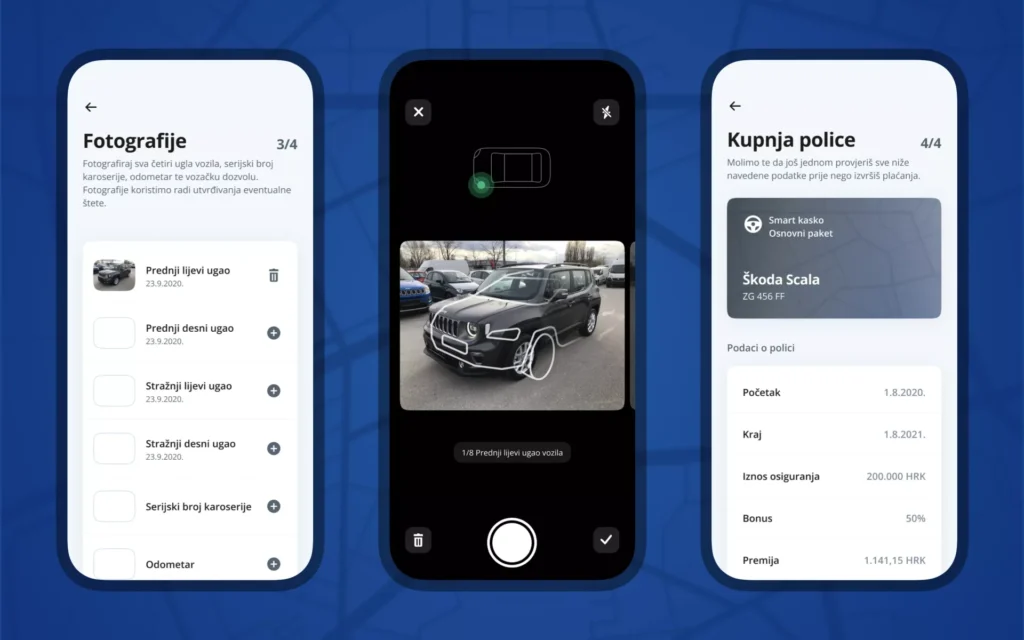
4. Step-by-Step Guide: How to Ensure a Smooth Claim Process
To protect yourself and guarantee a hassle-free payout if an accident occurs, follow this step-by-step checklist:
- Document the Scene immediately: Take clear photos and videos of the damage, vehicle positions, registration plates of involved cars, and surrounding road conditions before moving the vehicles.
- Obtain a Police Abstract: Report the accident to the nearest police station immediately to secure an official Police Abstract. This document is mandatory for all damage or injury claims.
- Notify Your Insurer within 24 Hours: Call your provider’s hotline, email them, or log the incident via their mobile app/portal to generate a claim tracking number.
- Wait for Assessment: Allow the insurer’s assigned loss assessor to inspect the car at an authorized panel garage. Do not authorize any repairs or tear-down work until you receive written approval.
- Maintain Annual Valuations: For comprehensive cover, ensure you revalue your car annually. Over-insuring wastes money on high premiums, while under-insuring leads to the “Average Clause”—where the insurer pays only a pro-rata percentage of your claim because the car’s declared value was lower than its actual market rate.
Final Verdict: Making the Right Choice
If your vehicle is relatively new, financed, or expensive to repair, Comprehensive Insurance from established underwriters like Britam, Jubilee, or ICEA LION offers peace of mind that far outweighs the premium cost.
However, if you drive an older vehicle with low market value or tight cash flow, a Third-Party Policy fulfills your legal duty while protecting you from third-party liabilities.
Whichever option you choose, always read the fine print, disclose how the vehicle will be used, keep your premiums current, and strictly follow claim reporting timelines to guarantee coverage when you need it most.
Compiled By Sipitali Shitsukane
Vehicle Imports Consultant