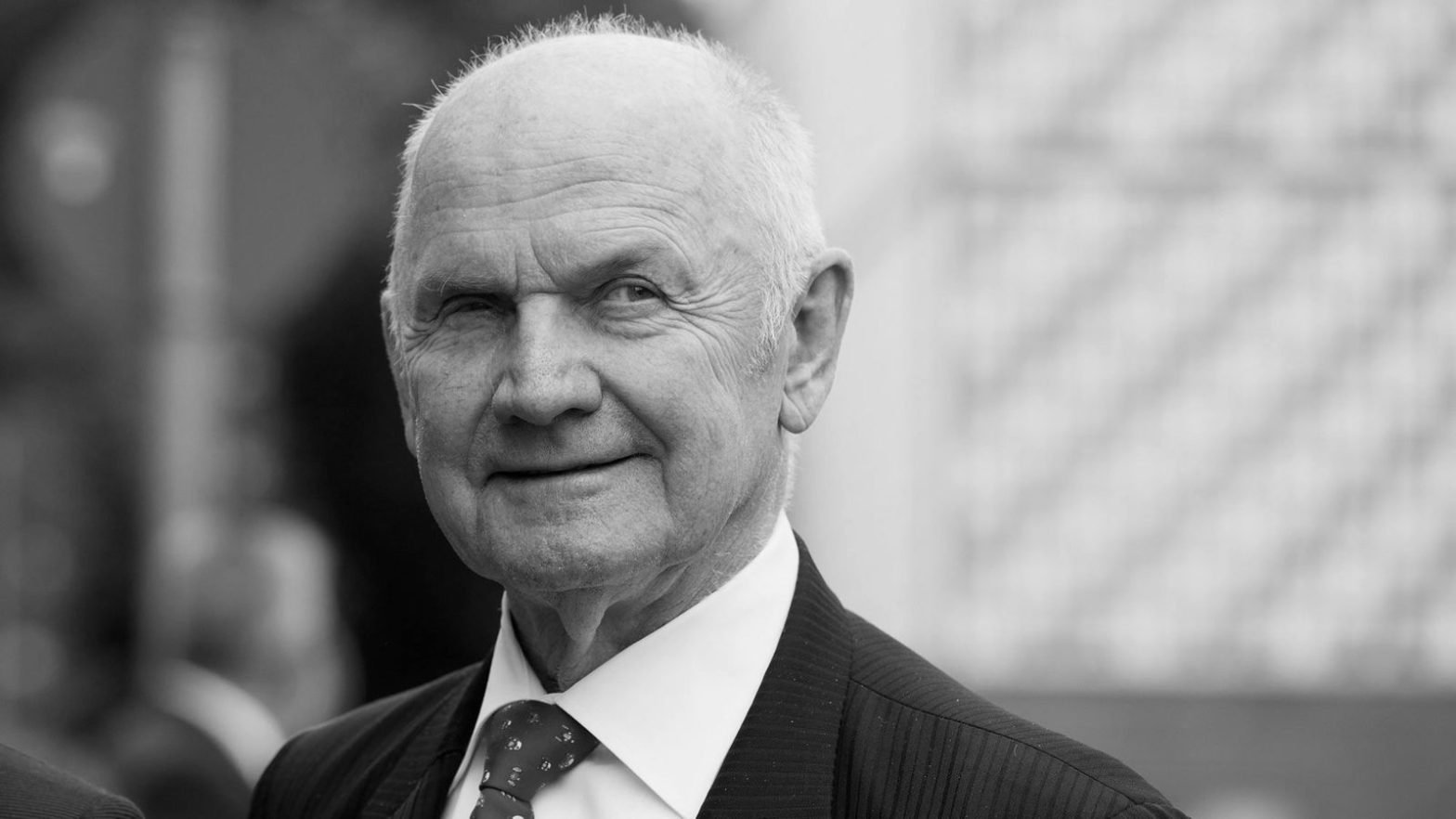
For five decades, one man steered the direction of the entire automotive industry through his technological achievements—yet his name never graced a single badge. You may not know Ferdinand Karl Piëch , but you most certainly know the cars he created, whether you’ve admired a Veyron’s roar, driven a Quattro AWD car, or seen a VW on the road today—you’ve experienced Piëch’s imprint. His brilliance has owned the entire automotive universe from 250 mph to 250mpg, and everything between.
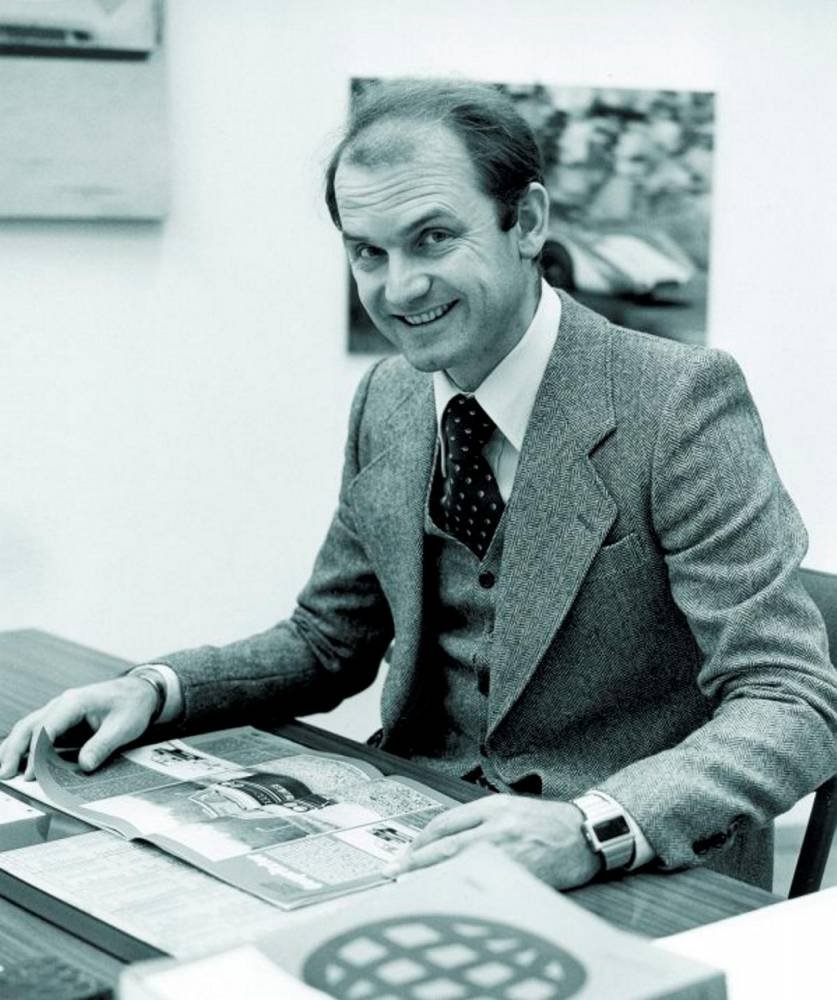
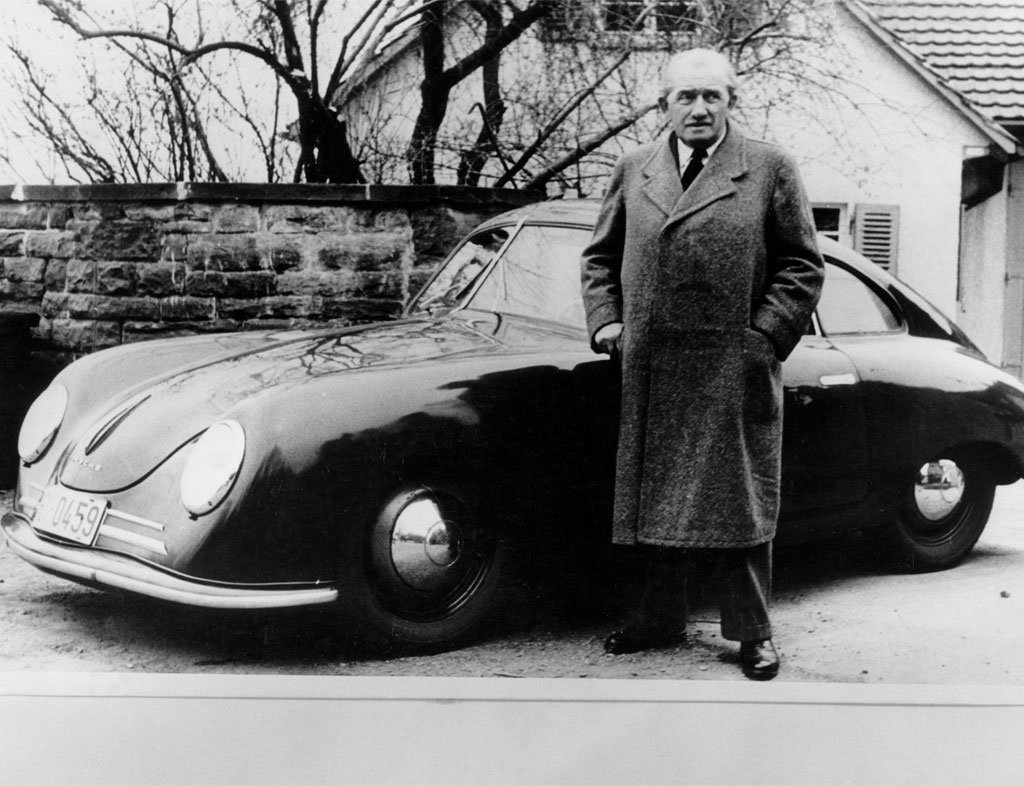
Born on the 17th of April, 1937, in Vienna, the grandson of Ferdinand Porsche, Piëch was one man who rescued one storied car maker after another from bankruptcy, assembled them all together, and created the world’s largest and most powerful car company.
The 917 Legacy: Going “More, More, Most”
Despite having dyslexia, Piëch studied mechanical engineering at ETH Zurich. His thesis? Designing an F1-ready engine. At the same time, Porsche was involved in F1, developing an eight-cylinder engine for the Porsche 804.
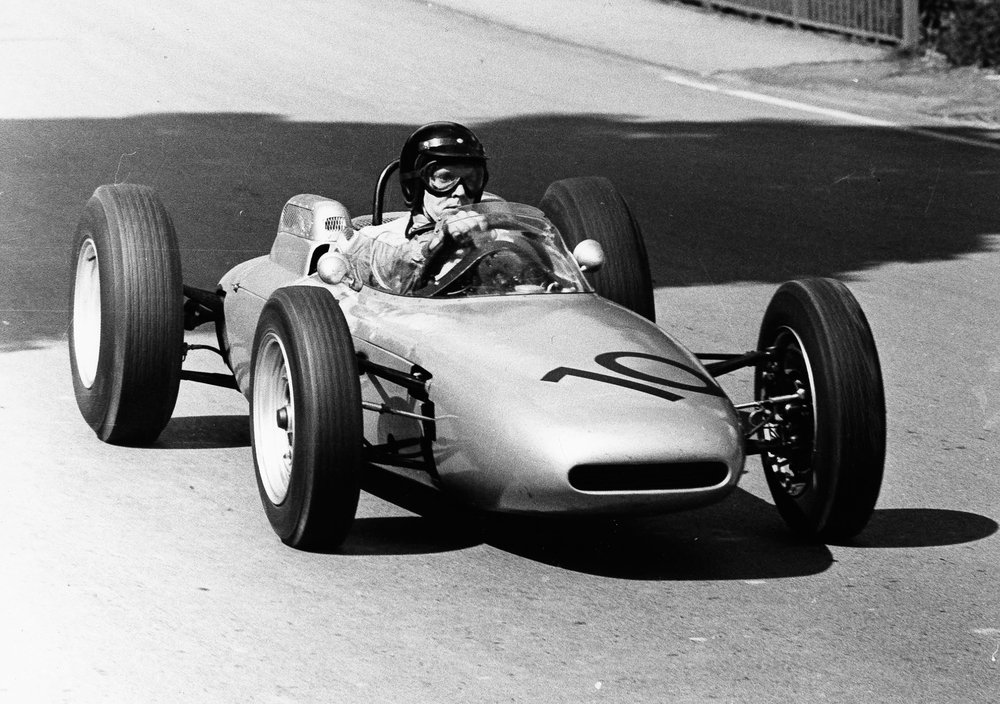
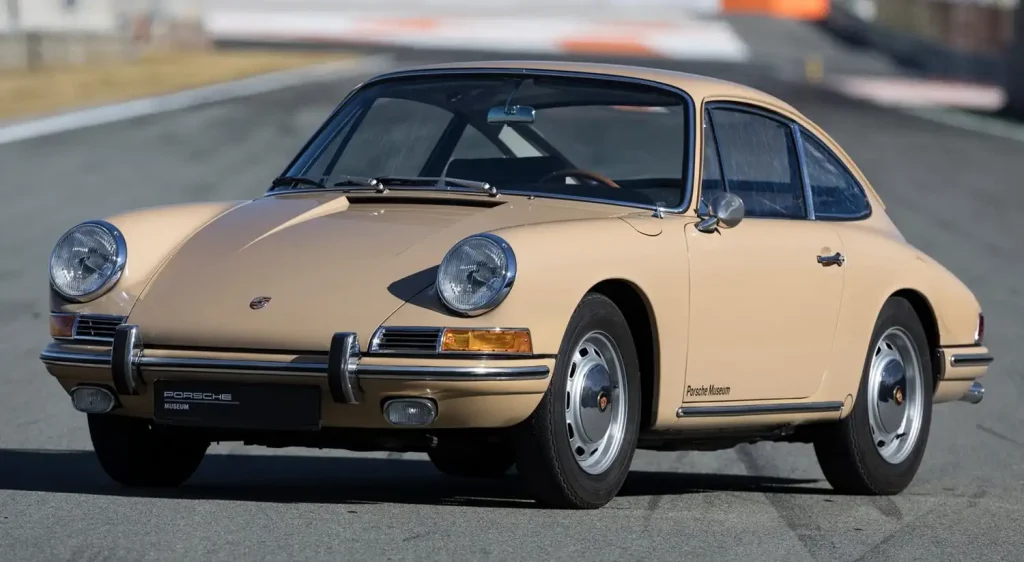
Butzi Porsche, Piëch’s first cousin, did the 911 while Piëch was in college. In 1963, Ferdinand Piëch graduates, comes to work at Porsche, starts 6 months before the 911 is due to enter production, and stops the whole thing. Says, ”Halt! Stop! Forget It. If we are supposed to sell this car then we must race this car!” And to make the 911 into a race car, the brand new Hans Mezger-designed flat-6 needed dry sump lubrication.
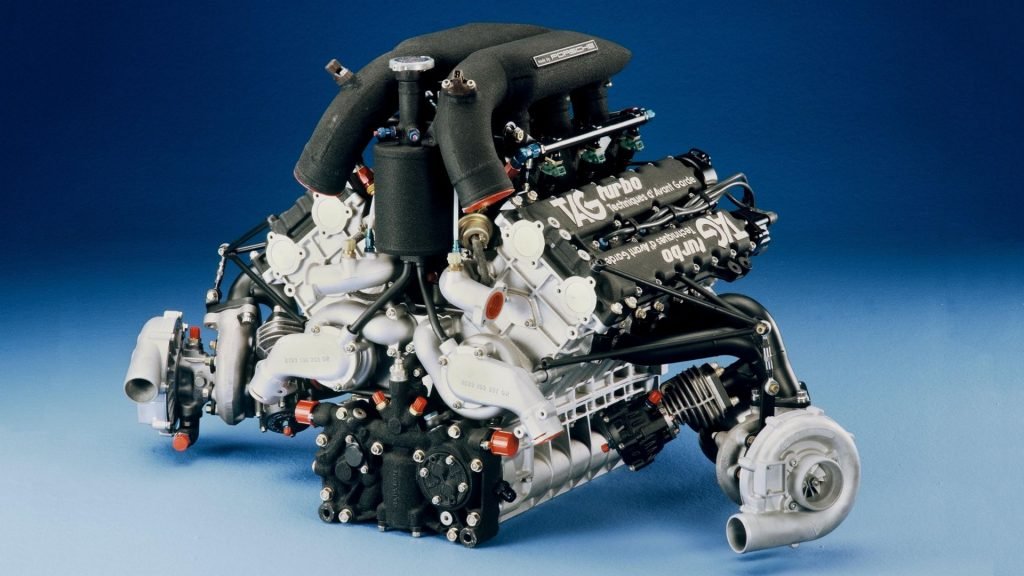
Just months into his first job ever, Piëch managed to convince Mezger and the whole management team to redesign the 911’s oiling system. The Porsche 911 — the definition of sports car for 60 years — might not have been able to survive on the race track. That was that man’s first-ever achievement in the automotive industry: ensuring that the 911 was raceable.
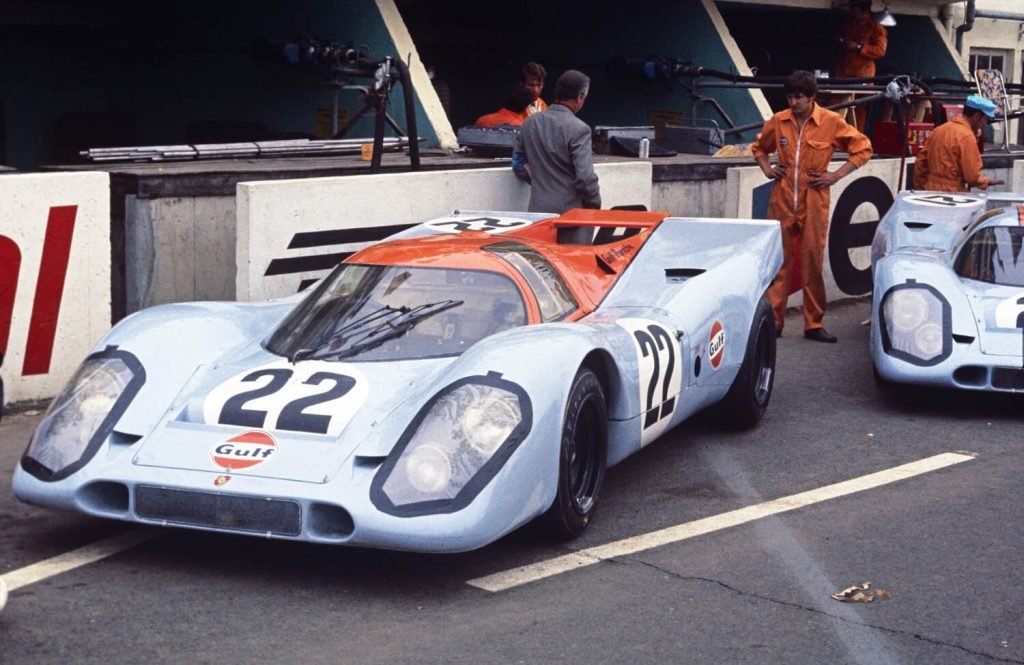
Piëch’s philosophy—“more is more”— took the company’s races from four-cylinders to sixes, eights, twelves, and even a prototype 16-cylinder, reaching its zenith with the legendary Porsche 917. The flat-12 beast achieved over 1,100 horsepower in its turbo guise, wrecking its own racing series before taking down Le Mans—this machine effectively laid the groundwork for modern endurance racing. Despite this great success, the company fired Piëch. Who thought!
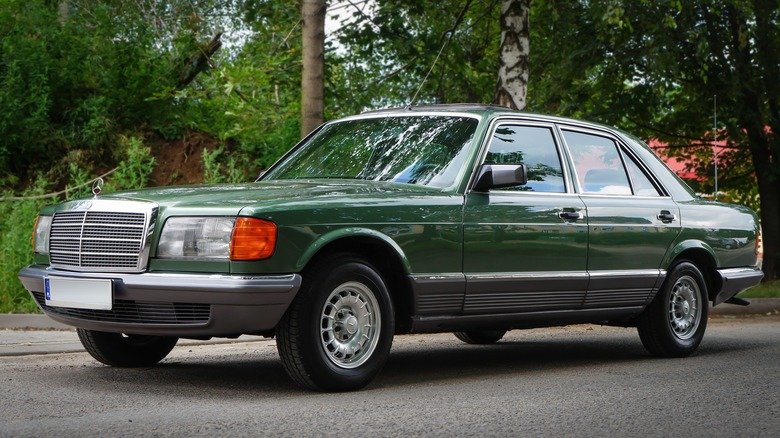
Following an internal Porsche family drama, all Porsche’s descendants were prohibited from holding any high-level managerial positions at the company. Piëch immediately started a consulting gig and was fast hired by Mercedes. In just six months, he mutated the OM617 diesel into the world’s first production 5‑cylinder engine—a perfect fusion of power and efficiency. This engine is now legendary for its 5-cylinder lope, its clatter, and its indestructibility. Mercedes was so pleased with Dr. Piëch’s work that they offered to put him in line to become the next chief of development. He turned them down because he said that Mercedes-Benz’s engineering budget was too small.
Audi Revolution & AWD Breakthrough
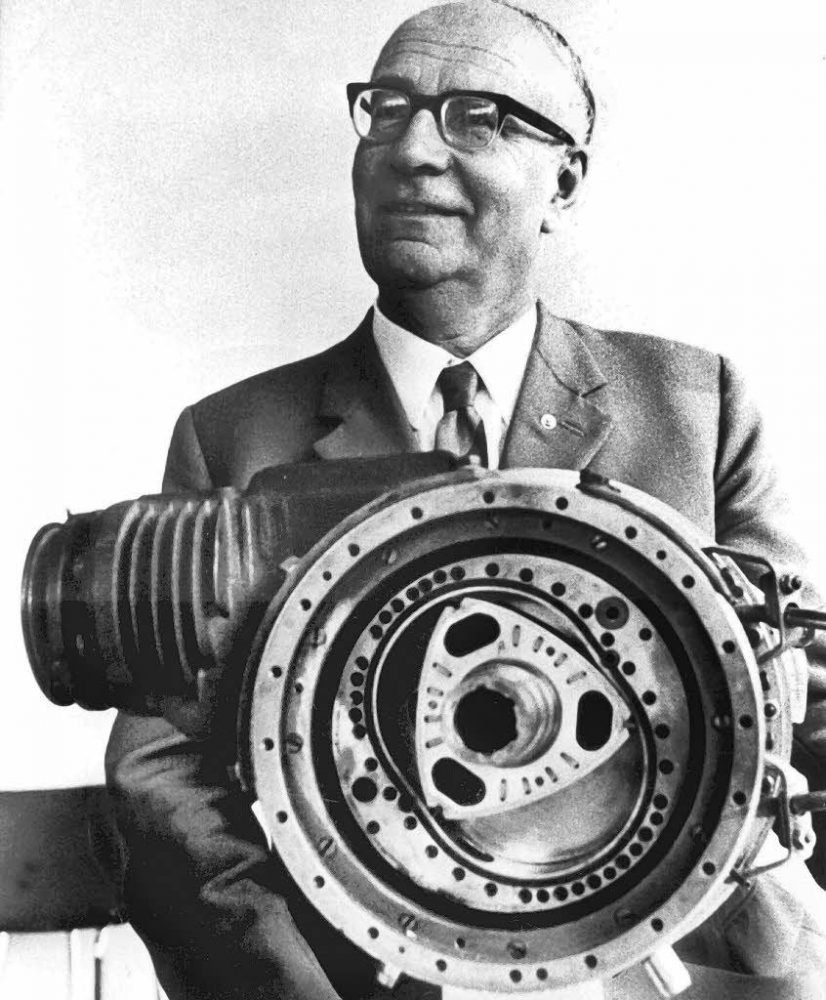
Immediately thereafter, Audi hired him. At this point in its history, Audi had no identity. The company was trying desperately to differentiate itself from the market by using a Wankel rotary engine. He scrapped rotary engines, embraced 5-cylinders, and introduced a galvanized body for durability.
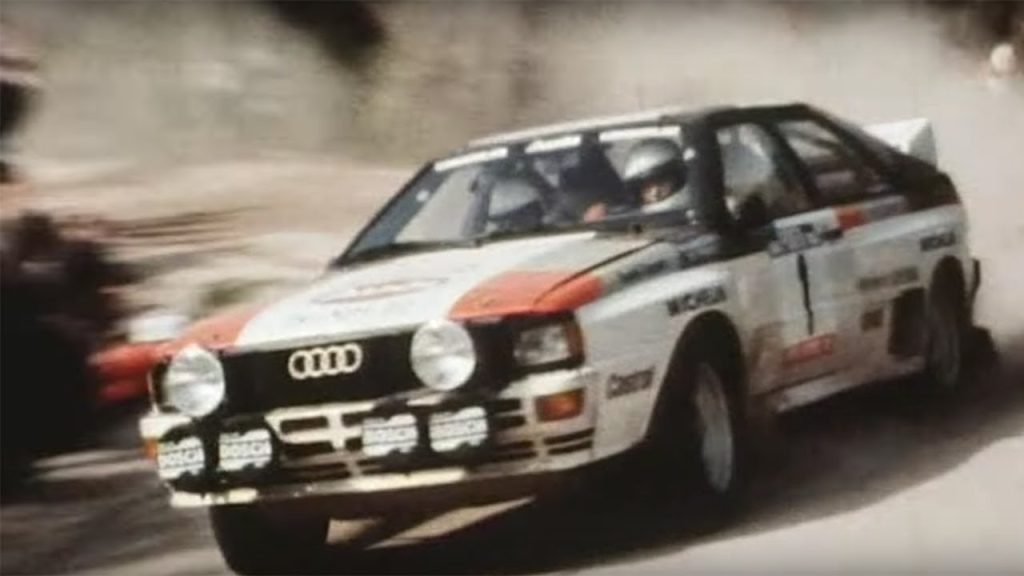
Remember that it had only been a couple of years since the Porsche 917, and Piëch’s heart was still in motorsport when one of his engineers came up with an unusual plan to give Audi a competitive advantage in racing: four wheel drive. Which was unthinkable! At the time, four-wheel drive systems existed basically just to get your stuck truck out of the mud, but then stopped that truck from turning. Audi developed a permanent all-wheel drive system that didn’t hurt turning nearly as much.
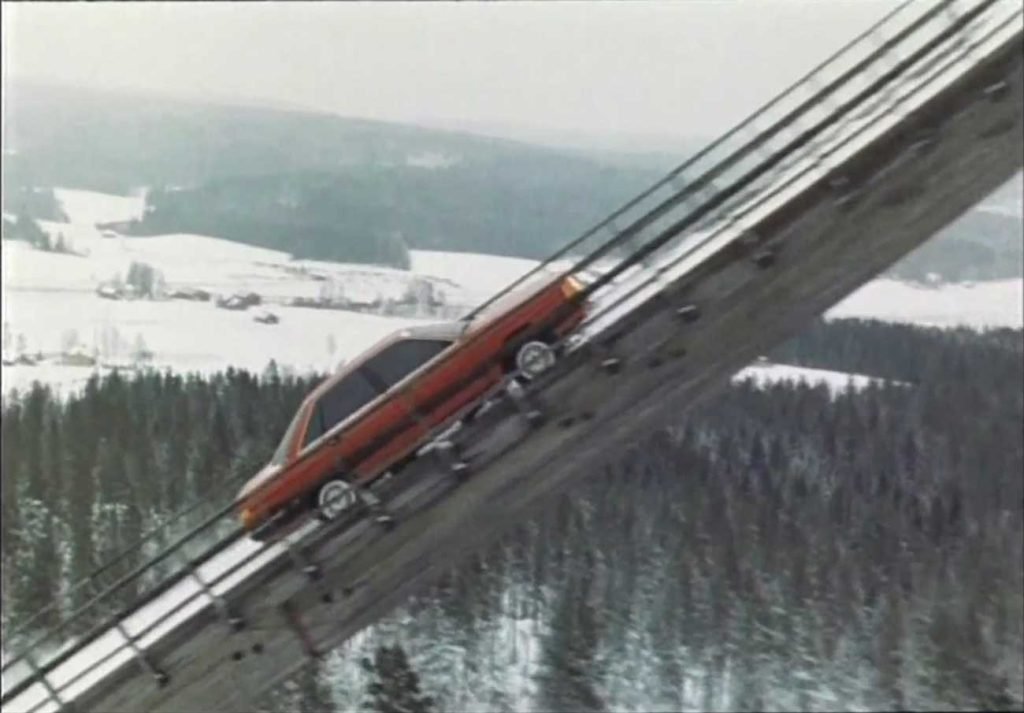
In fact, when Audi tested its first prototype, it made it around the Hockenheim ring about as quickly as a front-wheel drive Audi with 50% more power. And that was on dry pavement — it would have been a bigger benefit if it was snowy or wet or muddy, making Quattro the perfect tool to win rallies. To prove the system’s worth, Piëch drove a prototype up a 23% snowy Alpine pass—on summer tires— right in front of the other managers, who were presumably stunned speechless-solidifying Audi’s road and rally DNA.
Platform Strategy & VW Resurgence
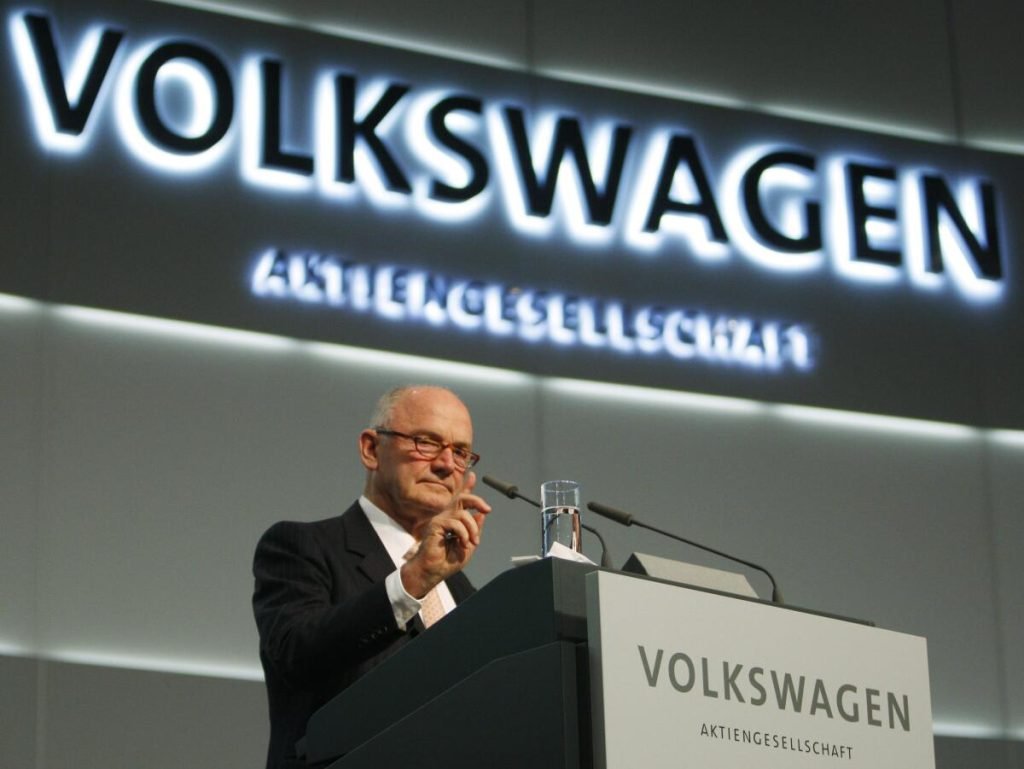
In 1993, Piëch became Volkswagen Group’s CEO, inheriting near-bankruptcy. He introduced shared platforms (PQ34, later MQB/MEB), slashing costs and raising quality across brands. Under his watch, VW’s U.S. sales skyrocketed (62,000 to 355,000 units by 2002), and the empire expanded: Porsche, Bentley, Lamborghini, Bugatti, Skoda, Seat—Piëch put them all under one roof.
Golf R32 & the Birth of DSG
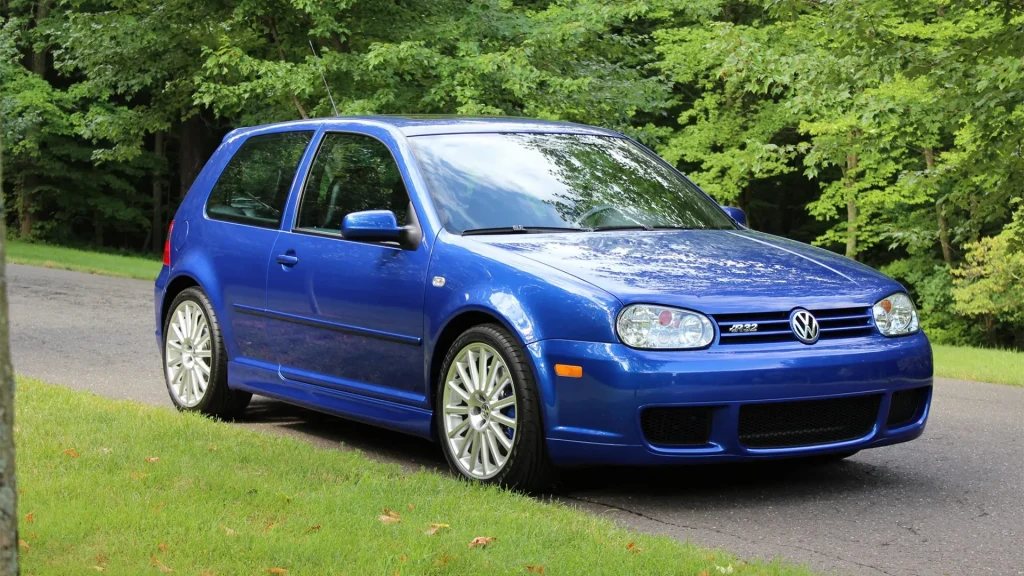
In 1999, the Mk4 Golf R32 debuted. This was a miniature hatchback luxury car, and it came with a six-cylinder that was so smooth and so sonorous that Mercedes bought it to put in its own cars. The R32 came with Piëch’s trademark all-wheel drive, but it was also the first car ever put in production with a dual clutch automatic transmission (DSG in Volkswagen-speak) and that’s another Piëch-era invention that has spread like wildfire throughout the entire automotive industry.
Phaeton: Uncompromising Luxury
Next: the Volkswagen Phaeton, engineered to beat the Mercedes S-Class. Its specs were ruthless: 300 km/h at 50 °C, torsional rigidity surpassing competitors, and a 12-cylinder W-engine built from VR6 blocks. For safety, and for quietness, the Phaeton’s body was so stiff that it made a contemporary Mercedes feel like undercooked Spätzle by comparison. It was a technological showpiece — it even had an air conditioning system that provided cool air without blowing directly at you, because Germans believe that moving air will make you sick.
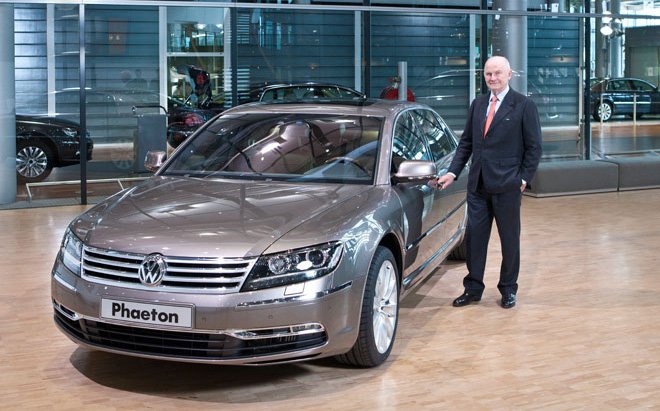
Though not a commercial success, its engineering benchmark powered future Bentleys and raised VW’s technical bar.
Veyron: Hypercar & a Middle Finger to Limits
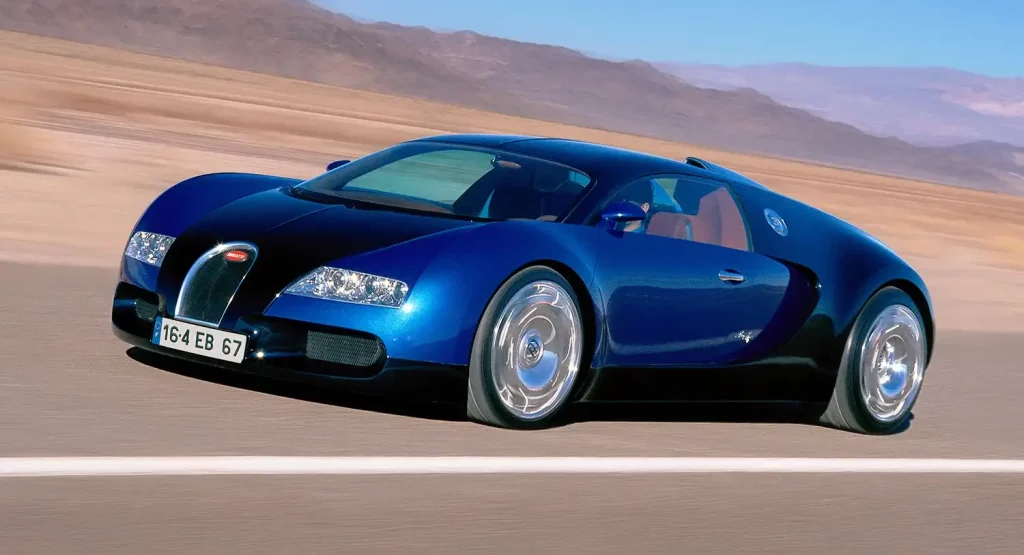
Sketching part of it on a Shinkansen ride in 1997, Piëch realized his vision in the Bugatti Veyron: a quad-turbo W16 with 1,001 PS, 0–100 km/h in 2.5 seconds, and 407 km/h top speed—precisely matching a record once set by the Le Mans 917. The Veyron didn’t just break records; it reclaimed them—and waved defiantly.
XL1: The Hyper-Efficient Beauty
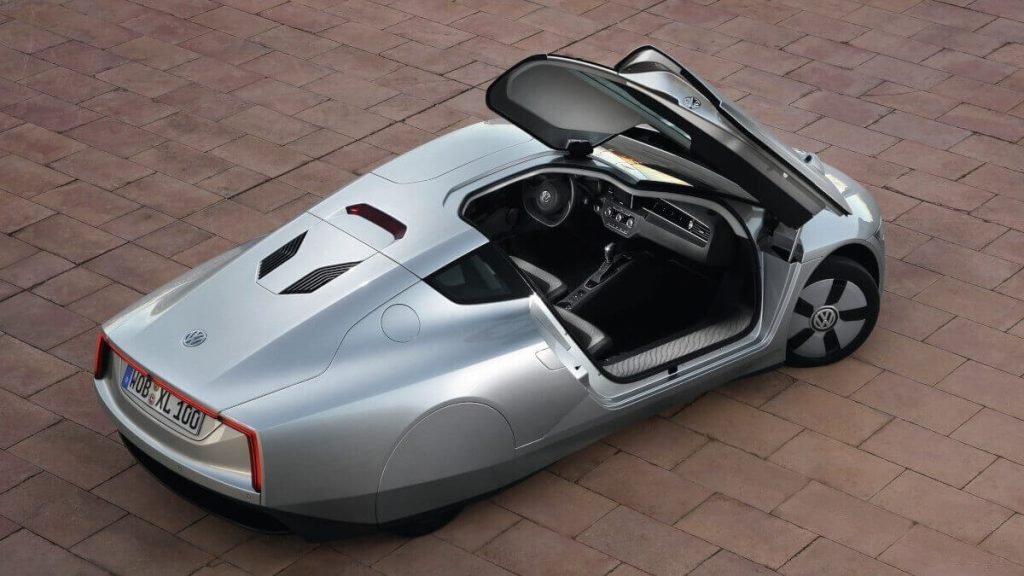
As a counterpoint, the XL1 was born: a carbon-fiber, two-engine plug-in hybrid fossil-burning marvel that achieved 0.9 L/100 km (~261 mpg). With gull-wing doors and a Cd of just 0.189, it showed Piëch’s belief that precision engineering could yield not just speed—but exceptional efficiency.
Platform Sharing: The Invisible Thread
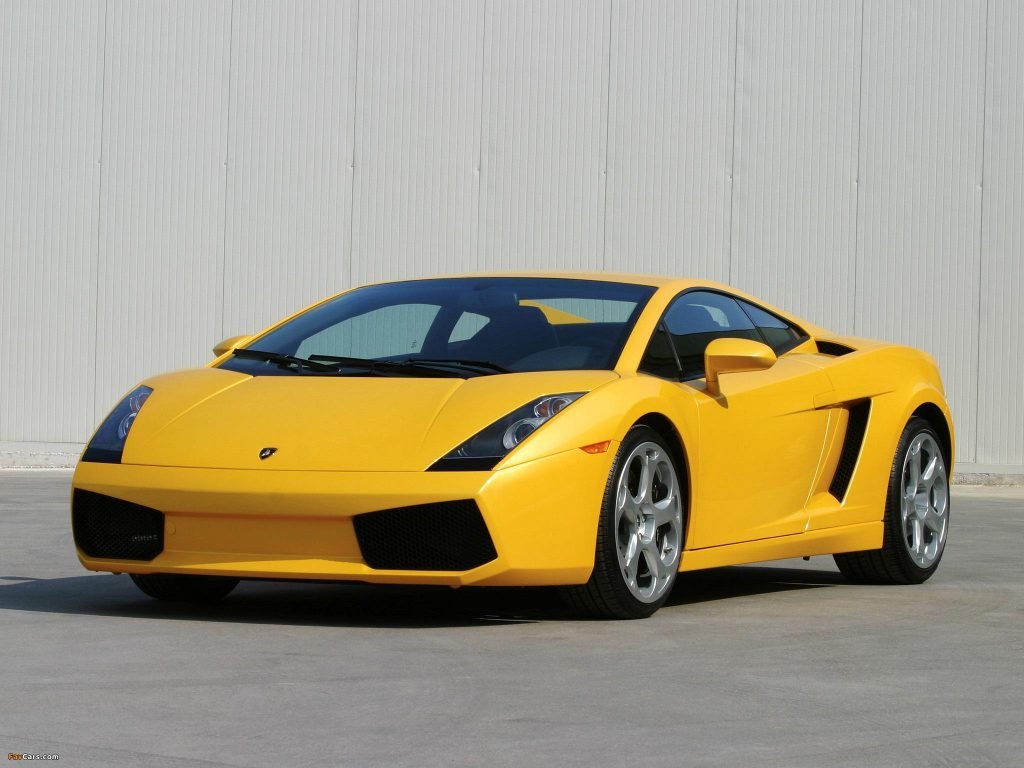
Badge engineering is how he made an Audi R8 and a Lamborghini Gallardo out of the same car. Piëch did part sharing in the opposite direction as everyone else though. He started at the top, always engineering a car for the highest possible brand, and then allowing it to trickle down and be badged as something cheaper.
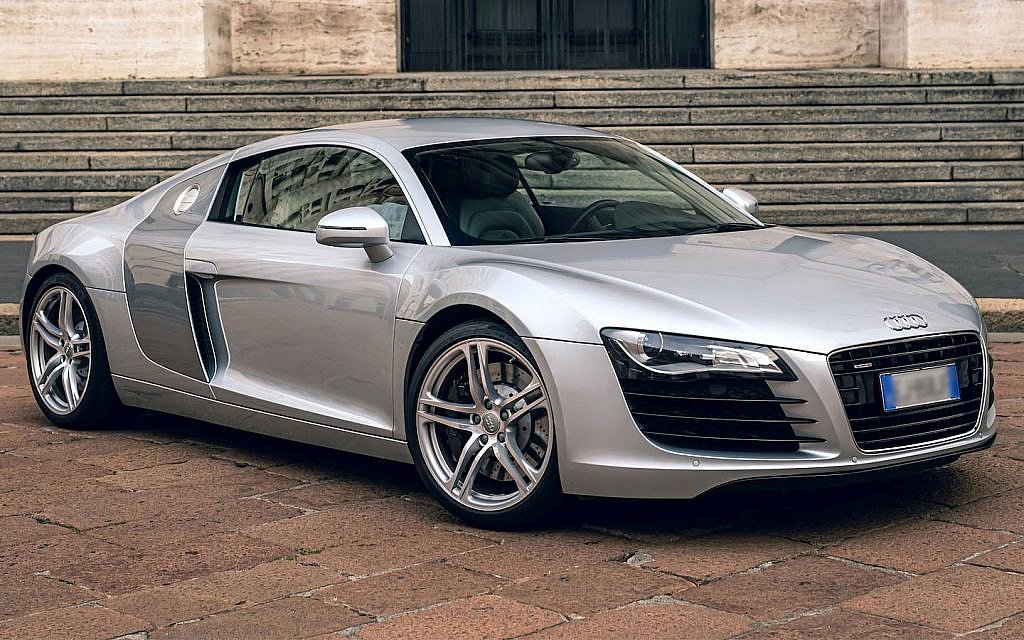
The Gallardo was made to be a real Lamborghini, which made it an incredible Audi. All he did was make a really good set of expensive parts and then take advantage of economies of scale by producing a ton of them. Yeah, and that’s how you wind up with a Golf as a little bitty luxury car.
Piëch’s part-sharing strategy had won him the game of the automobile. He owned everything —Volkswagen, Audi, Porsche, Bentley, Bugatti, to say nothing of Lamborghini, Seat and Skoda. VW had everything from the bottom of the market to the absolute top. And so in April 2015, at the age of 78, Dr. Ferdinand Karl Piëch tendered his resignation to the Volkswagen supervisory board, knowing he’d done it all. Or maybe he just knew what was coming next.
Dieselgate
Just 5 months later, Volkswagen was in big trouble. “German automaker Volkswagen is in court today facing a class-action lawsuit over an emissions cheating scandal; the so-called Dieselgate.” And at the core of it all, Piëch’s beloved TDI engine. After installing a defeat device that would allow noxious emissions in the real world, while appearing to be clean on government tests, Dieselgate has now cost Volkswagen almost $40 Billion. It killed off the diesel passenger car completely in the US — mortally wounded it in Europe, too.
Piëch passed in 2019, leaving behind a mixed legacy of racing heritage, engineering brilliance, world-leading brands, and corporate controversy.
Your Turn
Which Piëch innovation speaks to you most?
- The track-ready 911’s birthing?
- The Ur-Quattro alpine stunt?
- Golf R32’s compact luxury?
- Veyron’s world-conquering speed?
- XL1’s efficiency engineering?
- Or platform-wide economies shaping value?
Drop your favorite—or challenge overlooked feats! Let’s discuss how this enigmatic titan still fuels the automotive world.
Leave a Reply