
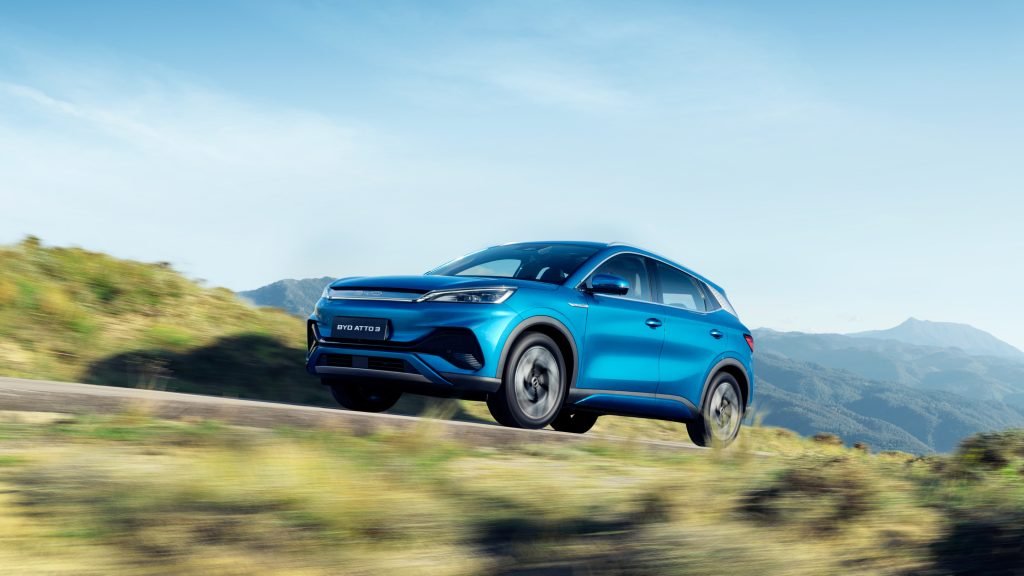
The global push for electric vehicles (EVs) as a cornerstone of sustainable transportation has gained significant momentum, driven by the need to reduce carbon emissions and combat climate change. The Kenyan EV market has witnessed a significant growth in 2025 as compared to the previous years with models like the Nissan Leaf, Tesla Model 3, and BYD Atto 3 leading the market.
While EVs are celebrated for their environmental benefits in developed nations, their adoption in Africa faces significant hurdles that question their sustainability in the region. Despite the continent’s vast potential for renewable energy and its rich deposits of critical minerals like cobalt and lithium, systemic challenges—ranging from infrastructure deficits to economic constraints and environmental concerns—make the widespread transition to EVs complex and potentially unsustainable in the African context. In this blog, we explore these challenges in depth, highlighting why EVs may not yet be the silver bullet for sustainable mobility in Africa.
1. Inadequate Electricity Infrastructure
Africa’s electricity infrastructure is a major bottleneck for EV adoption. According to the International Energy Agency (IEA), as of 2023, over 600 million people in sub-Saharan Africa lack access to electricity, representing about 43% of the continent’s population. Even in urban areas where electricity is available, power grids are often unreliable, with frequent outages and load shedding in countries like South Africa, Nigeria, and Kenya.

EVs rely heavily on a stable and accessible electricity supply for charging. Without widespread, reliable grid infrastructure, scaling up EV use is impractical. Building a comprehensive network of charging stations across Africa’s vast and diverse terrain is a daunting task, particularly in rural areas where populations are dispersed, and infrastructure investments are scarce. For instance, South Africa, one of the continent’s most industrialized nations, had fewer than 1,000 public charging stations as of 2024, compared to over 140,000 in the European Union. The cost of expanding this infrastructure is prohibitive, and funding is often diverted to more immediate priorities like healthcare or education.
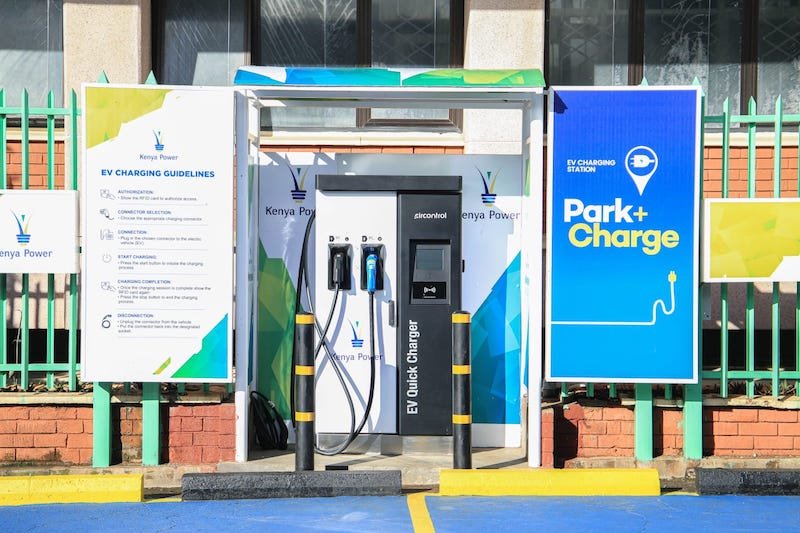
Moreover, much of Africa’s electricity is generated from fossil fuels, particularly coal in countries like South Africa and diesel generators in off-grid areas. If EVs are charged using fossil fuel-based electricity, their environmental benefits are significantly diminished, undermining the sustainability argument for their adoption.
2. High Costs and Economic Barriers
EVs are significantly more expensive than internal combustion engine (ICE) vehicles, with average prices in 2025 ranging from $30,000 to $60,000 for entry-level models like the Tesla Model 3 or Nissan Leaf. In contrast, used ICE vehicles, which dominate Africa’s automotive market, can be purchased for as little as $2,000–$5,000. Given that the average per capita income in sub-Saharan Africa is around $1,600 (World Bank, 2023), EVs remain out of reach for the vast majority of Africans.
Beyond the purchase price, the cost of maintaining and charging EVs adds further financial strain. Batteries, which account for 30–40% of an EV’s cost, degrade over time and require replacement, a process that can cost thousands of dollars. In Africa, where access to specialized repair services and spare parts is limited, maintaining EVs could be both costly and logistically challenging.
Government subsidies and incentives, which have driven EV adoption in Europe and North America, are largely absent in Africa due to constrained public budgets. Countries like Kenya and Rwanda have introduced policies to promote EVs, such as tax exemptions, but these measures are insufficient to bridge the affordability gap for most consumers. Without significant economic reforms or external funding, EVs risk remaining a luxury for the elite, failing to achieve the scale needed for a sustainable transportation revolution.
3. Dependence on Imported Technology and Minerals
Africa is home to vast reserves of minerals critical for EV production, including cobalt (60% of global supply from the Democratic Republic of Congo), lithium, and graphite. However, the continent lacks the industrial capacity to refine these raw materials or manufacture EVs locally. Instead, African countries export raw minerals to countries like China and Europe, which produce batteries and vehicles that are then sold back to Africa at a premium.
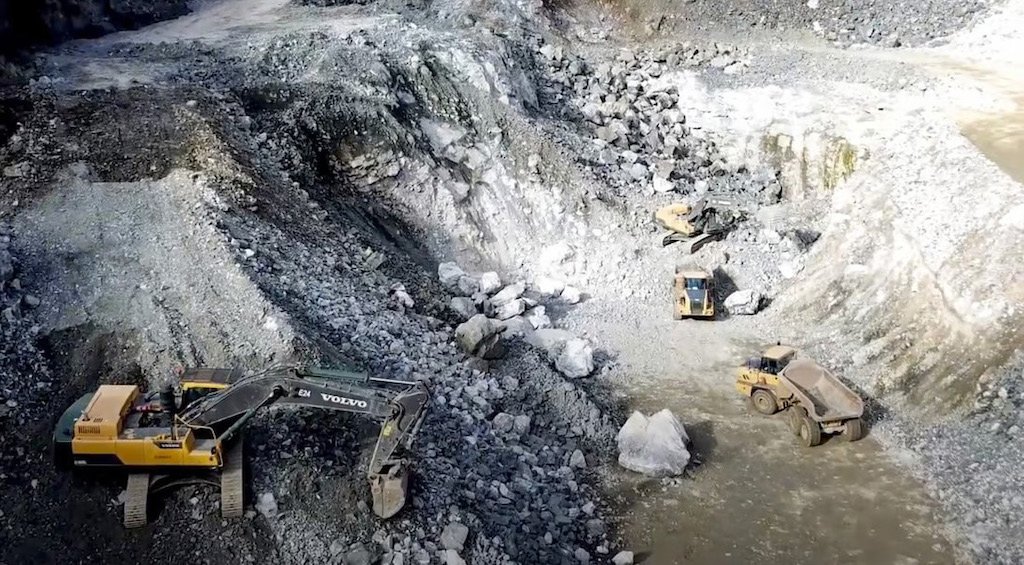
This dependency on imported technology limits the economic benefits of EV adoption for African nations. It also perpetuates a cycle of resource extraction that has long plagued the continent, with minimal value addition occurring locally. Furthermore, the environmental and social costs of mining—such as deforestation, water pollution, and human rights abuses in artisanal mining communities—raise questions about the sustainability of relying on Africa’s mineral wealth to fuel the global EV transition.
4. Environmental and Social Impacts of Battery Production
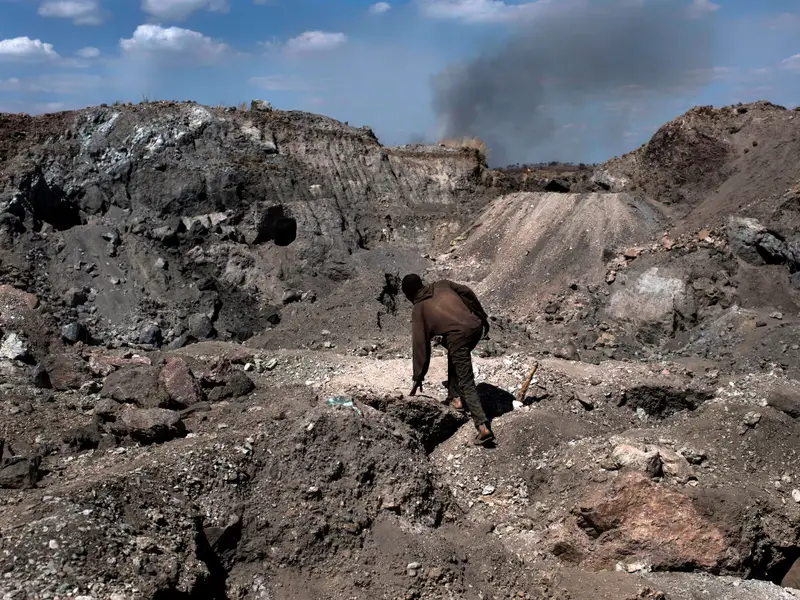
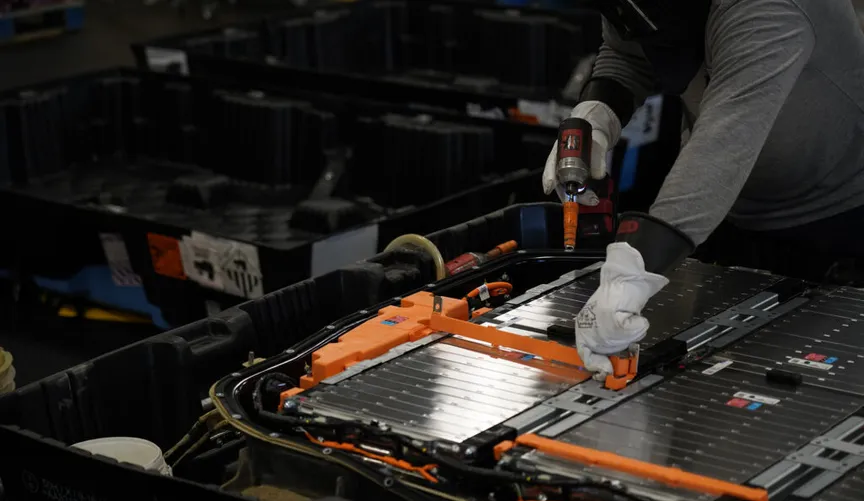
While EVs are marketed as a green solution, their production is resource-intensive and environmentally damaging. The extraction and processing of lithium, cobalt, and nickel for EV batteries require significant energy and water, often leading to ecological degradation. In Africa, where environmental regulations are often weak or poorly enforced, mining activities have caused widespread harm. For example, cobalt mining in the DRC has been linked to water contamination and health issues for local communities.
Additionally, the disposal of EV batteries poses a long-term environmental challenge. Africa lacks the recycling infrastructure to handle used batteries, which contain toxic chemicals that can leach into soil and water if not properly managed. Without investment in recycling facilities, the push for EVs could exacerbate waste management issues, undermining their sustainability credentials.
5. Urban-Centric Focus Ignores Rural Realities
Africa’s population is predominantly rural, with over 60% living outside urban centers. EVs are designed primarily for urban environments with access to charging infrastructure, but rural areas—where roads are often unpaved and electricity is scarce—present unique challenges. Motorcycles and small ICE vehicles are the backbone of rural transport in many African countries, offering affordability and flexibility. EVs, with their reliance on charging stations and smooth roads, are ill-suited to these contexts.
Public transport systems, such as minibuses (e.g., matatus in Kenya), are also critical for mobility in Africa. Electrifying these fleets would require massive investments in infrastructure and vehicle replacement, which most governments and private operators cannot afford. As a result, the focus on EVs risks prioritizing urban elites while neglecting the transportation needs of rural and low-income populations.
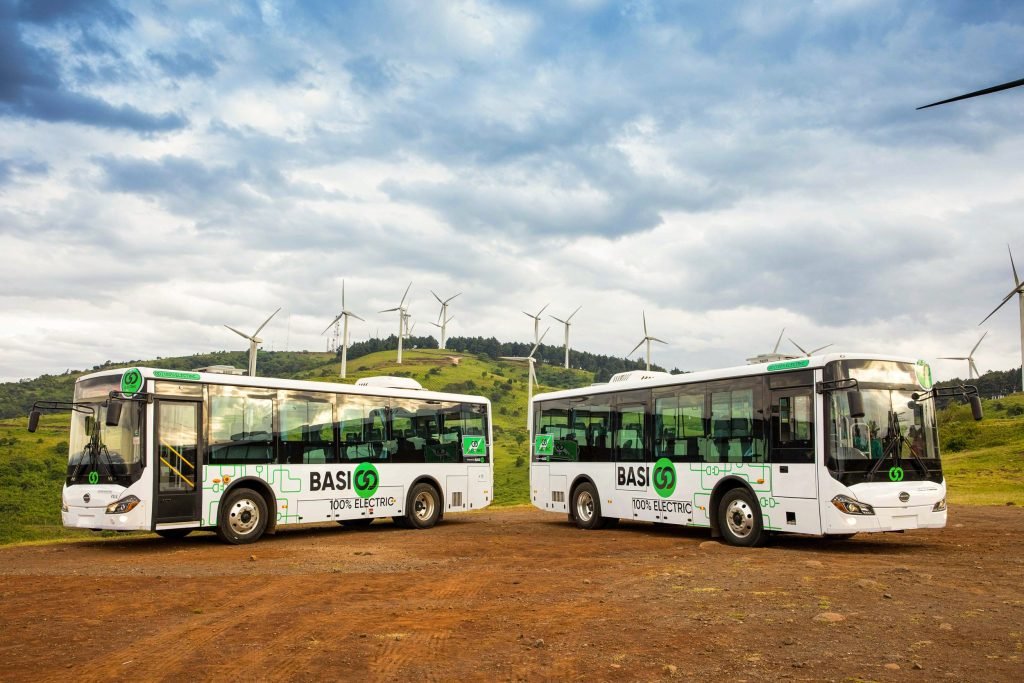
The Kenyan government has supported public transport electrification through regulatory reforms, local assembly incentives, and coordinated financing. These moves have enabled startups like BasiGo and Uber Electric Boda to scale cleaner, more affordable transport options that align with national climate and mobility goals.

6. Renewable Energy Potential vs. Practical Challenges
Africa has immense potential for renewable energy, with abundant solar, wind, and hydroelectric resources. Countries like Ethiopia and Morocco have made strides in renewable energy development, with projects like the Grand Ethiopian Renaissance Dam and Morocco’s Noor Solar Complex. However, scaling up renewable energy to power an EV revolution is a long-term prospect that requires significant investment and time.
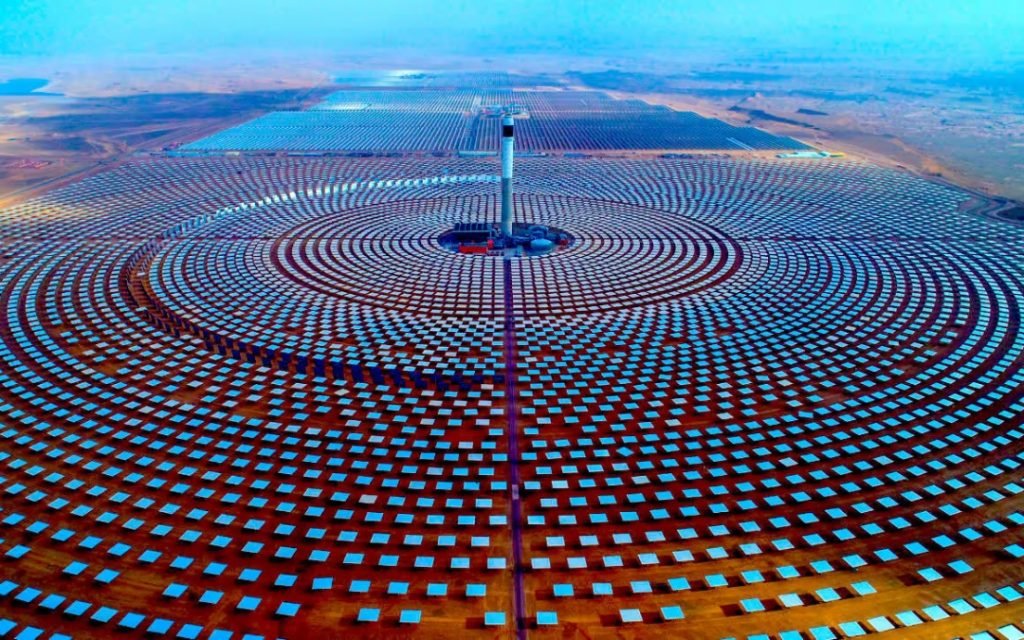
Currently, renewable energy accounts for only about 20% of Africa’s electricity generation, with hydropower dominating the mix. Solar and wind projects face challenges such as high upfront costs, land disputes, and grid integration issues. Until renewable energy becomes the dominant source of electricity, EVs in Africa will likely rely on fossil fuels, negating their environmental benefits.
7. Alternative Solutions for Sustainable Mobility
Given the challenges outlined above, a one-size-fits-all approach to sustainable transportation may not work for Africa. Instead, the continent could explore alternative solutions that align with its realities:
- Improved Public Transport: Investing in efficient, low-emission public transport systems, such as buses powered by compressed natural gas (CNG) or biofuels, could reduce emissions while serving a broader population.
- Hybrid Vehicles: Hybrids, which combine ICE and electric power, may be a more practical transitional technology, as they require less charging infrastructure and can operate in areas with unreliable electricity.
- E-Mobility Innovations: Electric motorcycles and bicycles, which are cheaper and require less power, are gaining traction in countries like Rwanda and Uganda. These could be more viable for widespread adoption.
- Local Manufacturing: Developing local EV or battery manufacturing capacity could reduce costs and create jobs, making the transition more sustainable and economically beneficial.
Final Thought
The transition to electric vehicles holds promise for reducing global carbon emissions, but in Africa, the path to sustainability is fraught with challenges. Inadequate electricity infrastructure, high costs, dependence on imported technology, environmental concerns, and the urban-rural divide all limit the feasibility of widespread EV adoption. While Africa’s renewable energy potential and mineral wealth offer opportunities, significant investments and policy reforms are needed to make EVs a viable solution.
For now, a more sustainable approach to transportation in Africa may involve a mix of solutions tailored to the continent’s diverse needs—improving public transport, promoting hybrid vehicles, and scaling up e-mobility innovations like electric motorcycles. By addressing these challenges holistically, Africa can chart a path toward sustainable mobility that balances environmental goals with economic and social realities.