
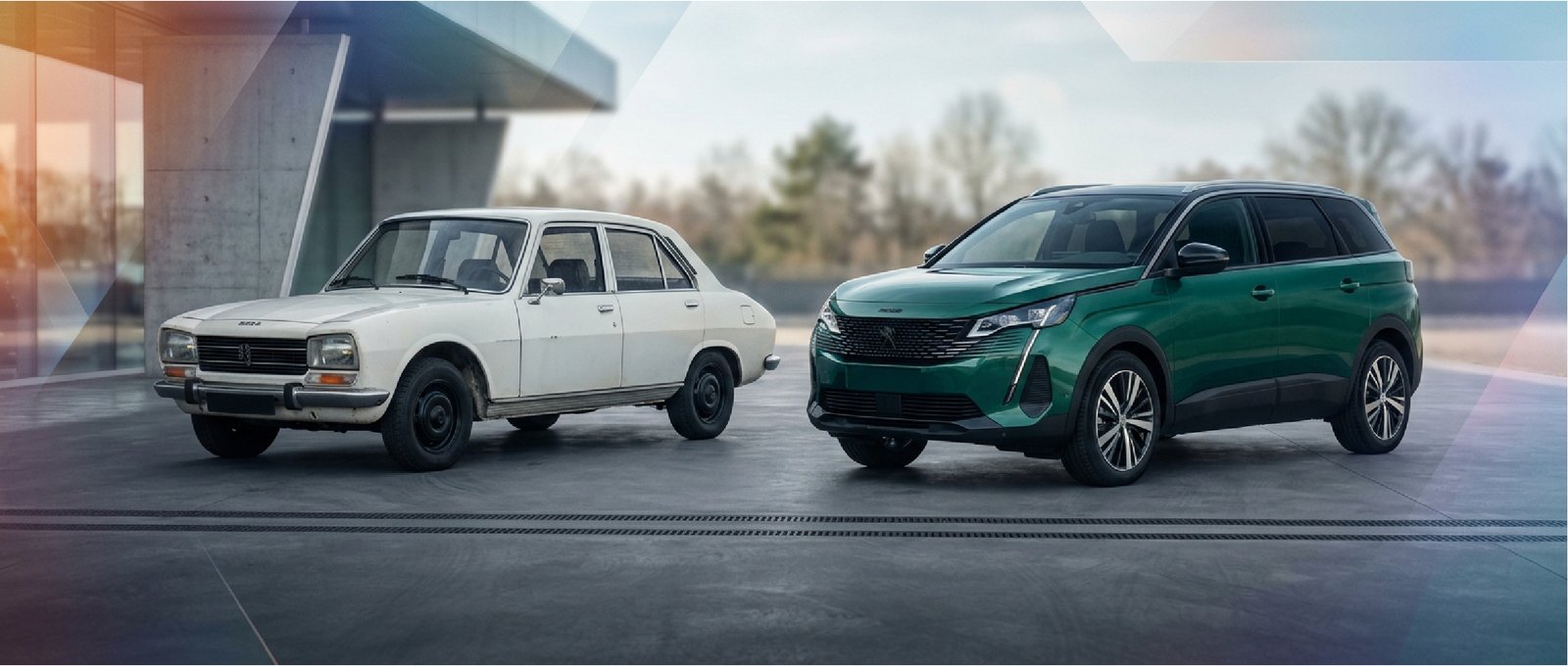
There was a time when the rhythm of Kenyan roads was dictated by a very specific, guttural mechanical roar—the unmistakable sound of a Peugeot engine clearing its throat. If you traveled anywhere across the country between 1990 and 2005, the French automotive giant wasn’t just a choice; it was an institution. From the bustling matatu stages of Nairobi to the rough, red-dirt tracks of rural Narok, cars like the legendary Peugeot 504 saloon, the rugged 504 pick-up, and the sleek 405 were the undisputed kings of the highway.
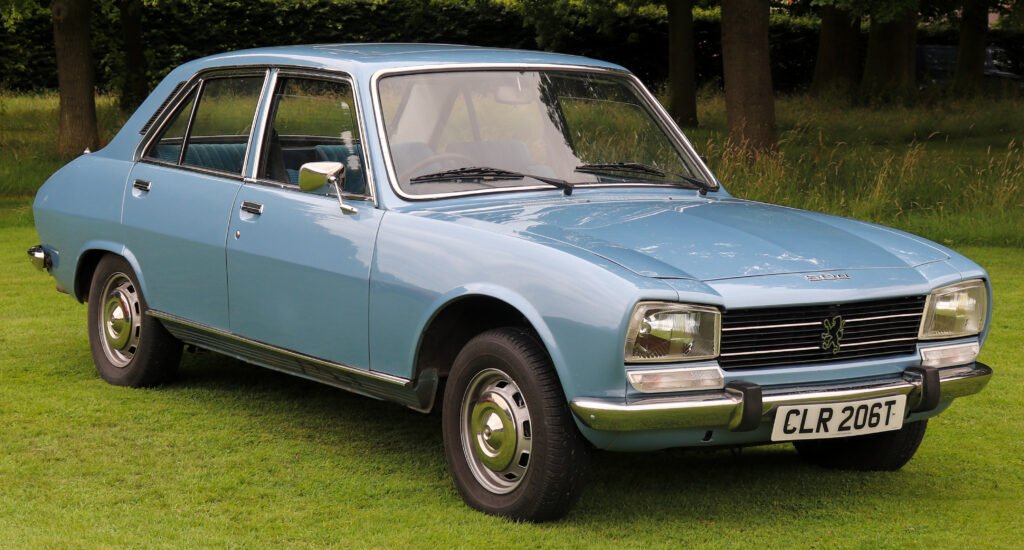
Owning a Peugeot in those days was a badge of honor. They were built like tanks but rode like clouds, thanks to a legendary suspension system designed to swallow potholes whole. The 504, affectionately dubbed the “King of the Road,” held a special place in the hearts of family men, government officials, and long-distance drivers alike. There was an organic, mechanical honesty to them. You knew exactly how much choke to give the carburetor on a freezing cold Limuru morning, and any roadside mechanic worth their salt could fix an issue using little more than a pair of pliers and some wire. They carried our families, our produce, and our collective memories through an era defined by a simpler, analog connection to driving.
As the years rolled on, the automotive landscape in Kenya shifted dramatically. The influx of cheap, second-hand imports from Asia slowly pushed the old lions off the tarmac. For a while, it felt like Peugeot had become a ghost of our childhoods—a nostalgic memory preserved only in old family photo albums and rusting shells in backyard garages.
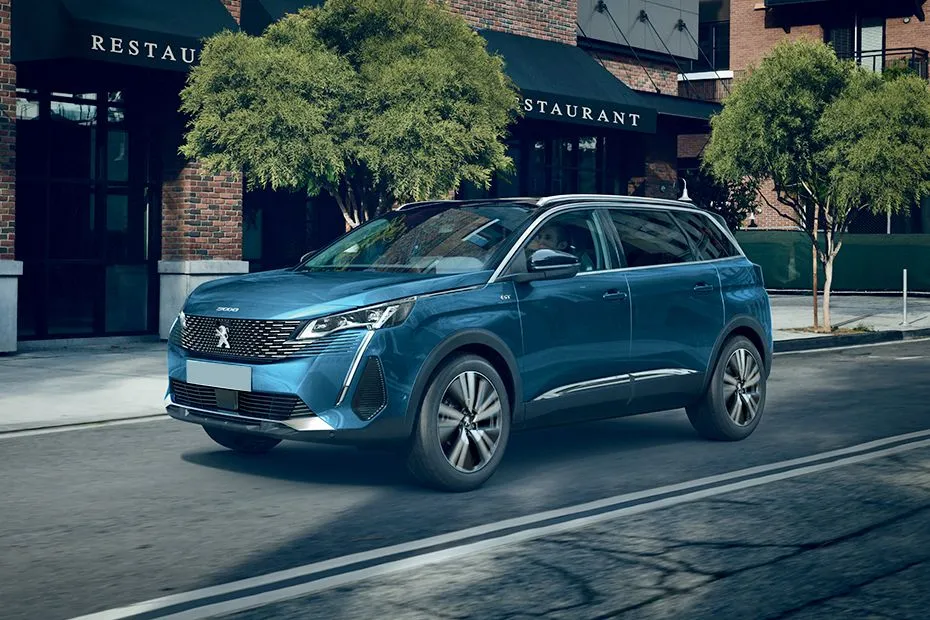
But fast forward to 2026, and the lion has returned with a fierce, futuristic roar. Walking through Nairobi today, you can’t help but notice the striking evolution. The boxy, utilitarian lines of the 1990s have vanished, replaced by the ultra-modern, aggressive silhouettes of the Peugeot 3008, 2008, and the massive 7-seater 5008 SUVs cutting through the city traffic. The brand has completely reinvented itself, trading basic analog dashboards for high-tech “i-Cockpits” featuring 3D digital displays and ambient lighting that look more like a spaceship than a family cruiser.
Yet, beneath all the sleek LED “fright-claws” and the efficient mild-hybrid engines pacing the Southern Bypass, the core DNA remains. The modern Peugeots of 2026 still prioritize that exceptional, smooth ride comfort that made their ancestors famous on Kenyan roads decades ago. They may be packed with touchscreen tech and turbochargers now, but for anyone who grew up watching a 504 confidently conquer the old roads, seeing the new generation reclaim its spot on the tarmac brings a deeply satisfying sense of nostalgia. The lion never really left; it just grew up.
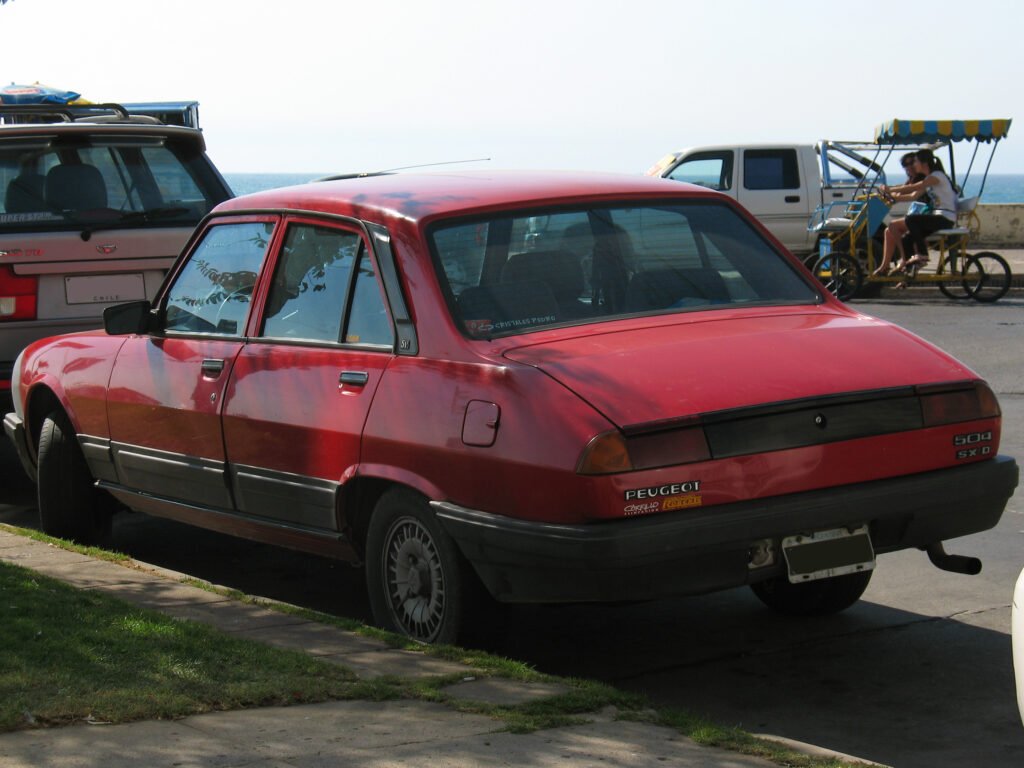
In the late 20th century, Peugeot’s design language was dictated by Italian styling house Pininfarina, resulting in vehicles that favored clean lines, excellent visibility, and balanced proportions over aggressive styling. The hallmark of this era was the “Sophia Loren” headlights—the distinctively shaped, slightly angular trapezoidal front lamps of the Peugeot 504 that gave it an expressive, human-like face. Combined with a gently sloping rear boot line and an expansive glasshouse that provided panoramic views of the Kenyan horizon, the design was purely utilitarian yet undeniably elegant. It didn’t need to shout to command respect on the highway; its stance was confident, grounded, and built to endure.
In 2026, and the design language has shifted from understated utility to what Peugeot calls a “feline posture.” The brand has leaned heavily into its lion heritage, making every vehicle look like a predator ready to pounce. The soft, horizontal lines of the past have been replaced by sharp creases, a massive fastback-style silhouette even on their SUVs, and a front grille that seamlessly blends into the bodywork. The most striking signature of modern Peugeots is the light signature: three-claw LED rear lights and dramatic vertical “fright-claw” or saber-tooth daytime running lights trailing down the front bumper, giving them an unmistakable presence in the dark.
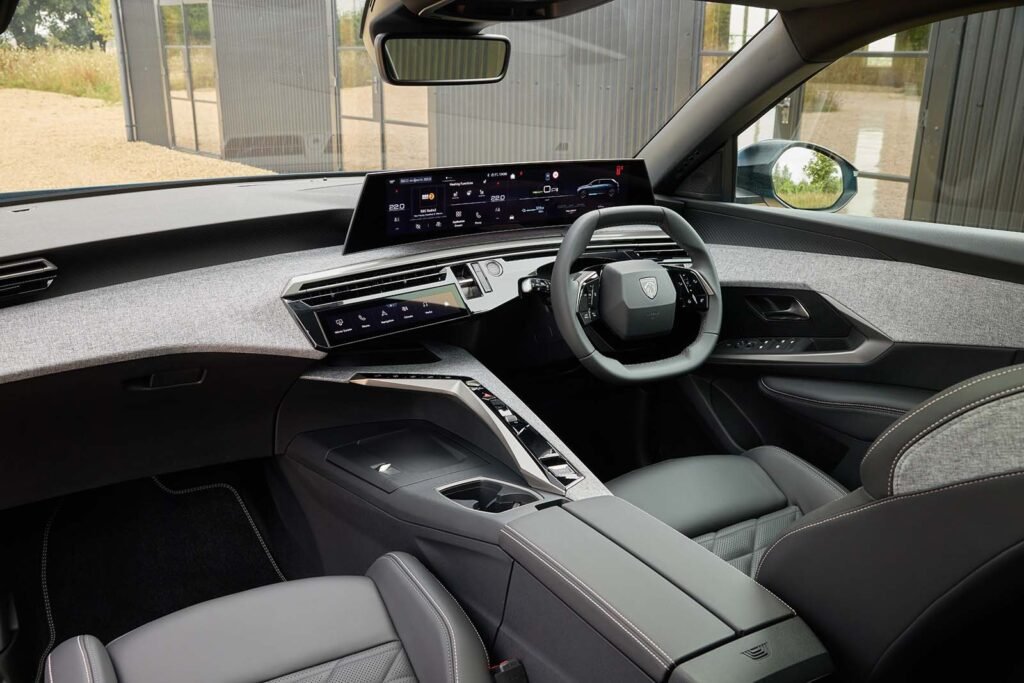
Inside, the transformation is even more staggering, centered entirely around the “i-Cockpit” architecture. The design reverses traditional cabin layouts. Instead of looking through a large steering wheel at the gauges, Peugeot uses an ultra-compact, low-slung steering wheel, positioning a massive, curved panoramic display high up on the dash directly in your line of sight. Combined with premium textured fabrics, aircraft-style toggle switches, and customizable ambient lighting, the interior design language has completely left its utilitarian roots behind, repositioning Peugeot as a leader in avant-garde, neo-luxury design.
Compiled by Sipitali Shitsukane
Automotive Enthusiast, Vehicle Imports Consultant