
Nothing beats the freedom of rolling out of Nairobi with a full tank, a solid playlist, and the open road ahead. Whether you are looking for a quick day trip down into the Great Rift Valley, a cross-border border run toward the shadows of Kilimanjaro, or an ambitious drive all the way to the turquoise waters of the Swahili Coast, driving gives you a perspective of Kenya that no flight ever could.
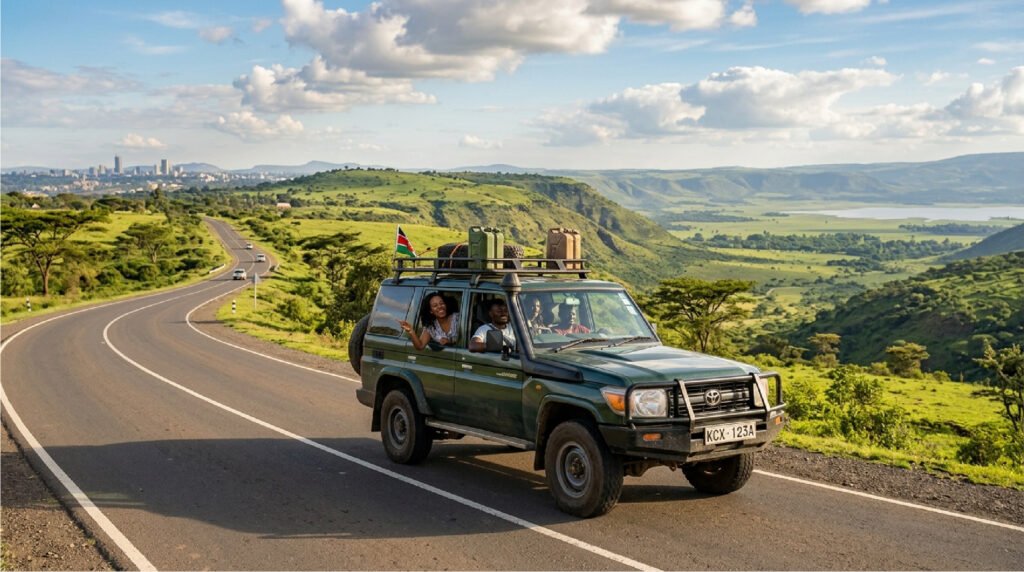
However, Kenyan highways demand respect. Road conditions can shift rapidly from smooth dual carriageways to heavily potholed asphalt, intense heavy-goods traffic, or sudden monsoon washouts.
This guide breaks down three iconic road trips starting from Nairobi—Naivasha, Namanga, and Diani—complete with route breakdowns, road conditions, vehicle requirements, and preparation checklists.
1. Quick Gateway: Nairobi to Naivasha
- Distance: ~90 km – 100 km (depending on route)
- Drive Time: 1.5 to 2.5 hours
- Best For: Weekend getaways, day trips, family outings, and nature lovers.
Nairobi ──► A104 (Waiyaki Way) ──► Limuru ──► Great Rift Valley Viewpoint ──► Naivasha
Route & Navigation
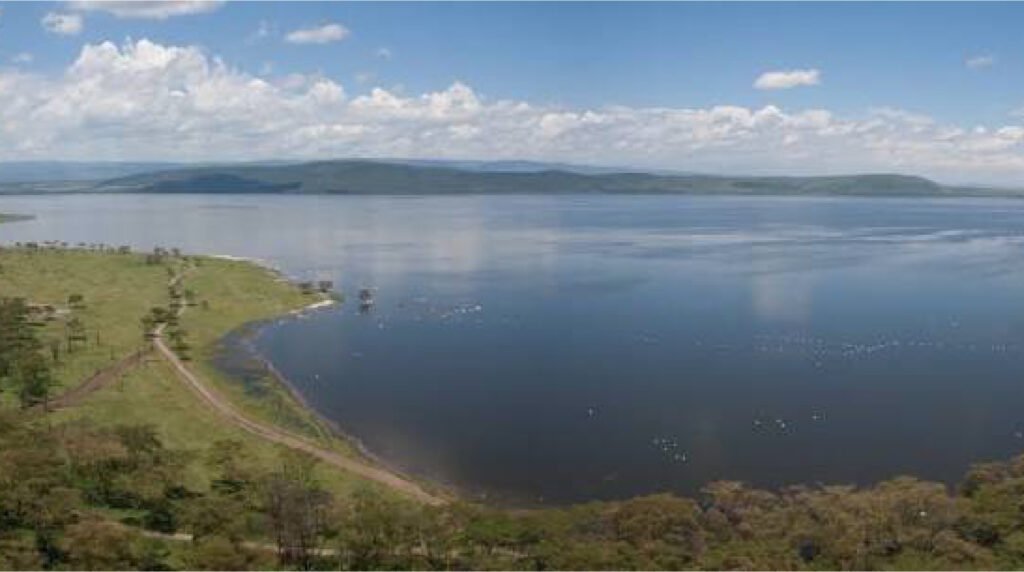
Exit Nairobi via Waiyaki Way / A104 Highway. After climbing past Limuru, you will descend into the Great Rift Valley. You have two main route options after the descent:
- Main A104 Highway (via Flyover / Naivasha Town): The standard highway route. High traffic volume, but smooth and direct.
- Old Naivasha Road (B3): Turns off near Limuru/Escarpment. It offers incredible scenic views as you wind down the valley wall, passing the historic Italian Church, but it is narrower with sharp bends.
Road Conditions & Hazards
- Condition: Overall good asphalt (A104 is well-paved and dual carriageway in initial stretches).
- Hazards:
- Heavy truck traffic (subis) crawling up the escarpments, leading to impatient drivers attempting dangerous overtakes.
- Sudden fog and poor visibility around the Limuru/Uplands stretch during rainy seasons or early mornings.
- Speed traps are common around Kimende and Naivasha town approaches.
Vehicle Requirement
- Recommended Vehicle: Any reliable vehicle (Sedan, Hatchback, Crossover, or SUV).
- 4×4 Needed? Not for the main drive. However, if your itinerary includes off-pavement tracks around Moi South Lake Road, Hell’s Gate, or Lake Elementaita, a vehicle with decent ground clearance is recommended.
Pitstops & Highlights
- Rift Valley Viewpoint: Mandatory photo stop for scenic valley vistas and local craft shopping.
- Curragh / Curragh Irish Pub or Naivasha Buffets: Great spots around Limuru/Flyover for tea or quick meals.
- Moi South Lake Road: Access point for Hell’s Gate National Park, Crater Lake, and lakeside dining spots.
2. The Frontier Run: Nairobi to Namanga (Tanzania Border)
- Distance: ~160 km
- Drive Time: 2.5 to 3 hours
- Best For: Cultural explorations, views of Mt. Kilimanjaro, and birding around Amboseli.
Nairobi ──► A104 (Mombasa Road) ──► Kitengela ──► Isinya ──► Kajiado ──► Namanga

Route & Navigation
Head south out of Nairobi along Mombasa Road (A104), turning onto the Namanga Highway (A104/A2) at the Athi River interchange. The route cuts straight through Maasailand via Kitengela, Isinya, and Kajiado before terminating at the Namanga border post.
Road Conditions & Hazards
- Condition: Excellent, smooth tarmac along the entire stretch.
- Hazards:
- Speed Bumps: Frequent, steep, and sometimes unmarked speed bumps near small townships (Kitengela, Isinya, Kajiado, Bisil).
- Livestock & Wildlife: Maasai cattle, goats, and occasionally zebras crossing the highway unexpectedly.
- Traffic Congestion: Heavy commuter traffic between Nairobi and Kitengela during morning and evening rush hours.
Vehicle Requirement
- Recommended Vehicle: Sedan, Crossover, or 4WD.
- 4×4 Needed? Not for the tarmac highway to Namanga. However, if you plan to detour into Amboseli National Park via the Meshanani Gate (off the Namanga road), a high-clearance 4×4 is strongly advised, especially after rain.
Pitstops & Highlights
- Kitengela Glass: Fun detour for artisan glassworks and canopy walks.
- Kajiado Town: Great spot to sample authentic nyama choma (roasted meat).
- Namanga Border Town: Experience the bustling border atmosphere with clear views of Mount Longido and Kilimanjaro on clear days.
3. The Ultimate Coastal Odyssey: Nairobi to Diani Beach
- Distance: ~500 km
- Drive Time: 8 to 11 hours (depending on ferry/bypass traffic and stops)
- Best For: Beach holidays, road-trip enthusiasts, and adventure seekers.
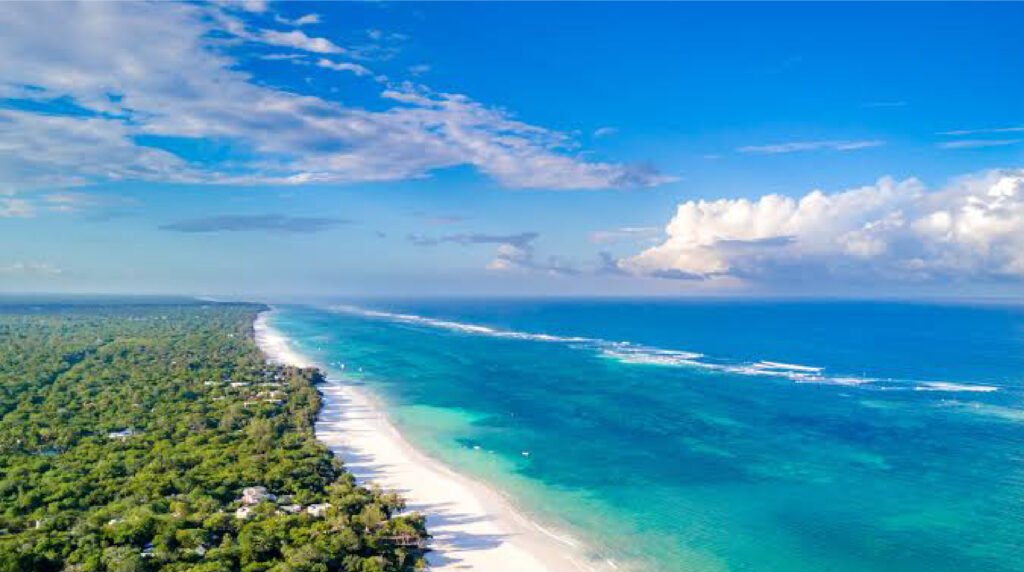
Nairobi ──► A104/A109 (Mombasa Road) ──► Sultan Hamud ──► Voi ──► Samburu ──► Dongo Kundu Bypass ──► Ukunda / Diani
Route & Navigation
Take the A109 (Nairobi–Mombasa Highway). You will travel through the Athi Plains, down past Machakos turnoff, Sultan Hamud, Makindu, Mtito Andei, and Voi.
Pro Tip (Avoiding Likoni Ferry): Once you hit Kwale County near Mazeras/Miritini, take the Dongo Kundu Bypass directly toward the South Coast. This bypass allows you to skip Mombasa city traffic and the notorious Likoni Ferry bottleneck entirely, connecting smoothly down to Ukunda and Diani.
Road Conditions & Hazards
- Condition: Mixed. Long stretches of smooth highway, but high density of long-distance freight trucks.
- Hazards:
- Heavy Cargo Trucks: Endless convoys of trucks traveling between Mombasa Port and Nairobi. Overtaking requires maximum caution and patience.
- Wildlife Crossings: The highway bisects Tsavo East and West National Parks (around Mtito Andei to Voi). Keep your speed low; elephants, giraffes, and baboons frequently cross the road.
- Driver Fatigue: Long single-lane stretches with extreme heat as you drop toward coastal elevations.
Vehicle Requirement
- Recommended Vehicle: Crossover, SUV, or sturdy Sedan in excellent mechanical condition.
- 4×4 Needed? Optional for the main highway, but helpful for beach accesses, dirt side roads in Kwale, or exploring Shimba Hills National Reserve.
Pitstops & Highlights
- Hunter’s Lodge (Makindu): A classic rest stop for meals, clean restrooms, and relaxing by the river garden.
- Mtito Andei: The halfway point; ideal for refueling and grabbing lunch.
- Voi Wildlife Lodge or Lion Hill: Great spot for lunch with views over Tsavo’s plains.
- Shimba Hills National Reserve: Located just before Diani; ideal for a cool forest detour.
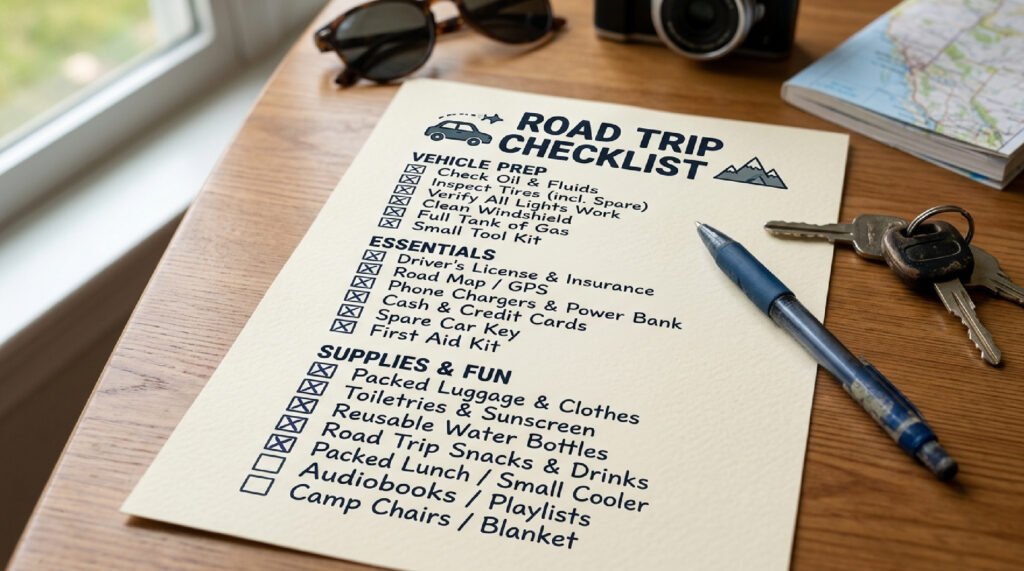
Essential Vehicle Preparation & Checklist
Long drives across Kenya demand thorough vehicle prep to avoid breakdown situations in remote stretches.
1. Mechanical Pre-Trip Inspection
- Tires: Check tread depth, inspect for sidewall bulges, and verify tire pressure (including the spare!). Ensure your jack, wheel spanner, and locking lug key are in the vehicle.
- Fluids: Top up engine oil, coolant, brake fluid, transmission fluid, and windshield washer fluid.
- Brakes: Have a mechanic inspect brake pad thickness and rotor condition, especially for hilly routes like the Rift Valley escarpments.
- Suspension & Steering: Check for worn bushings or shocks, vital for navigating unexpected speed bumps or pot-holed detours.
- Battery: Ensure terminals are clean and tight, and test battery charge.
2. Mandatory Legal & Emergency Gear
Under NTSA (National Transport and Safety Authority) regulations, ensure you have:
- Two Warning Triangles (Red reflective triangles).
- Functional Fire Extinguisher (Mounted and valid).
- First Aid Kit (Fully stocked).
- Valid Documents: Driving License, Vehicle Inspection Certificate, Digital Insurance Sticker, and Logbook copy.
3. Survival Kit for Remote Stretches
- Drinking Water: Pack at least 3–5 liters of drinking water per person.
- Power Banks & Cables: Keep phones charged for GPS navigation and emergency calls.
- Tow Strap & Jumper Cables: Essential if you or a fellow traveler get stuck.
- Flashlight/Headlamp: Crucial for night repairs or unexpected breakdowns after dark.
General Driving Tips for Kenyan Highways
- Never Rush Overtakes: Kenyan highways are predominantly single-lane in each direction outside major cities. Wait until you have a completely clear line of sight before pulling out around long trucks.
- Mind the Speed Bumps: Towns often install high, abrupt speed bumps without advance warning signs. Reduce speed whenever approaching human settlements or trading centers.
- Respect Wildlife Rules: In wildlife corridors (Tsavo, Amboseli, Maasai Mara regions), maintain reasonable speeds. Hitting an animal is dangerous and carries heavy legal penalties.
- Time Your Departure:
- For Diani, hit the road by 4:30 AM – 5:00 AM to escape Nairobi traffic and cross Tsavo before the noon heat.
- For Naivasha, aim for early morning or mid-morning on weekends to avoid the Waiyaki Way weekend rush.
Compiled by Sipitali Shitsukane
Automotive Enthusiast, Car Imports Consultant