
For decades, Mercedes-Benz has been associated with a particular understanding of luxury.
It was not necessarily about being the loudest car on the road or having the longest list of features. Luxury was often communicated through restraint: the quality of the materials, the solidity of the doors, the smoothness of the ride, the silence inside the cabin and the feeling that every component had been engineered with purpose.
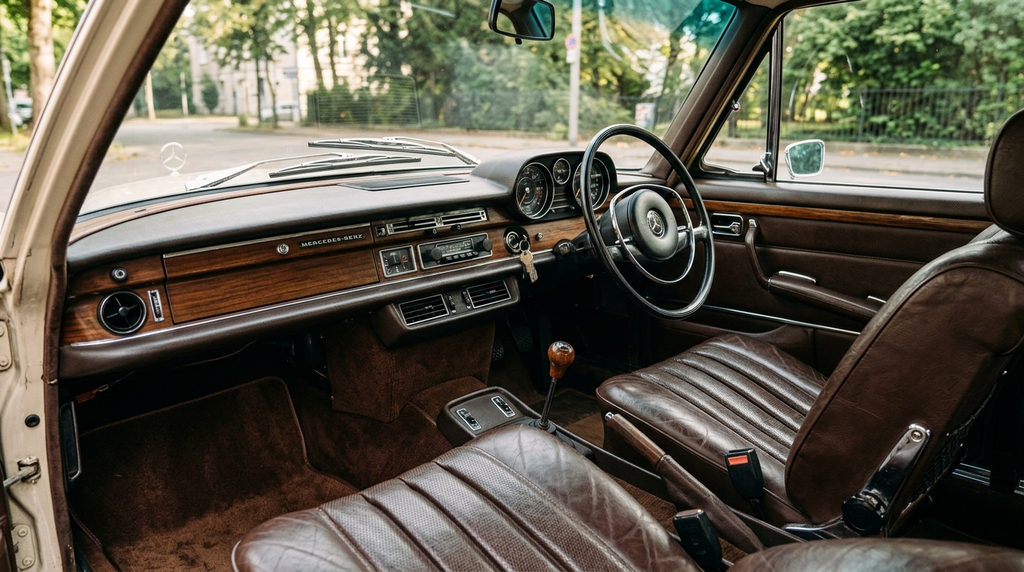
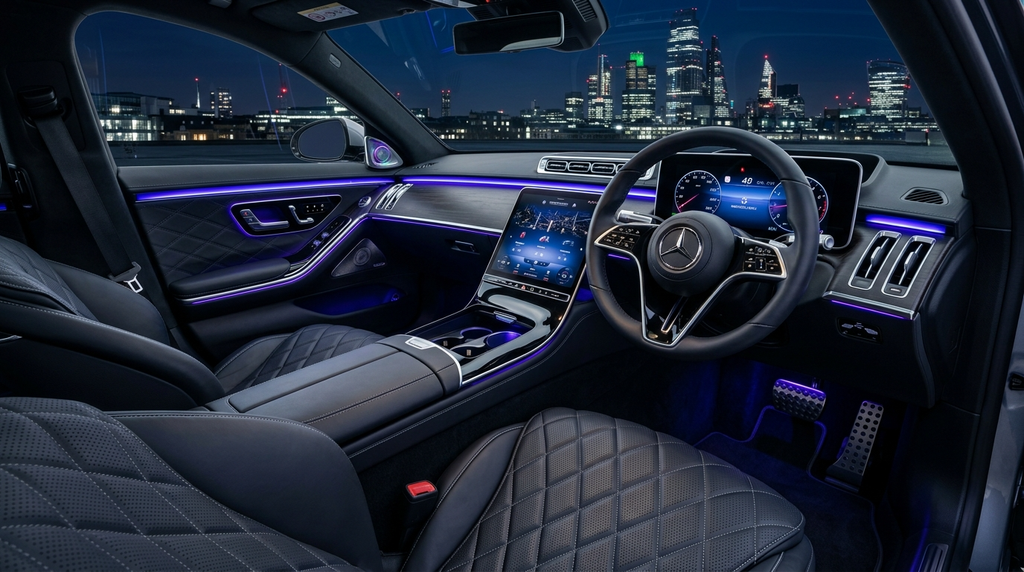
But walk into a modern Mercedes-Benz today, and the definition of luxury looks noticeably different. There are enormous digital displays, sophisticated driver-assistance systems, ambient lighting, voice-controlled functions, smartphone integration, advanced connectivity and increasingly electrified powertrains.
This raises an interesting question:
Has Mercedes-Benz evolved luxury, or has it changed what luxury means?
Luxury Used to Be Something You Felt
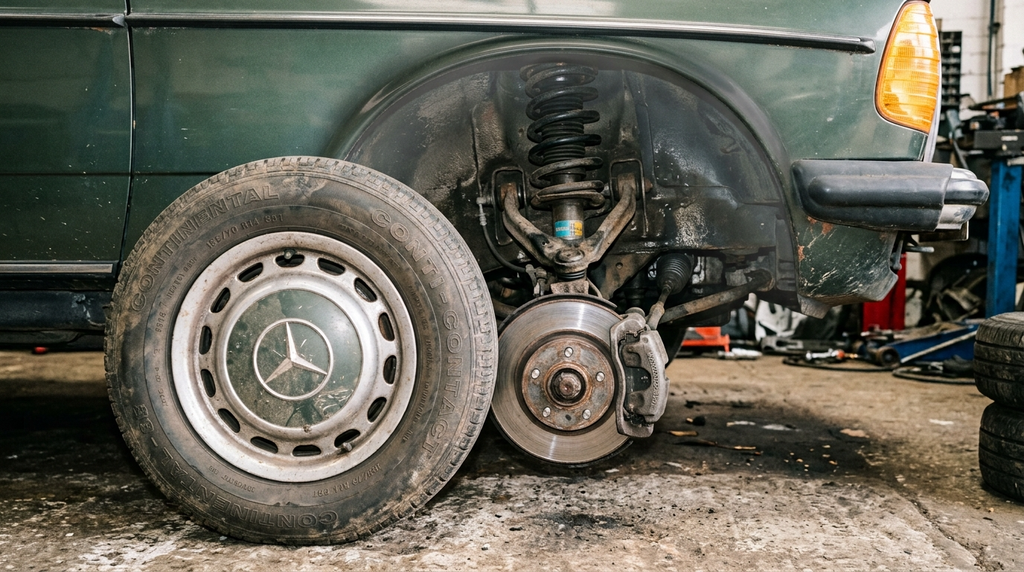
There was a time when luxury in an automobile was largely experienced through physical sensations. You felt the weight of the steering wheel, you heard how quietly the engine operated you felt the suspension absorb an imperfect road you noticed the quality of the leather, the resistance of a switch and the solidity of the door when it closed.
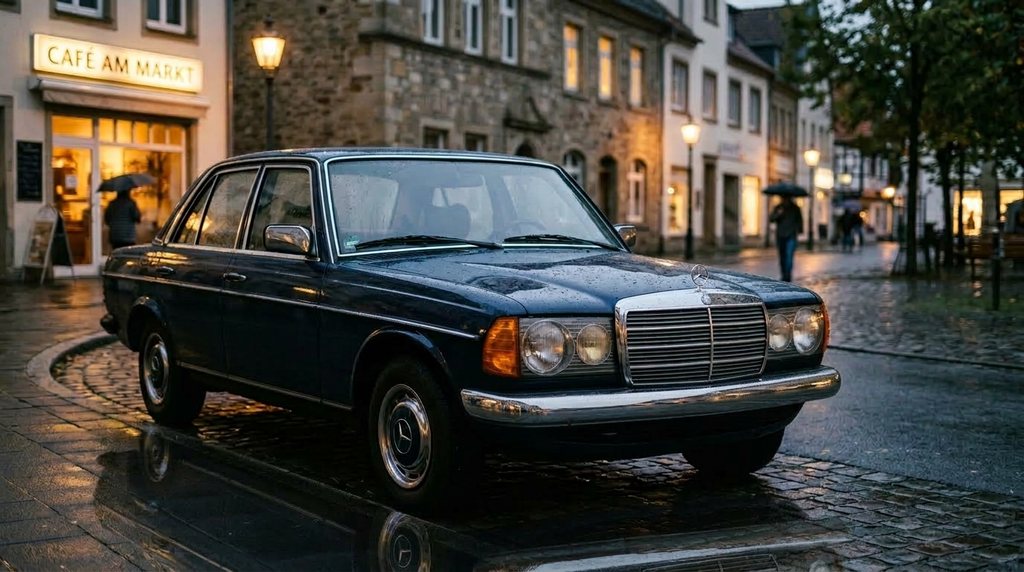
Older Mercedes-Benz models built their reputation around this philosophy. The luxury wasn’t always immediately obvious from a specification sheet. It was something you discovered gradually. A well-engineered Mercedes could make an ordinary journey feel different simply because of the way the car behaved. This philosophy helped establish Mercedes-Benz as more than a manufacturer of transportation. The automobile became an experience.
Then Technology Changed the Definition
The modern luxury vehicle operates according to a very different set of expectations. Today, consumers don’t simply ask whether a car has comfortable seats, they ask whether those seats are heated, ventilated and capable of massage. They don’t simply want a radio, they want a sophisticated infotainment system, smartphone integration, premium audio and seamless connectivity. They don’t simply want headlights, they expect intelligent lighting systems that can adapt to changing conditions.
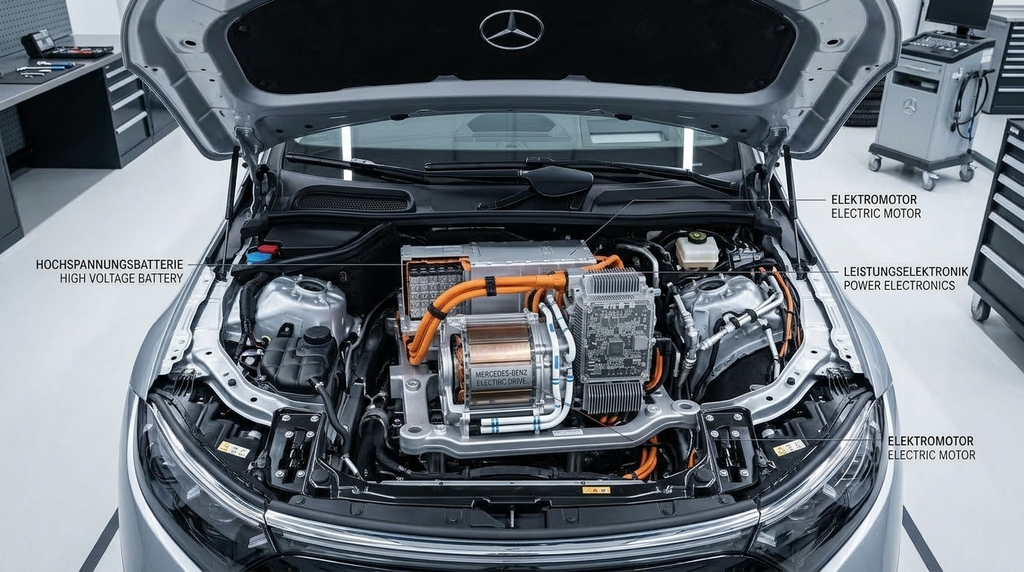
And they don’t only want a powerful engine. They increasingly expect electrification, instant torque, improved efficiency and sophisticated energy-management systems. Mercedes-Benz has responded to this transformation by making technology an increasingly visible part of the luxury experience, the result is a vehicle in which luxury is no longer confined to what you can physically touch, it is also what the car can do for you.
The Rise of the Digital Mercedes
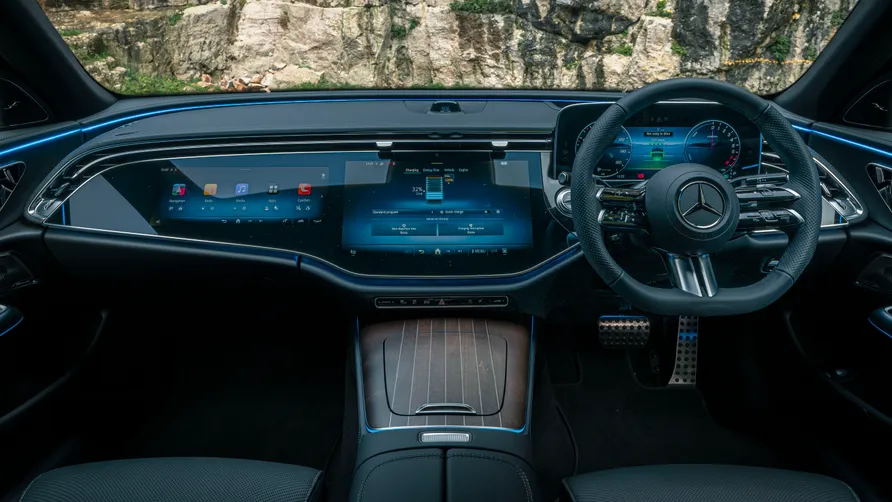
Few developments illustrate this transition better than the modern Mercedes-Benz interior. The dashboard has gradually transformed from a collection of analogue instruments and physical controls into something closer to a digital environment. Mercedes-Benz’s MBUX system, for example, allows drivers and passengers to interact with the vehicle through touch, voice and digital interfaces. That changes the relationship between driver and automobile. Previously, many vehicle functions were controlled through physical buttons and switches. Now, software increasingly determines how we interact with the car. This brings convenience and functionality, but it also introduces a new question:
Does more technology automatically create more luxury?
Not necessarily. Technology can make a car more capable, but luxury is ultimately about how that capability translates into the user’s experience. A screen can be impressive, but a beautifully engineered suspension can be transformative. The challenge for any luxury manufacturer is making technology feel effortless rather than overwhelming.
From Craftsmanship to Personalisation
Another significant change is the way modern luxury is increasingly defined by personalisation. Luxury buyers have always wanted individuality, but modern vehicles provide far more opportunities to create a personalised environment. Different leather combinations, trim materials, ambient lighting themes, seat configurations, exterior finishes and technology packages can dramatically change the character of the same vehicle. Mercedes-Benz has embraced this idea across its model range.
The result is that two cars carrying the same badge can provide remarkably different experiences. One might be configured around understated elegance, another might emphasize sportiness, another might prioritize rear-seat comfort, while another might focus heavily on technology, Luxury, therefore, becomes less about owning something that everybody else has and more about owning something configured around your preferences.
But Has Something Been Lost?
This is where the conversation becomes interesting. Some enthusiasts argue that modern luxury cars have become too dependent on technology. Their concern isn’t necessarily that technology is bad, the argument is that technology can sometimes become a substitute for fundamental engineering. A larger screen is visible; a complicated interface is noticeable, hundreds of ambient-light combinations can be impressive.
But none of these automatically make a vehicle ride better, handle better or feel better built. There is a difference between adding features and improving the experience. That distinction matters. A genuinely luxurious automobile should ideally make the driver feel that everything works together naturally. The technology should support the experience rather than become the experience.
Modern Luxury Is Also About Time
There is another definition of luxury that is becoming increasingly important:
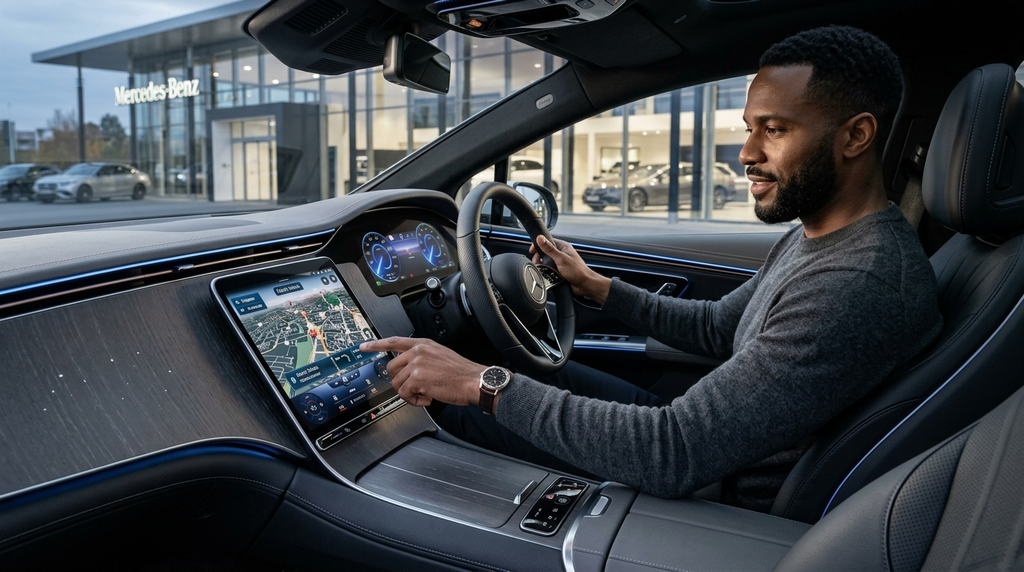
Time. Modern consumers are surrounded by technology designed to make everyday life faster and easier. A vehicle that remembers your preferences, adjusts the cabin environment, provides navigation, assists with parking, communicates with your smartphone and helps reduce driver workload is effectively giving something back to you. Time.
Convenience therefore becomes a form of luxury. This is particularly important in cities where traffic and long commutes consume significant portions of people’s days. A comfortable cabin isn’t simply about leather seats, it is about creating an environment where spending an hour in traffic feels less exhausting. That is a very different interpretation of luxury from simply having expensive materials.
The Electric Question
Electrification is also forcing the automotive industry to reconsider what luxury means. Traditional luxury was often associated with large engines, smooth power delivery and effortless performance. Electric vehicles approach the idea differently. Instant torque, near-silent operation, sophisticated energy management and highly integrated digital systems create a different kind of driving experience.
Mercedes-Benz’s move toward electrification therefore isn’t simply an engineering transition, it is also a transition in the philosophy of luxury. If silence, smoothness and effortless acceleration were already characteristics of luxury, electric powertrains can amplify some of those qualities. But they also remove some of the traditional emotional elements associated with luxury automobiles, particularly the sound and character of a combustion engine.
Again, the question becomes:
Are we losing something, or are we simply learning to appreciate something different?
The Mercedes-Benz Paradox
.
This is perhaps where Mercedes-Benz finds itself today. It has a heritage built on engineering and mechanical sophistication, while operating in an industry increasingly defined by software, electrification and connectivity. The challenge is balancing the two, because a Mercedes-Benz doesn’t have to choose between technology and craftsmanship
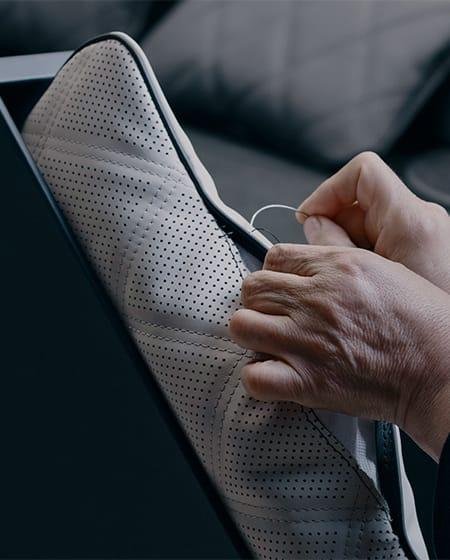
Ideally, the technology should enhance the craftsmanship. The digital systems should make the cabin easier to use. The driver assistance should reduce stress. The powertrain should deliver effortless performance. The seats should make long journeys more comfortable. The suspension should make poor roads feel less intrusive. And the materials should remind you that you’re sitting in something deliberately designed.
.
.
When all of these elements work together, technology becomes invisible, and perhaps invisible technology is the ultimate form of technological luxury.
So, Has Mercedes Changed What Luxury Means?
Perhaps the answer lies somewhere between evolution and transformation. Mercedes-Benz has certainly evolved its interpretation of luxury, but it has also participated in a much larger change within the automotive industry. Luxury is no longer defined exclusively by wood, leather, chrome and a powerful engine, it can mean connectivity, personalisation, silence, convenience, electrification. It can mean having technology that anticipates your needs rather than requiring you to constantly interact with it.
But the fundamental principle hasn’t necessarily changed:
Luxury is about creating an experience that feels different from ordinary transportation.
The tools have changed. The expectations have changed. The technology has changed. But the desire for an automobile to provide something beyond simply getting from one place to another remains. and perhaps that is the most interesting part of Mercedes-Benz’s evolution. The company isn’t simply asking us to reconsider what a luxury car looks like. It is challenging us to reconsider what luxury itself feels like