
Walk into almost any automotive conversation in Kenya and you will quickly notice a familiar pattern.
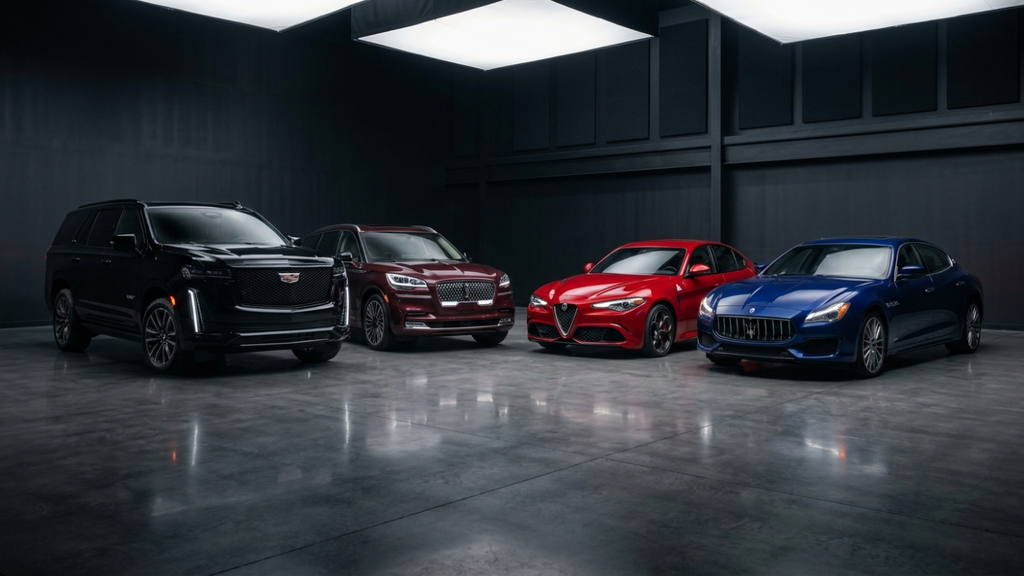
Toyota. Mercedes-Benz. BMW. Lexus. Range Rover. Audi. Porsche. Perhaps Land Rover or Volvo. These brands dominate discussions about premium and desirable vehicles. They are familiar, trusted and deeply established within the Kenyan automotive market. Their models are frequently imported, advertised, reviewed and discussed across social media. But there is another side to the global automotive industry that receives considerably less attention. There are exceptional cars being produced by manufacturers such as Genesis, Infiniti, Cadillac, Lincoln, Alfa Romeo, Maserati, Acura and even Kia that rarely become part of mainstream Kenyan automotive conversations.
This raises an interesting question.
Are these cars genuinely less desirable, or have we simply become accustomed to talking about the same brands?
The Problem with Familiarity
The Kenyan automotive market has developed around familiarity.
When someone is looking for a luxury SUV, the conversation might immediately turn to a BMW X5, Mercedes-Benz GLE, Range Rover Sport or Lexus RX. If the requirement is a reliable family SUV, Toyota quickly enters the conversation. If someone wants performance, Porsche, BMW and Mercedes-AMG are usually among the first names mentioned.
There is nothing wrong with these choices.They have earned their reputations through decades of engineering, reliability, marketing and customer experience.The problem begins when familiarity becomes the same thing as quality.A vehicle being less common does not automatically make it inferior. In some cases, it simply means that the manufacturer has not established the same level of distribution, recognition or consumer confidence in the Kenyan market.This is particularly important in today’s automotive industry because the global market has become far more competitive.
The World Has More Premium Cars Than Kenya Talks About
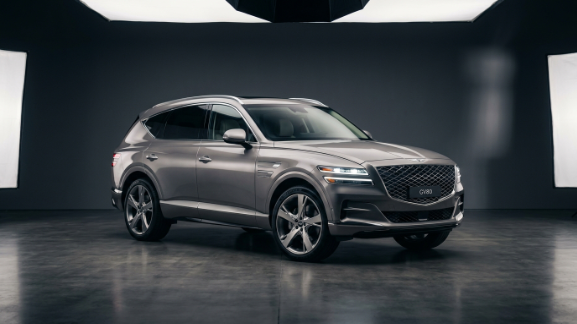
Take Genesis, for example.
The Hyundai-owned luxury marque has positioned itself directly against established premium manufacturers. Vehicles such as the GV80 and G80 combine luxury interiors, modern technology, distinctive design and powerful engines.Yet in Kenya, the average premium-car conversation is far more likely to mention a BMW X5 or Mercedes-Benz GLE than a Genesis GV80.
Take Genesis, for example.The Hyundai-owned luxury marque has positioned itself directly against established premium manufacturers. Vehicles such as the GV80 and G80 combine luxury interiors, modern technology, distinctive design and powerful engines.Yet in Kenya, the average premium-car conversation is far more likely to mention a BMW X5 or Mercedes-Benz GLE than a Genesis GV80.
The same applies to Infiniti.
The QX80 is a large luxury SUV that competes in a segment occupied by some of the most prestigious SUVs in the world. Its size, comfort and technology make it relevant to markets where large luxury SUVs are desirable. Yet Infiniti remains relatively absent from mainstream Kenyan automotive discussions.
Then there is Cadillac.
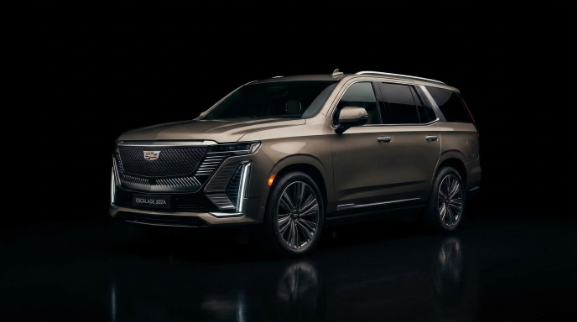
The Escalade has become one of the most recognisable luxury SUVs in the United States. It represents a very different interpretation of luxury from a Range Rover or Mercedes-Benz GLS, combining enormous proportions with technology, comfort and American automotive character.But how often does the Escalade appear in Kenyan premium-car conversations?Not often.That does not necessarily reflect the quality of the vehicle.It reflects the strength of the market around it
Distribution Shapes What We Consider Desirable
One of the biggest reasons certain vehicles remain outside Kenyan conversations is availability. A vehicle cannot become popular if consumers cannot easily access it. Established brands have spent years building dealer networks, independent workshops, parts supply chains and customer familiarity. This creates an ecosystem around the vehicle. When a Kenyan buyer considers a BMW, for example, they are not simply buying a car. They are buying into an ecosystem where mechanics understand the brand, spare parts can be sourced, other owners can share experiences and potential buyers understand what the vehicle represents. Less-established brands do not necessarily have that advantage. A brilliant car with limited local support can therefore be a difficult proposition. This creates a cycle. Because few people buy the vehicle, few businesses invest in supporting it. Because there is limited support, fewer people are willing to buy it. Because fewer people buy it, the vehicle remains unfamiliar. And so, the cycle continues.
The Fear of the Unknown
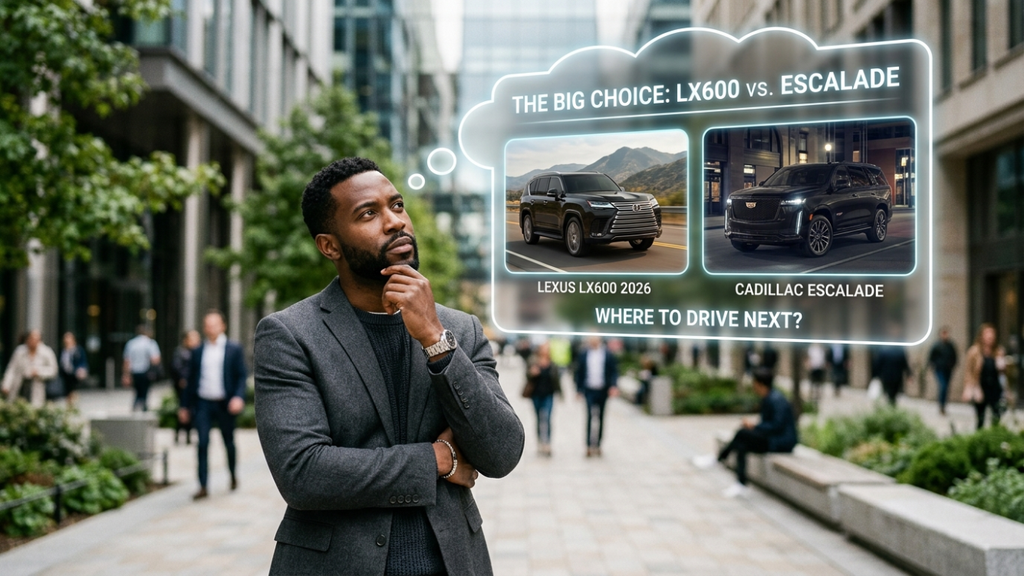
There is also a psychological element to the Kenyan car-buying process. Buying a vehicle is a significant financial decision. Naturally, consumers tend to minimise risk. A familiar badge provides reassurance. If a buyer has driven a Toyota before, knows someone who owns one and can easily find a mechanic who understands it, choosing another Toyota feels relatively safe. The same applies to Mercedes-Benz, BMW and Lexus. A lesser-known vehicle requires more research. The buyer may ask whether spare parts are available, whether technicians understand the car, whether it will retain its value and whether another buyer will want it when it is time to sell. These are legitimate concerns. But they can also prevent consumers from discovering excellent vehicles.
Resale Value Has Become a Major Influence
Few factors shape Kenyan automotive purchasing decisions as strongly as resale value. The expectation that a vehicle should be easy to sell later influences the original purchase. This has helped established Japanese and European brands maintain strong positions in the market. But resale value is not simply a characteristic of the car. It is also a reflection of market perception. A vehicle becomes easier to resell when people know it, trust it and want it. This means that lesser-known brands often face a disadvantage before their products even have a chance to prove themselves. A Genesis GV80 might offer exceptional luxury, but if the market has already decided that an X5 is easier to sell, the BMW will naturally attract more attention. That does not necessarily make the BMW a better vehicle. It makes it a more established asset within that particular market.
Social Media Is Changing the Equation
There is, however, something disrupting this traditional model: information. Kenyan consumers no longer depend entirely on local dealerships or word of mouth to discover vehicles. YouTube, TikTok, Instagram and international automotive publications have transformed the way people discover cars. A young Kenyan enthusiast can now watch a review of a Genesis GV80, compare it with an X5, research its specifications and understand its technology without ever having seen one on a Kenyan road. This creates an opportunity for lesser-known manufacturers. Awareness can now grow before physical availability does. A vehicle that was previously unknown can become desirable because people have seen it online. This is particularly important for the next generation of Kenyan car buyers, who are becoming increasingly comfortable researching internationally before making local purchasing decisions.
Kia Is a Perfect Example
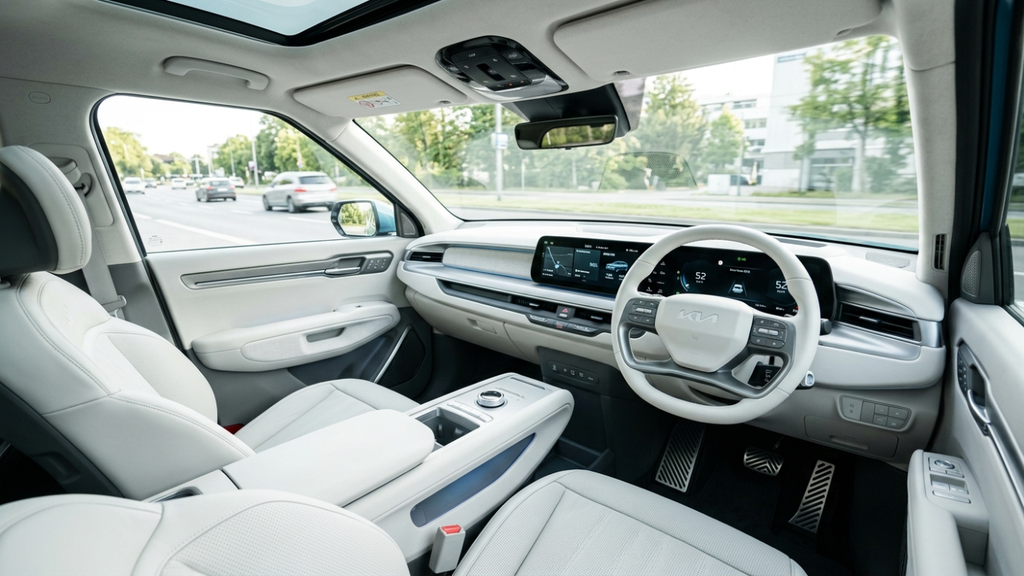
Perhaps one of the most interesting examples is Kia. For years, Kia was largely associated with affordable and practical vehicles. Today, that description is incomplete. Look at vehicles such as the Kia Telluride, Sportage, Sorento, EV6 and EV9. The company has invested heavily in design, technology, electrification, safety and interior quality. The Telluride, in particular, demonstrates how far the brand has moved. It offers the size, technology and presence expected from a modern premium family SUV, even though it does not carry a traditional European luxury badge. The EV9 takes the story even further, introducing a large three-row electric SUV with a futuristic design and technology-focused interior. The question is therefore no longer simply whether Kia makes affordable cars. The better question is:
How much has Kia changed since the last time you judged it?
The Same Story Is Happening with Alfa Romeo and Maserati
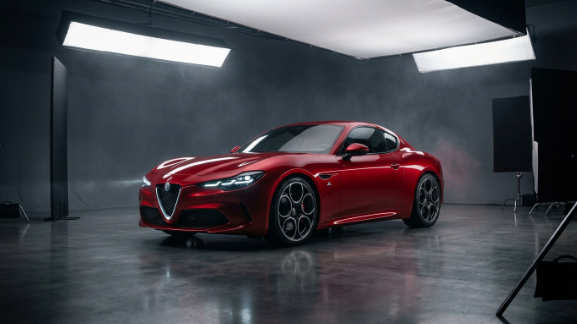
Italian manufacturers provide another interesting example. Alfa Romeo has a reputation for producing vehicles that prioritise design and driving character. The Giulia and Stelvio offer something distinctly different from the conventional German approach.
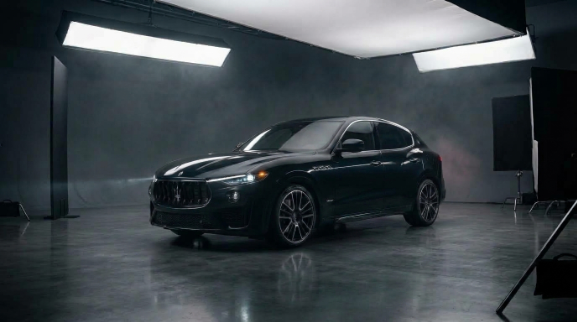
Maserati occupies an even more interesting position. The Levante, Grecale, Ghibli and other models provide an alternative interpretation of luxury and performance. They may not have the same Kenyan market presence as Mercedes-Benz or BMW, but they offer something those brands cannot easily replicate: exclusivity through rarity. That creates an interesting paradox. In a market where many people buy premium vehicles partly for their status, owning something that very few people have seen can itself become a form of status.
The Future of Premium Cars May Be More Diverse
The premium automotive market is becoming increasingly difficult to define. Luxury is no longer exclusively European. Technology is no longer dominated by a handful of manufacturers. Electric performance is creating new competitors. Korean manufacturers have moved upmarket. Japanese manufacturers continue to innovate. American luxury brands are evolving. Chinese manufacturers are becoming increasingly sophisticated. Meanwhile, established European brands are being forced to adapt to electrification, software and changing consumer expectations. This means the Kenyan automotive market has an opportunity to become much more diverse. Instead of asking whether a car is a Mercedes-Benz, BMW or Toyota, buyers can increasingly ask whether it is good at what it is supposed to do. Does it offer the right technology? Does it provide the right level of comfort? Is it reliable? Can it handle Kenyan conditions? Are parts and technical expertise available? Does it provide the right driving experience? And perhaps most importantly, does it represent good value for the particular buyer?