
So, you’ve found the perfect vehicle in Japan. Whether it’s a pristine JDM legend like a Nissan Skyline, a reliable Toyota SUV, or a quirky Kei car, you’re probably riding a wave of excitement. But before you can hit the open road, there’s one major hurdle to cross: getting it across the ocean.
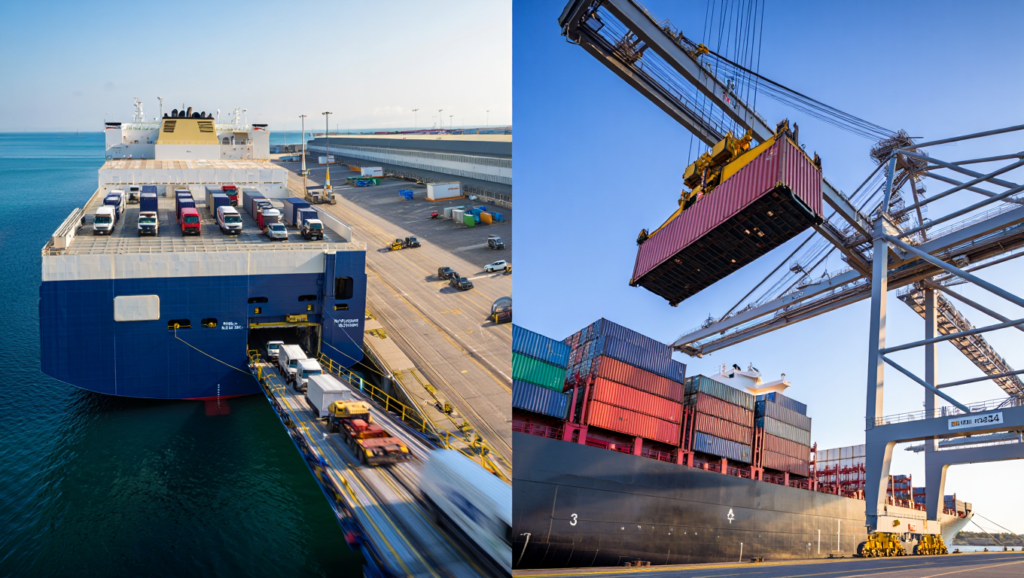
When it comes to shipping a car from Japan, you generally have two main paths to choose from: Roll-on/Roll-off (RORO) and Container Shipping.
Both methods will get your car from Tokyo or Yokohama to your home port, but they do it in completely different ways. Let’s break down how they work, along with the pros and cons of each, so you can choose the best ride for your ride.
RORO (Roll-On/Roll-Off) Shipping
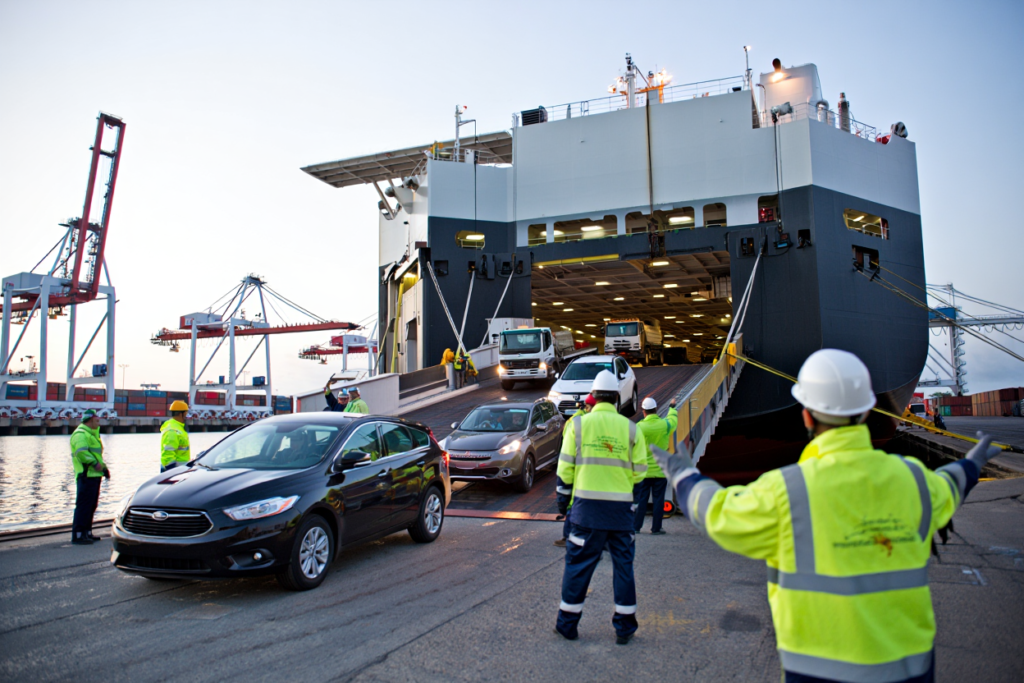
Think of a RORO ship as a massive, floating parking garage. Specialized vessels are designed specifically to carry wheeled cargo. Vehicles are literally driven onto the ship at the port of origin in Japan, secured safely inside the ship’s decks, and then driven off at the destination port.
The Advantages:
- Most Cost-Effective: Because it’s a highly streamlined mass-transit system for cars, RORO is almost always the cheapest way to ship a single vehicle.
- Simplicity: There’s no need to deal with loading cars into tight containers or hiring cranes to lift heavy boxes.
- Widespread Availability: Japan has massive, highly efficient RORO terminals handling thousands of cars daily, making scheduling relatively frequent.
The Disadvantages:
- Exposure to the Elements (At Port): While your car is safe inside the ship during the voyage, it sits out in the open port elements while waiting to be loaded and unloaded.
- The “No Personal Items” Rule: For safety and theft-prevention reasons, you cannot pack your car with spare parts, extra tires, or personal belongings. The car must be completely empty.
- Safety Risks: Because port workers must physically drive your car on and off the ship, there is a minor risk of interior wear, scuffs, or mechanical mishaps if the battery dies or a driver is careless.
- Inoperable Vehicles Allowed? No. If the car doesn’t run and drive, it usually cannot be shipped via standard RORO.
Container Shipping
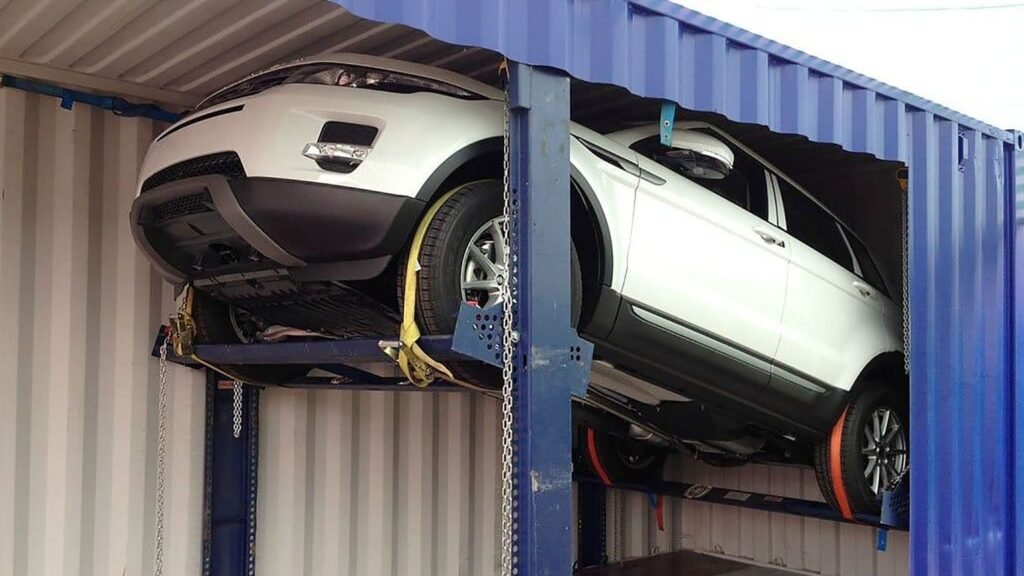
Container shipping involves placing your vehicle securely inside a standard 20-foot or 40-foot steel shipping container. The container is then lifted onto a massive container ship via crane. If you use a 40-foot container, you can often “twin-deck” or share the space to ship two (or more) cars at once.
The Advantages:
- Maximum Protection: Once your car is locked inside that steel container, it is completely protected from ocean spray, harsh weather, debris, and wandering eyes.
- Pack it with Extras: Unlike RORO, you can utilize the extra space in the container or inside the car itself to ship spare parts, extra sets of wheels, or other goods you purchased in Japan.
- Ideal for Non-Runners: If you bought a project car or a classic that doesn’t currently drive, container shipping is your go-to option since it can be winched or forklifted in.
The Disadvantages:
- Higher Cost: Booking an entire container is significantly more expensive than paying for a single RORO slot. Even if you share a container (consolidation), the logistics fees add up.
- Complex Logistics: Container shipping requires extra labor for “blocking and bracing” (strapping the car down inside the container so it doesn’t move) and dismantling/unpacking at the destination port.
- Potential for Delay: If you are sharing a container to save money, your shipment might be delayed until the shipping company finds enough cars to fill the rest of the container in the case of consolidation.

The Ultimate Comparison: RORO vs. Container
| Feature | RORO Shipping | Container Shipping |
| Cost | 💰 Budget-friendly | 💰💰 Expensive |
| Best For | Standard daily drivers, running cars | Classics, luxury cars, project cars, shipping parts |
| Security | Moderate (exposed at ports) | Maximum (sealed in steel box) |
| Allows Extra Cargo? | No | Yes (parts, wheels, etc.) |
| Requires Running Engine? | Yes | No |
Which One Should You Choose?
The decision ultimately boils down to what you are shipping and what your budget looks like.
- Choose RORO if: You are importing a standard, running vehicle (like a Toyota Prius, a clean Subaru WRX, or an everyday SUV), you want to keep costs to a minimum, and you don’t need to ship any extra parts with it.
- Choose Container if: You are importing an incredibly valuable classic, a high-end luxury car, a non-running project car, or you’ve bought a treasure trove of rare spare JDM parts that need to travel with the vehicle.
Whichever route you choose, make sure to work with a reputable exporter in Japan and a licensed customs broker in your home country to ensure all your paperwork is as smooth as your car’s upcoming journey!
Compiled by Sipitali Shitsukane
Car Enthusiast, Vehicle Imports Consultant