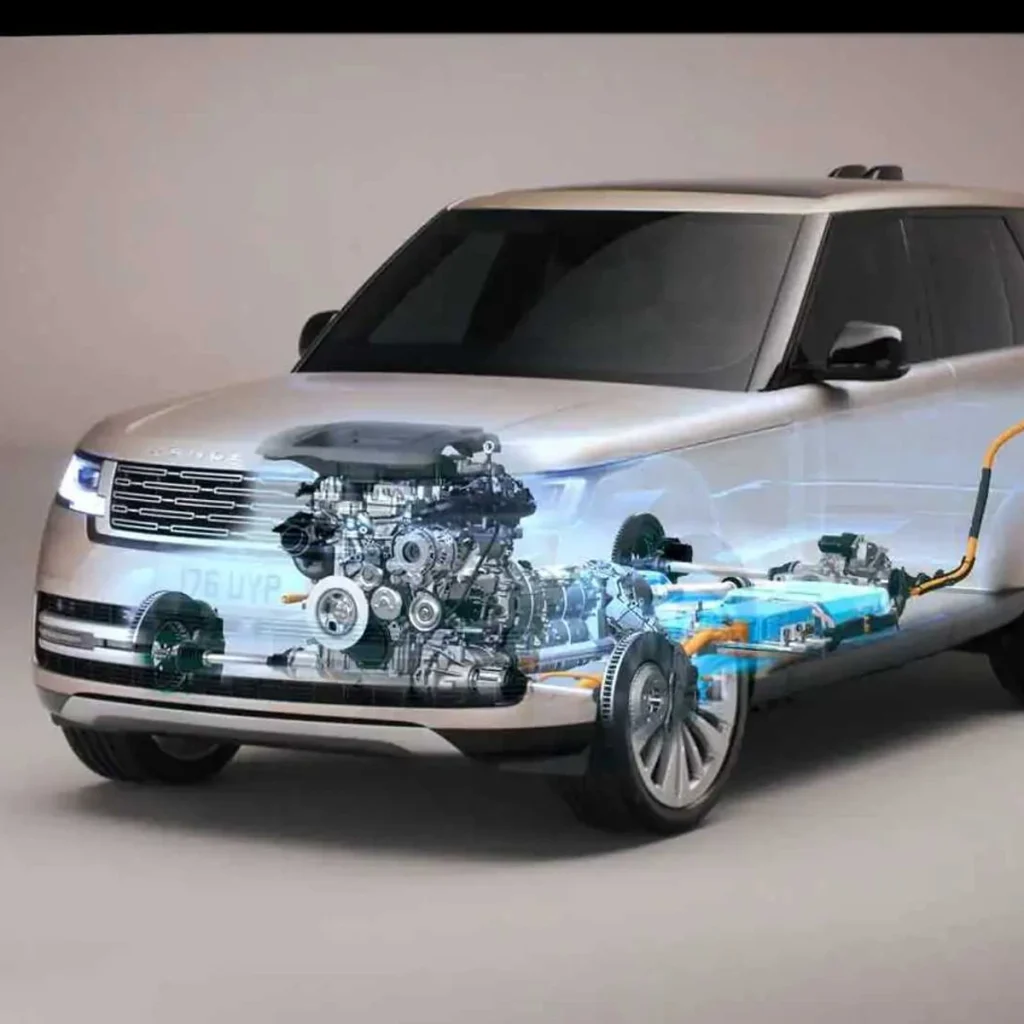
Range Rover Goes Electric: How the World’s Most Iconic Luxury SUV Is Entering a New Era
The luxury automotive industry is entering one of its most significant periods of transformation. For decades, the Range Rover has represented a particular idea of automotive luxury: commanding presence, exceptional off-road capability, sophisticated interiors and effortless performance.
Now, that formula is changing.
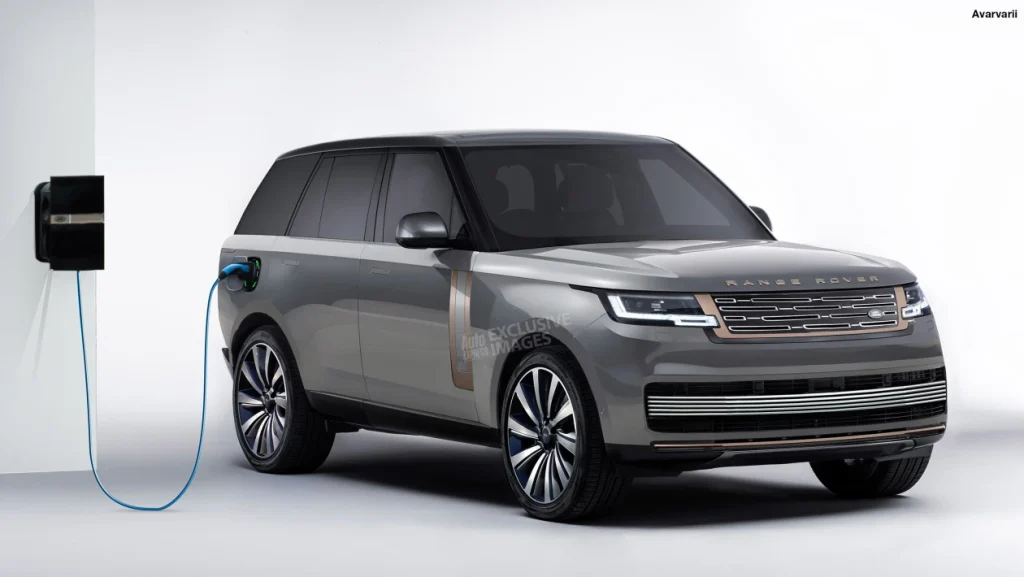
Range Rover has officially entered the fully electric era with the introduction of the Range Rover Electric, marking a significant moment for both the brand and the luxury SUV segment. Rather than abandoning the characteristics that made Range Rover successful, the new electric model attempts to demonstrate that electrification can coexist with traditional luxury, performance and off-road capability.
This is more than simply replacing a petrol engine with electric motors. It represents Range Rover’s attempt to redefine what a modern luxury SUV can be.
A New Chapter for an Icon
The significance of the Range Rover Electric comes from the identity of the vehicle it is electrifying.
Range Rover has never been positioned simply as a means of transportation. It has become a symbol of luxury, status, capability and lifestyle. Its distinctive design and commanding road presence have allowed it to occupy a unique position between traditional luxury vehicles and serious off-road machines.
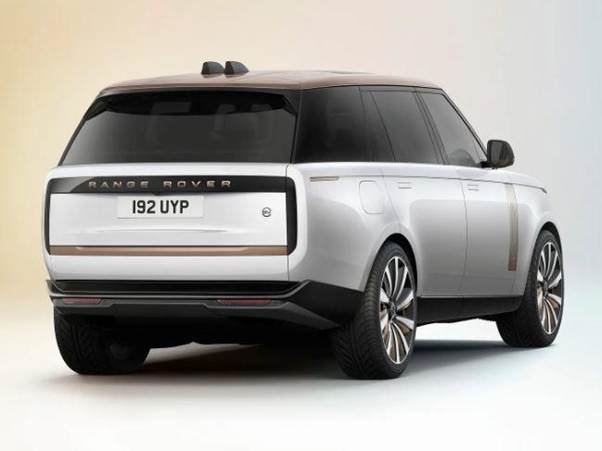
That creates an interesting challenge for electrification. Many electric vehicles have historically been designed around aerodynamic efficiency, futuristic styling and technology-first identities. Range Rover has taken a different approach. The new Range Rover Electric retains the familiar design philosophy of the Range Rover family rather than attempting to make the vehicle look like a conventional futuristic EV. JLR’s strategy is essentially “Range Rover first, electric second.”
That philosophy is important because the company is not asking existing Range Rover customers to completely rethink what a Range Rover looks and feels like, instead, it is asking them to rethink what powers it. The result is an electric SUV that maintains the visual authority associated with Range Rover while introducing a completely different powertrain underneath.
The Numbers Are Serious
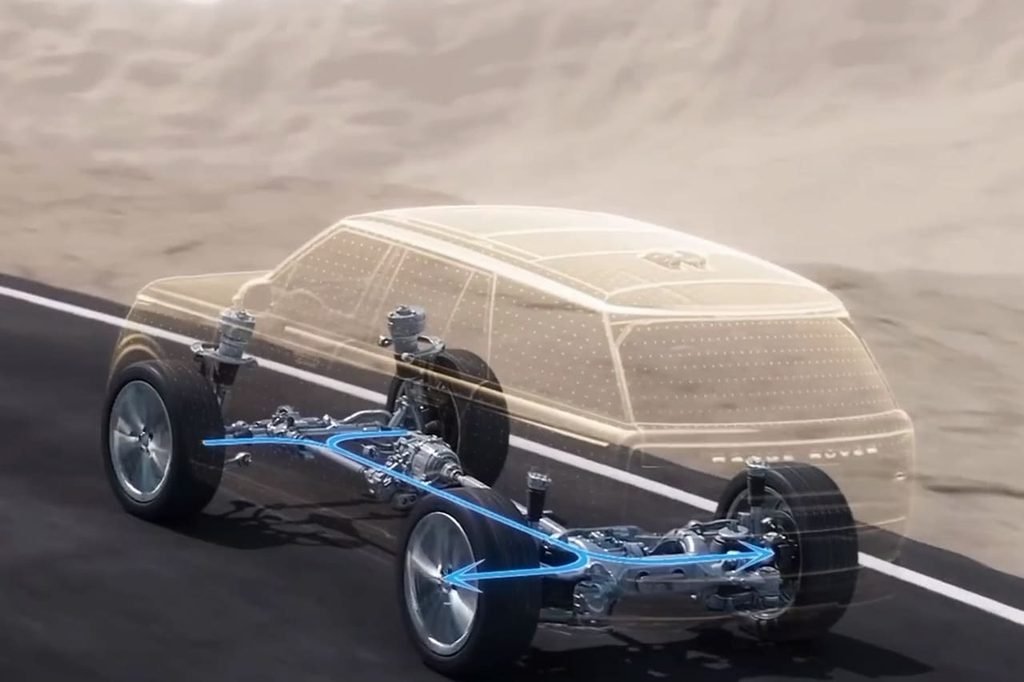
Electrification does not mean that Range Rover has abandoned performance. The Range Rover Electric uses a dual-motor all-wheel-drive system producing approximately 542 horsepower and 850 Nm of torque. That places its performance firmly within the territory traditionally occupied by powerful six-cylinder and V8 luxury SUVs. The vehicle is capable of accelerating from 0–60 mph in approximately 4.3 seconds, but the more interesting number may actually be its torque. Electric motors deliver their torque almost instantaneously. Instead of waiting for an internal-combustion engine to build revs or a turbocharger to generate boost, the electric drivetrain can deliver substantial propulsion almost immediately.
This changes the character of a large luxury SUV. The experience becomes less about the engine building power and more about the vehicle simply responding to the driver’s command. That is particularly relevant for a Range Rover because effortless performance has always been one of its defining characteristics.
A Large Battery for a Large SUV
Powering the vehicle is a 118.5 kWh battery pack, designed to provide the energy required by a large, heavy luxury SUV. The vehicle is also built around an 800-volt electrical architecture, allowing significantly faster charging than many conventional EV systems. Range Rover quotes a WLTP range of up to approximately 372 miles, while real-world expectations are closer to the low-300-mile region depending on conditions and driving style.
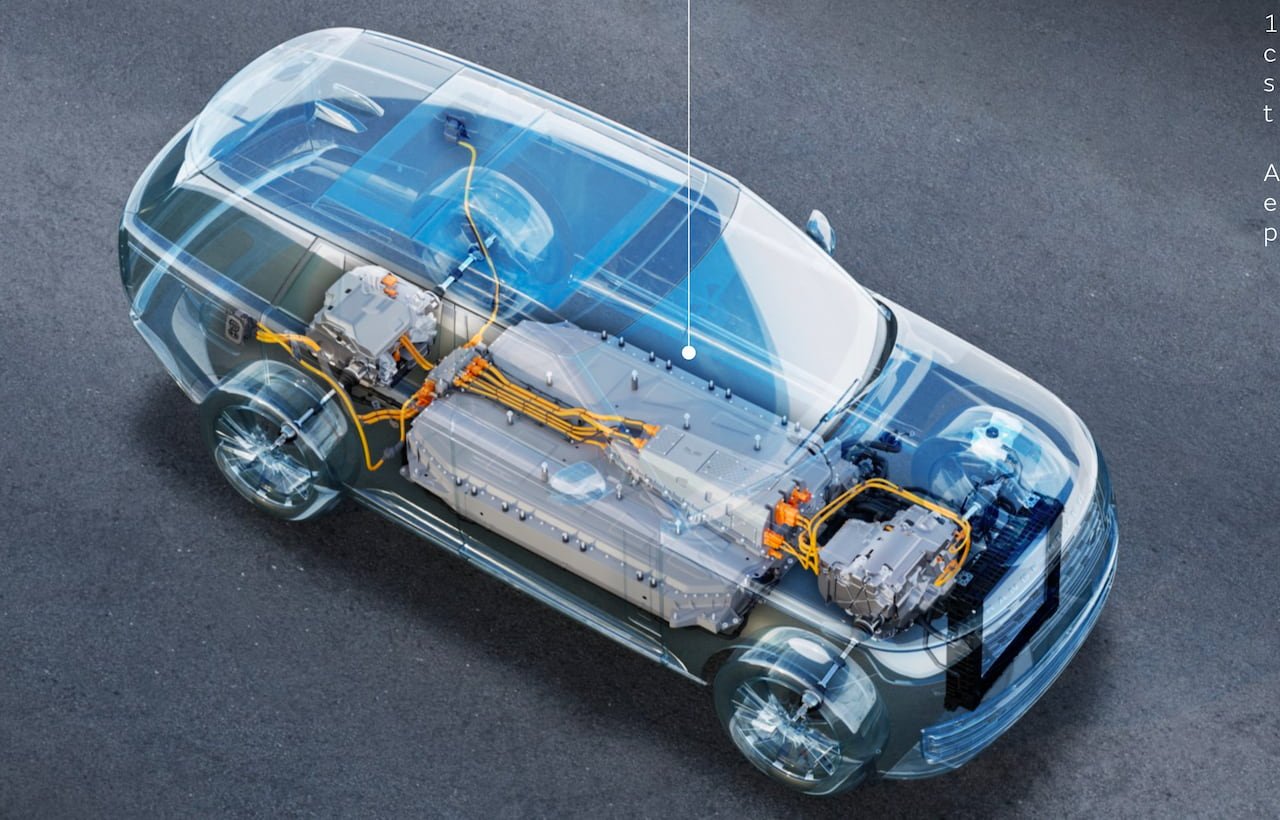
That distinction is important. Luxury EV buyers increasingly want vehicles that can function beyond the city. A premium SUV costing well into six figures cannot realistically be treated as a second vehicle that only works for short urban journeys. The Range Rover Electric therefore needs to provide enough range for commuting, highway travel, long-distance journeys and the occasional escape from the city.
Its large battery is designed to address exactly that requirement.
Charging Becomes Part of the Luxury Experience
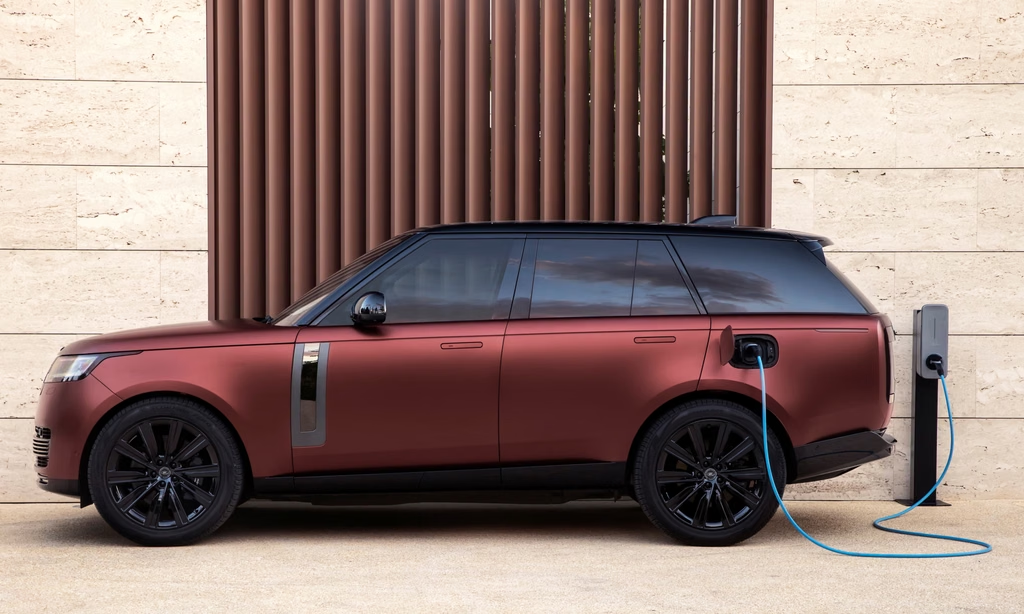
One of the biggest concerns surrounding electric vehicles is charging. Range Rover has attempted to address that through its 800-volt architecture and rapid DC charging capability. Under suitable conditions, the Range Rover Electric can charge from 10% to 80% in approximately 22 minutes, while a short charging session can add a substantial amount of usable range.
This represents an important shift in how we think about EV ownership. The future of luxury mobility is not necessarily about eliminating inconvenience altogether. It is about making the inconvenience small enough that it does not interfere with the owner’s lifestyle. For a Range Rover customer, charging at home overnight could become as routine as parking the vehicle in a garage. The vehicle then starts each morning with a substantial amount of available range without the owner having to visit a petrol station. That changes the ownership experience.
But Can an Electric Range Rover Still Be a Range Rover?
This is arguably the most important question.
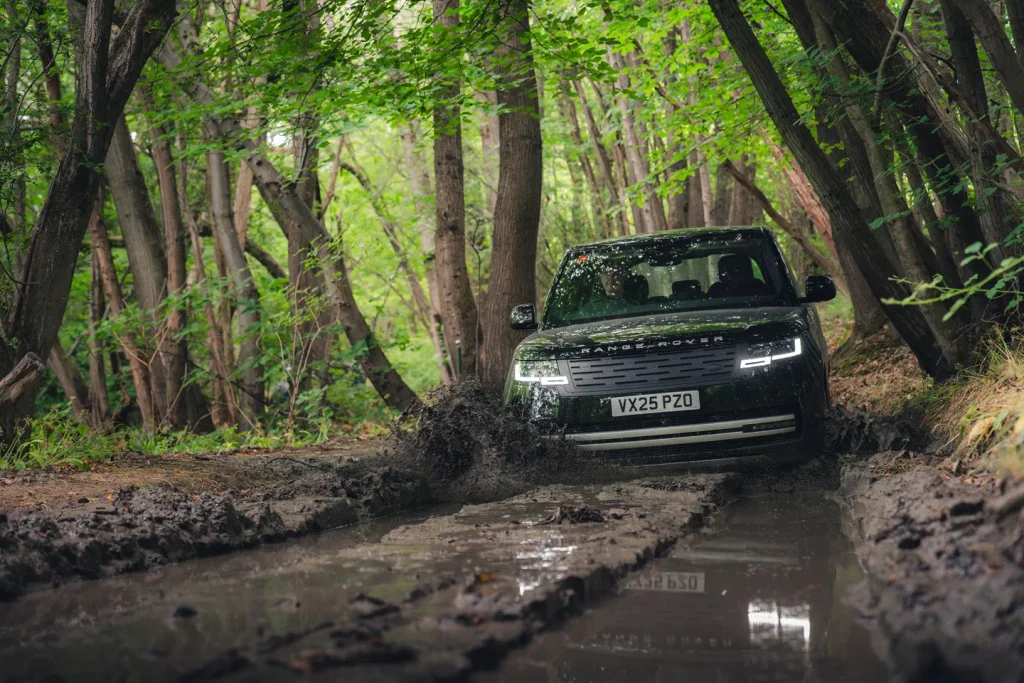
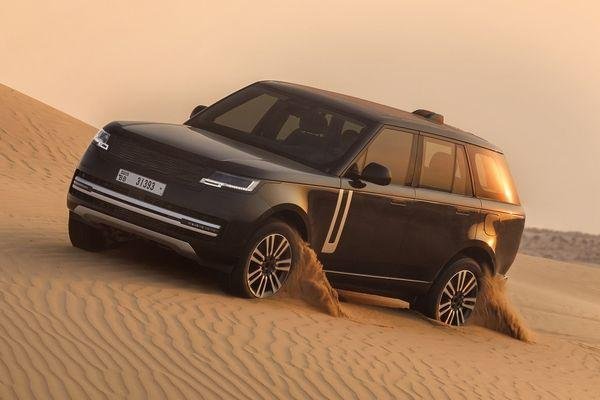
Range Rover has built its reputation partly on its ability to travel beyond conventional roads. Luxury alone would not be enough. An electric SUV that performs beautifully on a highway but becomes vulnerable the moment the road disappears would not truly represent the Range Rover philosophy. This is why the development of the electric model has placed considerable emphasis on maintaining its off-road credentials. The Range Rover Electric has a claimed 900 mm wading capability, matching the impressive water-crossing capability expected from the Range Rover family. That is particularly significant because electric vehicles have historically raised questions about water exposure, battery protection and extreme terrain. Range Rover’s engineering challenge has therefore been much greater than simply creating a powerful electric SUV. It had to create an electric SUV capable of behaving like a Range Rover.
Silence Becomes the New Luxury
Perhaps the biggest transformation will not be something you see, it will be something you hear or rather, something you don’t hear. Range Rover has described the electric model as offering near-silent propulsion and a new level of refinement. For decades, engine sound has been associated with performance, the sound of a V8 accelerating has traditionally communicated power. Turbocharged engines have introduced their own soundtrack. Even diesel engines have become part of the personality of many luxury SUVs.
Electric propulsion changes that relationship.
There is no traditional engine noise dominating the cabin. Instead, acceleration becomes almost silent. For a brand built around luxury, this could actually be an advantage. Luxury has always been associated with reducing unwanted noise, vibration and harshness. Electric propulsion takes that idea to another level.
The Interior Is Still About Range Rover Luxury
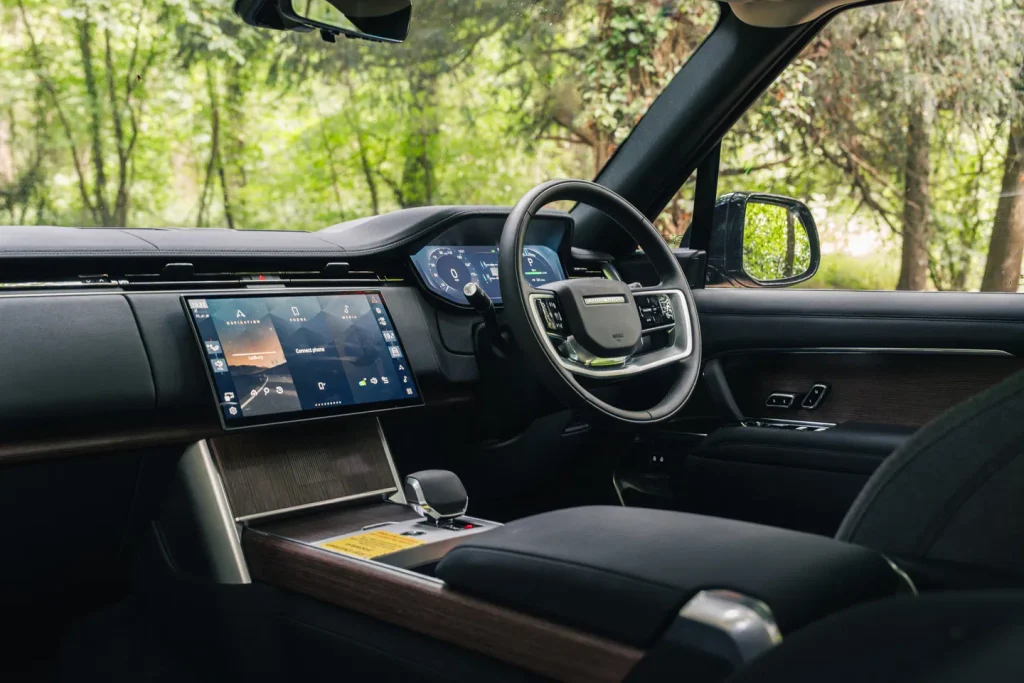
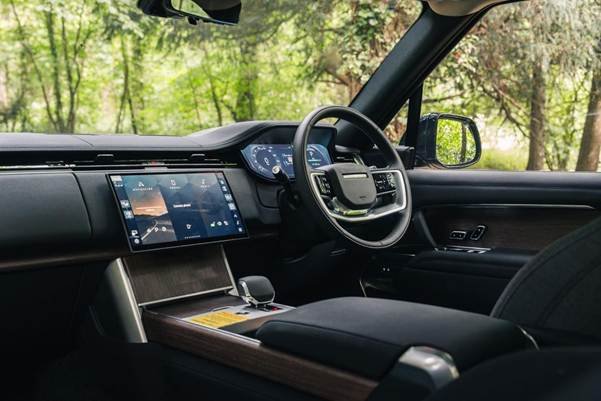
Electrification has not fundamentally changed what customers expect when they enter a Range Rover. The cabin remains focused on premium materials, comfort, technology and an environment that separates the occupants from the outside world. And that is an important strategic decision. Range Rover does not need to compete with technology companies on the basis of having the largest screen or the most futuristic dashboard. Its competitive advantage is the overall experience. The electric powertrain simply becomes another component of that experience. The vehicle is quiet.
The vehicle is quiet. The acceleration is immediate. The cabin remains insulated. The ride remains focused on comfort and the exterior continues to communicate presence. That combination is what makes the transition particularly interesting.
What Does This Mean for the Range Rover Sport?
This is where the story becomes particularly interesting for enthusiasts. The Range Rover Sport has traditionally occupied a slightly different position within the family. It is more performance-oriented, more aggressively styled and designed to appeal to buyers who want the Range Rover identity with a stronger emphasis on driving dynamics.
Today, the Range Rover Sport lineup includes powerful petrol models and plug-in hybrids. The P460e and P550e, for example, combine a 3.0-litre six-cylinder Ingenium petrol engine with a 160 kW electric motor. But the arrival of the Range Rover Electric creates an obvious question:
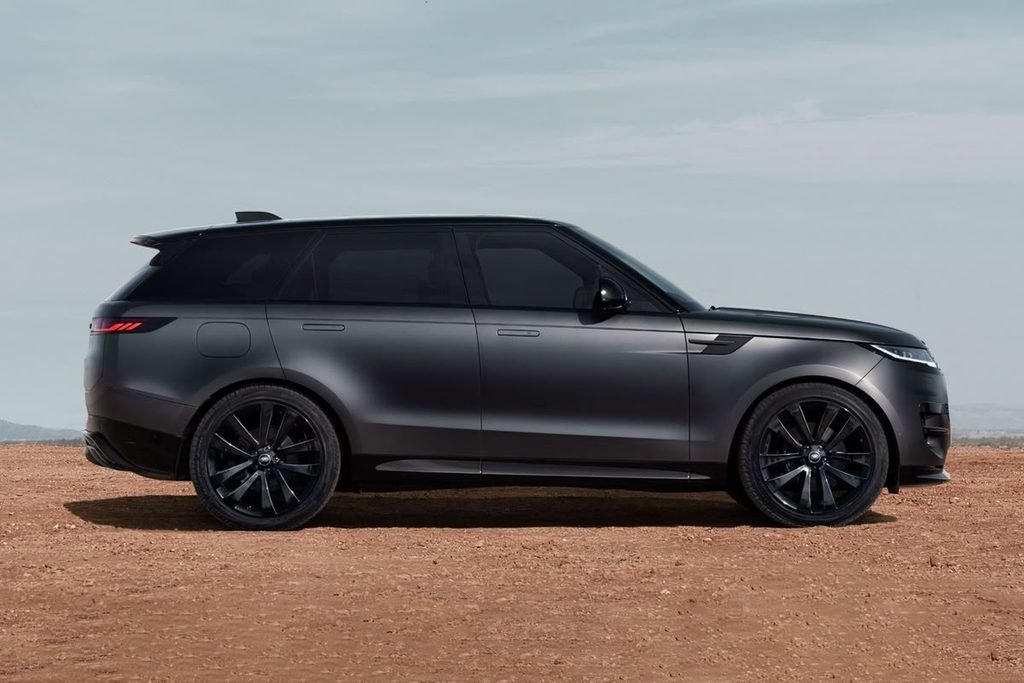
How long before the Range Rover Sport receives the same treatment?
Reports surrounding the next phase of Range Rover’s electrification strategy have pointed toward an electric Sport, with anticipated technology closely related to the electric Range Rover. That could potentially create one of the most interesting luxury performance SUVs on the market. Imagine the existing Range Rover Sport philosophy aggressive design, dynamic handling and strong performance combined with instant electric torque.That combination could produce a very different interpretation of the Sport.
Why This Matters to Kenya
For the Kenyan premium automotive market, this development deserves particular attention. Kenya’s luxury SUV market has traditionally been dominated by vehicles such as the Range Rover, Range Rover Sport, Land Cruiser, Lexus LX, Mercedes-Benz G-Class and BMW X7. These vehicles are not purchased purely because they are practical. They are purchased because they represent mobility, status, comfort, performance and identity. The arrival of a fully electric Range Rover introduces another dimension into that conversation. The question is no longer simply:
“Which luxury SUV should I buy?”
It increasingly becomes:
“What type of mobility do I want my luxury SUV to represent?”
That is a significant change. For a Kenyan buyer, however, the transition will come with practical considerations. Charging infrastructure remains one of the most important issues. Unlike traditional petrol vehicles, an EV owner needs access to reliable charging at home, at work or through a growing public charging network. For someone living in Nairobi and using the vehicle primarily for urban and suburban travel, an electric Range Rover could potentially make considerable sense. For someone regularly undertaking long-distance journeys into areas where charging infrastructure is limited, the decision becomes more complicated. This is where plug-in hybrids currently retain an important advantage.
The Beginning of a New Premium-SUV Conversation
The Range Rover Electric should therefore not be viewed simply as another EV. It represents something bigger. The premium automotive market is gradually moving away from the idea that electric vehicles need to look futuristic, experimental or completely different from traditional luxury vehicles. Range Rover is effectively demonstrating another possibility:
From Engine Power to Electric Intelligence
For generations, the identity of a powerful vehicle was built around its engine. Displacement mattered, cylinder count mattered, turbochargers mattered, horsepower mattered. Today, the definition of performance is changing. Instant torque, battery capacity, charging speed, software, thermal management and energy efficiency are becoming equally important. The Range Rover Electric demonstrates this transition particularly well. Its 118.5 kWh battery, dual electric motors and 800-volt architecture are not simply technical specifications. They represent a fundamental change in how the vehicle produces and delivers performance. And perhaps most importantly, Range Rover is attempting to make that technological transformation feel almost invisible to the customer. You do not necessarily need to understand the engineering. You simply need to experience the result.
The Future of Luxury Mobility Is Becoming Clearer
The arrival of the Range Rover Electric signals that electrification has moved beyond mainstream and performance vehicles.
It has reached the very top of the luxury SUV market, and that is significant.
The question facing premium manufacturers is no longer whether electric vehicles can be luxurious, they clearly can. The real question is whether electric vehicles can preserve the character and emotional appeal that made traditional luxury vehicles desirable in the first place.
Range Rover appears to believe that they can. The Range Rover Electric does not attempt to erase the past. It takes one of the most recognizable luxury SUV identities in the world and attempts to carry it into the future.
For the Kenyan automotive market, this could eventually introduce a new category of premium ownership one where the conversation shifts from fuel consumption to energy management, from engine size to battery capacity, and from exhaust sound to silent performance. And as Range Rover continues expanding its electric strategy, the eventual electrification of the Sport philosophy could make the transition even more interesting. Because if the Range Rover Electric represents the beginning of the electric luxury era, an electric Range Rover Sport could represent something even more exciting:
the moment when electric performance, luxury and Range Rover’s sporting identity fully converge.
The automotive industry is changing and this time, the change is not simply happening underneath the bonnet.
It is changing what the bonnet itself represents