
Nothing ruins a smooth drive faster than a sudden loss of power, a sputtering engine, or a flashing Check Engine Light minutes after leaving a gas station. If you’ve filled up at an unregulated pump or a questionable station, you might be dealing with adulterated fuel—often locally dubbed mafuta ya kupima.
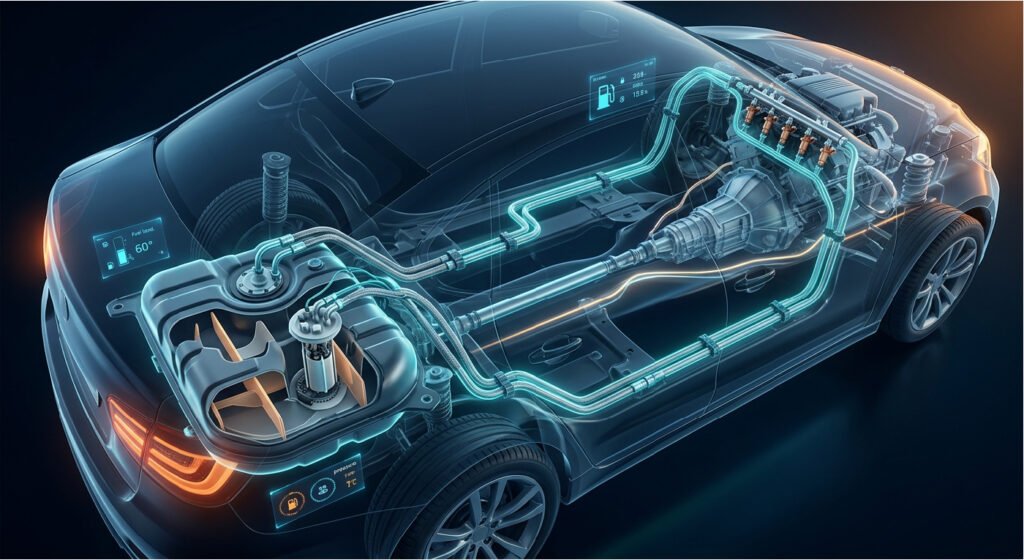
Fuel adulteration typically occurs when unscrupulous vendors mix high-grade petrol or diesel with cheaper solvents, kerosene, or even water to boost profit margins. Driving on dirty or diluted fuel can corrode fuel lines, destroy fuel injectors, and cause thousands in engine repairs if left unaddressed.
Warning Signs You’ve Pumped Bad Fuel
Symptoms usually appear within 5 to 20 kilometers of refueling as the bad mix moves through your fuel lines into the combustion chamber:
- Sudden Sputtering or Jerking: The car struggles during acceleration or hesitates when you press the gas pedal.
- Loss of Power Under Load: Climbing hills or overtaking becomes unusually difficult as combustion efficiency drops.
- Unusual Exhaust Smoke: Black, dark gray, or thick white smoke pouring from the tailpipe indicates incomplete burning or water mixed into the fuel.
- Engine Knocking or Ping Sounds: Low-octane solvent mixtures cause early detonation (pinging), which can break engine pistons over time.
- Hard Starting or Frequent Stalling: Water or kerosene in petrol prevents proper ignition, causing the engine to turn over repeatedly or stall at idle.
Immediate Steps: What to Do
If you suspect bad fuel, action speed matters. Continuing to drive pushes dirty fluid directly into expensive precision parts like high-pressure fuel pumps and injectors.
1.Pull Over and Turn Off the Ignition:Crucial for preventing internal engine damage.
Stop at a safe spot off the road immediately. Do not attempt to “drive it off” or burn through the tank, as this forces contaminants deeper into the system.
2.Do Not Restart the Engine:Keep the fuel pump inactive.
Turning the key to the ignition position runs the electric fuel pump, circulating bad fuel into the fuel rail. Leave the engine completely off.
3.Call a Flatbed Tow Truck:Avoid flat-towing with driven wheels on the ground.
Have your vehicle towed directly to a trusted mechanic or service center equipped for fuel system flushing.
4.Safeguard Your Receipt and Location Details:Essential for filing formal complaints or legal claims.
Keep your purchase receipt, digital payment confirmation, and exact station location. You will need these if filing a complaint with local energy regulatory authorities.
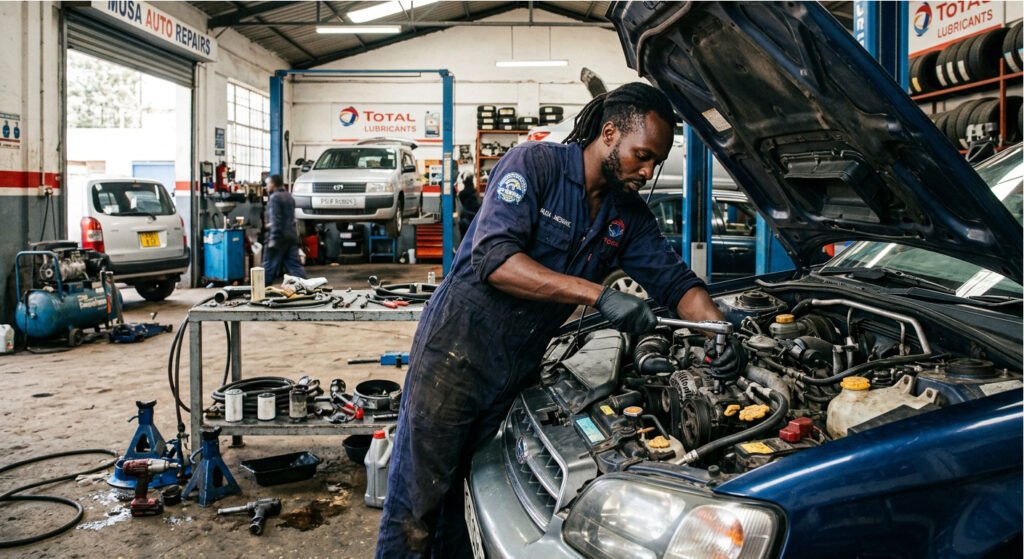
How Mechanics Fix the Problem
| Repair Action | Why It’s Necessary |
| Complete Tank Drain | Drains the contaminated mixture entirely to prevent re-contamination. |
| Fuel Line & Rail Flush | Clears remaining residue out of lines before new fuel is added. |
| Fuel Filter Replacement | Traps physical dirt and water particles; must be replaced after exposure to bad fuel. |
| Injector Inspection | Checks for clogged or damaged nozzles that prevent proper spray patterns. |
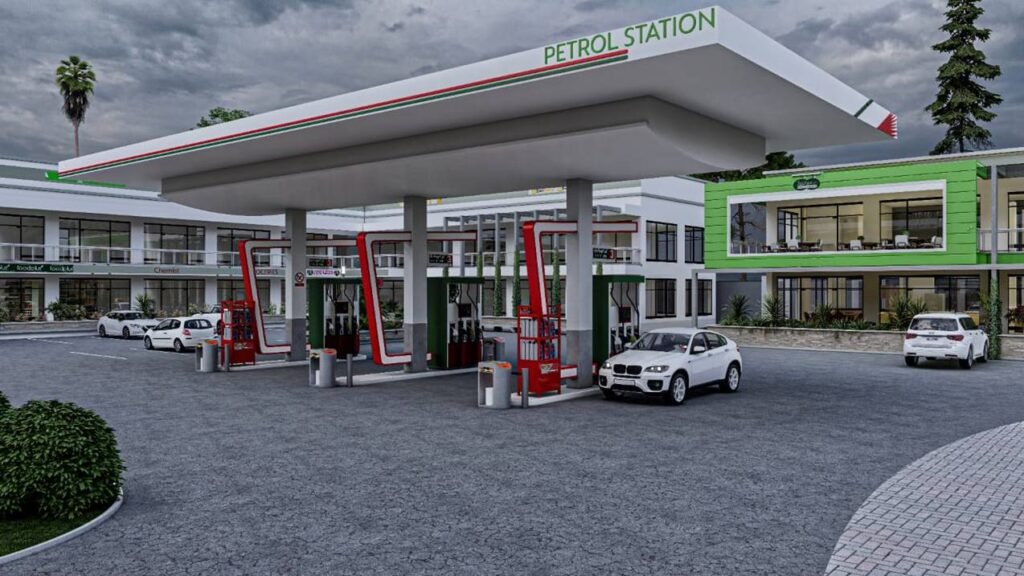
Proactive Tips to Avoid Mafuta ya Kupima
- Stick to Reputable Stations: Favor major, well-known brand stations with strict quality control over unregulated roadside sellers.
- Avoid Refueling During Tanker Deliveries: When a tanker truck is refilling station underground tanks, sediment at the bottom gets stirred up into the pumps.
- Always Demand a Receipt: A digital or physical receipt is your primary evidence if you need to hold a station liable for mechanical repairs.