
Walk into almost any modern car dealership or scroll through your local automotive classifieds, and you’ll notice a quiet but massive shift taking place. The sleek, tech-loaded SUVs and futuristic electric vehicles (EVs) catching everyone’s attention are increasingly sporting names like BYD, Chery, Haval, and Jetour.
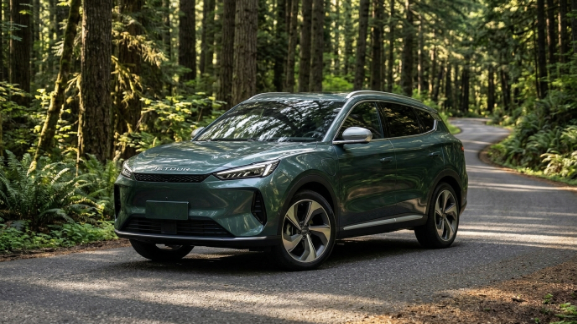
Chinese automakers are no longer just hovering on the margins of the global automotive industry; they have officially arrived. In key global markets, they are forcing a massive shift in price expectations.
But as buyers face the choice between a highly-specced, competitively priced Chinese model and a pricier, bare-bones legacy brand, a pressing question remains: Are these vehicles the ultimate “cheap luxury” hack, or are they a risky bet?
Let’s break down both sides of the coin.
The “Cheap Luxury” Case: Why Buyers Are Biting
For decades, getting premium features—like panoramic sunroofs, ambient lighting, massive dual infotainment screens, and advanced driver-assistance systems (ADAS)—meant paying a heavy premium for European or Japanese luxury brands.
Chinese automakers have completely flipped this script. Here is how they are winning over buyers:
- Unmatched “Spec-to-Price” Ratio: You can often buy a brand-new, fully loaded Chinese crossover for thousands of dollars less than a mid-spec, entry-level model from a legacy brand.
- Cutting-Edge Tech First: Because many Chinese brands built their platforms in the mobile-internet era, their software integration is incredibly slick. Massive touchscreens, seamless voice commands, over-the-air (OTA) updates, and advanced camera systems come standard rather than as expensive add-on packages.
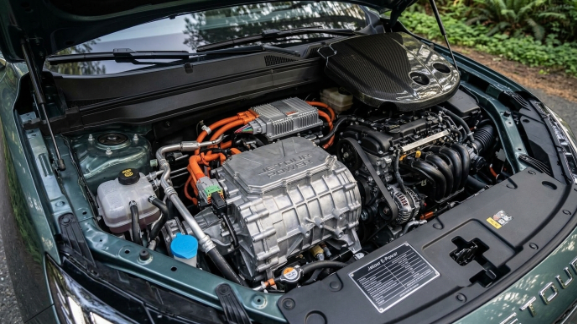
- Battery and EV Dominance: If you are looking at electric vehicles, China is the undisputed global hub of battery technology. Giants like BYD—armed with highly praised hardware like the “Blade Battery”—are delivering range and safety specs that legacy manufacturers are actively struggling to match.
- Age and Mileage Advantages on the Used Market: Data from used car markets shows that the average used Chinese car being traded is significantly newer and has far lower mileage compared to traditional alternatives at the same price point. Buyers are weighing a 2024 model with under 30,000 km against a 2020 legacy model with over 70,000 km.
The “Risky Bet” Case: The Hidden Catch
While the initial showroom appeal of these vehicles is undeniable, long-term ownership introduces several variables that give seasoned car buyers pause.
1. The Consolidation Question (Will the Brand Survive?)
The Chinese automotive market is intensely competitive, characterized by aggressive price wars. While major giants like BYD, Geely, and Chery are backed by massive infrastructure, dozens of smaller startups and EV brands are fighting for survival. History has already shown us cautionary tales of younger brands (like WM Motor or Aiways) facing liquidation, leaving owners with “orphaned” smart cars that no longer receive software updates or factory support.
2. Parts Availability and Dealership Networks
Legacy giants like Toyota, Ford, or Volkswagen have spent over half a century building highly optimized, global supply chains. If a sensor or body panel breaks on an established brand, any local mechanic can source the part. For newer Chinese brands, waiting weeks or even months for a specific electronic module or specialized component to ship directly from overseas is still a relatively common headache.
3. Steeper Depreciation
Because consumer trust in these brands is still building, their resale value tends to take a sharper hit in the first few years compared to rock-solid legacy stalwarts. If you plan to buy a car and sell it in three years, the money you “saved” on the purchase price might simply be lost in rapid depreciation.
The Verdict: How to Navigate the Market
Are Chinese cars cheap luxury or a risky bet? The truth is, they are a bit of both—it entirely depends on which brand you buy and how you plan to use it.
If you are looking to mitigate your risk while enjoying the incredible value these vehicles offer, follow these ground rules:
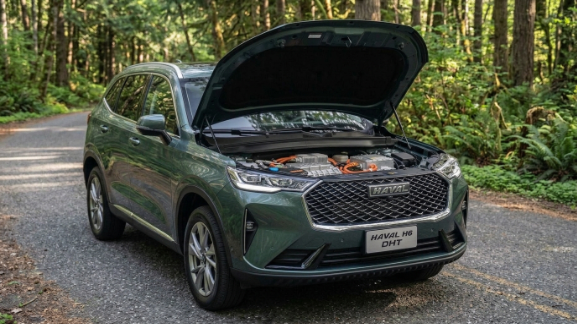
Stick to the Giants: If you are buying Chinese, favor the heavyweights (like BYD, Chery/Omoda, Geely, or GWM/Haval). They have the financial backing to survive global market shifts and are investing heavily in local parts hubs and dealership networks.
Factor in Your Ownership Horizon: If you swap cars every 3 to 4 years, the rapid depreciation might sting. However, if you plan to buy the car, take advantage of its long factory warranty (many offer 5-to-7-year warranties), and drive it until the wheels fall off, the initial cost savings make immense financial sense.
The automotive landscape has changed permanently. Chinese cars are no longer just “cheap alternatives”—they are actively defining what modern vehicle luxury looks like on a budget. Just make sure you do your homework on the manufacturer’s local footprint before signing on the dotted line