
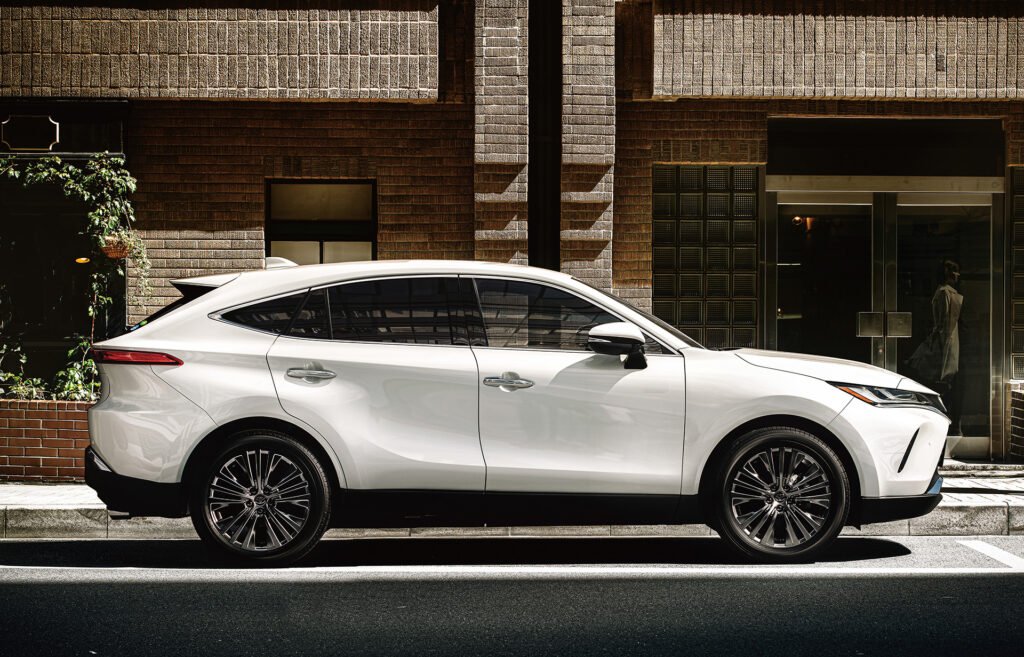
There is a distinct aura when a Toyota Harrier rolls up to the valet at a high-end restaurant or glides smoothly through Sunday morning traffic toward church. In East Africa—and specifically across the leafy suburbs of Nairobi—this isn’t just a midsize crossover. It is a status symbol, a statement of soft-life independence, and the indisputable, unofficial flagship vehicle of “Auntie wa Harrier”.
If you aren’t familiar with the cultural phenomenon, “Auntie wa Harrier” is that fabulously prosperous aunt.
There is a distinct aura when a Toyota Harrier rolls up to the valet at a high-end restaurant or glides smoothly through Sunday morning traffic toward church. In East Africa—and specifically across the leafy suburbs of Nairobi—this isn’t just a midsize crossover. It is a status symbol, a statement of soft-life independence, and the indisputable, unofficial flagship vehicle of “Auntie wa Harrier”.
If you aren’t familiar with the cultural phenomenon, “Auntie wa Harrier” is that fabulously prosperous aunt. She wears oversized sunglasses indoors, has a penchant for gold jewelry, runs three undisclosed side businesses, and always smells like expensive duty-free perfume. She drives with one hand lightly on the steering wheel while the other manages a constant stream of urgent phone calls about real estate.
When Toyota rolled out the redesigned 4th-Generation (XU80) Harrier for the 2021 model year, the big question was simple: Did it retain the glamorous swagger that Auntie loves, or did it sacrifice character for modern corporate sanity?
Let’s step inside, take a drive, and break down what buying and running the 2021 Toyota Harrier actually looks like.
Design & Vibe: Coupe SUV Glamour
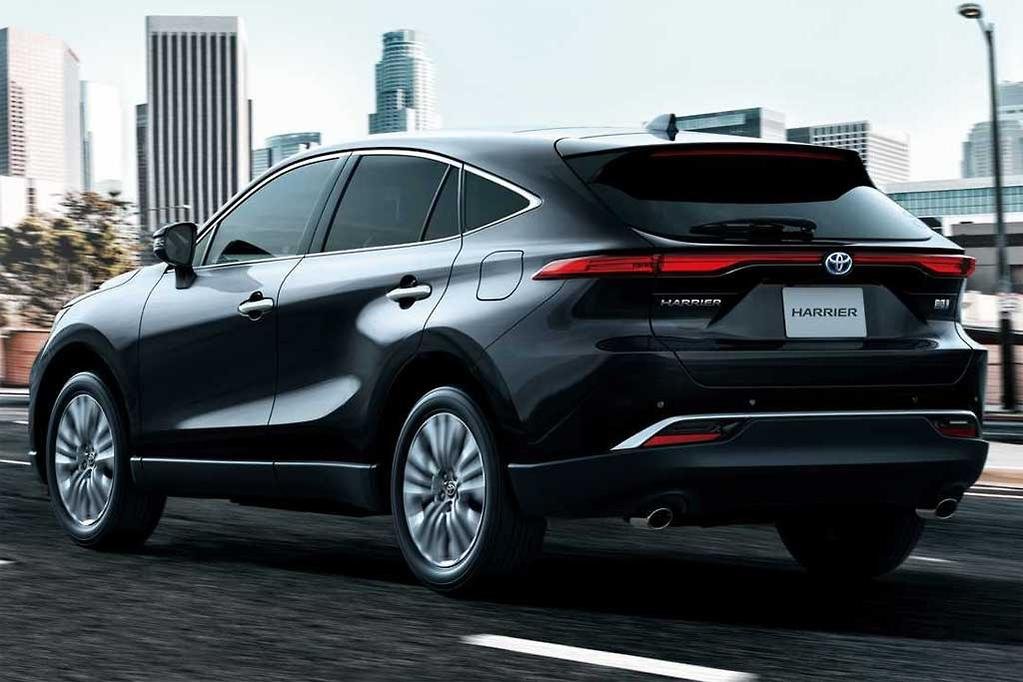
Gone are the boxy, heavy-set silhouettes of the early 2000s Harriers. The 2021 model sits on Toyota’s TNGA-K platform (the same bones under the RAV4 and Lexus RX), giving it a lower center of gravity and a strikingly aggressive coupe-like roofline.
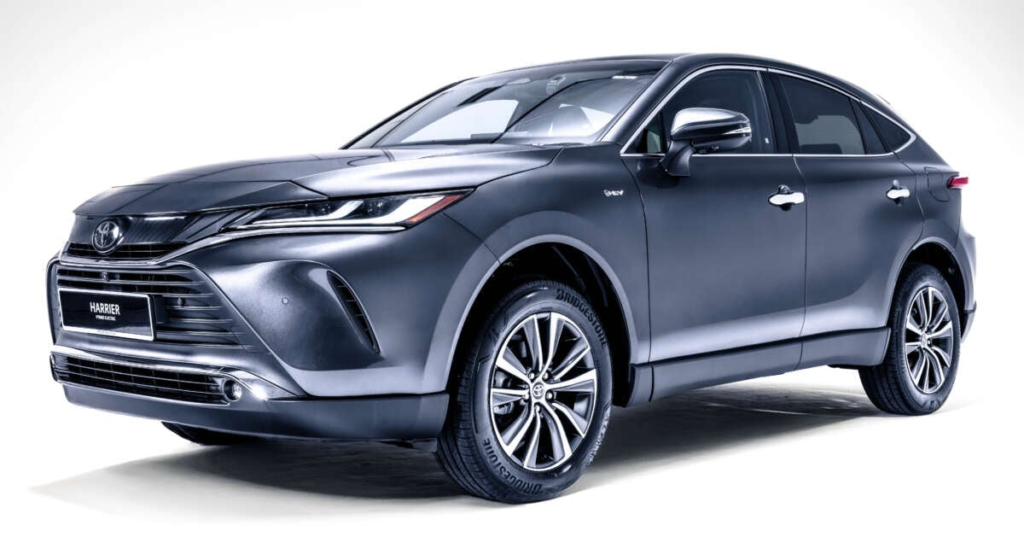
Upfront, sharp LED headlights flank a sleek, closed-off upper grille that sweeps into a wide lower air intake. Out back, a slim, full-width LED light bar spans the tailgate—looking suspiciously like something you’d find on an imported German luxury vehicle. It’s elegant, quietly threatening to outshine everything else in the parking lot, and undeniably stylish.
The Cabin Experience
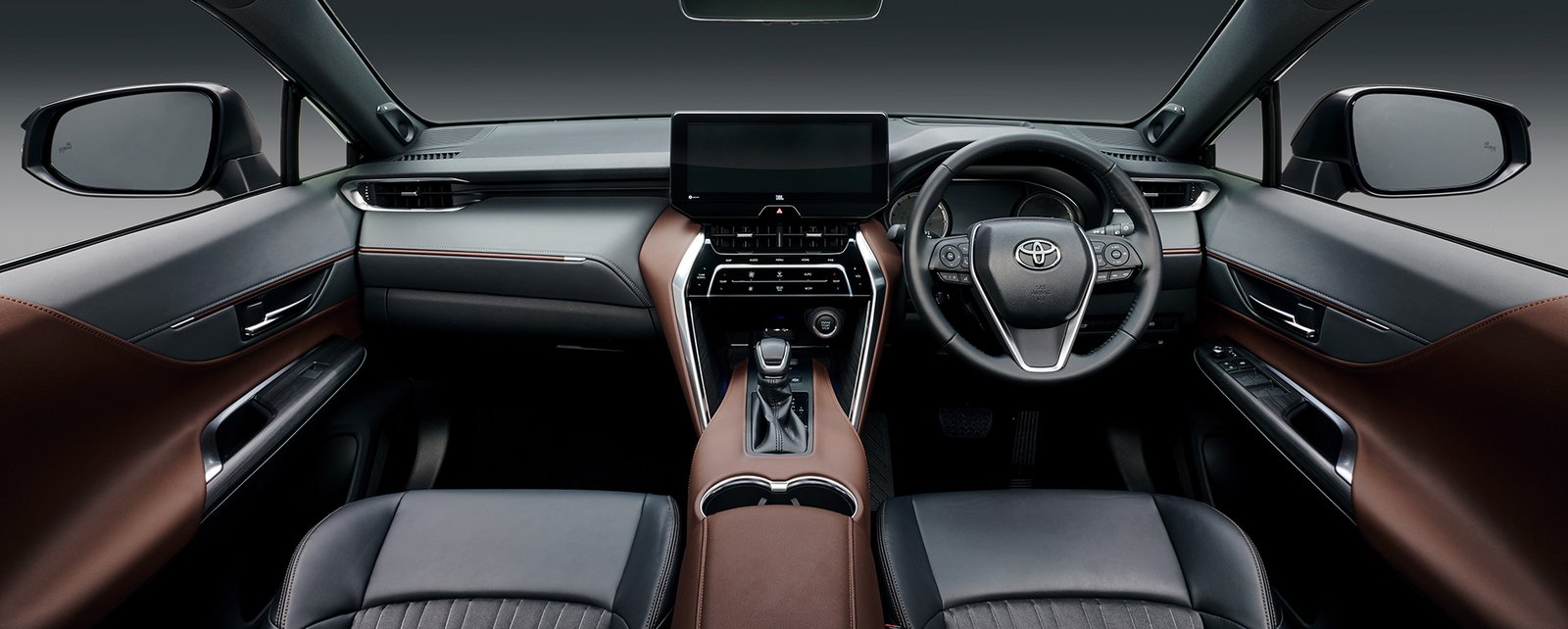
Slide inside, and you’re greeted by a center console explicitly inspired by a horse’s saddle—wrapped in thick leather-look synthetic materials, contrast stitching, and tactile controls.
- The Highlights: High-spec models feature a electrochromic panoramic glass roof (which dims at the touch of a button like a Boeing 787 window) and a massive 12.3-inch infotainment display equipped with Apple CarPlay and Android Auto.
- Auntie’s Critique: While rear legroom is generous enough for three luggage-laden passengers, that sloping roofline cuts into rear headroom slightly. If Uncle is over six feet tall, he’ll want to sit up front.
Powertrains: Efficiency Meets Quiet Comfort
Under the hood, Toyota ditched the old thirsty V6s and high-strung small turbos in favor of two refined, ultra-reliable 4-cylinder engines paired with CVT automatics.
| Feature | 2.0L Dynamic Force (Petrol) | 2.5L Dynamic Force (Hybrid – HEV) |
| Engine Code | M20A-FKS | A25A-FXS |
| Power Output | ~171 hp / 207 Nm | ~218 hp (FWD) / ~222 hp (E-Four AWD) |
| Transmission | Direct Shift-CVT | e-CVT |
| 0-100 km/h | ~9.7 seconds | ~7.9 seconds |
| Drive Vibe | Smooth, leisurely cruiser | Instant low-end torque, whisper-quiet |
Which engine wins?
If you’re buying this car for the full luxury experience, go for the 2.5L Hybrid. The dual-motor electric setup fills in the low-end torque gaps effortlessly, letting Auntie merge onto the highway without making the engine scream. The 2.0L non-hybrid is perfectly fine for urban errands, but under heavy acceleration, the Direct Shift-CVT lets out a mild buzz that breaks the cabin’s serene tranquility.
Financial Reality: Buying & Running Costs
Now for the part that separates the real Aunties from the wannabes: the budget.
Because 2021 models have hit the sweet spot for foreign imports and second-hand dealer lots, they represent a premium investment over a standard RAV4.
Purchase Costs (Estimated Market Averages)
- Foreign Used / Fresh Import (Grade 4+): KES 4.8 Million – KES 5.8 Million ($37,000 – $45,000 USD approx.) depending on trim (G, Z, or Leather Package) and drivetrain.
- High-Spec Z Leather Package (Hybrid E-Four): Expect prices toward the top of that bracket (KES 5.8M – 6.2M).
Running Costs: Fuel & Maintenance
- Fuel Consumption:
- 2.0L Petrol: Expect around 13 – 15 km/L on combined highway/city driving.
- 2.5L Hybrid: A staggering 20 – 22 km/L. In city traffic, you spend more time coasting on battery power than burning petrol, making fuel station visits surprisingly rare.
- Routine Servicing: Minor services (oil, filters, fluid checks) cost standard Toyota rates—roughly KES 12,000 – 18,000 per service at a reputable garage.
- Insurance & Taxes: Comprehensive insurance typically runs around 3.5% to 4% of the vehicle’s value annually.
A Quick Hybrid Reality Check: Don’t fear the hybrid battery. Toyota’s nickel-metal hydride and lithium-ion battery packs are engineered to last the lifespan of the vehicle. As long as you keep the battery cooling vents under the rear seats free from dust and Auntie’s shopping bags, maintenance is identical to a standard petrol car.
The Verdict
The 2021 Toyota Harrier successfully evolves from a comfortable middle-class staple into a genuinely luxurious crossover. It drives smoothly, looks like a million bucks outside the country club, and saves you serious money at the pump if you opt for the hybrid.
If you want the rugged utility of a truck to haul farm equipment, buy a Hilux. But if you want to glide through traffic in absolute peace, wrapped in faux-leather luxury with a stereo playing your favorite throwback tunes—all while maintaining that iconic Auntie wa Harrier energy—the 2021 Harrier remains undefeated.
Compiled By Sipitali Shitsukane
Car Imports Consultant