
The Adventure Starts Where the Tarmac Ends
There is something about leaving the familiar road behind. The moment the smooth tarmac gives way to gravel, dust, mud or a trail carved into the landscape, driving becomes something more than transportation. The destination is no longer the only reason for the journey. The journey itself becomes the experience.
Kenya is particularly suited to this kind of driving. Within a few hours of Nairobi, the landscape can change dramatically from highways and urban streets to escarpments, savannahs, forests, sandy tracks and rugged countryside. Road-trip routes around the Rift Valley, Maasai Mara, Amboseli, Samburu and other destinations demonstrate just how varied the terrain can be.
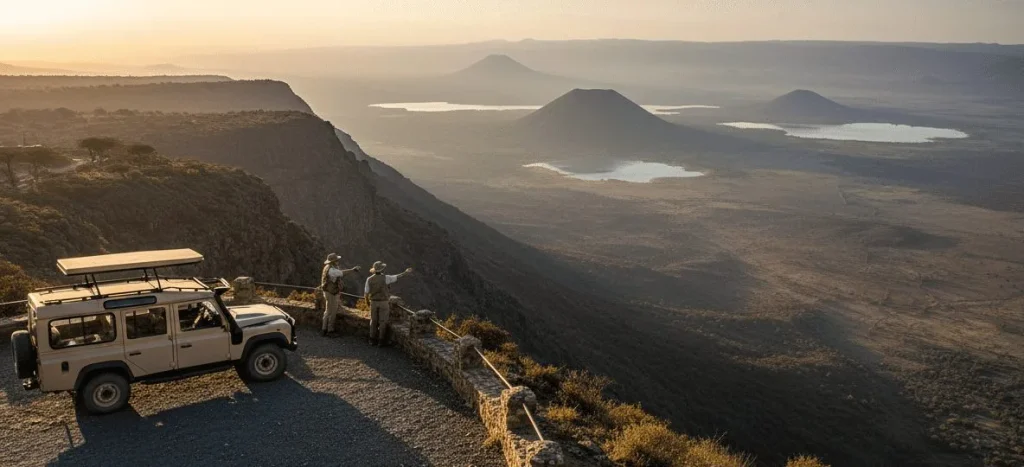
And that raises an important question:
What makes a car an adventure car?
Adventure Is More Than Four-Wheel Drive. When people hear the word adventure, their minds often go straight to 4×4. But true adventure capability is about much more than having four driven wheels. It is about ground clearance when the road becomes uneven. It is about suspension when the surface becomes unforgiving. It is about traction when the ground becomes loose. It is about durability when the journey takes you far from a workshop. And perhaps most importantly, it is about confidence. A good adventure vehicle should make the driver think:
“Let’s see where this road goes.”
rather than:
“I hope the road doesn’t get worse.”
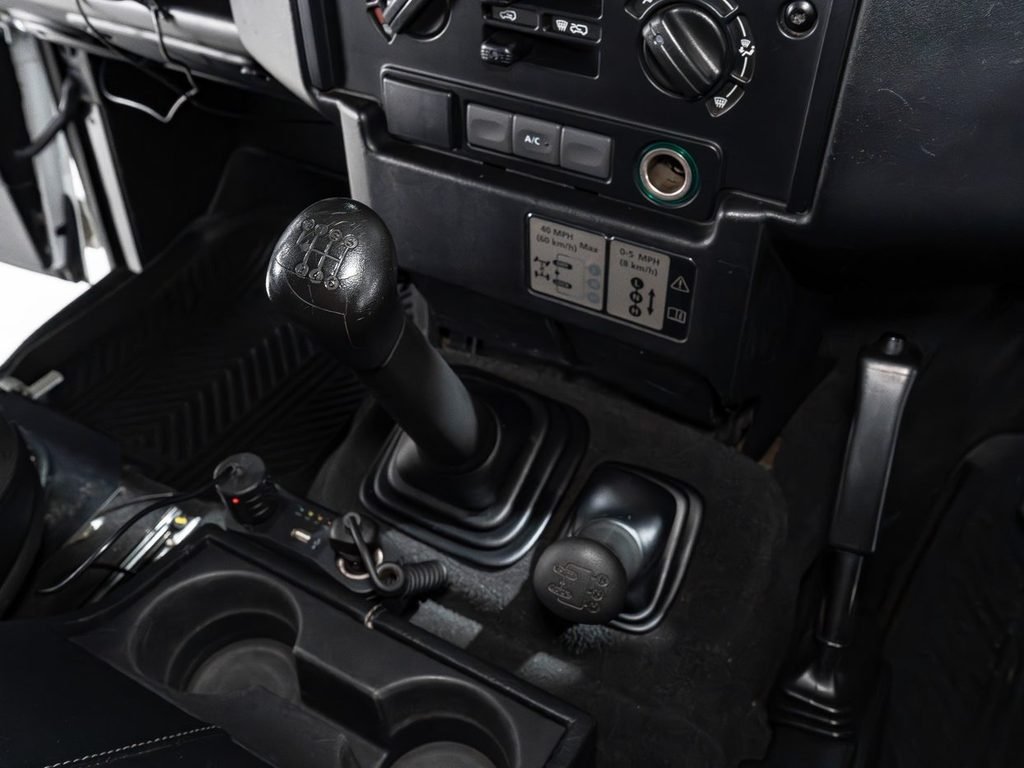
That difference is what separates a vehicle designed to look adventurous from one genuinely built for exploration.
The Road Doesn’t Always Have to Be Perfect
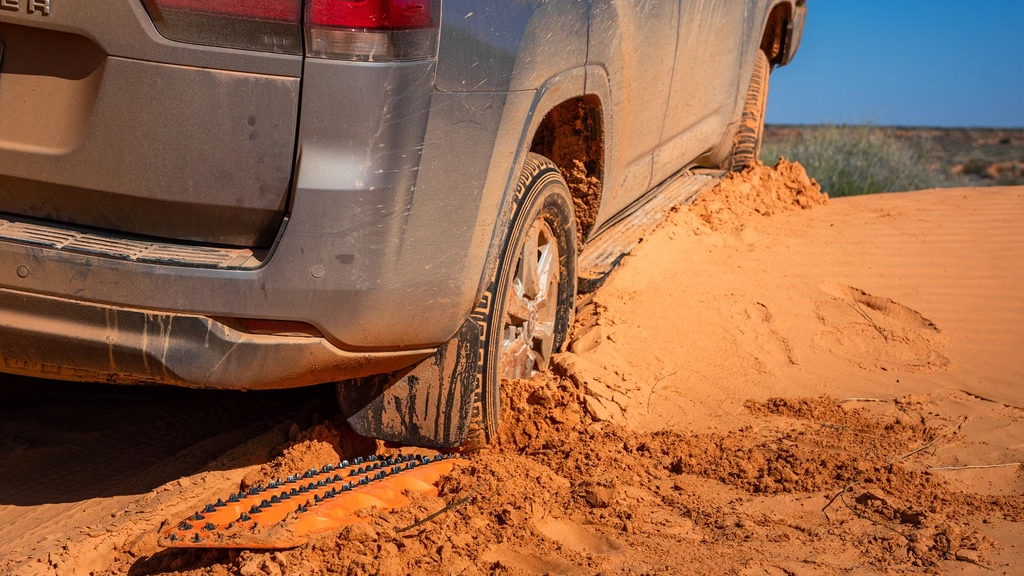
Modern driving has conditioned us to expect perfect roads. Smooth tarmac. Clear lane markings. Street lights. Fuel stations every few kilometres. Adventure begins when those expectations disappear. A road trip towards the Maasai Mara, for example, can transition from major highways to rougher roads approaching the reserve. Other destinations present their own challenges, from sandy sections to corrugated tracks and muddy terrain during rainy periods. This is where the right vehicle changes the experience. Instead of worrying about every pothole, rock or muddy section, the driver can concentrate on the scenery, the people, the wildlife and the road ahead.
Suzuki Jimny Small Doesn’t Mean Fragile
The Jimny represents one of the purest forms of adventure. It is compact, relatively simple and purpose-built around off-road capability. It doesn’t try to be the biggest vehicle on the road. Instead, it embraces being small. That makes it particularly appealing to someone who wants a vehicle that can squeeze through tight trails while still delivering genuine off-road capability. The Jimny doesn’t need to look intimidating. It just needs a trail.
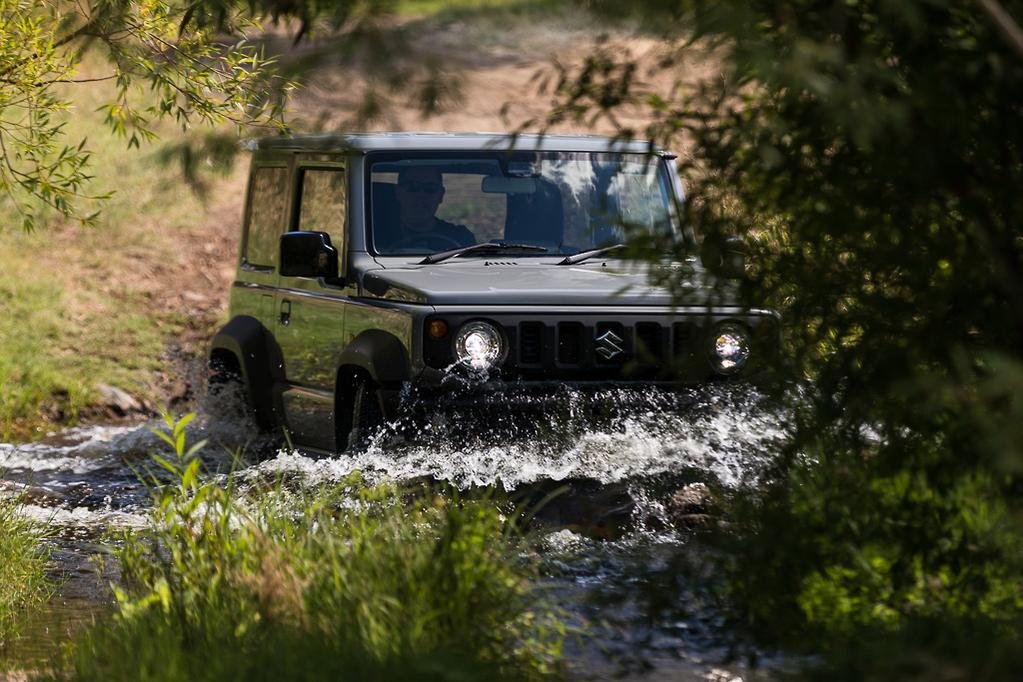
Mitsubishi Pajero The Experienced Explorer
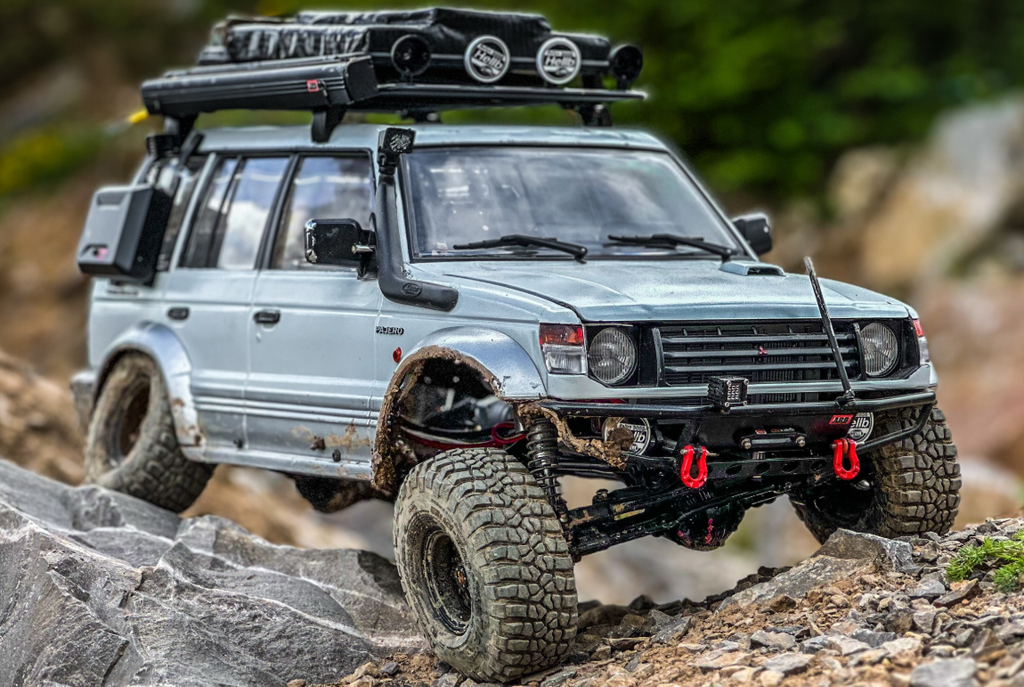
Then there is the Pajero. Where the Jimny represents lightweight adventure, the Pajero represents long-distance exploration. It offers the space, comfort and capability needed when the adventure lasts more than a weekend. It is the type of vehicle that makes sense when the journey involves family, luggage and hundreds of kilometres between destinations. The Pajero’s appeal has always been its ability to combine everyday usability with serious off-road credentials.
It doesn’t just take you off the road. It takes you farther from it.
Jeep Wrangler Adventure as a Lifestyle
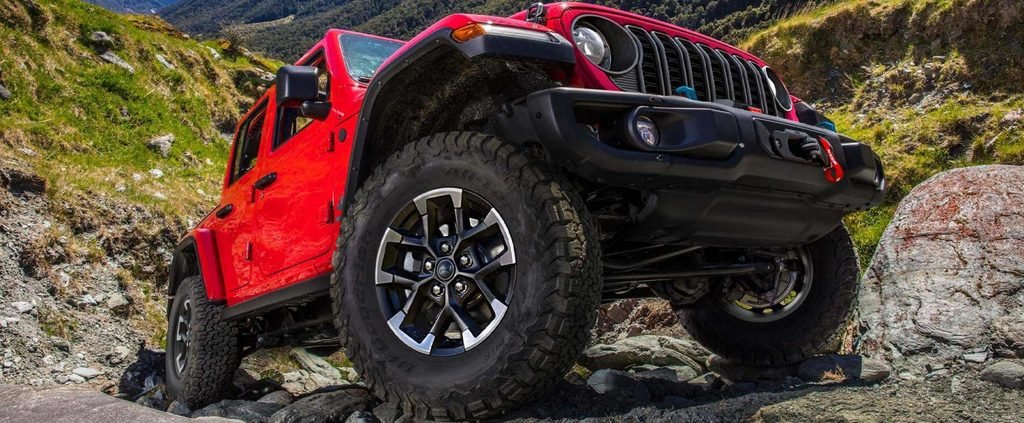
The Wrangler approaches adventure differently. It isn’t merely an off-road machine; it has become an expression of the adventurous lifestyle. Removable doors, removable roof options, distinctive styling and genuine four-wheel-drive capability give it something many competitors cannot replicate: character. The Wrangler tells people that the owner isn’t necessarily looking for the fastest route. They might be looking for the more interesting one.
And Then There Are the Modern Adventurers
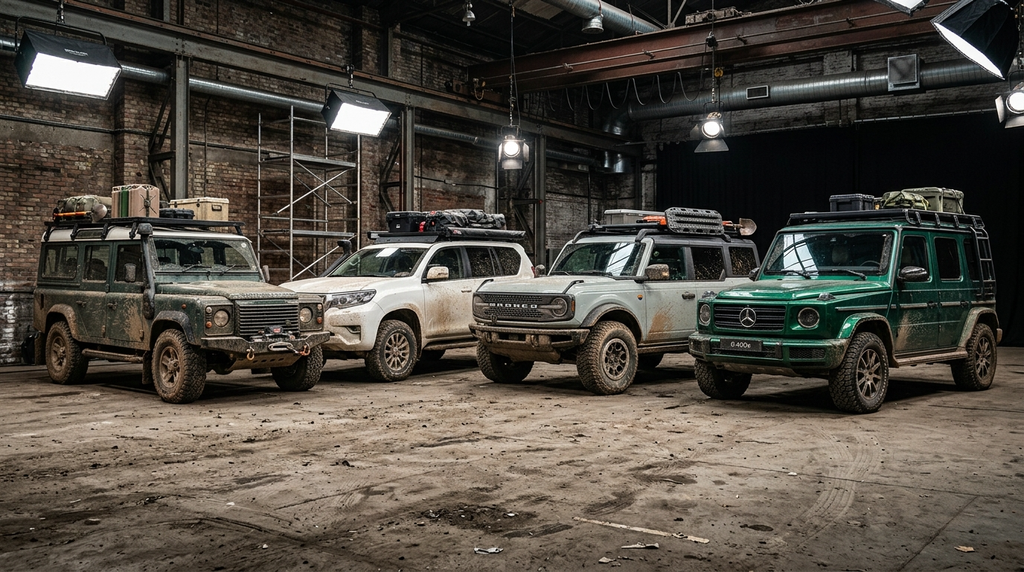
Adventure vehicles have also evolved. Today, you don’t necessarily need an old-school 4×4 to escape the city. Vehicles such as the Land Rover Defender, Toyota Land Cruiser Prado, Ford Bronco and Mercedes-Benz G-Class demonstrate how manufacturers have combined traditional off-road capability with modern technology, safety and luxury. That evolution is important because today’s adventure buyer often wants both worlds. They want to drive comfortably through Nairobi on Monday and be capable of tackling a remote trail on Saturday.
Adventure no longer means sacrificing comfort. It means having the freedom to choose where comfort ends and exploration begins.
The Kenyan Perspective
For Kenyan drivers, adventure has a particularly strong meaning. We don’t have to manufacture adventure. It is already outside the city. Drive north and the landscape changes. Head towards the Rift Valley and the terrain open up. Continue towards the coast and the environment transforms again. There are mountains, forests, lakes, deserts, beaches and wildlife landscapes within the same country. That makes the car an important part of the experience.
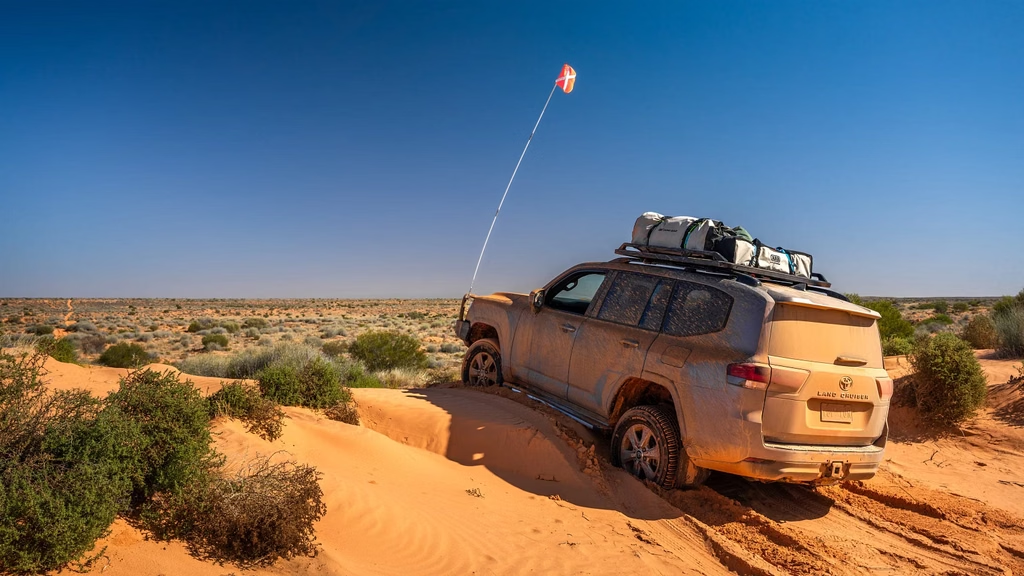
A road trip to Naivasha is different from a journey to Samburu. A trip to the coast is different from exploring Amboseli. And the vehicle you choose should reflect the journey you intend to make. For some journeys, a crossover is perfectly adequate. For others, a proper 4×4 is not a luxury it is part of the preparation. Current Kenyan safari guidance, for example, recommends genuine 4WD vehicles with adequate ground clearance for demanding park terrain.
Don’t Buy the Car. Buy the Possibility.
This is perhaps the biggest shift in how we should think about adventure vehicles. A car should not only be judged by its engine size, acceleration, leather seats or infotainment screen. Ask a different question:
What does this car allow me to do?
Can it take you somewhere you’ve never been? Can you load your family into it and disappear for a weekend? Can it handle a road that wasn’t part of the original plan? Can you leave Nairobi on Friday afternoon without knowing exactly where you’ll end up on Sunday? The value of an adventure vehicle isn’t only measured in kilometres travelled. It is measured in places reached, experiences created and memories collected.
The Road Is the Destination
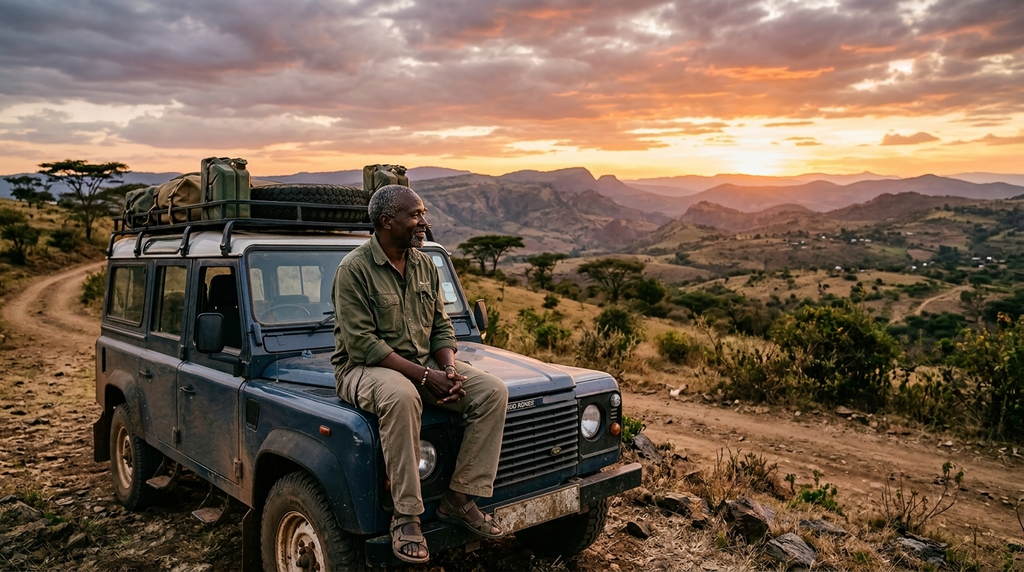
Perhaps that’s what adventure really means. Not knowing exactly what is around the next corner. Taking the longer route because it looks more interesting. Stopping because the landscape demands a photograph. Finding a trail that wasn’t on the original itinerary. Getting away from the predictable. Because sometimes the best journeys aren’t the ones where everything goes according to plan. They are the ones where the road changes the plan. And when that happens, you want to be driving something capable of following it. Because the adventure doesn’t start when you reach the destination. The adventure starts where the tarmac ends.