
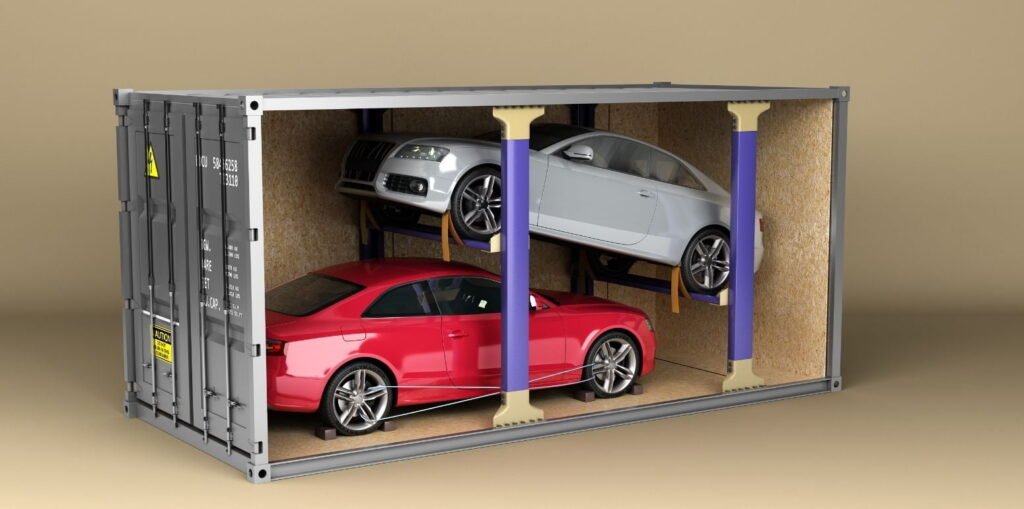
We’ve all been there: spent a Saturday crawling through car yards along Ngong Road or Kiambu Road, peering through tinted windows, and trying to decipher whether that clean-looking Toyota Premio or Mazda CX-5 actually has 60,000 km on the clock—or if the odometer took a “magic trip” backward before hitting the lot. Buying a car in Kenya is a major milestone. Whether it’s upgrading for family trips upcountry to shags, navigating Nairobi’s endless Thika Road traffic, or getting a reliable daily runner, your hard-earned money deserves maximum value.
That’s why more than 80% of imported used cars hitting the Port of Mombasa come straight from Japan. Importing a vehicle directly from Japanese auction houses isn’t just for car dealers anymore—it’s become the go-to strategy for savvy everyday Kenyan buyers. Here is why importing your ride from Japan is one of the smartest financial moves you can make.
1. Unbeatable Value for Your Money
The most compelling reason to import directly is simple: cost savings. When you buy from a local dealership, the listed price includes their profit margin, showroom overheads, holding costs, and local markups. By sourcing directly from Japan’s auction networks, you bypass middleman markups.
The Reality: On popular models like the Mazda CX-5, Toyota Land Cruiser Prado, or Mercedes C Class, importing directly can save you anywhere from KES 200,000 to over KES 400,000 compared to equivalent showroom units in Nairobi or Mombasa. That’s money back in your pocket for insurance, initial maintenance, or fueling your weekend getaways.
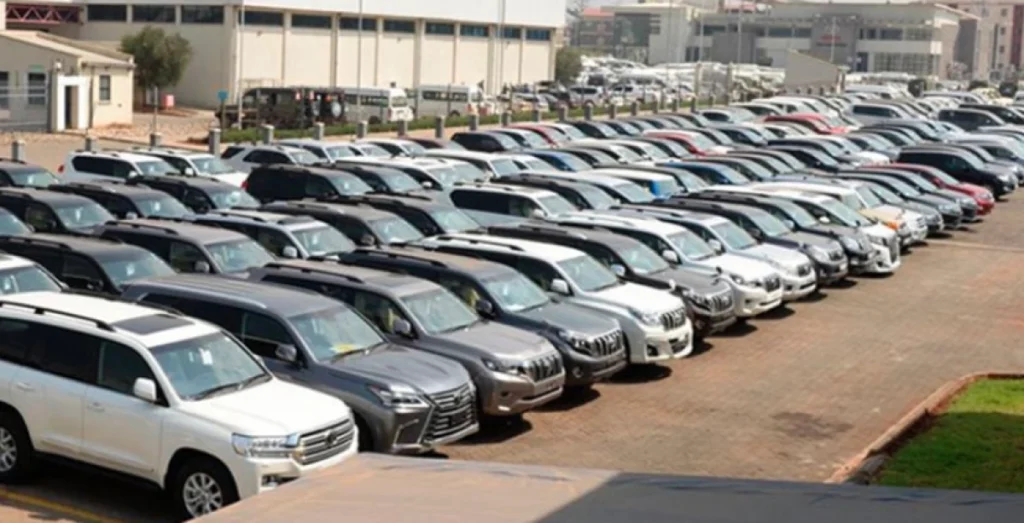
2. Japan’s Strict Maintenance Culture (Shaken)
If you’ve driven on some of our rough local roads, you know the wear and tear a car endures. Japanese roads, by contrast, are immaculate—smooth asphalt with virtually no potholes. More importantly, Japan enforces a rigorous biannual vehicle inspection program known as Shaken.
- Mandatory Quality Standards: Under Shaken, car owners must submit their vehicles to thorough mechanical and environmental tests covering brakes, suspension, steering, and emissions.
- Expensive Repairs Mean Frequent Upgrades: Because fixing minor defects to pass Shaken can cost thousands of dollars, many Japanese drivers prefer selling their cars after 3 to 5 years.
- Low Mileage Habits: Excellent public transport in Japanese cities means many personal vehicles are driven sparingly—often only on weekends.
When you land a 2019 or 2020 unit in Mombasa, you’re usually getting a machine with minimal mechanical strain and a pristine undercarriage.
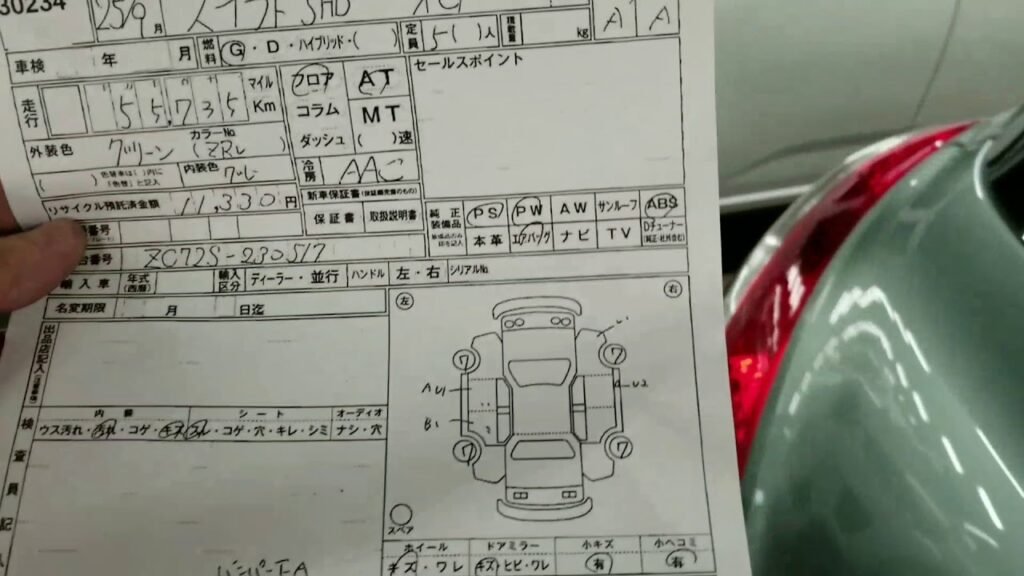
3. Total Transparency with Official Auction Sheets
Buying a locally used car often feels like a guessing game. Has it been in a crash? Has the mileage been rolled back? When importing from Japan, transparency is built into the system:
- Independent Auction Grading: Every car listed through major auction houses (such as USS, TAA, or JU) is evaluated by independent inspectors. They issue an Auction Sheet grading the car’s mechanical health, exterior body condition, and interior cleanliness (typically on a scale from Grade 3.0 up to Grade 5 or S).
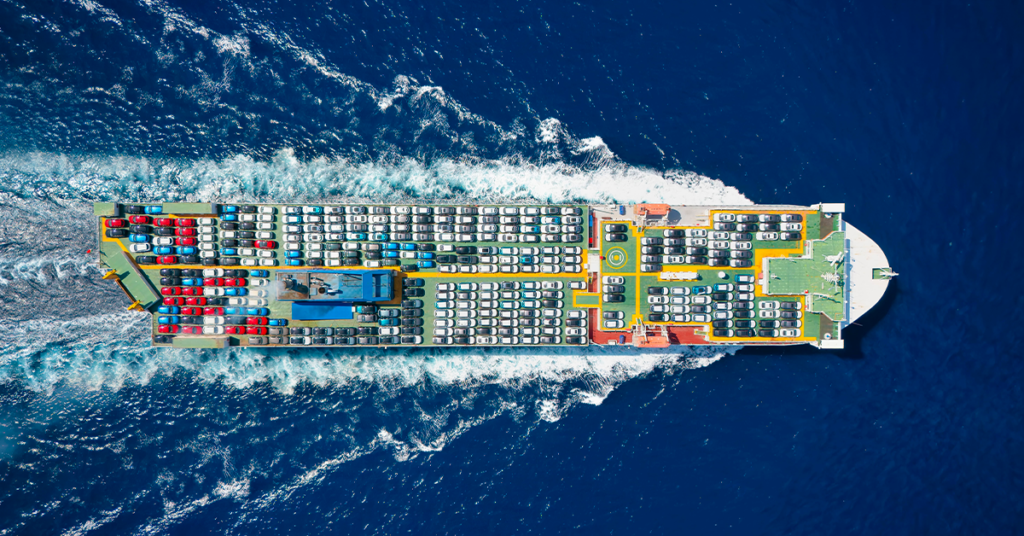
- Pre-Shipment Inspection (QISJ / JEVIC): Before any vehicle boards a RoRo (Roll-on/Roll-off) vessel bound for Mombasa, it must undergo a mandatory roadworthiness inspection by KEBS-contracted agencies like QISJ.
- Tamper-Proof Mileage: QISJ logs the exact odometer reading in their global database, guaranteeing that what you see on the dashboard is what the car actually ran.
Auction Grade 4.5 / 5.0 - Excellent mechanical condition, minor cosmetic marks only
QISJ Verification - Verifies roadworthiness & original mileage before shipping
4. Unlimited Variety and High Specification Trims
When shopping locally, you are limited to what dealers happen to have sitting on their lots. Want a specific color like Nardo Grey, a sunroof, leather seats, a 360-degree camera, or adaptive cruise control? Finding that exact combo in local yards can take months. Japan’s export market gives you access to tens of thousands of cars every week. You get to pick:
- Exact engine capacities (vital for controlling KRA excise duty costs).
- Specific trim levels (e.g., Mazda’s L Package, Subaru’s SightSafety, Toyota’s G Z Edition).
- Fuel types—including fuel-efficient hybrids that cushion you against fluctuating pump prices.
5. Direct Compatibility with Kenyan Roads
Because both Japan and Kenya drive on the left side of the road (Right-Hand Drive vehicles), Japanese models are natively built for our traffic environment. Furthermore, because Japanese brands dominate Kenyan roads, sourcing spare parts, finding qualified mechanics, or eventually reselling your vehicle down the line is completely hassle-free.
What You Need to Remember Before Importing
To make your import journey smooth and stress-free, keep these key local regulations in mind:
| Requirement | What You Need to Know |
| 8-Year Age Rule | Kenya Bureau of Standards (KEBS) mandates that imported used cars must not be older than 8 years from the year of first registration. |
| Steering Position | Must be Right-Hand Drive (RHD). |
| Shipping Time | Expect around 45 to 60 days from auction win in Japan to clearing customs at the Port of Mombasa or ICD Nairobi. |
| Taxes & Duty | KRA duty includes Import Duty (25%), Excise Duty, VAT (16%), IDF, and RDL calculated off KRA’s Current Retail Selling Price (CRSP) schedule. |
Final Thoughts
Importing a car directly from Japan requires a little patience while your vessel crosses the ocean, but the rewards—a higher quality car, verified mileage, total peace of mind, and thousands of shillings saved—are well worth the wait. Working with a licensed, reputable local clearing agent or import partner ensures your auction bidding, QISJ documentation, KRA clearance, and NTSA registration flow seamlessly from Tokyo straight to your driveway.
Compiled by Sipitali Shitsukane
Car Imports Consultant