
For many years, the Kenyan automotive conversation has revolved around familiar questions:
How much does it cost?
How economical is it?
How powerful is the engine?
How reliable is it?
What badge does it carry?
For premium vehicles, the conversation often goes even further leather interiors, panoramic roofs, large infotainment screens, premium sound systems, horsepower and driving experience.
But as Kenya continues to face a serious road-safety challenge, another question deserves to become central to the way we evaluate vehicles:
How safe is the vehicle?
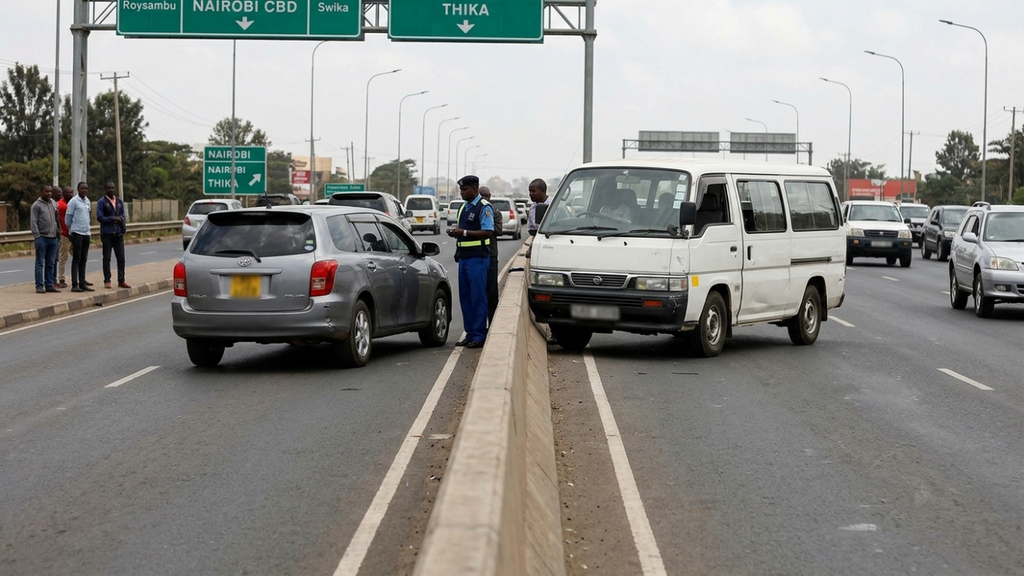
Kenya recorded 4,458 road fatalities in 2025, compared with 4,311 in 2024. During the first half of 2026, 2,150 people had already lost their lives in road crashes, with pedestrians accounting for 836 of those deaths.
These are not simply statistics. They represent families affected, businesses disrupted and lives permanently changed.
They should also encourage a broader conversation within the automotive industry about vehicle safety, driver responsibility and the technology available to protect road users.
The Car Is No Longer Just a Means of Transport
A modern vehicle is increasingly a sophisticated piece of safety technology.
Manufacturers have invested heavily in systems designed to help drivers identify hazards, maintain control and reduce the likelihood or severity of collisions.
Depending on the vehicle and specification, these technologies can include:
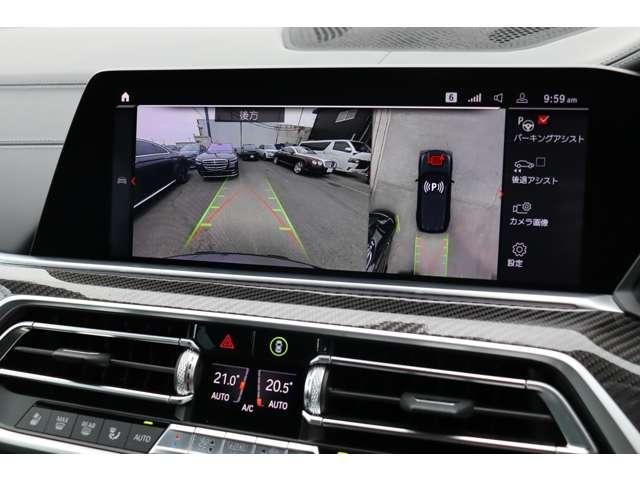
- Automatic Emergency Braking
- Forward Collision Warning
- Adaptive Cruise Control
- Lane Departure Warning
- Lane Keeping Assist
- Blind Spot Monitoring
- Rear Cross-Traffic Alert
- Pedestrian Detection
- Driver Attention Monitoring
- 360-degree cameras
- Parking sensors
- Electronic Stability Control
- Multiple airbags
- Advanced braking systems
- Tyre-pressure monitoring systems
These technologies do not make a vehicle immune to accidents, nor should they encourage drivers to become less attentive.
Instead, they provide additional layers of protection and assistance.
The modern car is increasingly designed not only to respond when a collision occurs, but to help the driver recognise and avoid potential hazards before they become accidents.
From Passive Safety to Active Safety
For decades, vehicle safety focused primarily on protecting occupants when a crash occurred.
This is known as passive safety.
Examples include:
- Seat belts
- Airbags
- Crumple zones
- Strong passenger compartments
- Head restraints

These remain fundamental to vehicle safety.
However, automotive technology has increasingly shifted toward active safety systems designed to help prevent or reduce the severity of a collision.
Forward Collision Warning, for example, can alert a driver when the vehicle detects a potential collision ahead.
Automatic Emergency Braking can intervene in certain circumstances when a collision appears imminent.
Blind Spot Monitoring can help identify vehicles that may not be visible in the driver’s mirrors.
Lane Keeping Assist can help correct unintended lane departure in certain situations.
Pedestrian detection can help identify vulnerable road users under appropriate conditions.
This is particularly relevant in Kenya, where pedestrians represent one of the largest groups affected by road fatalities.
Safety Should Become Part of How We Compare Vehicles
When people compare vehicles, the conversation often focuses on:
Engine + Power + Fuel Economy + Comfort + Technology + Price
Safety should be part of that equation.
A more complete vehicle evaluation could look at:
Performance + Reliability + Comfort + Technology + Safety + Ownership Cost
This doesn’t mean that every buyer needs the most expensive vehicle with the most sophisticated technology.
It means that buyers should understand what safety systems their vehicle actually has and how those systems can contribute to safer driving.
The same model can also have different safety features depending on its year, trim level, market specification and optional packages.
Therefore, knowing the exact vehicle specification matters.
A prestigious badge alone does not tell the complete story.
The Hidden Importance of ADAS
One of the most significant developments in modern automotive safety is Advanced Driver Assistance Systems (ADAS).
ADAS uses technologies such as cameras, radar, sensors and electronic control systems to assist the driver.
Depending on the vehicle, these systems can support:
- Collision detection
- Emergency braking
- Lane management
- Blind-spot awareness
- Adaptive cruise control
- Parking assistance
- Pedestrian detection
- Driver monitoring
However, technology also creates a new responsibility.
These systems must be properly maintained and understood.
A camera or radar sensor that is damaged, obstructed or incorrectly calibrated may affect the performance of the associated safety system.
This means that modern vehicle maintenance is increasingly moving beyond traditional mechanical servicing.
It now involves:
Mechanical systems + electronics + sensors + software + diagnostics + calibration.
This represents a major evolution in the automotive industry.
Safety Is Not Just About Technology
It is important not to create the impression that technology alone can solve Kenya’s road-safety challenge.
A vehicle can have the most advanced safety systems available and still be involved in an accident if it is driven irresponsibly.
Road safety is influenced by several factors:

Driver behaviour + speed + road conditions + infrastructure + vehicle condition + visibility + pedestrian behaviour + motorcycle traffic + enforcement.
Technology should therefore be viewed as an additional safety layer rather than a replacement for responsible driving.
The safest vehicle is ultimately one operated by an attentive, responsible driver who understands both the vehicle’s capabilities and its limitations.
The Importance of Vehicle Condition
Vehicle safety also depends heavily on maintenance.
A vehicle may have excellent safety technology, but worn tyres, damaged brakes, poor suspension components or faulty lights can compromise its ability to respond to an emergency.
Some of the most basic vehicle components remain among the most important:
Tyres
Tyres are the vehicle’s primary contact with the road.
Incorrect pressure, excessive wear or poor-quality tyres can affect braking, cornering and stability.
Brakes
Brake pads, discs, fluid and associated components must remain in good condition.
Suspension
A properly functioning suspension system helps maintain tyre contact with the road and contributes to stability and control.
Lighting
Headlights, brake lights, indicators and other lighting systems are particularly important in poor visibility and night driving.
Seat Belts
Advanced safety technology does not replace the importance of properly functioning seat belts.
Vehicle safety is therefore not just about what a car has.
It is also about whether those systems are maintained and functioning correctly.
Safety Should Become Part of the Premium-Car Conversation
Premium vehicles are often marketed around luxury, performance and technology.
Those qualities are important, but safety deserves an equally prominent position.
When evaluating a premium vehicle, the conversation should not stop at:
“How powerful is the engine?”
It should also ask:
“What technology does this vehicle have to help protect its occupants and other road users?”
A premium vehicle equipped with advanced driver-assistance technology, strong occupant protection and sophisticated braking and stability systems offers a different kind of luxury:
the luxury of confidence.
That is a perspective that can add greater meaning to the premium automotive experience.
Safety and the Customer Experience
For automotive professionals, safety presents an opportunity to improve how customers are educated.
Instead of simply presenting a vehicle’s features, the conversation can explain why those features matter.
For example:
Instead of saying:
“This vehicle has Blind Spot Monitoring.”
Explain:
“The system can alert the driver when another vehicle is detected in an area that may not be visible through the normal mirrors.”
Instead of simply saying:
“It has Automatic Emergency Braking.”
Explain:
“The system is designed to assist the driver when the vehicle detects a potential forward collision.”
This changes the conversation from features to benefits.
It helps the customer understand not just what the vehicle has, but how that technology can contribute to their driving experience.
The Role of Responsible Vehicle Ownership
Safety begins before the engine starts.
It starts with understanding the vehicle.
Drivers should know:
- Their vehicle’s recommended tyre pressure
- Warning-light meanings
- Recommended service intervals
- Brake condition
- Tyre condition
- Vehicle load limits
- Safety-system limitations
- Correct seating position
- Proper seat-belt use
- Appropriate child-seat installation
- How the vehicle’s driver-assistance systems operate
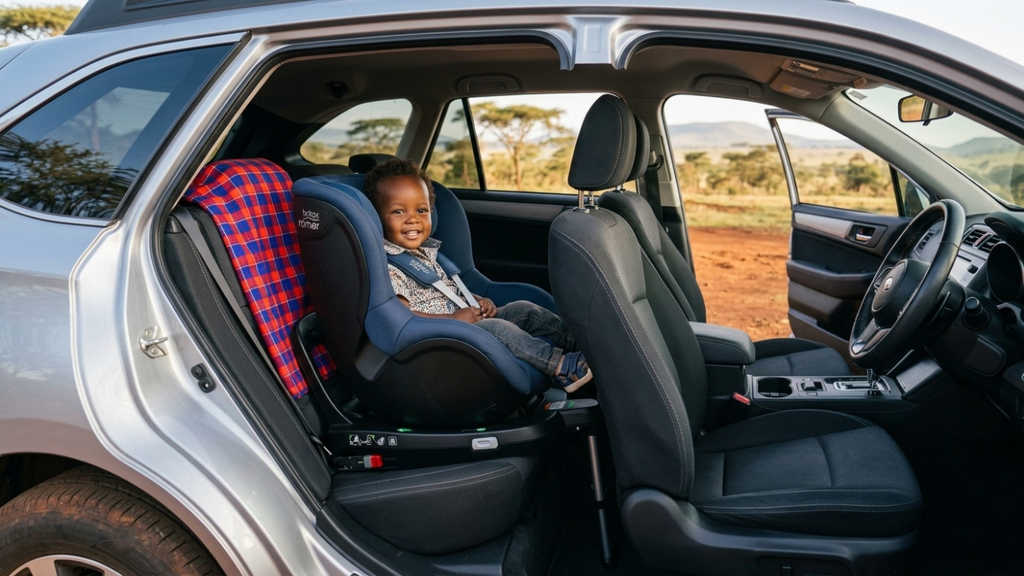
Technology is most effective when the driver understands how to use it.
A driver who believes that Adaptive Cruise Control or Automatic Emergency Braking means they no longer need to pay attention is misunderstanding the purpose of the technology.
Driver assistance is not autonomous driving.
It is assistance.